The U.S. gold dollar is tiny, but its value can be much larger than its one-dollar face value suggests. These coins were made from gold, and some surviving examples are also sought after by collectors.
That means a gold dollar coin's value can come from two sources: the metal itself and the coin's numismatic value. Date, design, mint mark, condition, rarity, and collector demand can all make a difference.
What Is a U.S. Gold Dollar?
The U.S. Mint produced gold dollar coins from 1849 through 1889, making them the smallest denomination of U.S. gold coinage.
The coins contain 90% gold and weigh about 1.672 grams, with approximately 0.04837 troy ounces of pure gold.
There were several major designs:
Type | Years | Design |
Liberty Head | 1849–1854 | Liberty head |
Indian Princess Type I | 1854–1856 | Small Indian Princess |
Indian Princess Type II | 1856–1859 | Larger Indian Princess |
Indian Princess Type III | 1859–1889 | Modified portrait |
Because these coins are small and contain relatively little gold, their collector value can be especially important when determining what an individual coin is worth.
What Determines Gold Dollar Coin Value?
A gold dollar coin's value depends on more than its face value or gold content. Date, mint mark, condition, rarity, and collector demand can all affect its worth.
Date and Mint Mark
Some dates and mint marks are harder to find than others. Mint marks identify where a coin was produced, including mints in Charlotte, Dahlonega, New Orleans, and San Francisco. Common dates may have more modest premiums, while scarce issues can be worth considerably more.
Condition and Grade
Condition can greatly affect value. Even minor wear can affect the fine details of these small coins. Collectors look at wear, surface marks, detail, and overall preservation. Professional grading can also make a coin easier to compare with similar examples.
Rarity and Collector Demand
Mintage does not always tell the full story. Some coins became scarce because many were lost, melted, or removed from circulation. Strong collector demand can also increase value, particularly for rare dates and well-preserved examples.
How Can You Check Your Gold Dollar?
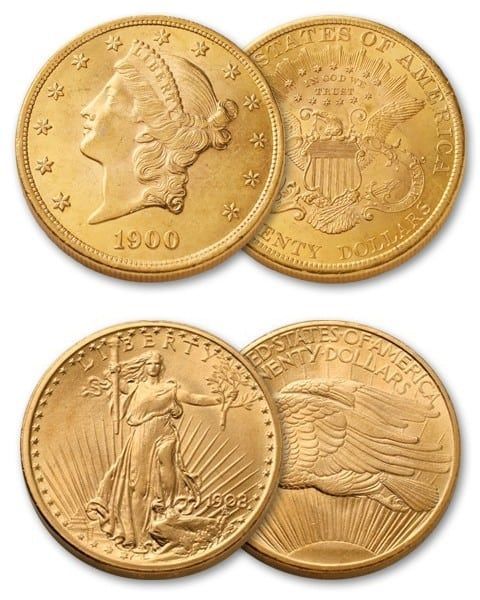
Before estimating the value of an old gold dollar, start with a few basic details:
Design: Identify the Liberty Head or Indian Princess type.
Date: Check the year on the coin.
Mint mark: Look for a mint mark and note its location.
Condition: Examine the amount of wear, scratches, and remaining detail.
Weight: An authentic gold dollar should weigh about 1.672 grams.
Avoid cleaning the coin. Polishing or other cleaning methods can damage the original surface and reduce its appeal to collectors.
For an older or potentially rare coin, professional testing and authentication can provide a more reliable assessment.
Is a Gold Dollar Worth More Than Its Gold Content?
In many cases, yes. A U.S. gold dollar contains only about 0.04837 troy ounces of pure gold, so its bullion value does not always reflect what collectors are willing to pay.
A scarce date, sought-after mint mark, high grade, or desirable variety can add significant collector value. Common dates in worn condition may trade closer to their underlying gold and basic numismatic value.
That makes identifying the exact coin, including its date, mint mark, and condition, an important step in determining its gold dollar coin value.
Frequently Asked Questions
How much gold is in a U.S. gold dollar?
A U.S. gold dollar contains 90% gold and approximately 0.04837 troy ounces of pure gold. The coin weighs about 1.672 grams.
What years were gold dollars made?
The U.S. produced gold dollars from 1849 through 1889. The series includes Liberty Head and Indian Princess designs.
Are all gold dollars worth the same?
No. Date, mint mark, condition, rarity, and collector demand can create significant differences in value between individual coins.
How can I tell which gold dollar I have?
Start by identifying the design, date, and mint mark. The coin's type and condition can then help narrow down its potential value.
Should I clean an old gold dollar before selling it?
No. Cleaning can damage the coin's surface and reduce its collector appeal. It is better to have the coin evaluated in its existing condition.
Determining Your Gold Dollar's Value
A U.S. gold dollar may be one of the smallest gold coins ever produced by the United States, but its value can extend well beyond its one-dollar face value. Gold content provides a baseline, while rarity, condition, date, mint mark, and collector demand can add substantially more.
Pacific Precious Metals can evaluate gold coins based on their metal content and condition, helping you get a clearer picture of what your coin may be worth before selling.
Disclaimer: This content is provided by Pacific Precious Metals for educational purposes only and is not financial or tax advice. Precious metals carry risk, including possible loss of principal, so please consult a licensed advisor before investing.