
GOLD COINS FAQ
What are gold coins?
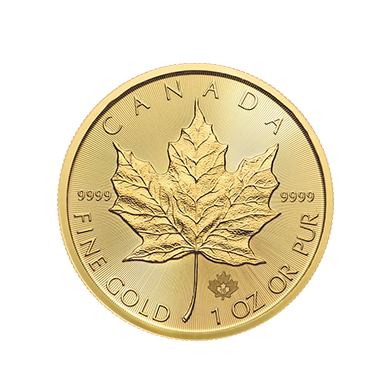
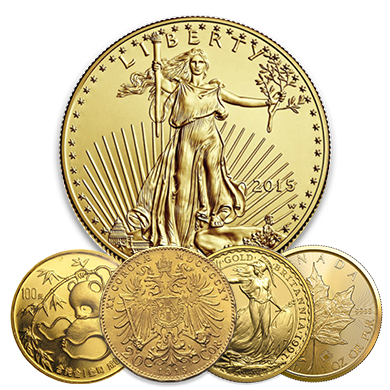
Gold coins are round pieces of gold minted by government or private mints, valued primarily for their gold content. Investment-grade gold coins, also called bullion coins, are produced specifically for investors and priced based on their weight and the current spot price of gold plus a small premium. Popular examples include American Gold Eagles, Canadian Maple Leafs, and South African Krugerrands. These differ from numismatic or collectible coins, which derive additional value from rarity, condition, and historical significance. Gold bullion coins are recognized worldwide, making them highly liquid and easy to buy and sell.
Are gold coins a good investment?
Yes, gold coins are an excellent investment for wealth preservation and portfolio diversification. They offer the benefits of physical gold ownership, including protection against inflation, currency devaluation, and economic uncertainty. Gold coins are highly liquid, easily recognized, and can be sold quickly at competitive prices. Government-minted coins like American Gold Eagles provide guaranteed weight and purity, making them trusted worldwide. Most financial advisors recommend allocating 5-15% of your portfolio to precious metals. Gold coins are particularly suitable for investors who value portability, divisibility, and the security of owning tangible assets.
What is the most popular gold coin?
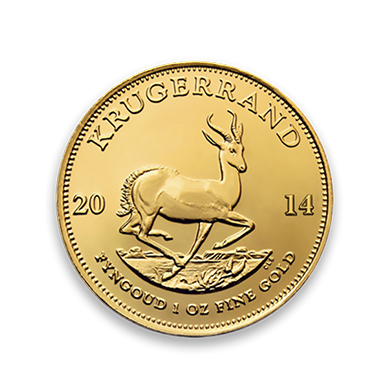
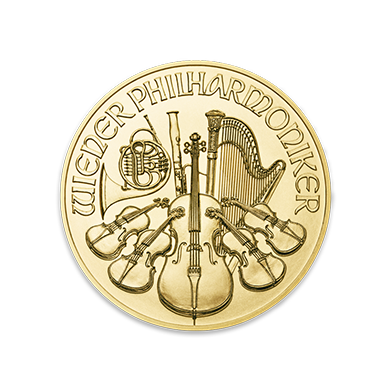
The American Gold Eagle is the most popular gold coin in the United States, known for its government backing, beautiful design, and high liquidity. Globally, other popular choices include the Canadian Gold Maple Leaf (valued for its .9999 purity), South African Krugerrand (the original modern bullion coin), and Austrian Gold Philharmonic. American Gold Eagles are particularly favored by US investors because they're minted by the US Mint, accepted in IRAs, and easily recognized by dealers nationwide. Their combination of liquidity, trust, and resale ease makes them the top choice for both new and experienced investors.
How much are gold coins worth?
Gold coins are worth their gold content value plus a premium. The base value is calculated by multiplying the coin's gold weight by the current spot price of gold. For example, a one-ounce gold coin is worth approximately the spot price of one ounce of gold. On top of this, you'll pay a premium of typically 3-8% that covers minting, distribution, and dealer costs. Government-minted coins like American Gold Eagles command slightly higher premiums than private mint rounds but offer better liquidity. The exact value fluctuates with gold prices throughout the trading day.
What is the difference between gold bullion coins and collectible gold coins?
Gold bullion coins are valued primarily for their gold content and trade close to the spot price of gold plus a small premium. They're produced in large quantities for investment purposes. Examples include American Gold Eagles and Canadian Maple Leafs. Collectible or numismatic gold coins derive value from rarity, historical significance, condition, and demand among collectors, often selling for much more than their gold content alone. While bullion coins are straightforward investments tied to gold prices, collectible coins require expertise to value properly and can be harder to sell. For most investors, bullion coins offer better liquidity and simpler investing.
What are the best gold coins to buy for investment?
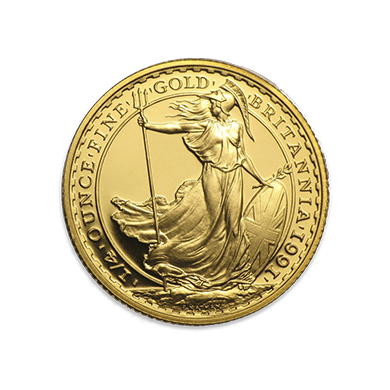
The best gold coins for investment are government-minted bullion coins with high liquidity and recognition. American Gold Eagles are the top choice for US investors, offering government backing, IRA eligibility, and nationwide acceptance. Canadian Gold Maple Leafs provide .9999 purity with excellent security features. South African Krugerrands are widely recognized globally and often carry lower premiums but are not eligible for storing in an IRA. Austrian Gold Philharmonics and British Gold Britannias are also solid options. Choose coins from major government mints for easiest resale. Stick with one-ounce sizes for best liquidity, or fractional sizes (1/2 oz, 1/4 oz, 1/10 oz) for flexibility and affordability.
How to buy gold coins?
You can buy gold coins from reputable online dealers, local coin shops, or directly from government mints. When buying online, choose established dealers with transparent pricing, secure payment methods, and insured shipping. Compare premiums across multiple dealers to find competitive prices. Decide which coins fit your budget and investment goals, whether full one-ounce coins or fractional sizes. Verify the dealer offers authenticity guarantees and clear return policies. At Pacific Precious Metals, we make buying gold coins simple with competitive pricing, authentic products from trusted mints, secure checkout, and fully insured delivery to your door.
Are gold coins pure gold?
Most investment-grade gold coins contain 22-karat or 24-karat gold. American Gold Eagles are 22-karat (.9167 fine), meaning 91.67% pure gold alloyed with silver and copper for durability, but still contain exactly one troy ounce of pure gold. Canadian Maple Leafs and Austrian Philharmonics are 24-karat (.9999 fine), meaning 99.99% pure gold. The alloy in 22-karat coins makes them more scratch-resistant for handling while maintaining full gold content. Both purities are excellent for investment. The purity is always stamped on the coin along with weight and country of origin.
What sizes do gold coins come in?
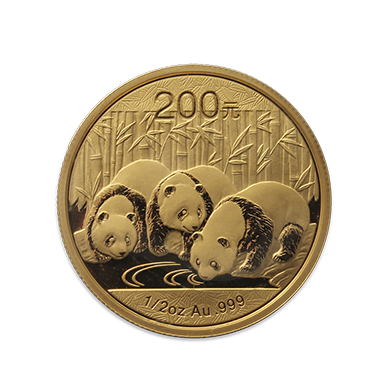
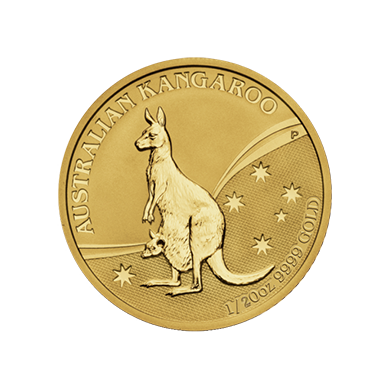
Gold coins are available in several standard sizes: 1 oz (most popular), 1/2 oz, 1/4 oz, and 1/10 oz. Some mints also produce 1/20 oz and 1 gram fractional coins. One-ounce coins offer the lowest premium per ounce and best liquidity, making them ideal for most investors. Fractional coins provide affordable entry points, typically ranging from around $200 for a 1/10 oz coin to $600+ for a 1/2 oz coin, depending on current gold prices. Fractional sizes also offer flexibility for future selling and gifting, though they carry higher premiums per ounce than full one-ounce coins.
Can you sell gold coins?
Yes, gold coins are highly liquid and can be easily sold to dealers, coin shops, or private buyers. Reputable dealers like Pacific Precious Metals offer buyback programs, purchasing your gold coins at competitive rates based on current spot prices. Government-minted coins like American Gold Eagles have the easiest resale process due to their worldwide recognition and guaranteed authenticity. When selling, you'll typically receive the spot price of gold minus a small dealer fee. Keep your coins in their original packaging with any certificates of authenticity to maximize resale value and simplify the verification process.
How are gold coins priced?
Gold coins are priced based on their gold content value (weight times current spot price) plus a premium. The spot price of gold changes throughout the day based on global market conditions. The premium typically ranges from 3-8% over spot and covers minting costs, distribution, dealer overhead, and market demand. Government-minted coins generally have higher premiums than private rounds but offer better liquidity. Fractional coins have higher premiums per ounce than one-ounce coins due to additional manufacturing costs. Prices are quoted per coin, with the total reflecting both the gold value and the premium.
What is the premium on gold coins?
The premium on gold coins is the amount above the spot price of gold that covers minting, distribution, dealer costs, and profit margins. Premiums typically range from 3-8% for popular one-ounce coins like American Gold Eagles and Canadian Maple Leafs. Fractional coins (1/2 oz, 1/4 oz, 1/10 oz) have higher premiums per ounce, often 10-20%, due to additional manufacturing costs. Government-minted coins carry slightly higher premiums than private mint rounds but offer superior liquidity and recognition. During periods of high demand, premiums can increase. While you pay the premium upfront, it's generally recovered when selling popular, liquid coins.
Are American Gold Eagles better than other gold coins?
American Gold Eagles offer specific advantages for US investors, including government backing by the US Mint, nationwide recognition and acceptance, IRA eligibility, and excellent liquidity in the domestic market. However, "better" depends on your priorities. Canadian Maple Leafs offer higher purity (.9999 vs .9167) and advanced security features. Krugerrands often have lower premiums. Austrian Philharmonics are popular in Europe. For US-based investors prioritizing easy resale and trust, American Gold Eagles are hard to beat. For investors seeking maximum purity or lower premiums, other options might be preferable. All major government-minted coins are excellent investment choices.
Do gold coins hold their value?
Yes, gold coins have proven to hold their value over time, serving as a reliable store of wealth for centuries. While gold prices fluctuate in the short term, gold has maintained purchasing power across decades and generations, making it an effective hedge against inflation and currency devaluation. Government-minted gold coins like American Gold Eagles retain value particularly well due to their guaranteed weight, purity, and high liquidity. During economic uncertainty, gold often increases in value as investors seek safe-haven assets. As long-term wealth preservation tools, gold coins have consistently protected purchasing power throughout history.
Where to store gold coins?
Gold coins can be stored at home in a quality safe, in a bank safety deposit box, or at a professional depository. Home storage provides immediate access and privacy but requires a secure safe bolted down and adequate insurance coverage. Bank safety deposit boxes offer security at reasonable cost but have limited access hours and contents may not be fully insured. Professional precious metals depositories provide maximum security, full insurance, segregated storage, and easy liquidity, though they charge annual fees typically around 0.5-1% of value. Many investors keep some coins accessible at home for emergencies while storing larger holdings in secure facilities.