

GOLD ROUNDS FAQ
What are gold rounds?
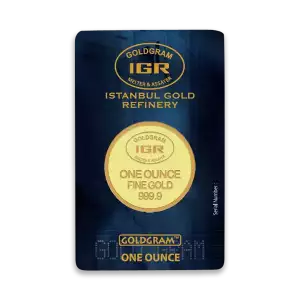
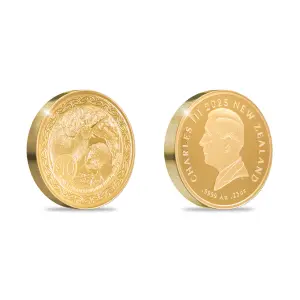
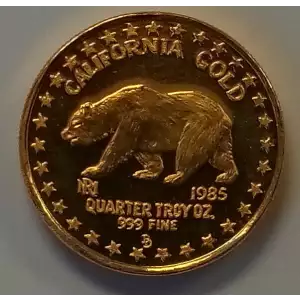
Gold rounds are circular pieces of gold produced by private mints, valued solely for their gold content and weight. Unlike government-minted coins, rounds are not legal tender and don't have face values. They're typically stamped with weight, purity (usually .9999 fine), and the mint's mark. Gold rounds offer an affordable way to own physical gold, as they generally carry lower premiums than government coins while providing the same gold content. Popular designs include buffalo, eagle, and various commemorative themes.
What is the difference between gold rounds and gold coins?
The key difference is the issuer and legal status. Gold coins are minted by governments, carry official face values, and are legal tender backed by sovereign guarantees. Gold rounds are produced by private mints, have no face value, and aren't legal tender. This means coins come with government authentication and typically higher premiums, while rounds focus purely on gold content with lower markups. Both contain the same precious metal, but coins offer easier recognition while rounds maximize value per dollar spent.
Are gold rounds a good investment?
Gold rounds excel for cost-conscious investors who want to accumulate maximum gold weight without paying for government minting premiums. They're ideal if your strategy focuses on ounces owned rather than collectibility or instant brand recognition. Rounds work well for long-term holders building core positions, since the 1-3% savings per ounce compounds significantly over multiple purchases. However, if you prioritize the easiest possible resale or plan to trade frequently, government coins may suit you better despite higher initial costs.
How much are gold rounds worth?
Gold rounds trade based on their actual gold weight at current market prices. A one-ounce round contains one troy ounce of gold, so its base value equals the live spot price. Dealers add small premiums when selling (typically 2-4% over spot) and deduct small fees when buying back (usually 1-3% under spot). Your round's resale value depends on gold prices at the time you sell, the mint's reputation, and current market liquidity. Check live gold prices before any transaction to understand real-time value.
Are gold rounds pure gold?
Reputable private mints produce rounds at .9999 fine purity (24-karat, 99.99% pure gold). This matches or exceeds many government coins. The purity is stamped directly on each round. Quality mints maintain strict standards to compete with government products. Some generic or older rounds may be .999 fine, which is still investment-grade. Always verify the purity stamp and purchase from established mints. The remaining 0.01% consists of trace elements from the refining process, not added alloys.
What sizes do gold rounds come in?
One-ounce rounds dominate the market due to optimal pricing and liquidity. Private mints occasionally produce 1/2 oz and 1/4 oz fractional rounds, though these are far less common than fractional coins. Very small sizes like 1 gram rounds exist but are rare. The one-ounce format remains standard because it balances affordability with low premiums per ounce. If you need smaller denominations regularly, government fractional coins typically offer better availability and recognition than fractional rounds.
Can you sell gold rounds?
Selling gold rounds is straightforward through precious metals dealers who buy based on gold content. Your payout equals current spot price minus the dealer's margin (typically 1-3%). Rounds from known private mints like Sunshine Minting or Buffalo designs sell most easily. Generic or unfamiliar brands may face slightly lower offers or require additional verification. Local coin shops and online dealers both purchase rounds. Response time and ease of sale depend more on the mint's reputation than whether it's a round versus coin, though government coins do have a slight edge in recognition.
Are gold rounds cheaper than gold coins?
Yes, rounds typically cost 1-3% less per ounce than comparable government coins. On a $2,000 gold ounce, this saves $20-60 per purchase. The savings come from eliminating government minting fees, legal tender status, and sovereign backing costs. Over time and multiple purchases, these savings accumulate significantly. The tradeoff is slightly lower resale recognition compared to government coins. For investors buying to hold long-term and prioritizing gold accumulation, the lower entry cost makes rounds highly efficient.
Do gold rounds have premiums?
Yes, but lower than coins. One-ounce rounds typically carry 2-4% premiums over spot price, covering minting, quality control, distribution, and dealer operations. These premiums fluctuate with market demand and production costs. During high-demand periods, round premiums rise but usually stay below coin premiums. Popular designs or recognized mint names may add slightly higher premiums. The premium represents the cost of transforming raw gold into a verified, tradeable form. When you sell, you recover most of this premium since buyers also pay current market premiums.
What are the best gold round brands?
Buffalo rounds (featuring the iconic buffalo/Native American design) lead in recognition across multiple mints. Sunshine Minting stands out for advanced security features including MintMark SI technology. Asahi Refining offers consistent quality with global recognition. Golden State Mint and Scottsdale Mint produce well-regarded designs. The "best" brand balances low premiums with resale confidence. Avoid completely generic or unmarked rounds. Established private mints provide authentication features and quality standards that ensure easier verification and better dealer acceptance nationwide.
Are gold rounds legal tender?
No, and that's actually the source of their cost advantage. Legal tender status requires government minting, which adds overhead costs reflected in higher premiums. Rounds are private mint products valued purely for gold content, not purchasing power or face value. This means customs, banks, and legal systems don't recognize them as currency. However, for precious metals investors, legal tender status is largely symbolic since even gold coins trade based on metal value, not face value. The lack of legal tender status doesn't affect investment quality or resale ability.
How are gold rounds priced?
Pricing follows a transparent formula: spot gold price × weight + premium. Spot prices update continuously during trading hours based on global markets. The premium (typically 2-4%) covers minting, refining verification, distribution networks, and dealer margins. Recognized brands command slightly higher premiums than generic rounds. Market conditions affect premiums—high demand increases markups, abundant supply reduces them. Most dealers display pricing breakdowns showing separate spot and premium components, allowing buyers to evaluate value clearly. Compare premiums across dealers since competition creates pricing variations even for identical products.
Where to buy gold rounds?
Purchase from established online precious metals dealers offering competitive premiums and secure shipping. Compare pricing across multiple dealers since premiums vary. Verify dealer credentials through Better Business Bureau ratings and customer reviews. Local coin shops provide immediate possession but may have higher premiums due to smaller inventory scale. Some private mints sell directly but minimum orders may apply. At Pacific Precious Metals, we source rounds from trusted private mints with transparent pricing and insured delivery. Prioritize dealers who clearly display spot prices, premiums, and buyback terms before committing.
Do gold rounds hold their value?
Rounds maintain value directly proportional to gold content and spot prices. Unlike collectibles that depend on rarity or condition, rounds trade as commodities based purely on weight and purity. A one-ounce round bought at $1,800 gold retains one ounce of gold whether prices rise to $2,500 or fall to $1,500. The metal itself holds value, not the specific round format. Condition matters less than for coins since rounds don't carry numismatic premiums. Store properly to maintain weight and authenticity features, but minor wear doesn't significantly impact value for bullion rounds.
What purity are gold rounds?
Modern investment rounds from reputable mints are .9999 fine (99.99% pure, 24-karat gold). This purity level has become the private mint industry standard, matching premium government coins. Each round displays purity stamping alongside weight and mint mark. Quality private mints maintain this standard to compete with government products and meet investor expectations. Older rounds or budget generic options might be .999 fine (99.9%), which is still legitimate investment grade. The remaining fractional percentage consists of naturally occurring trace elements from refining, not deliberate alloys for durability like 22-karat coins contain.