
Gold Bullion FAQ
What is gold bullion?
Gold bullion refers to pure gold in the form of bars, rounds, or coins that are valued based on their gold content and weight rather than any collectible or numismatic value. Bullion typically has a purity of .995 or higher, with most investment-grade gold bullion at .9999 fine (99.99% pure gold). It's bought and sold based on the current spot price of gold plus a small premium for minting and distribution. Gold bullion serves as a tangible store of wealth and is one of the most popular ways for investors to own physical gold.
How much is gold bullion worth?
Gold bullion's value is based on its weight and the current spot price of gold, which fluctuates throughout the trading day based on global market conditions. For example, a one-ounce gold bar is worth approximately the spot price of one ounce of gold plus a premium that covers production, distribution, and dealer costs. You can check real-time gold prices on financial websites or through bullion dealers. The premium typically ranges from 2% to 10% over spot, depending on the product type, size, and market demand.
Is gold bullion a good investment?
Gold bullion is considered a solid long-term investment for wealth preservation and portfolio diversification. It serves as a hedge against inflation, protects against currency devaluation, and typically maintains value during economic uncertainty. While gold doesn't generate income like stocks or bonds, it has preserved purchasing power across centuries. Most financial advisors recommend allocating 5-15% of your investment portfolio to precious metals like gold bullion. It's best viewed as a wealth protection tool rather than a get-rich-quick investment, offering stability and security within a diversified portfolio.
What is the difference between gold bullion and gold coins?
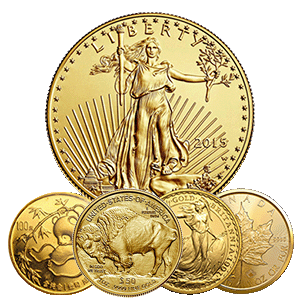
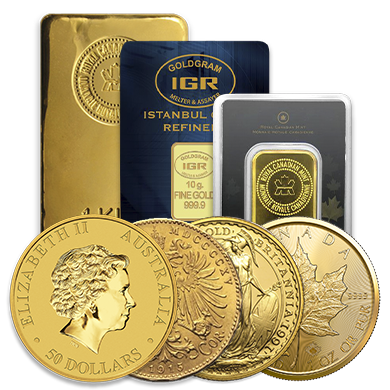
Gold bullion is a broad term that includes bars, rounds, and coins valued primarily for their gold content. Gold coins can be either bullion coins or numismatic (collectible) coins. Bullion coins like American Gold Eagles or Canadian Maple Leafs are minted by governments, contain specific amounts of gold, and trade close to the spot price of gold. Numismatic coins are valued for their rarity, condition, and historical significance in addition to gold content, often selling for much more than their metal value. When investing, most people choose bullion coins for their liquidity and lower premiums over spot price.
How to buy gold bullion?
You can buy gold bullion from reputable online dealers, local coin shops, or directly from mints. When buying online, choose established dealers with transparent pricing, secure payment options, and insured shipping. Compare prices across dealers to find competitive premiums over spot price. Decide whether you want bars, rounds, or coins based on your budget and storage preferences. Verify the dealer's return policy and authenticity guarantees. At Pacific Precious Metals, we offer a straightforward purchasing process with secure checkout, competitive pricing, and fully insured shipping to ensure your gold arrives safely.
Where to store gold bullion?
Gold bullion can be stored at home in a quality safe, in a bank safety deposit box, or at a professional precious metals depository. Home storage offers immediate access but requires a good safe and adequate home insurance coverage. Bank safety deposit boxes provide security at low cost but have limited access hours and may not be insured for full value. Professional depositories offer maximum security, full insurance, and easy buying and selling, though they charge annual storage fees. Many investors use a combination, keeping some gold accessible at home and storing larger holdings in secure facilities.
What sizes does gold bullion come in?
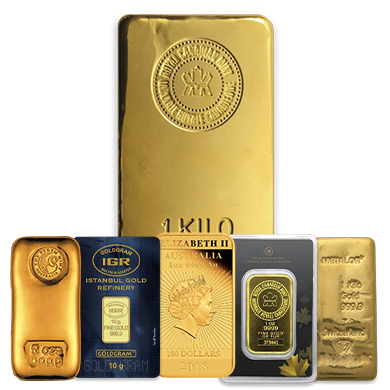
Gold bullion bars typically range from 1 gram to 1 kilogram (32.15 troy ounces), with popular sizes including 1 oz, 10 oz, and 100 gram bars. Gold bullion coins are commonly available in 1 oz, 1/2 oz, 1/4 oz, and 1/10 oz sizes. Smaller denominations like 1 gram or fractional coins offer affordable entry points and flexibility for future selling, though they carry higher premiums per ounce. Larger bars like 10 oz or 1 kilo offer lower premiums per ounce, making them cost-effective for bigger investments, but may be harder to liquidate partially.
How is gold bullion priced?
Gold bullion is priced based on the current spot price of gold plus a premium. The spot price represents the global market price for immediate delivery of gold and changes constantly during trading hours based on supply, demand, economic conditions, and currency values. The premium covers manufacturing, distribution, dealer overhead, and market conditions, typically ranging from 2-10% over spot. Smaller products and coins generally have higher premiums per ounce than larger bars. Prices are quoted per troy ounce, the standard unit for precious metals (slightly heavier than a regular ounce at 31.1 grams).
How much gold bullion should I own?
Most financial experts recommend allocating 5-15% of your investment portfolio to precious metals like gold bullion, depending on your risk tolerance and financial goals. This provides meaningful diversification and wealth protection without overexposure to a single asset class. Your ideal allocation depends on factors like age, income, existing assets, and economic outlook. Some investors increase gold holdings during times of economic uncertainty or high inflation. Start with what you can comfortably afford and build your position over time through regular purchases, a strategy called dollar-cost averaging.
Is buying gold bullion taxable?
In the US, purchasing gold bullion itself is generally not taxable, though some states charge sales tax on precious metals purchases. However, selling gold bullion at a profit is subject to capital gains tax. The IRS classifies physical gold as a collectible, taxed at a maximum rate of 28% for long-term capital gains (holdings over one year), which is higher than the standard long-term capital gains rate. Dealers are required to report certain large transactions to the IRS using Form 1099-B. Consult a tax professional for guidance specific to your situation, as tax laws vary by state and individual circumstances.
Can I sell gold bullion back?
Yes, gold bullion is highly liquid and can be sold back to dealers, coin shops, or directly to other buyers. Most reputable dealers, including Pacific Precious Metals, offer buyback programs where they purchase gold at competitive rates based on current spot prices. Government-minted coins like American Gold Eagles typically have the easiest resale process due to their recognition and authenticity. When selling, you'll receive the current spot price minus a small dealer fee. Keep your original packaging and certificates of authenticity, as these can help with resale value and verification.
What purity is gold bullion?
Investment-grade gold bullion typically has a purity of .995 (99.5%) or higher. Most modern gold bullion bars and coins are .9999 fine, meaning they're 99.99% pure gold. Some products like American Gold Eagles are .9167 fine (22-karat), alloyed with small amounts of silver and copper for durability while still containing exactly one troy ounce of pure gold. Canadian Maple Leafs are .9999 fine, among the purest gold coins available. The purity is always stamped on the product along with weight and refiner information. Higher purity doesn't necessarily mean better investment value, as content and weight matter most.
Why is there a premium on gold bullion?
The premium on gold bullion covers the costs of refining, minting, distribution, dealer overhead, and market conditions. Refiners and mints must extract and purify gold, manufacture it into bars or coins, add security features, package products, and distribute them to dealers. Dealers add their markup to cover business operations and profit margins. Premiums vary based on product size (smaller items have higher premiums per ounce), type (coins typically cost more than bars), brand recognition, and market demand. During high-demand periods, premiums increase. While premiums add to initial cost, they're generally recovered when selling, especially for popular products with strong liquidity.