A Morgan silver dollar's value depends on more than the silver it contains. Two coins from the same series can sell for very different prices because of their year, mint mark, and condition.
The U.S. Mint produced Morgan dollars from 1878 to 1904, then resumed production in 1921. Each coin contains silver, but some dates and mint marks are much harder to find than others.
Knowing what separates a common coin from a sought-after one can help buyers and sellers across the United States make a more informed assessment.
What Silver Content Sets the Base Value of a Morgan Dollar?
Morgan dollars contain 90% silver and 10% copper. Each coin holds approximately 0.7734 troy ounces of pure silver. This gives the coin a base metal value, often called its melt value, which changes with the spot price of silver.
For common dates in circulated condition, the silver content can account for much of the coin's value. Rarer dates and better-condition coins may sell for considerably more. Collector demand also plays a part.
In other words, the silver weight gives you a starting point. However, it doesn't tell you what a particular Morgan dollar will sell for.
How the Year Affects Morgan Dollar Value
Certain dates of the Morgan dollar are more readily available than others. For example, coins struck in years with high mintages, such as 1881-S and 1921, are usually more available, while others, like the 1889-CC and 1893-S, are harder to find. They attract greater collector interest.
The original mintage isn't the whole story, either. How many coins survived, particularly in good condition, can affect today's prices. A high-mintage date may still be hard to find in a high grade. Checking the year is a useful first step, but you should consider the mint mark and condition as well.
How Mint Marks Change Morgan Dollar Value
The mint mark on a Morgan dollar appears on the reverse, below the wreath. The coins were struck at five mints: Philadelphia had no mint mark, while New Orleans used O, San Francisco used S, Carson City used CC, and Denver used D. Denver produced Morgan dollars only in 1921.
Carson City dollars often sold for higher prices because fewer were produced, and the mint stopped coin production in 1893. San Francisco and New Orleans prices vary by year and condition.
The mint mark can make a real difference, even between coins from the same year. Check it before comparing prices or deciding what a Morgan dollar might be worth.
How Grade Shapes Morgan Silver Dollar Value
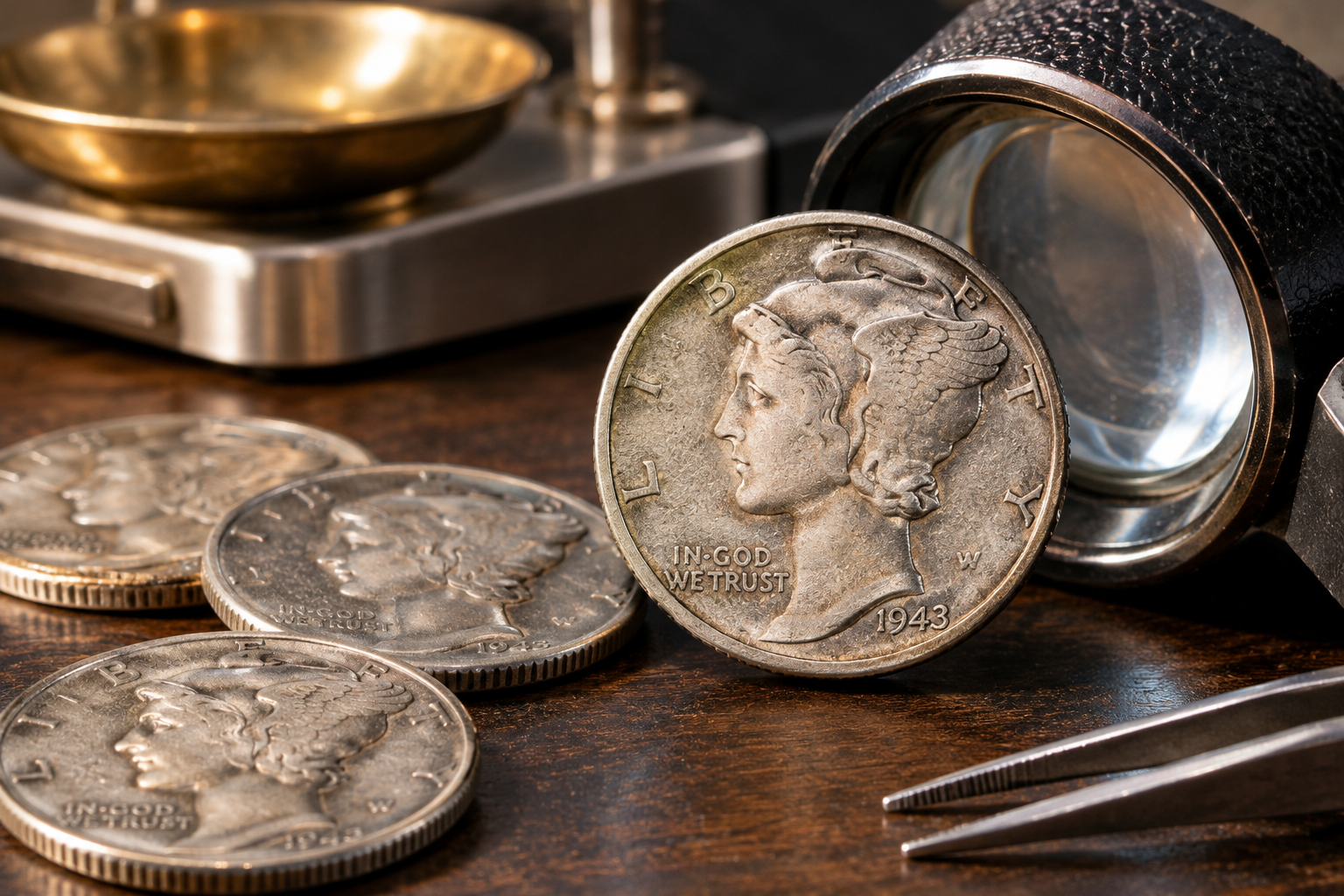
A coin's condition is shown by its grade, which accounts for wear and overall surface condition. The grading scale runs from 1 to 70, and coins that have circulated are graded from Good to About Uncirculated. Coins in Mint State with a grade of MS-60 or above show no signs of wear from circulation.
This matters because collectors usually pay more for coins with better-preserved details and surfaces. With rare dates, even a slight grade difference can create a big price gap. Moreover, cleaning can damage a coin's appeal, since polishing or scrubbing can leave marks that reduce its value to collectors.
How to Check a Morgan Dollar Before Buying or Selling
A few details are worth checking before you estimate a coin's value:
Check the Date: Find the year on the front, below Liberty's bust.
Look for the Mint Mark: Turn the coin over and check below the wreath.
Inspect the Condition: Look for wear on Liberty's hair and cheek, as well as the eagle's breast.
Avoid Cleaning It: Cleaning can leave surface marks and reduce its appeal to collectors.
Compare Similar Coins: Use examples with the same date and mint mark, paying attention to their grades.
Pacific Precious Metals has four Bay Area locations in Sausalito, Palo Alto, Fremont, and Walnut Creek. Owners can buy, sell, and have coins appraised at these stores, including having a Morgan dollar reviewed in person.
Why Morgan Dollars Appeal to Collectors and Investors
Morgan dollars offer several reasons to own them. Their silver content gives them bullion value, while their design, age, and mint history appeal to coin collectors.
Pacific Precious Metals describes its Morgan dollar selection as combining silver bullion value with numismatic appeal. For buyers focused mainly on silver content, common dates in circulated condition may be a practical starting point. Collectors, on the other hand, may be more interested in scarce dates, specific mint marks, or coins in higher grades.
Retirement account rules are another consideration. Most collectible coins do not qualify for a Precious Metals IRA, so buyers should check eligibility requirements before choosing coins for this purpose.
Frequently Asked Questions
How much silver is in a Morgan dollar?
A Morgan dollar contains approximately 0.7734 troy ounces of pure silver. It weighs 26.73 grams and is made of 90% silver and 10% copper.
Which Morgan dollar mint mark is the most valuable?
Carson City (CC) Morgan dollars often carry strong premiums because of their lower mintages and collector demand. However, the date and grade also affect the price, so a CC mark alone doesn't determine a coin's value.
Does grade matter for common-date Morgan dollars?
Yes. Common-date coins in circulated condition often sell closer to their silver value, while examples in higher Mint State grades can command larger premiums.
Should I clean a Morgan dollar before selling it?
No. Cleaning can scratch the surface or leave marks that lower the coin's grade and collector appeal. It's best to leave the coin in its current condition.
Final Thoughts on Pricing a Morgan Dollar
Morgan silver dollar value depends on four main factors: silver content, year, mint mark, and grade. Silver provides a starting value, while rarity, condition, and collector demand help determine what a coin may be worth beyond its metal content.
If you have a Morgan dollar you'd like to assess, you can contact Pacific Precious Metals or visit one of its four Bay Area stores for an in-person review.
Disclaimer: This content is provided by Pacific Precious Metals for educational purposes only and is not financial or tax advice. Precious metals carry risk, including possible loss of principal, so please consult a licensed advisor before investing.