
SILVER COINS FAQ
What are silver coins?
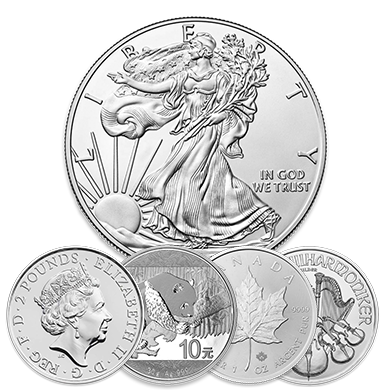
Silver coins are round pieces of silver minted by government or private mints, valued primarily for their silver content. Investment-grade silver coins, also called bullion coins, are produced specifically for precious metals investors and priced based on silver weight plus a premium. Popular examples include American Silver Eagles, Canadian Silver Maple Leafs, and Austrian Silver Philharmonics. These differ from numismatic or collectible silver coins, which derive additional value from rarity, condition, age, and historical significance. Bullion silver coins offer government backing for weight and purity, making them trusted worldwide and highly liquid for buying and selling .
Are silver coins a good investment?
Silver coins provide an accessible entry point into precious metals investing with strong government backing and excellent liquidity. They offer the same wealth preservation and inflation protection benefits as other silver forms, but with added advantages of instant recognition, guaranteed authenticity, and easier resale. Government-minted coins like American Silver Eagles are accepted nationwide by dealers, making liquidation straightforward. While premiums are higher than bars, the difference often pays for itself through better resale prices and faster transactions. Silver coins work particularly well for investors who value portability, divisibility, and the ability to sell small portions of holdings without breaking up larger bars.
What is the most popular silver coin?
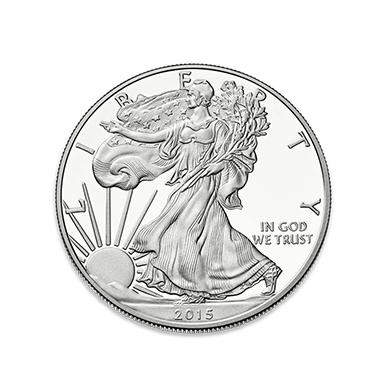
The American Silver Eagle is the most popular silver coin in the United States and one of the most traded worldwide. Minted by the US Mint since 1986, it contains one troy ounce of .999 fine silver, features iconic Walking Liberty and heraldic eagle designs, and carries full government backing. Its popularity stems from widespread recognition, consistent liquidity, IRA eligibility, and trusted authenticity. Dealers nationwide readily buy and sell Silver Eagles, often offering the best buyback rates among silver products. The combination of government guarantee, beautiful design, and market acceptance makes American Silver Eagles the default choice for most US silver investors.
How much are silver coins worth?
Silver coins are worth their silver content based on current spot prices plus a premium. A one-ounce silver coin contains one troy ounce of pure silver, so its base value equals the live silver spot price (typically $24-32 per ounce). Government-minted coins carry premiums of 15-25% over spot to cover production, distribution, and government backing. For example, at $28 spot silver, an American Silver Eagle might sell for $33-35. When selling back to dealers, expect to receive spot price minus a small margin. The exact value fluctuates throughout the trading day as silver prices change based on global market conditions.
What is the difference between silver bullion coins and collectible silver coins?
Silver bullion coins are modern government-minted coins produced primarily for investment, valued for their silver content and trading close to spot price plus modest premiums. Examples include American Silver Eagles and Canadian Maple Leafs, minted in large quantities annually. Collectible or numismatic silver coins derive value from rarity, historical significance, condition, and collector demand, often selling for multiples of their silver content. These include rare dates, limited mintages, proof versions, and historical coins. Bullion coins offer straightforward investing tied directly to silver prices, while collectible coins require expertise to value and can be harder to sell. Most investors focus on bullion coins for simpler, more liquid investments.
What sizes do silver coins come in?
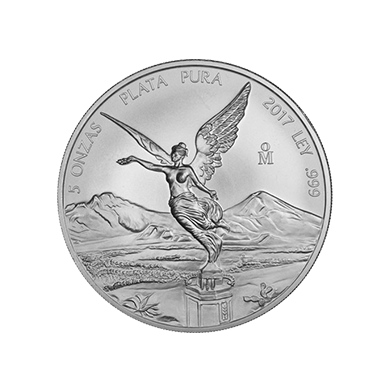
Silver coins are predominantly available in one-ounce size, the industry standard for maximum liquidity and recognition. Government mints like the US Mint, Royal Canadian Mint, and Perth Mint focus primarily on 1 oz coins as their flagship products. Some mints produce fractional silver coins in 1/2 oz, 1/4 oz, and 1/10 oz sizes, though these are far less common than fractional gold coins. A few special releases come in larger sizes like 2 oz, 5 oz, or 10 oz silver coins, often with unique designs that appeal to collectors. For pure investment purposes, one-ounce coins offer the best combination of affordability, low premiums, and easy resale.
Can you sell silver coins?
Yes, silver coins are highly liquid and among the easiest precious metals to sell. Government-minted coins like American Silver Eagles, Canadian Maple Leafs, and Austrian Philharmonics are instantly recognized by dealers nationwide. Expect to receive current spot price minus a dealer margin, typically 5-8% under spot, though Silver Eagles often command better rates due to high demand. Local coin shops and online dealers both purchase silver coins readily. Larger quantities may receive better per-ounce pricing. Many dealers, including Pacific Precious Metals, operate buyback programs with transparent pricing. Silver coins generally sell faster and at better rates than generic silver bars or rounds due to their government backing and widespread recognition.
Are silver coins pure silver?
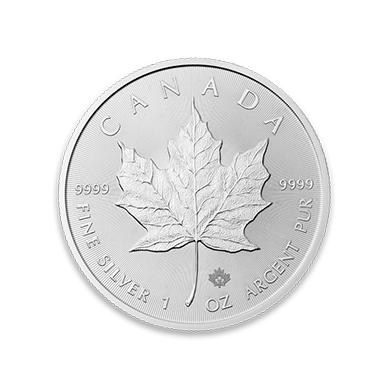
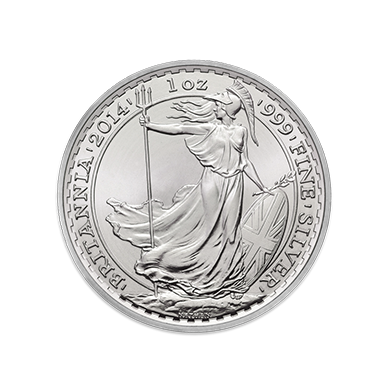
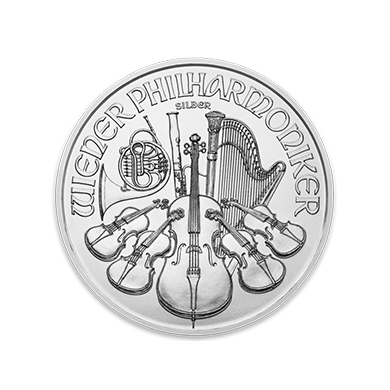
Most investment-grade silver coins contain .999 fine silver (99.9% pure). American Silver Eagles and Austrian Philharmonics are .999 fine, containing exactly one troy ounce of pure silver. Canadian Silver Maple Leafs are .9999 fine (99.99% pure), among the purest silver coins available. British Silver Britannias are also .999 fine. The small percentage of other metals (typically copper) provides durability for handling and circulation without significantly affecting value or purity rating. All government-minted bullion coins clearly stamp their purity on the coin alongside weight and country of origin. This high purity standard ensures coins meet international investment-grade requirements.
How are silver coins priced?
Silver coin pricing starts with the spot price of silver (the current global market rate per ounce) multiplied by the coin's silver content. To this base value, dealers add a premium covering government minting costs, distribution, dealer overhead, and market demand. Government-minted coins typically carry 15-25% premiums over spot, higher than bars but justified by guaranteed authenticity and superior liquidity. Premium percentages vary based on the specific coin (American Silver Eagles often carry higher premiums), market conditions, and quantity purchased. During high demand or supply constraints, premiums can increase significantly. Total cost equals spot silver price plus premium, with both components clearly itemized by reputable dealers.
What are the best silver coins to buy for investment?
American Silver Eagles top the list for US investors due to nationwide recognition, government backing, IRA eligibility, and strongest liquidity. Canadian Silver Maple Leafs offer slightly lower premiums with higher purity (.9999 fine) and advanced security features. Austrian Silver Philharmonics provide competitive premiums with European recognition. British Silver Britannias feature unique designs and .999 purity. For pure investment purposes, focus on one-ounce government-minted coins from major countries that guarantee weight and purity. American Silver Eagles command the best resale prices in the US market despite sometimes higher initial premiums. Avoid proof or collectible versions unless specifically interested in numismatics, as bullion versions offer better value for investment purposes.
Do silver coins tarnish?
Yes, silver naturally tarnishes when exposed to air and sulfur compounds, developing a darker patina over time. This tarnishing is a surface reaction and doesn't affect the silver content or investment value of bullion coins. Many investors actually prefer the natural patina as it confirms authenticity. To minimize tarnishing, store coins in airtight containers, coin capsules, or tubes. Avoid handling coins directly with bare hands, as skin oils accelerate tarnishing. Some collectors use anti-tarnish strips in storage. While tarnish can be removed with silver polish, this isn't necessary for bullion coins since dealers buy based on silver content, not appearance. Tarnishing is cosmetic and doesn't reduce the coin's value or silver weight.
Are American Silver Eagles better than other silver coins?
American Silver Eagles offer specific advantages for US investors, including unmatched domestic recognition, government backing by the US Mint, IRA eligibility, and the strongest resale market in the United States. Dealers nationwide readily buy Silver Eagles, often at better rates than other silver coins. However, "better" depends on your priorities. Canadian Maple Leafs offer higher purity (.9999 vs .999) and sometimes lower premiums. Austrian Philharmonics and British Britannias may have competitive pricing. For US-based investors prioritizing easy resale and maximum liquidity, Silver Eagles are hard to beat despite sometimes higher initial premiums. For investors seeking lowest premiums or highest purity, other options might suit better. All major government silver coins are excellent investment choices.
What is the premium on silver coins?
Government-minted silver coins typically carry premiums of 15-25% over silver spot price, higher than bars or rounds but justified by government guarantees, superior liquidity, and widespread recognition. American Silver Eagles often have premiums at the higher end (20-25%) due to strong demand and US government backing. Canadian Maple Leafs, Austrian Philharmonics, and British Britannias generally range 15-20% over spot. Premiums fluctuate based on market demand, production capacity, and supply availability. During periods of high investor demand or mint production constraints, premiums can expand to 30-40% or more. When you sell, strong demand for government coins means you typically recover most or all of the premium during similar market conditions.
Where to buy silver coins?
Purchase silver coins from reputable online precious metals dealers, local coin shops, or directly from government mints (though mints often sell through authorized dealers). Online dealers typically offer wider selection and more competitive pricing due to lower overhead. Compare premiums across multiple dealers for identical coins. Verify dealer credentials through Better Business Bureau ratings and customer reviews. Look for transparent pricing showing spot price and premium separately. At Pacific Precious Metals, we offer government-minted silver coins with competitive premiums, secure checkout, and fully insured shipping. Local coin shops provide immediate possession but may have higher premiums. Avoid eBay or unknown sellers for bullion purchases due to counterfeit risks.
How to store silver coins?
Store silver coins in a cool, dry location away from humidity and air exposure to minimize tarnishing. Individual coins can be kept in protective capsules or flips. Multiple coins store efficiently in original mint tubes, which typically hold 20 one-ounce coins. For larger collections, use a quality home safe bolted to the floor and ensure adequate homeowner's insurance coverage. Bank safety deposit boxes offer secure storage with limited access. Professional depositories provide maximum security with full insurance and segregated storage, ideal for substantial holdings. Consider airtight containers and anti-tarnish strips to slow patina development. Many investors keep some coins accessible at home for liquidity while storing larger quantities in secure facilities.