
SILVER BARS FAQ
What are silver bars?
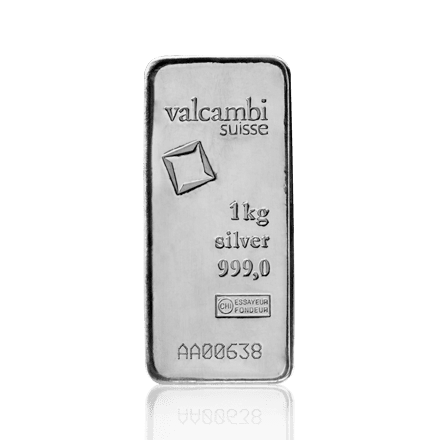
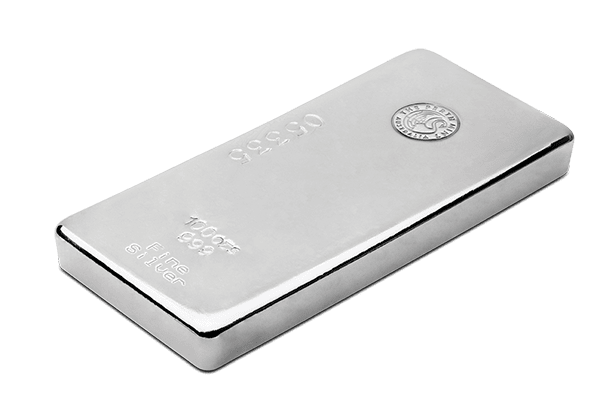
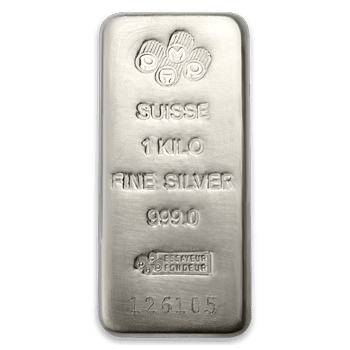
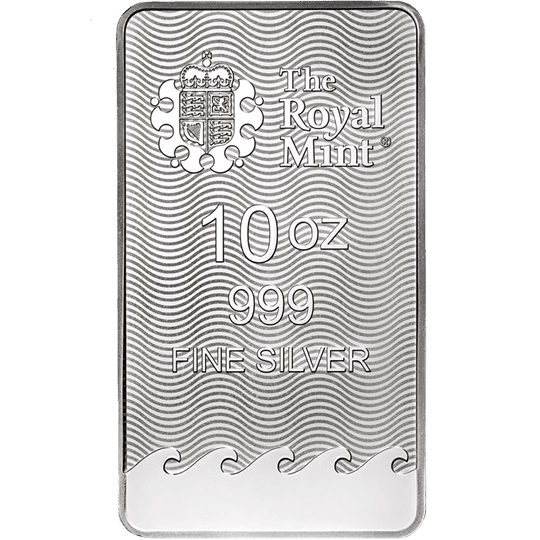
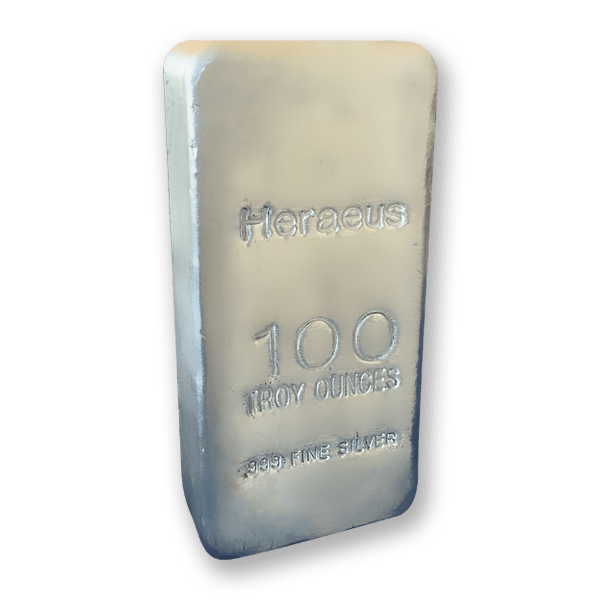
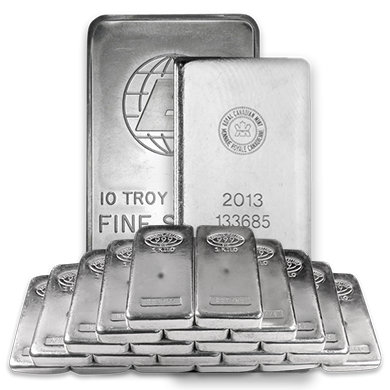
Silver bars are rectangular pieces of refined silver produced by mints and refineries for investment purposes. They range from small 1 oz bars to large 1,000 oz institutional bars, with popular retail sizes including 1 oz, 10 oz, and 100 oz. Silver bars are stamped with weight, purity (typically .999 fine), and the refiner's or mint's mark. Unlike coins, bars have no face value or legal tender status, making them valued purely for silver content. This simplicity translates to lower premiums than coins, allowing investors to acquire more silver per dollar spent. Bars offer an efficient way to build substantial silver holdings.
Are silver bars a good investment?
Silver bars excel for investors prioritizing maximum silver accumulation at minimum cost. They carry the lowest premiums in the silver market, typically 10-15% over spot compared to 15-25% for coins, meaning you get more actual silver for your investment dollar. This cost efficiency compounds significantly when building larger positions over time. Bars work particularly well for long-term holders focused on ounce accumulation rather than frequent trading. The tradeoff is slightly lower liquidity compared to government coins, though bars from recognized refiners still sell readily. For investors building core silver positions and willing to sacrifice some convenience for better pricing, bars provide optimal value.
How much do silver bars cost?
Silver bars cost the current spot price of silver multiplied by weight, plus a premium. At a spot price of $28 per ounce, a 1 oz bar might cost $30-32 (roughly 10-15% premium), a 10 oz bar around $290-310 ($29-31 per ounce), and a 100 oz bar approximately $2,850-2,950 ($28.50-29.50 per ounce). Larger bars generally offer lower per-ounce costs due to economies of scale in production. Bars from premium brands like PAMP Suisse or Engelhard may carry slightly higher premiums than generic bars. Market conditions affect premiums, with high demand periods seeing increased markups. Silver bar pricing offers the most cost-effective way to invest in physical silver.
What sizes do silver bars come in?
Silver bars range from tiny 1 oz bars perfect for beginners to massive 1,000 oz institutional bars. Popular retail sizes include 1 oz (most accessible), 5 oz, 10 oz (highly popular balance of affordability and value), and 100 oz (serious investor favorite). Some refiners produce 1 gram, 50 oz, and 1 kilo (32.15 oz) bars. Smaller bars like 1 oz offer flexibility and low entry cost but carry higher premiums per ounce. Larger bars like 100 oz provide significantly lower premiums and efficient storage but require more capital and must be sold whole. Most investors favor 10 oz bars for their ideal combination of manageable size, good premiums, and strong liquidity.
What is the difference between silver bars and silver coins?
The primary differences lie in production source and market positioning. Silver coins are minted by governments, carry legal tender status and face values, and include government guarantees for authenticity. Silver bars are produced by private refiners and mints, have no face value, and are valued purely for silver content. This translates to practical differences: coins offer superior recognition and liquidity but cost more (15-25% premiums), while bars maximize silver per dollar with lower premiums (10-15%) but slightly less convenience when selling. Coins suit investors valuing easy transactions and instant recognition. Bars appeal to those focused on accumulating maximum silver weight efficiently.
Are silver bars pure silver?
Investment-grade silver bars are typically .999 fine, meaning 99.9% pure silver. This is the industry standard for silver bars from reputable refiners like Sunshine Minting, Asahi, and Engelhard. Some premium refiners produce .9999 fine bars (99.99% pure), matching the highest purity coins. The small percentage of other metals (usually copper) results from the refining process and doesn't significantly impact value. Purity is clearly stamped on each bar alongside weight and the refiner's hallmark. All recognized refiners maintain strict purity standards to meet investment-grade requirements and ensure worldwide acceptance. Always verify purity markings and purchase from established refiners to guarantee stated silver content.
Can you sell silver bars?
Yes, silver bars sell readily through precious metals dealers, though the process may require slightly more verification than coins. Bars from recognized refiners like Engelhard, Johnson Matthey, Sunshine Minting, and Asahi sell most easily. Expect payouts at spot price minus dealer margins, typically 5-10% under spot depending on brand recognition and bar size. Larger bars (100 oz) may have a smaller buyer pool than 10 oz or smaller sizes. Generic or unknown brand bars may face additional scrutiny or slightly lower offers. Keep bars in original packaging with any assay certificates to streamline sales. Dealers value bars for silver content, so condition matters less than authenticity and weight verification.
What are the best silver bar brands?
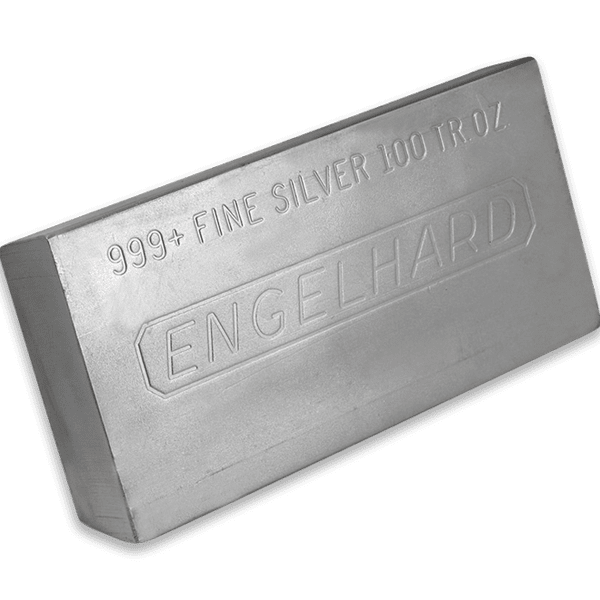
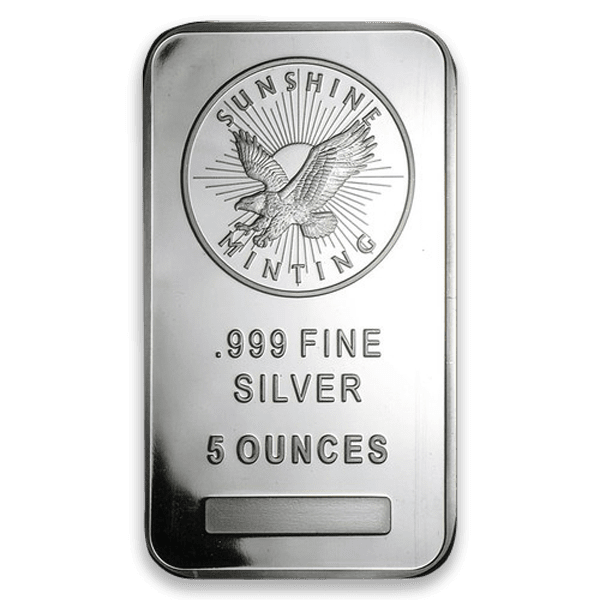
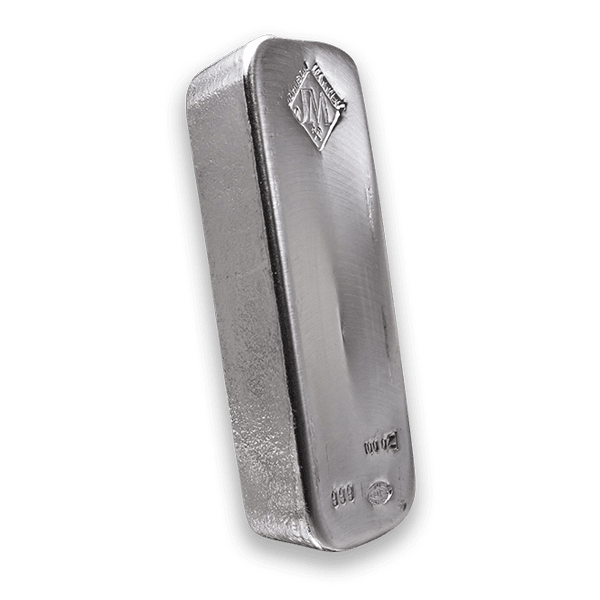
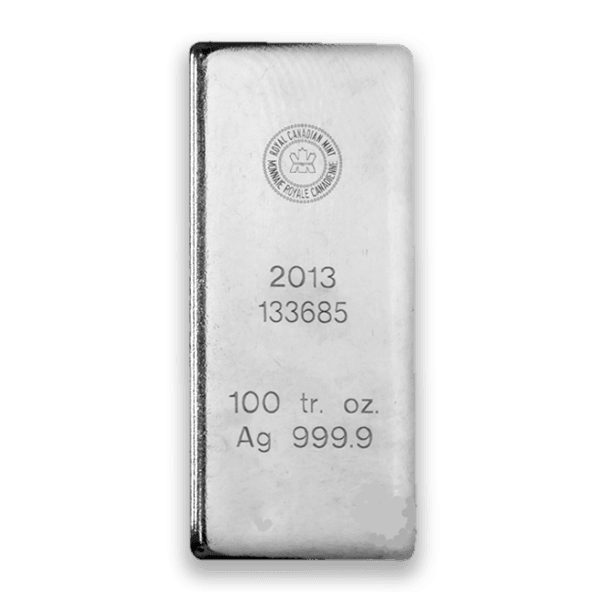
Top silver bar brands include Engelhard (historic refiner with strong collector following), Johnson Matthey (renowned for quality and recognition), Sunshine Minting (known for security features like MintMark SI), Asahi Refining (excellent reputation and quality), and Royal Canadian Mint (government-backed bars). Other respected names include Geiger Edelmetalle, Scottsdale Mint, and Golden State Mint. For maximum liquidity and resale confidence, choose bars from established refiners with clear hallmarks and recognized reputations. Engelhard and Johnson Matthey vintage bars often command premiums due to collector interest. Generic bars from unknown sources may be harder to authenticate and sell, so stick with recognized refiners for best results.
How are silver bars priced?
Silver bar pricing follows a straightforward formula: spot price per ounce multiplied by bar weight, plus a premium. Spot prices fluctuate continuously during trading hours based on global silver markets, industrial demand, and investment flows. Premiums on bars are the lowest in the silver market, typically 10-15% over spot, covering refining, production, distribution, and dealer margins. Larger bars have lower percentage premiums due to production efficiencies (a 100 oz bar might be 8-12% over spot, while a 1 oz bar runs 12-18%). Premium brands may cost slightly more but offer better resale. During high demand, premiums expand but bars still maintain their cost advantage over coins.
Do silver bars have serial numbers?
Many silver bars feature serial numbers, especially those from established refiners and bars weighing 10 oz or more. Serial numbers serve as unique identifiers for tracking, authentication, and quality control. They're typically stamped or engraved on the bar and may match numbers on accompanying assay certificates or protective packaging. Not all bars have serial numbers, particularly smaller generic 1 oz bars, though premium brands often include them even on small bars. Serial numbers add security and can facilitate resale by confirming authenticity and provenance. When available, record serial numbers for your records. Their presence generally indicates a higher-quality product from a reputable refiner committed to traceability.
Are larger silver bars cheaper per ounce?
Yes, larger silver bars offer significantly lower per-ounce costs due to production economies of scale. A 1 oz bar might carry a 15-18% premium, while a 10 oz bar runs 12-15%, and a 100 oz bar may be only 8-12% over spot. On a $28 spot price, this means paying $32-33 per ounce for small bars versus $30-31 for 100 oz bars, saving $2-3 per ounce. Over 100 ounces, that's $200-300 in savings. The tradeoff is higher upfront capital requirements and reduced flexibility since large bars must be sold whole rather than in portions. For serious investors building substantial positions, larger bars provide optimal cost efficiency, while smaller bars offer better divisibility.
What purity are silver bars?
Investment-grade silver bars are standardly .999 fine (99.9% pure silver), the universal benchmark for silver bullion products. This purity level meets all investment and trading requirements worldwide. Some premium refiners produce .9999 fine bars (99.99% pure silver), though .999 remains the industry norm for bars. The purity is stamped prominently on each bar alongside weight and refiner's mark. The small fraction of other metals results from natural refining limits and doesn't meaningfully affect value or tradability. Unlike coins where purity varies more widely, bars maintain consistent .999 or higher purity across virtually all reputable refiners, providing reliable silver content for investment purposes.
Where to buy silver bars?
Purchase silver bars from established online precious metals dealers, local coin shops, or directly from some refiners. Online dealers typically offer the widest selection and most competitive pricing on bars from multiple refiners. Compare premiums across dealers for identical products and bar sizes. Verify dealer credentials through Better Business Bureau ratings, industry memberships, and customer reviews. Look for clear pricing breakdowns showing spot price and premium separately. At Pacific Precious Metals, we offer silver bars from trusted refiners with competitive premiums, transparent pricing, and fully insured shipping. Local shops provide immediate possession but may have limited inventory and higher premiums. Always confirm authenticity guarantees and return policies before purchasing.
How to store silver bars?
Store silver bars in a secure location protecting against theft and environmental damage. For home storage, use a quality safe bolted to the floor or wall, sized appropriately for silver's bulk (silver requires significantly more space than gold of equivalent value). Ensure homeowner's insurance covers full replacement value. Bank safety deposit boxes work for smaller quantities but verify size availability since bars take considerable space. Professional depositories offer maximum security with full insurance and segregated storage options, ideal for larger holdings like 100 oz bars. Store bars in original packaging or protective sleeves to maintain condition and facilitate future sales. Consider splitting holdings between accessible home storage for liquidity and secure facility storage for larger quantities.
Do silver bars tarnish?
Yes, silver bars naturally tarnish when exposed to air and sulfur compounds, developing a darker patina over time. This surface oxidation is normal and doesn't affect silver content, weight, or investment value. Dealers buy bars based on silver content verified by weight and testing, not appearance. Many investors actually view natural tarnish as an authenticity indicator. To slow tarnishing, store bars in airtight containers or sealed plastic, use anti-tarnish strips, and minimize air exposure. Avoid handling bars directly with bare hands as skin oils accelerate the process. While tarnish can be removed with silver cleaning products, this isn't necessary for investment bars and may even reduce value if cleaning damages stamped markings or removes original patina that confirms age.