A $20 gold coin can look like a simple piece of old American currency. In reality, its value can come from two very different places: the gold inside the coin and the collector market surrounding it.
That distinction matters with the two major U.S. $20 gold coin designs, the Liberty Head Double Eagle and the Saint-Gaudens Double Eagle. Both contain about 0.9675 troy ounces of gold, but their market values can vary widely based on date, mint mark, condition, rarity, and collector demand.
What Is a $20 Gold Coin?
The U.S. $20 gold coin, commonly called a Double Eagle, was a major gold denomination produced from the mid-19th century through 1933.
Two designs are especially important:
Coin | Years Minted | Designer | Gold Content |
Liberty Head Double Eagle | 1850–1907 | James B. Longacre | 90% gold |
Saint-Gaudens Double Eagle | 1907–1933 | Augustus Saint-Gaudens | 90% gold |
Both coins weigh about 33.4 grams and contain approximately 0.9675 troy ounces of pure gold. Scarce dates and high-grade examples can also carry collector premiums.
Liberty Head vs. Saint-Gaudens Double Eagle
The designs make these two Double Eagles easy to distinguish.
Liberty Head Double Eagle: Liberty appears in profile wearing a coronet marked LIBERTY. The reverse features an eagle with UNITED STATES OF AMERICA and TWENTY DOLLARS.
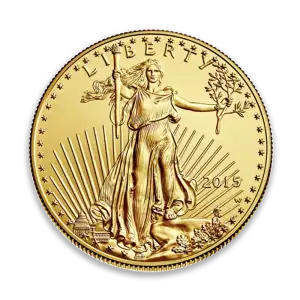
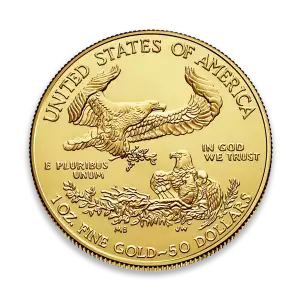
Saint-Gaudens Double Eagle: Liberty faces forward holding a torch and olive branch, while the reverse shows a flying eagle against a sunrise. The design was introduced in 1907.
Both can have significant 20 dollar gold coin value, but design alone does not determine the price.
What Determines 20 Dollar Gold Coin Value?
The 20 dollar gold coin value starts with its gold content. Both major Double Eagle types are 90% gold and contain about 0.9675 troy ounces of pure gold, so their bullion value closely tracks current gold prices.
Collector value can add another layer.
Date and Mint Mark
Some dates had much lower mintages than others. The mint mark shows where the coin was struck and can help identify less common issues. Mintage is a useful starting point, but a low mintage does not automatically make a coin rare.
Condition and Grade
Two coins from the same year can have different values based on condition. Collectors look at wear, surface marks, luster, detail, and overall preservation. Certified grades can also make comparisons easier.
Rarity and Collector Demand
Mintage is only part of the 20 dollar gold coin value equation. The number of surviving coins and collector demand also matter.
The 1921 Saint-Gaudens Double Eagle is a good example. More than 500,000 were minted, but relatively few are known to survive today, making the date particularly scarce.
How Do You Check Your $20 Gold Coin?
Before trying to estimate the value of an old gold coin, identify the basics:
Design: Liberty Head or Saint-Gaudens
Date: Found on the obverse
Mint mark: Usually located on the reverse
Weight: Around 33.4 grams for an authentic Double Eagle
Condition: Look for wear, scratches, damage, and remaining detail
Certification: Check if the coin has been graded by a recognized grading service
Avoid cleaning an old gold coin. Scratches or altered surfaces can affect its collector appeal, and cleaning can make an otherwise desirable coin harder to evaluate.
Frequently Asked Questions
How much gold is in a $20 gold coin?
A Liberty Head or Saint-Gaudens Double Eagle contains approximately 0.9675 troy ounces of pure gold because the coin is 90% gold.
Are all $20 gold coins worth the same?
No. Date, mint mark, condition, rarity, and collector demand can create substantial differences between individual coins.
How can I tell if my $20 gold coin is rare?
Start with the date and mint mark, then compare the coin with reliable numismatic references. Professional authentication can be useful for coins that appear scarce or valuable.
Should I clean an old $20 gold coin?
No. Cleaning can damage the surface and reduce collector appeal. Leave the coin in its existing condition for evaluation.
Can I sell a Liberty Head or Saint-Gaudens Double Eagle?
Yes. Both types are traded in the precious-metals and numismatic markets. The selling price depends on the coin's gold content, current gold prices, condition, rarity, and collector demand.
Finding the Value of Your $20 Gold Coin
A $20 gold coin is more than an old denomination stamped on metal. Its value can reflect its gold content, history, condition, and collector demand. Pacific Precious Metals can evaluate gold coins based on their metal content and condition. A professional assessment can give you a clearer picture of a coin’s potential value before you sell.
Disclaimer: This content is provided by Pacific Precious Metals for educational purposes only and is not financial or tax advice. Precious metals carry risk, including possible loss of principal, so please consult a licensed advisor before investing.