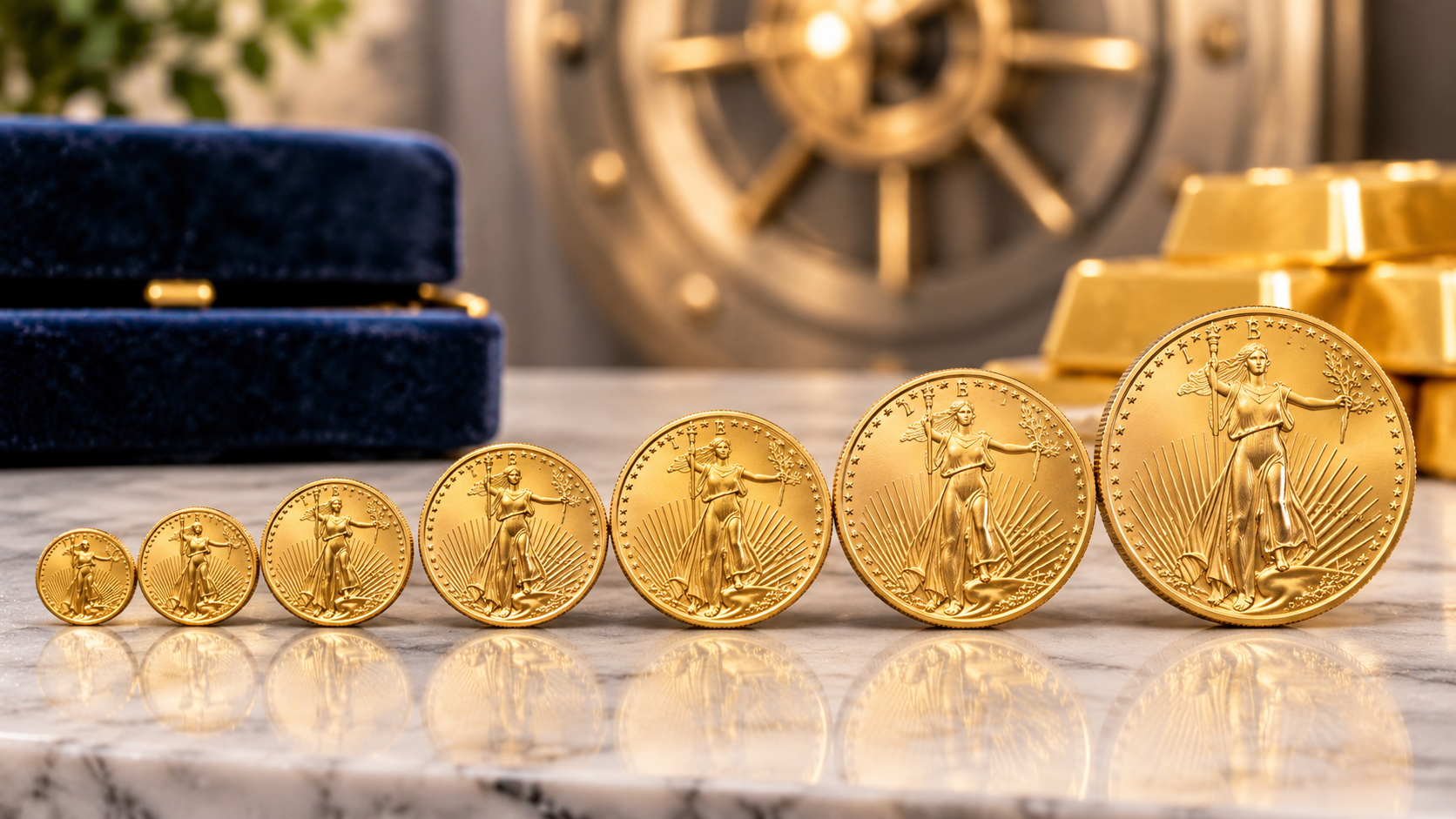
Not every gold coin weighs the same, and that difference matters when you're deciding what to buy. A smaller coin costs less upfront, while a larger one usually offers a lower premium per ounce. The size can also affect how much flexibility you have when selling part of your collection.
In the U.S. market, gold coin sizes range from small 1/10 oz pieces to one-ounce coins and larger options.
Here's a closer look at the available weights, their costs, and what to consider before buying gold coins.
What Are the Standard Gold Coin Sizes?
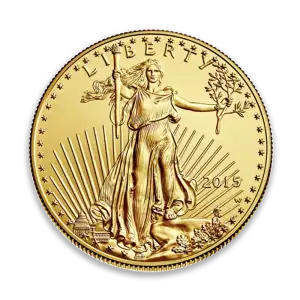
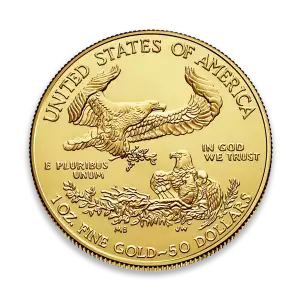
Modern bullion gold coins are available in four standard weights: 1 ounce, one-half ounce, one-quarter ounce, and one-tenth ounce. The American Gold Eagle is offered in all four sizes and remains a favorite with buyers in the United States.
The amounts indicated are the quantities of pure gold in each coin, expressed in troy ounces. For instance, a 1 oz American Gold Eagle contains one troy ounce of pure gold, even though the coin is composed of a 22-karat alloy.
There are smaller options, too. Some mints produce 1/20 oz and 1 gram gold coins for buyers who prefer to start with less gold.
Fractional and One-Ounce Gold Coins Compared
1/10 oz Gold Coins
If you are not ready to spend a large sum on gold, a 1/10 oz coin is a sensible starting point: it contains just over 3 grams of gold and is a fairly affordable option compared to larger coins. Moreover, its small size makes it easy to store.
The 1/10 oz American Gold Eagle is popular with new buyers and those buying gold as a gift. However, you usually pay more per ounce for fractional coins than for larger ones.
1/4 oz and 1/2 oz Gold Coins
The 1/4 oz and 1/2 oz options offer a middle ground. They contain more gold than a 1/10 oz coin but cost less upfront than a full-ounce coin.
Someone who wishes to build up their gold bit by bit can afford a coin weighing one quarter of an ounce. A half-ounce coin may interest people who want more but don't want to pay for a full ounce all at once. Likewise, both sizes offer flexibility if you decide to sell later, since you can sell one coin rather than your entire gold holding.
The American Gold Eagle comes in both weights. Availability varies by year, so check current inventory before deciding which size to buy.
1 oz Gold Coins
Many gold buyers prefer the one-ounce coin. It typically has a lower premium per ounce than fractional coins, and dealers throughout the U.S. widely recognize popular bullion issues.
According to Pacific Precious Metals, premiums on popular one-ounce coins generally range from 3% to 8%.
Common choices include the American Gold Eagle, American Gold Buffalo, and Canadian Gold Maple Leaf. Their gold purity differs: the Buffalo and Maple Leaf are .9999 fine gold, while the Gold Eagle is .9167 fine. Despite that difference, each one-ounce coin contains one troy ounce of pure gold.
What Sizes Exist Beyond 1 oz and Below 1/10 oz?
There are other options besides the four standard weights. Some mints issue 1/20 oz and 1 gram coins for people who want to buy small quantities of gold at a time. This can make the first cost easier to manage, even though the premium per ounce may be higher.
Older US gold coins work differently: before 1933, they were issued based on dollar values rather than current bullion-weight standards, so their gold content doesn't correspond to a simple fraction of a troy ounce.
Here are four examples:
$20 Double Eagle: Approximately 0.9675 troy ounces of gold.
$10 Eagle: Approximately 0.48375 troy ounces.
$5 Half Eagle: Approximately 0.24187 troy ounces.
$2.50 Quarter Eagle: Approximately 0.12094 troy ounces.
Some international mints also produce gold coins weighing more than one ounce. These larger pieces may appeal to buyers making substantial purchases, but availability depends on the mint and the specific coin.
How to Choose the Right Size for Your Budget and Goals
The right size depends on how much you want to spend, why you're buying gold, and whether you may need to sell some of it later.
Consider these common situations:
Starting Small: A 1/10 oz or 1/4 oz Gold Eagle lets you buy gold without paying for a full ounce at once.
Paying a Lower Premium Per Ounce: One-ounce coins generally offer lower premiums than fractional options.
Keeping Your Options Open: Holding a combination of one-ounce and fractional coins gives you more flexibility if you want to sell only part of your collection.
Buying for a Retirement Account: American Gold Eagles and American Gold Buffalos are IRA-eligible, subject to applicable requirements. Confirm eligibility with your custodian before buying.
You don't have to choose just one size. Some buyers start with smaller coins and add larger ones as their budget allows.
Frequently Asked Questions
What sizes do gold coins come in?
Common bullion gold coin sizes include 1 oz, 1/2 oz, 1/4 oz, and 1/10 oz. Some mints also produce 1/20 oz and 1 gram coins. One-ounce coins are popular because they generally have lower premiums per ounce and are widely recognized by dealers.
Which gold coin size is best for beginners?
A 1/10 oz or 1/4 oz coin can be a good starting point if you want to keep the initial cost down. Buyers with a larger budget may prefer one-ounce coins because their per-ounce premiums are generally lower.
Do smaller gold coins cost more per ounce?
Yes, they generally do. Pacific Precious Metals reports premiums of around 10% to 20% per ounce for fractional coins, compared with 3% to 8% for popular one-ounce coins.
Can gold coins of any size go in an IRA?
No. Only eligible coins that meet IRS requirements can be held in a self-directed Precious Metals IRA.
Picking the Gold Coin Size That Fits Your Goals
A smaller coin can make gold more affordable, while a one-ounce coin usually offers a lower premium per ounce. The best option depends on your budget, how much gold you want to own, and how much flexibility you need if you decide to sell.
If you prefer to browse from home, explore the full gold coins collection online or call the team.
Disclaimer: This content is provided by Pacific Precious Metals for educational purposes only and is not financial or tax advice. Precious metals carry risk, including possible loss of principal, so please consult a licensed advisor before investing.