That jar of old silver coins in your drawer holds more potential than you might think. Maybe you inherited a handful of worn dimes. Maybe you have a stack of bullion rounds you no longer want. Either way, you have options beyond simply letting them sit and gather dust.
Upcycling and recycling silver coins lets you turn idle metal into something useful, whether that is a piece of jewelry, refined silver, or cash in hand. Done right, it can be good for your wallet and good for the planet.
This blog is to help you do it the smart way. You will learn the difference between upcycling and recycling, how to protect value along the way, and why silver is such an eco-friendly metal to begin with.
Upcycling vs Recycling: What Is the Difference?
The two terms sound similar but mean different things. Recycling silver means melting and refining the metal so it can be reused in new products. The coin disappears, but the silver lives on in a fresh form.
Upcycling means repurposing a coin into something of equal or greater value without fully destroying it. Think pendants, rings, cufflinks, or framed keepsakes. The coin stays recognizable and gains new life as an object.
Both paths keep silver in use rather than wasted. Your choice depends on whether you want to preserve the coin's look or reclaim its raw metal. Many people start by sorting their silver coins into keepers and candidates.
Protect the Value Before You Melt or Modify
This step is the most important one in the whole process. Never melt or alter a coin before checking its worth. Some coins are worth far more than their silver content because of rarity, age, or condition.
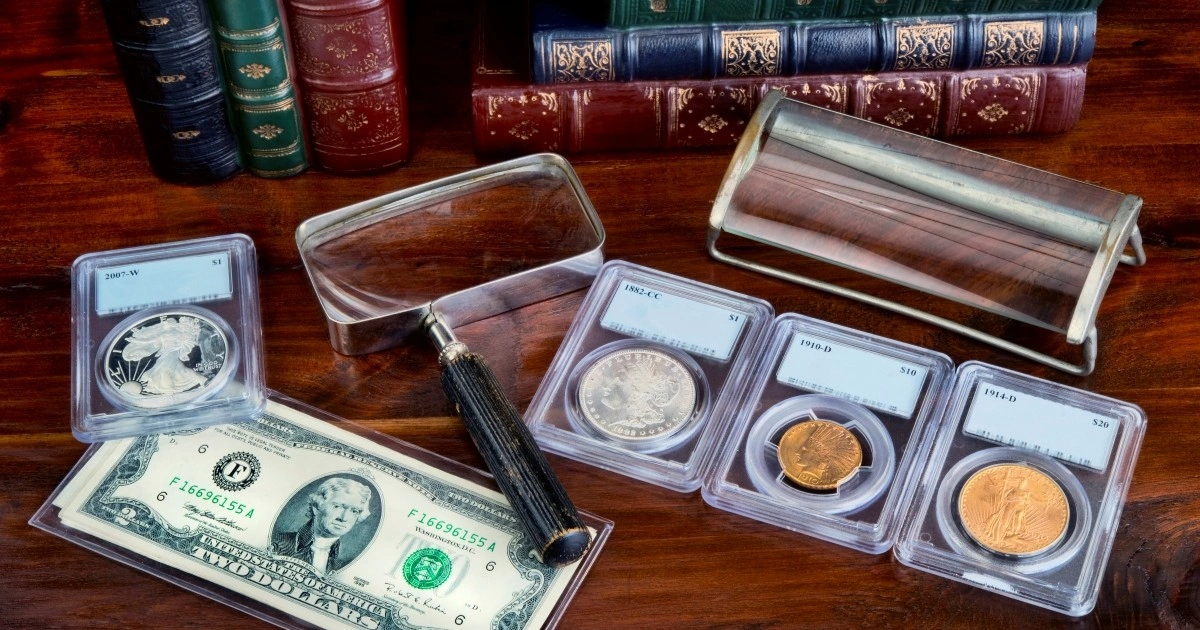
Collectible and numismatic pieces draw their silver coin value from history, not weight. Melting a rare coin can destroy a large premium in an instant. Before touching anything, brush up on a few coin collecting tips and have valuable pieces reviewed.
Professional assaying confirms metal content, while a jewelry appraisal helps value finished pieces. Independent grading from groups like PCGS can also flag a coin that should be preserved rather than melted.
The Legal Side of Melting Silver Coins
A quick fact eases a common worry. In the United States, melting silver coins for their metal is generally legal, as long as you are not trying to defraud anyone. Federal law only restricts coin alteration done with fraudulent intent.
There is one clear exception. The United States Mint prohibits melting pennies and nickels under a rule adopted in 2006, because their base metal can be worth more than face value. That ban does not apply to silver coins.
Most pre-1965 U.S. dimes, quarters, and half dollars contain 90% silver, which is exactly why they are so popular for recycling. You can compare these classic U.S. silver coins to modern bullion before you decide what to do.
Why Silver Recycling Is Eco-Friendly
Silver is one of the most recycling-friendly metals on earth. It can be melted and refined over and over with no loss of purity, so the same silver can serve countless lifetimes.
Recycling silver also reduces demand for newly mined metal. Mining consumes energy, water, and land, so reusing existing silver shrinks that footprint. These environmental benefits of recycling make secondhand silver a quietly sustainable choice.
Choosing recycled metal is a small but real act of sustainable investing. It keeps valuable resources circulating instead of buried in a drawer. Whether you stack silver bullion or craft keepsakes, reuse keeps silver working and supports smarter, eco-friendly practices.
Frequently Asked Questions
Should I melt my old silver coins?
Only after checking their value. Common bullion or worn coins are fine to recycle, but rare coins are usually worth far more intact.
Is it legal to melt silver coins in the US?
Yes, melting silver coins for their metal is generally legal without fraudulent intent. Only pennies and nickels are banned from melting.
How do I know if a silver coin is collectible?
Look at age, rarity, mint marks, and condition, then confirm with a grading service. Pre-1965 U.S. silver coins are common starting points.
Make the Most of Your Silver With Pacific Precious Metals
Old silver coins are never just clutter. With a little care, they become jewelry, refined metal, or value you can put to work elsewhere.
Check the live spot silver price to understand what your metal is worth, and reach out to our expert team for help valuing, refining, or trading your coins. We are here to help you treat every ounce with the respect it deserves.
Disclaimer:
This content is published by Pacific Precious Metals for informational and educational purposes only and is not personalized financial, legal, or tax advice. Coin values and regulations can change over time. Please consult a qualified professional before melting, altering, or selling any coins.