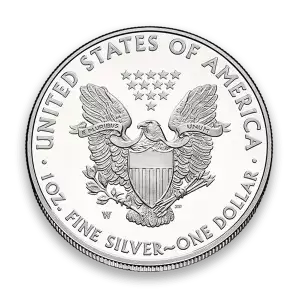
Gold has a reputation as the ultimate safe asset. But not all gold investments are the same. You can hold a heavy coin in your palm, or you can own gold purely as a number on a brokerage screen. Both claim to give you exposure to the same metal, yet they behave in very different ways.
This split is the heart of the physical gold vs paper gold debate. One puts real metal in your hands. The other gives you a financial claim that tracks the gold price. Each comes with its own strengths, costs, and risks.
At Pacific Precious Metals, we help buyers weigh this choice every day. This blog breaks down how physical and paper gold actually differ, so you can pick the approach that fits your goals.
What Is Physical Gold?
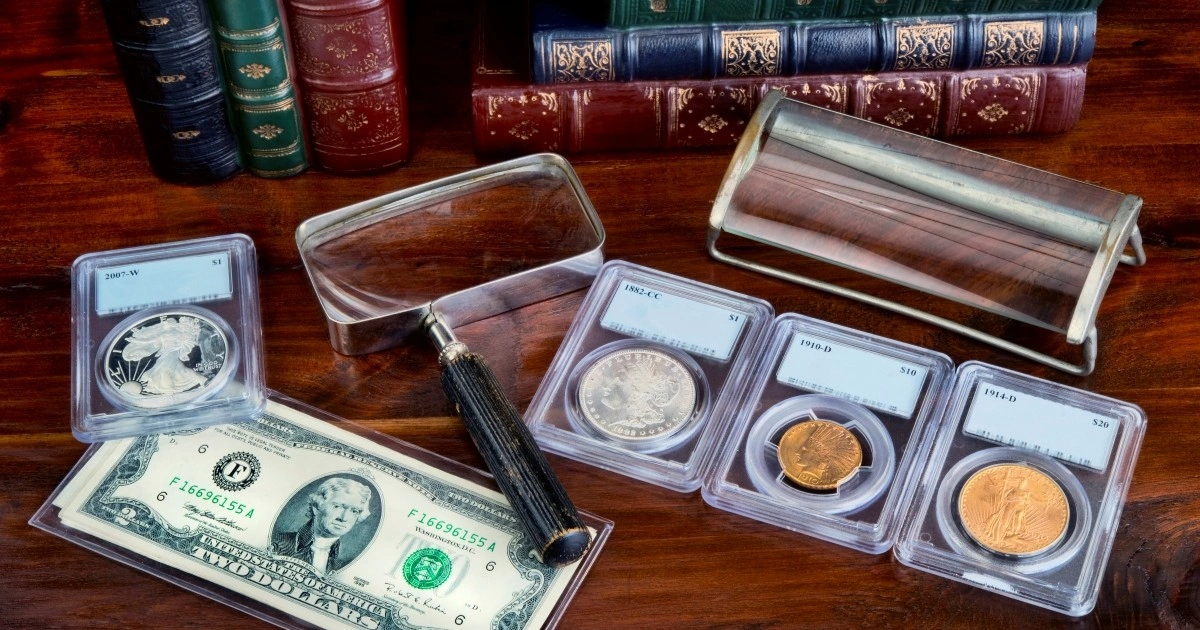
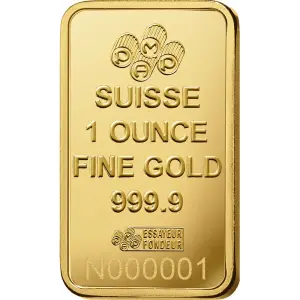
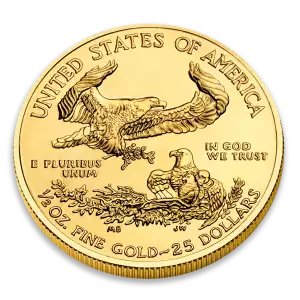
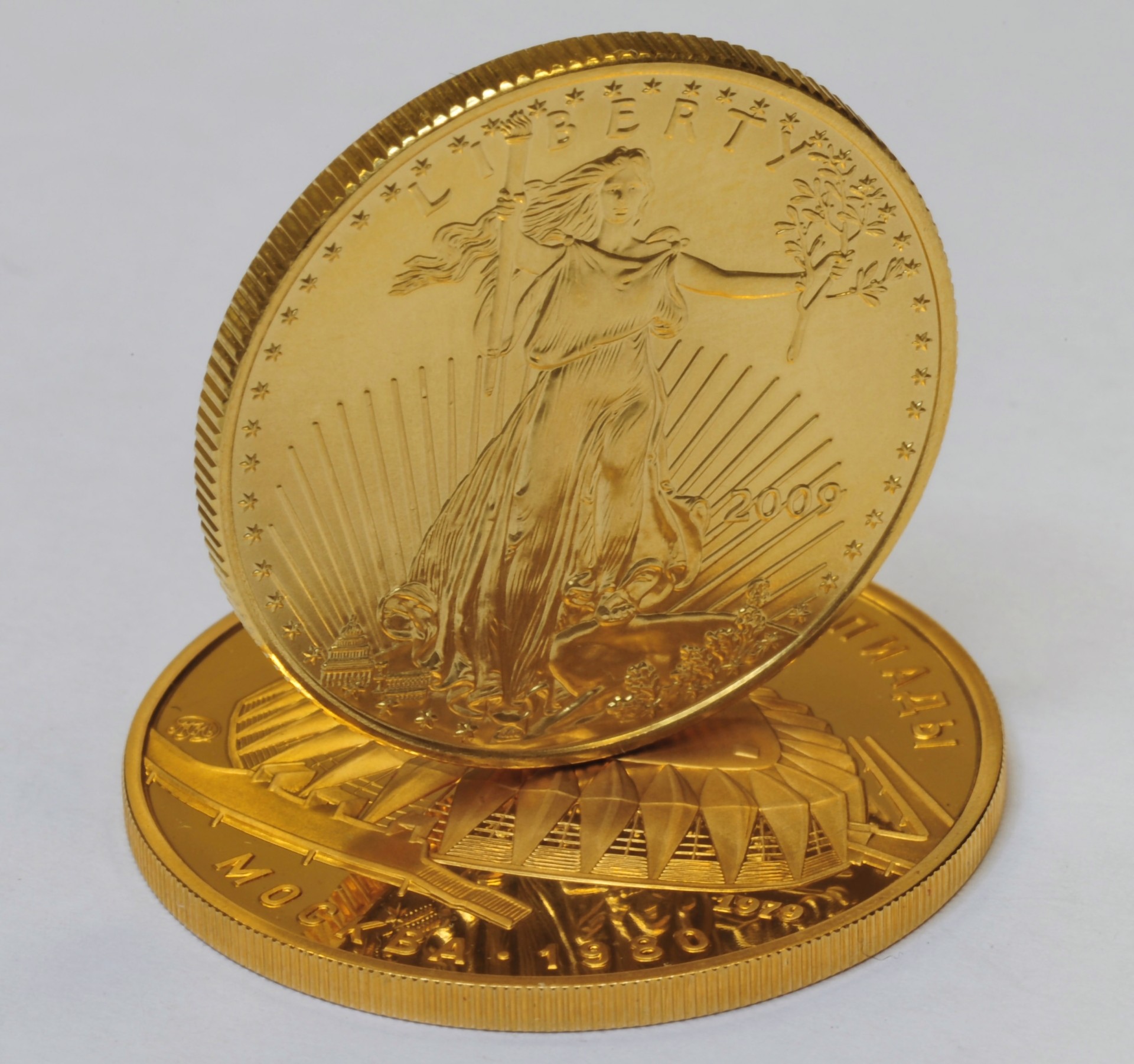
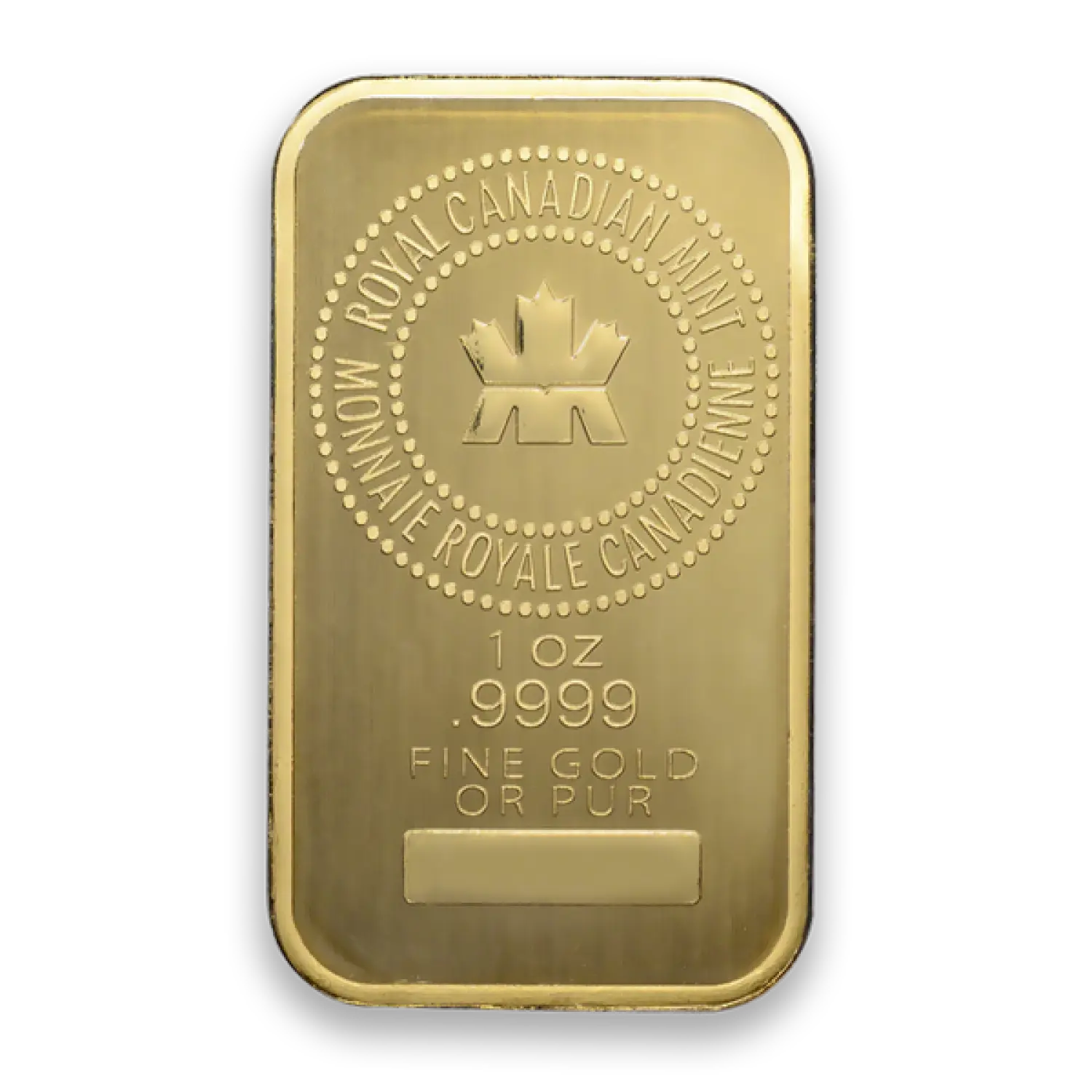
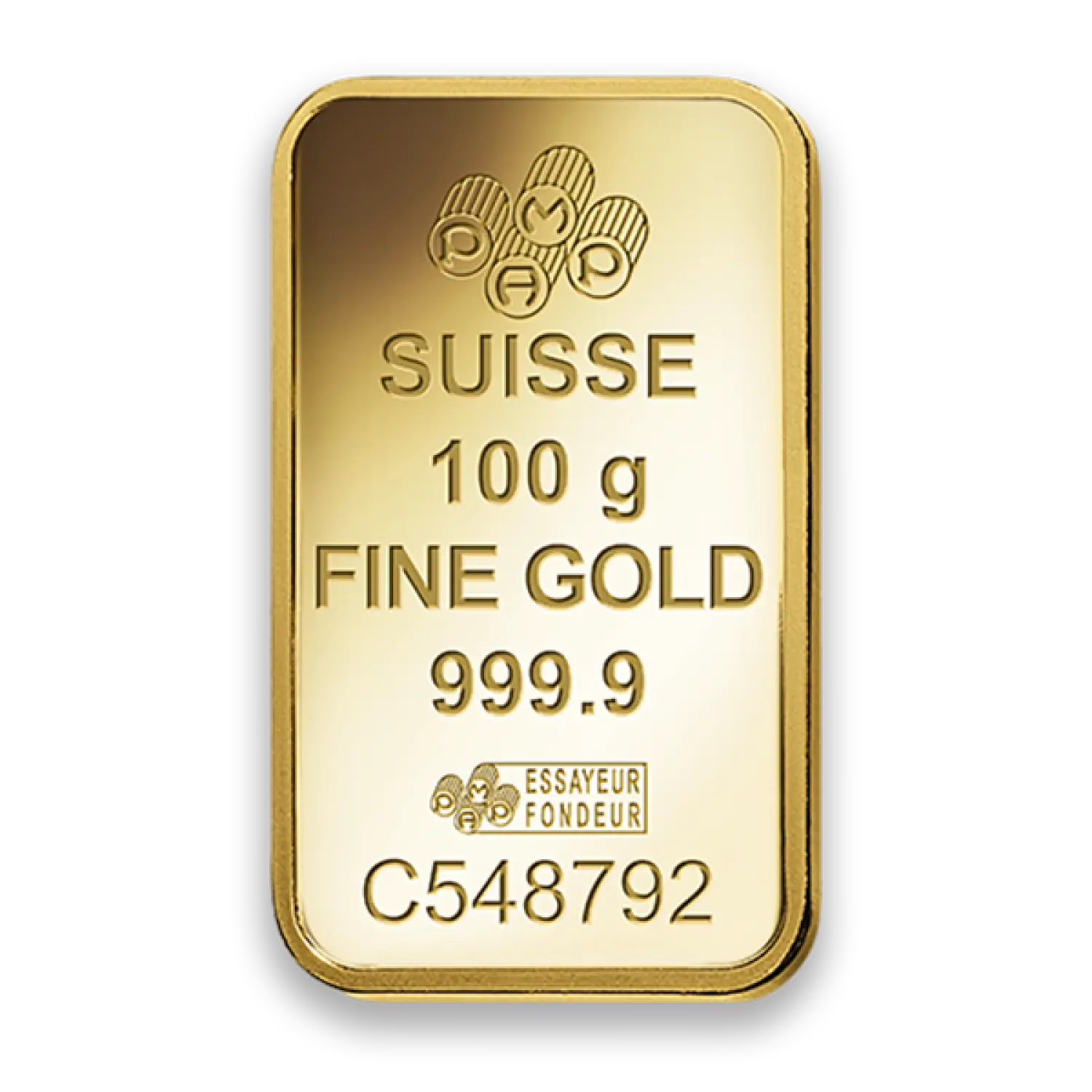
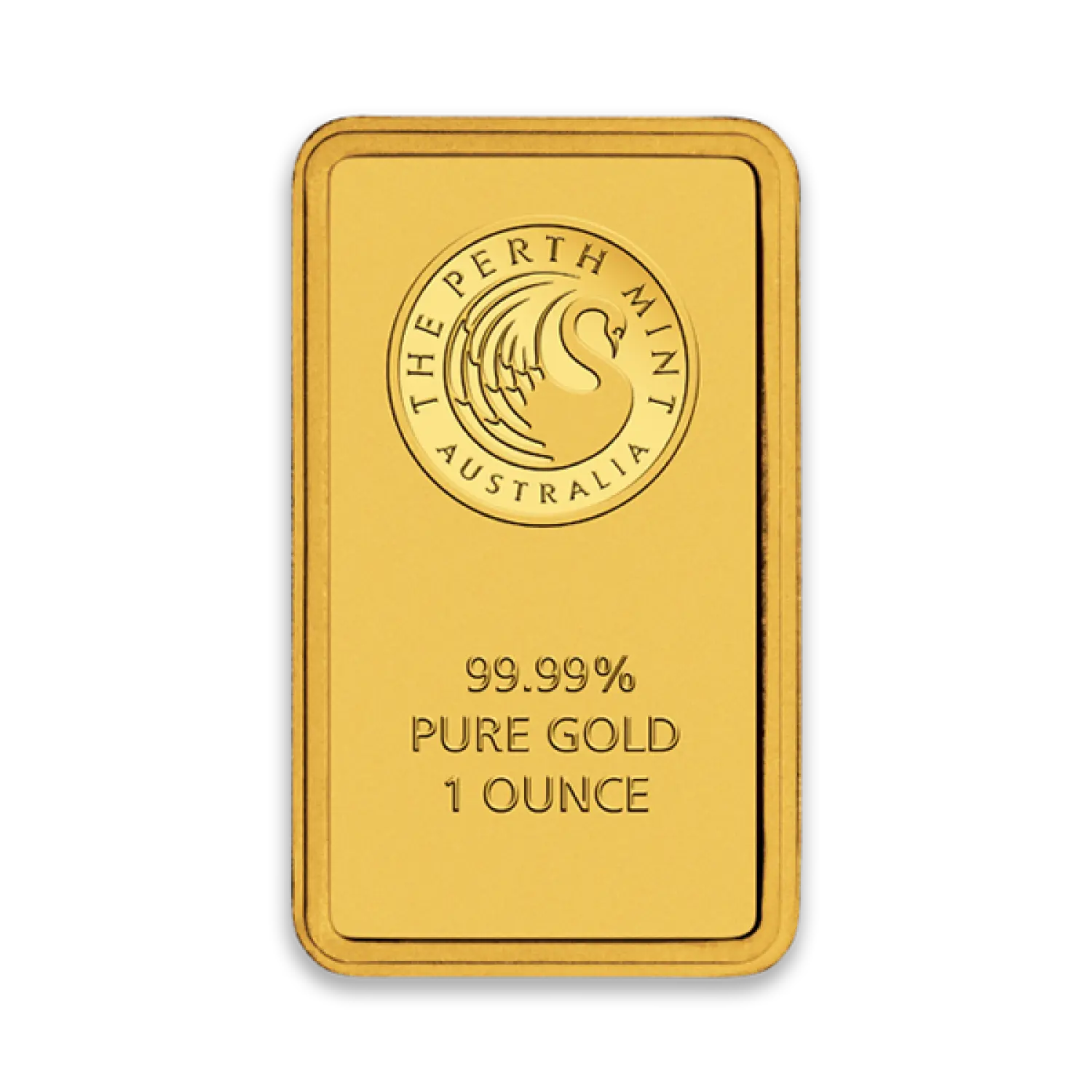
Physical gold is exactly what it sounds like. It is real, tangible metal you own outright. This includes coins, bars, and rounds that you can hold, store, and pass down to family.
When you buy physical gold bullion, you own the asset directly. No bank, broker, or fund sits between you and your metal. That direct ownership is the single biggest reason people choose it. You can keep gold coins in a home safe or store larger gold bars in a secure vault.
The trade-offs are practical. You handle storage, security, and insurance yourself. Buying and selling also carries a premium over the raw spot price to cover minting and distribution.
What Is Paper Gold?
Paper gold is any financial product that tracks the price of gold without handing you the metal. The most common types include exchange-traded funds, gold futures contracts, gold certificates, and pooled accounts. Shares in gold mining companies are sometimes grouped here too, though they carry separate business risks.
The appeal is convenience. You can buy or sell in seconds through a brokerage, with very low transaction costs and no storage to worry about. Exchange-traded funds usually charge a small annual management fee for that ease.
The catch is counterparty risk. With paper gold, your investment depends on an institution honoring its promise. You hold a claim on gold rather than the metal itself.
Physical Gold vs Paper Gold: The Key Differences
The clearest way to compare gold vs paper gold is to consider a few simple factors. Ownership comes first. Physical gold is a real asset with no counterparty. Paper gold is a claim that relies on a third party staying solvent.
Liquidity favors paper in the short term, since you can sell instantly online. Physical gold is highly liquid too, but selling means working with a dealer. Cost structure differs as well. Physical carries an upfront premium, while paper often carries ongoing fees.
Privacy and control lean toward physical. You decide where your metal lives and who knows about it. This precious metals comparison really comes down to what you value most: direct control or screen-based convenience among your financial investment options.

Which Strategy Fits You?
Your goal should drive the decision. If you want long-term wealth preservation and protection from financial-system risk, physical gold is the classic choice. It is the asset you keep no matter what happens to any single institution.
If you want quick exposure to trading or short-term positioning, paper gold can be more practical. Many investors blend both. They use a solid metal core for security, then paper for flexibility.
Steady buyers also like to pair physical gold with dollar cost averaging, purchasing consistently over time. You can even hold qualifying physical metal inside a precious metals IRA for tax-advantaged exposure.
For help building any of these gold investment strategies, our expert team is ready.
Frequently Asked Questions
Is physical gold safer than paper gold?
Physical gold carries no counterparty risk because you own the metal directly. Paper gold depends on an institution honoring your claim.
What counts as paper gold?
Paper gold includes gold ETFs, futures contracts, certificates, and pooled accounts. Each tracks gold's price without giving you the metal.
Can I hold physical gold in a retirement account?
Yes. Qualifying gold that meets IRS purity rules can be held in a precious metals IRA through an approved custodian.
Does paper gold cost less than physical gold?
Paper gold usually has lower upfront costs but often charges ongoing fees. Physical gold has a one-time premium and no recurring management fee.
Build Your Gold Strategy with Pacific Precious Metals
The physical versus paper question is not about right or wrong. It is about matching the format to your own goals, timeline, and comfort with risk.
If owning real metal appeals to you, explore our guide to the top gold bullion products and track the live spot gold price to time your entry. Call our team for a free consultation whenever you are ready to start investing in gold with confidence.
Disclaimer:
This content is published by Pacific Precious Metals for informational and educational purposes only and is not personalized financial or tax advice. Precious metals carry risk, including the possible loss of principal. Please consult a licensed financial or tax professional before making any purchase decision.