Welcome to the exciting world of physical silver. Holding real wealth in your hands is a fantastic feeling. But a confusing roadblock trips up almost every single new buyer. You check the global spot price on a financial chart. Then you look at the price tag on a physical coin. They never match. A gap always sits right between those two numbers.
That gap is the premium.
We at Pacific Precious Metals answer questions about this specific markup every single day. We built this guide to walk you through exactly how pricing works across different physical products. Mastering and understanding the premiums on silver bullion vs silver coins will completely transform how you build your vault. You will stop guessing and start making highly strategic financial moves.
What Is a Premium and How Is It Calculated?
Think of the silver market in two distinct layers. Layer one is the live spot price. This represents the paper price of raw, unrefined metal traded on global exchanges. Layer two is the physical product you actually hold in your hand.
You cannot simply order a chunk of raw dirt directly from a mining company. The metal must undergo heavy refining. It gets melted down and stamped into a perfect shape. Then it requires specialized packaging and highly secure shipping to reach your door safely.
The premium is the specific markup added to the live spot price to cover those real manufacturing and distribution costs. Every physical asset carries one. Tracking these silver bullion premiums helps you understand exactly where your money goes. Always check the live spot silver price before buying anything to establish your pricing baseline.
Why Silver Coins Carry Higher Premiums Than Silver Bars
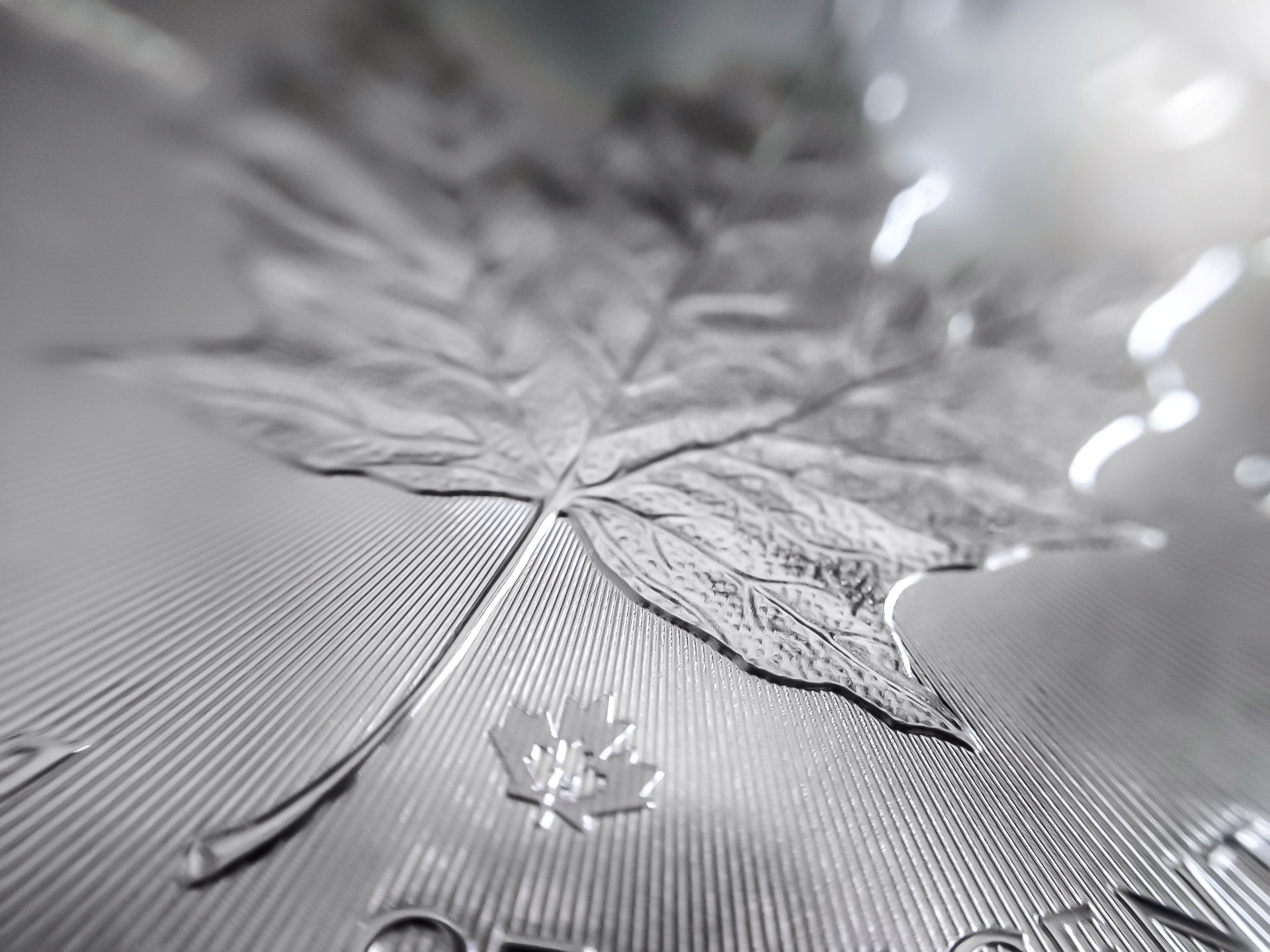
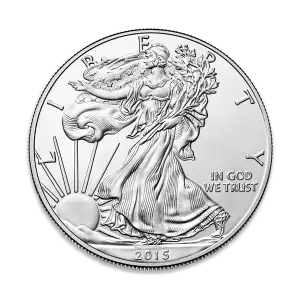
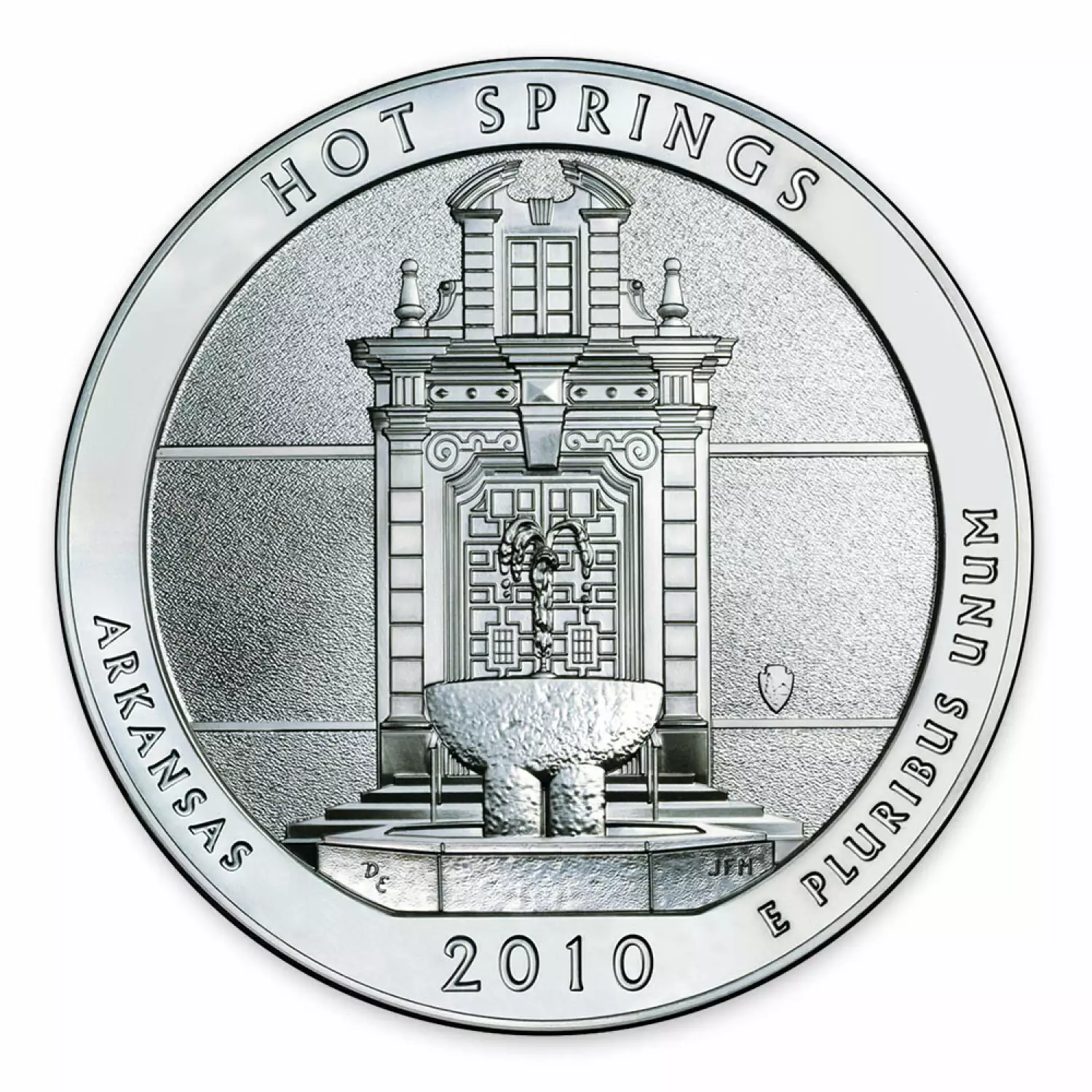
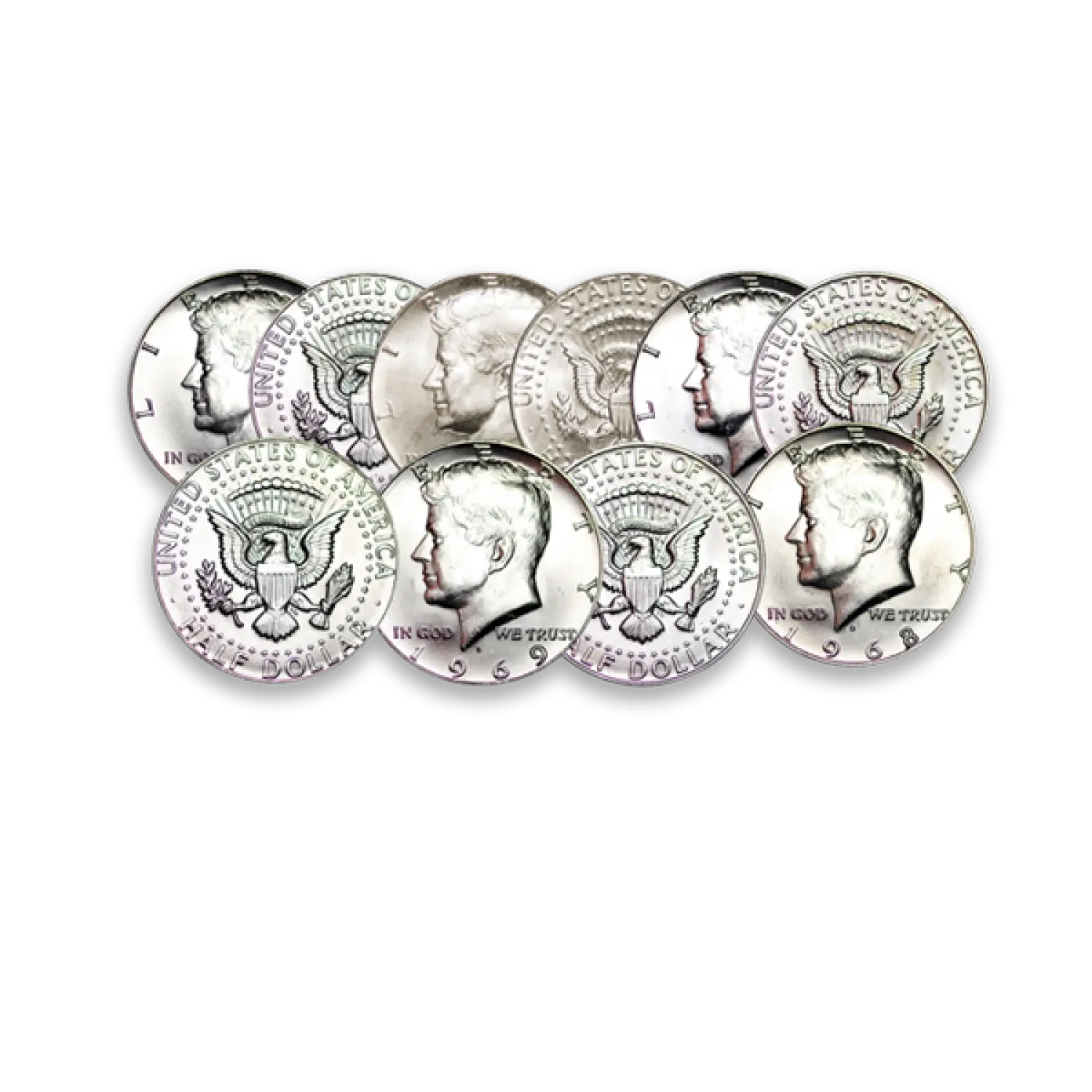
A quick comparison of bullion vs. coins highlights a massive difference in production effort. Government mints produce sovereign coins like the famous American Silver Eagle. These carry an official legal tender face value. The mints also add complex security features to prevent counterfeiting.
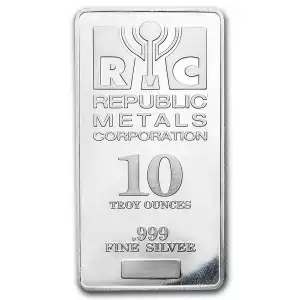
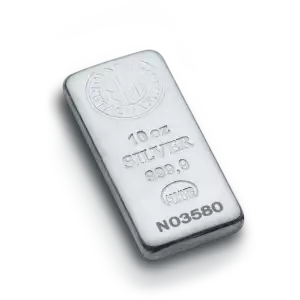
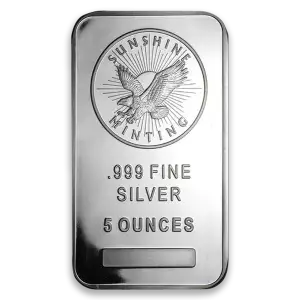
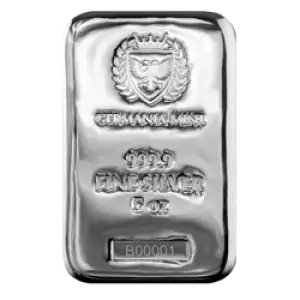
They spend serious money on intricate artwork and strict quality control. Private refineries produce silver bars using either a cast process, in which melted metal is poured into molds for a simpler finish, or a minting process with stamped designs and security features. In both cases, production costs tend to be lower than for sovereign coins, which keeps bar premiums down.
Keep this in mind when buying silver coins for your collection. You pay more upfront for a coin, but you get instant global trust in return. Take a look at our silver coins category to see these beautiful pieces up close.
Market Forces That Cause Premiums to Spike or Compress
Premiums change constantly. A good silver market analysis requires paying close attention to human behavior. When people get scared about inflation or global events, they rush to buy physical metal. Mints simply cannot produce coins fast enough during a public panic.
Retail inventory vanishes almost overnight. This sudden supply crunch causes physical premiums to spike aggressively. The global market recently experienced a massive wave of this exact volatility.
On the flip side, calm markets cause premiums to shrink back down. Dealers compete for your business by lowering their markups when supply is plentiful. Understanding this cycle helps you time your acquisitions perfectly. For tracking major economic trends, the Federal Reserve Economic Data hub provides fantastic free charting tools.
Smart Strategies to Minimize Premiums When Buying Silver
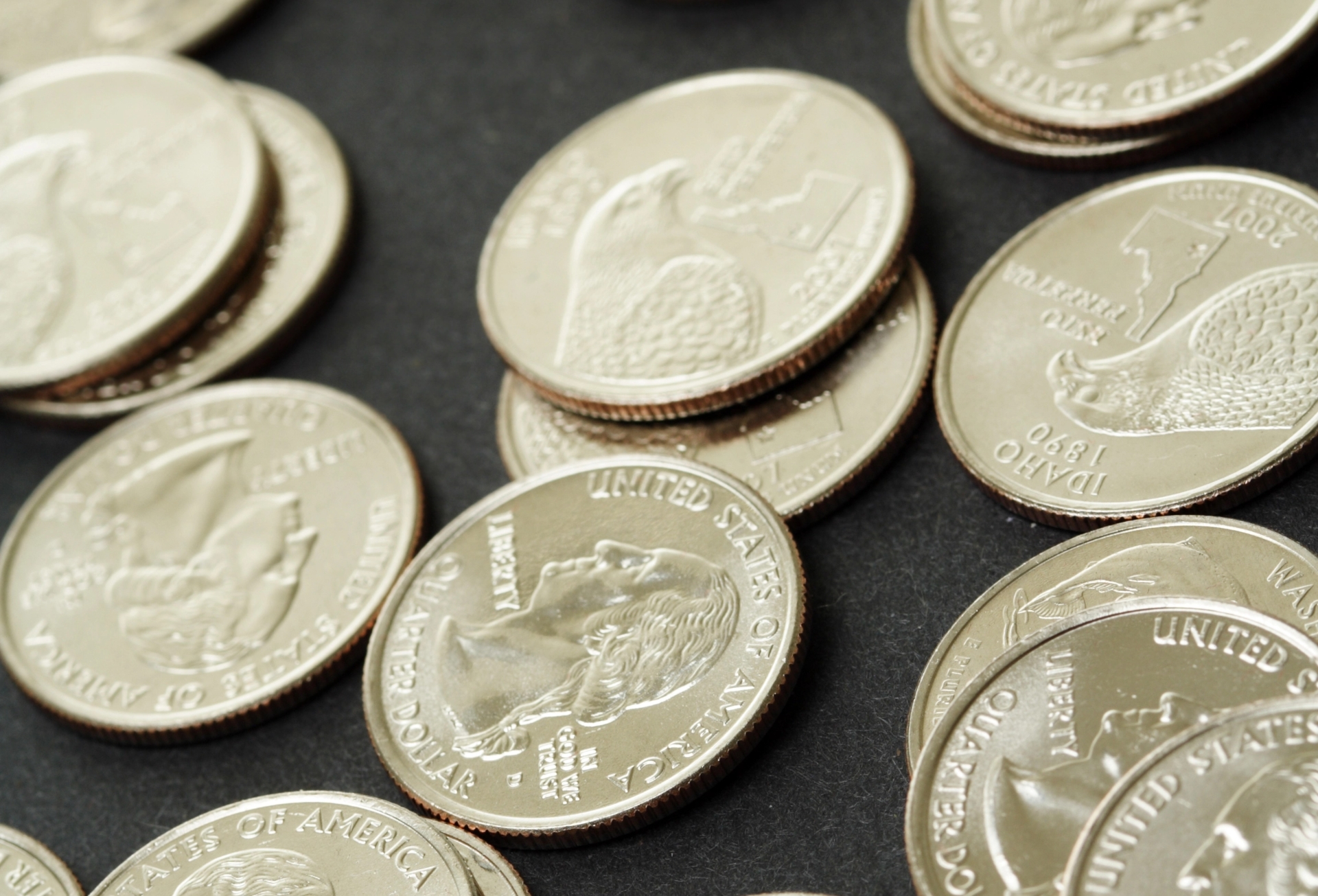
You need strong silver investment strategies to stretch your budget further. The easiest method is to buy larger bar sizes. A ten-ounce or one-kilo bar carries a much lower per-ounce markup than a single one-ounce coin.
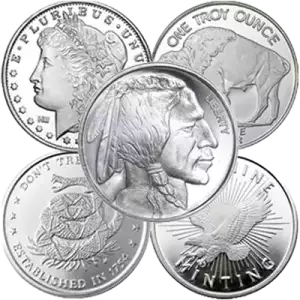
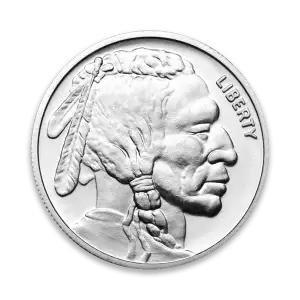
You can also look at generic rounds from private mints. They look just like coins but carry a much smaller markup. We highly recommend using dollar cost averaging. You buy small amounts consistently each month rather than making a single massive purchase.
This habit completely protects you from panic buying during a major premium spike. We suggest keeping a mix of highly liquid sovereign coins right alongside your large bars. Browse our massive silver bars inventory and check our latest silver bullion deals to start building this exact setup.

Frequently Asked Questions About Silver Premiums
Why are American Silver Eagle premiums so high?
The United States Mint guarantees their weight, purity, and legal tender status. That official government backing creates huge demand and higher retail premiums.
Do premiums affect my return when I sell?
Yes, they do. You generally get more of your premium back when selling recognized sovereign coins than when selling generic bars. Generic products usually sell much closer to the raw spot price.
Are silver bullion premiums tax-deductible?
They are not separately deductible. The premium factors directly into your total cost basis for capital gains when you eventually sell. Look at the official IRS guidelines on capital gains for the exact financial rules.
How do I track current silver premiums before buying?
Just compare the retail price against the live spot price on a dealer website. We display real-time pricing next to every product to make this process incredibly easy for you.
Will premiums go down in the future?
Premiums go up and down all the time based strictly on supply and demand. They drop significantly when the market is calm, and mints catch up on production.
Start Shopping Smart at Pacific Precious Metals
Understanding how premiums work is the difference between overpaying and building a highly efficient portfolio. You want to secure the absolute most metal for your money.
We invite you to compare the markups across our entire silver bullion inventory today. Monitor the live spot silver price daily to spot the perfect time to buy. Reach out to our expert team for personalized help with your wealth preservation goals. We are fully equipped to help you execute your physical metal strategy flawlessly.
Disclaimer:
This content is published by Pacific Precious Metals for informational and educational purposes only and should not be considered personalized financial or tax advice. Precious metals investments carry risk, including the potential loss of principal. We encourage you to consult a licensed financial advisor or tax professional before making any purchase or investment decision.