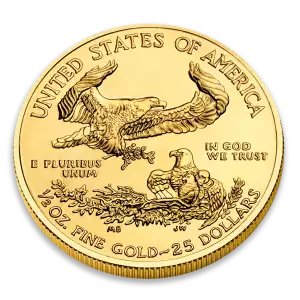
When we talk about building true financial resilience, few assets offer as deep a peace of mind as physical metal. But a common question we hear from both new and experienced buyers is exactly how to measure their financial success. Calculating your returns on gold bullion is fundamentally different from tracking a traditional stock portfolio. Let us clear up the confusion immediately.
Return on Investment (ROI) behaves very differently in the physical metal space. Unlike traditional equities or corporate bonds, physical gold does not pay a quarterly dividend. It never generates yield or interest while sitting quietly in a vault. Instead, your overall return is based purely on price appreciation. You hold a tangible asset, and its underlying value grows naturally as global macroeconomic factors push the baseline price higher.
In this blog, we break down exactly how to calculate your real returns on gold bullion, from the basic ROI formula to factoring in premiums, storage, and shipping.
The Basic Formula to Calculate Gold Returns
Figuring out your gross return is incredibly simple. You just use a standard financial equation:
((Current Value - Purchase Price) / Purchase Price) x 100.
Let us look at a highly straightforward example using real numbers:
Imagine you purchased a one-ounce sovereign coin for $2,000. A few years pass, the global market climbs, and that same coin is now worth $2,500. You'd be able to subtract your initial $2000 purchase price from the current total $2500, leaving you with a $500 gross profit.
You then divide that $500 by your original $2,000 entry point, which equals 0.25. Multiply that result by 100, and you instantly have a 25% gross return.
However, gross return only tells half the story. To understand how much money actually goes back into your pocket upon resale, you must look strictly at your net return.
How to Factor In All Your Costs
To find your true net return, you must carefully calculate your total cost basis. The baseline spot price is never the final price you pay at the retail checkout counter. You must account for the dealer premium. This premium covers the actual costs of minting production, secure distribution, and basic retail overhead.
You also need to factor in your shipping fees, ongoing insurance premiums, and any secure storage costs. If you ignore these extra expenses, your perceived profit margin will look artificially massive. For example, relying on a basic online gold investment return calculator often completely excludes the hidden costs of third-party vault storage.
When you properly add every single physical expense to your initial purchase price, your net return shrinks slightly but becomes entirely accurate. Embracing this honest accounting method is a primary cornerstone of highly effective gold bullion investment strategies.



Tracking Gold Performance Using Spot Price
The spot price represents the exact current market value of one troy ounce of unrefined metal before any retail premiums are attached. Understanding gold markets thoroughly means you need a sharp, consistent eye on the baseline number. It dictates exactly what your overall portfolio is worth at any given moment.
To determine your current holding value, simply multiply the total physical ounces you own by the live spot price. We always recommend tracking this data through official institutional sources or verified tracking tools. You can check live spot pricing directly through the Pacific Precious Metals live market feed.
Short-Term vs. Long-Term Gold Investment Returns
Physical metal is famously volatile on a day-to-day basis. If you try to day-trade physical coins, retail premiums and sudden market dips will quickly erase your capital. This asset acts strictly as a long-term gold investment.
We view physical gold as a highly defensive wealth preservation tool. It is absolutely not a quick lottery ticket. Historical performance shows that over multi-year and multi-decade periods, gold protects purchasing power brilliantly against severe inflation. Deep patience allows you to ride out short-term volatility and capture significant upside over time.
Comparing Gold Bullion Returns Against Other Assets
When analyzing bullion versus other investments, you must consider your overall portfolio health. Cash actively loses value every single year due to inflation. Bonds often offer terrible yields during shifting interest-rate environments. Equities offer massive growth potential, but they carry severe counterparty risk and heavy exposure to sudden market crashes.
Gold serves as your ultimate financial anchor. Historically, it has maintained a very low or negative correlation with paper assets. When the stock market bleeds heavily, your physical vault often holds steady or climbs. According to research from the World Gold Council, this asset class effectively reduces overall portfolio volatility.
Diversification is incredibly critical here. We highly recommend building a robust portfolio using heavy gold bars for pure weight accumulation. You then layer highly liquid sovereign gold coins on top for instant accessibility.
Tools and Habits to Monitor Your Gold Investment
You absolutely do not need a degree in finance to track your success. Just keep a simple, highly organized investment log. Record your exact purchase dates, the spot price at the exact time of purchase, the total retail premiums paid, and any insured shipping fees.
Monitor the spot price consistently, but review your overall returns periodically. Checking your vault's exact market value every single morning only creates unnecessary emotional stress. We at Pacific Precious Metals highly encourage our clients to review their physical holdings quarterly or annually.
If you ever need assistance with safely liquidating your assets or want to learn more about acquiring and storing gold, please reach out to us.