People walk into our offices every day looking for a safe place to put their hard-earned money. They know physical metals are a smart move, but right out of the gate, they hit a wall of confusing terminology. The biggest question we get is whether they should be buying silver bullion bars or silver coins.
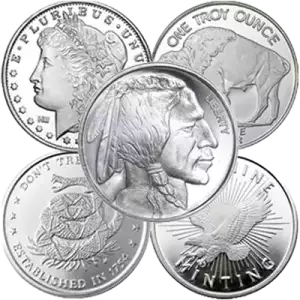
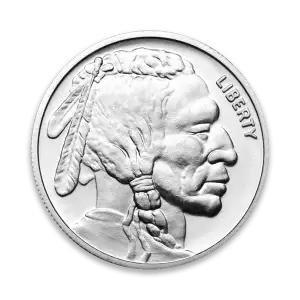
Technically speaking, the word "bullion" just means any investment-grade physical metal. However, in the everyday retail world, buyers use the term "bullion" to mean privately minted silver bars, while "coins" refers exclusively to government-minted legal tender. Getting this distinction right matters immensely. If you are trying to grow your wealth, your choice between these two formats will dictate how fast you accumulate actual ounces, how much you pay upfront, and how easily you can cash out down the road.
Let us break down the real-world differences so you can buy with total confidence.
How Premiums Work and Why They Affect Your Returns
The actual return you make on a silver investment comes down to the price you pay on day one. And here is a secret: nobody actually pays the "spot price." The spot price is just the raw, theoretical market value of an unrefined ounce of silver sitting on a trading floor. When you buy physical metal, you pay a retail premium on top of that spot price.
This premium covers the cost of fabricating the metal, shipping it securely, and keeping the dealership's lights on. Generally speaking, silver bars carry a much lower premium than sovereign silver coins. If you pay a steep premium just to get into the market, silver has to climb much higher just for you to break even.
A lower entry premium gets you into the profit zone much faster.
Silver Bullion Bars: Best for Cost-Efficient Accumulation

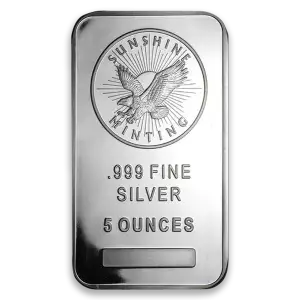
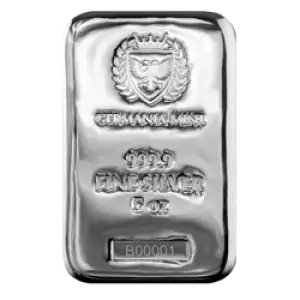
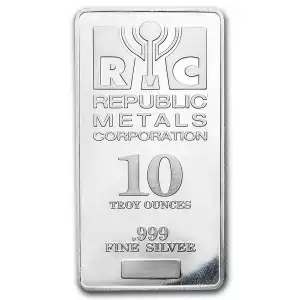
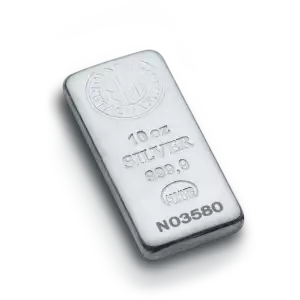
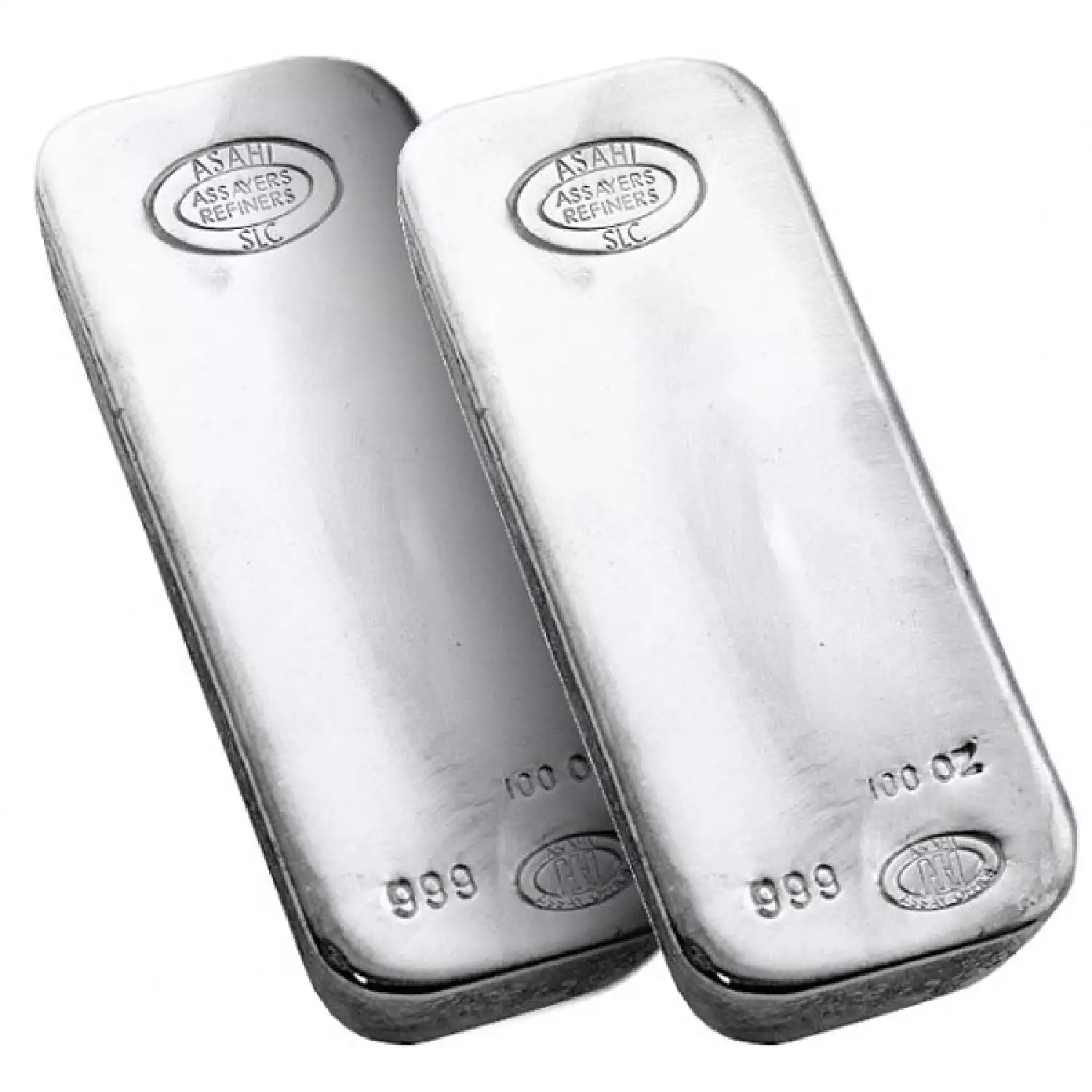
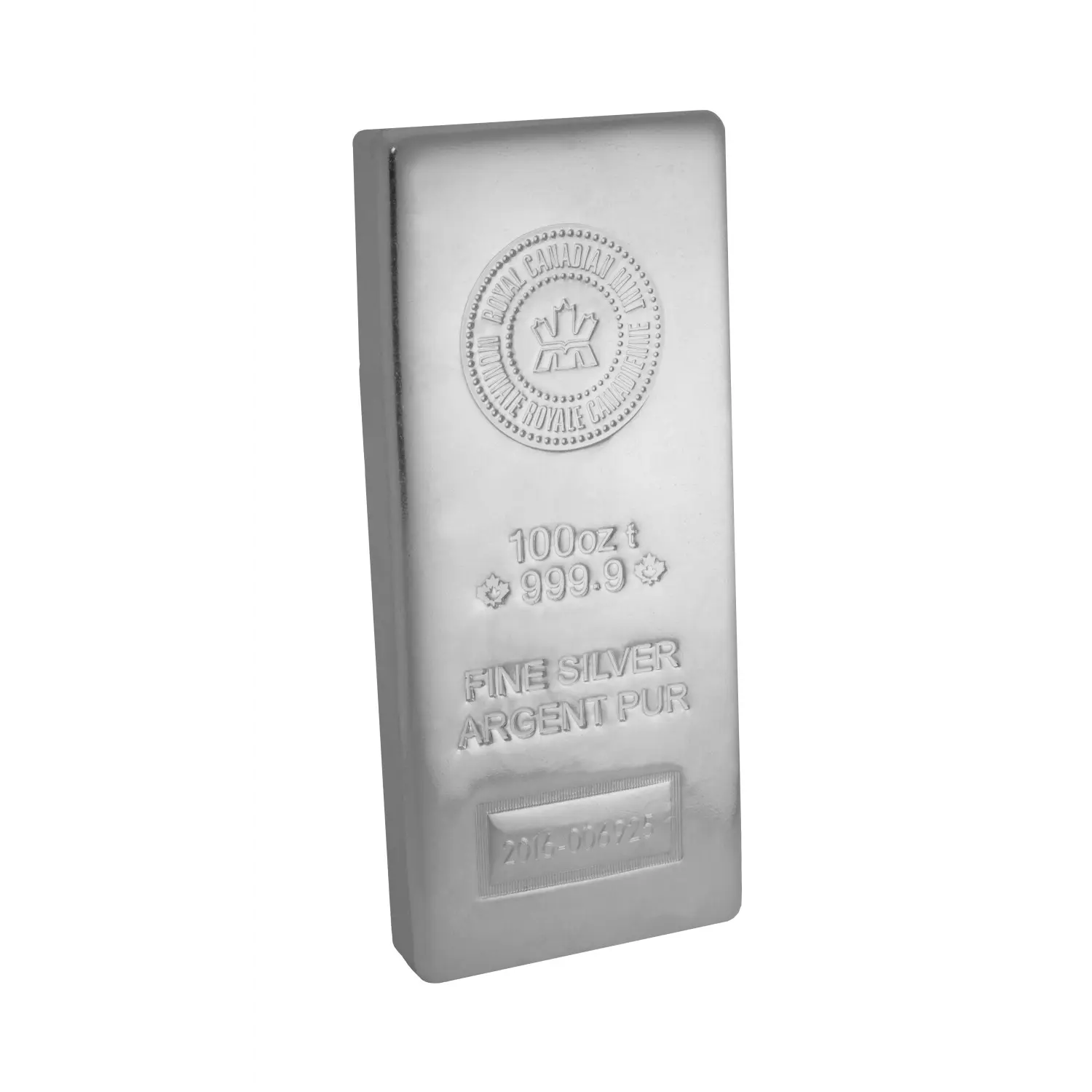
If your main goal is simply locking away as much silver as humanly possible, bars are your best friend. As they are easier to manufacture and carry no legal tender status, they have much lower premiums. This means more of your money goes straight toward actual physical weight rather than fabrication costs.
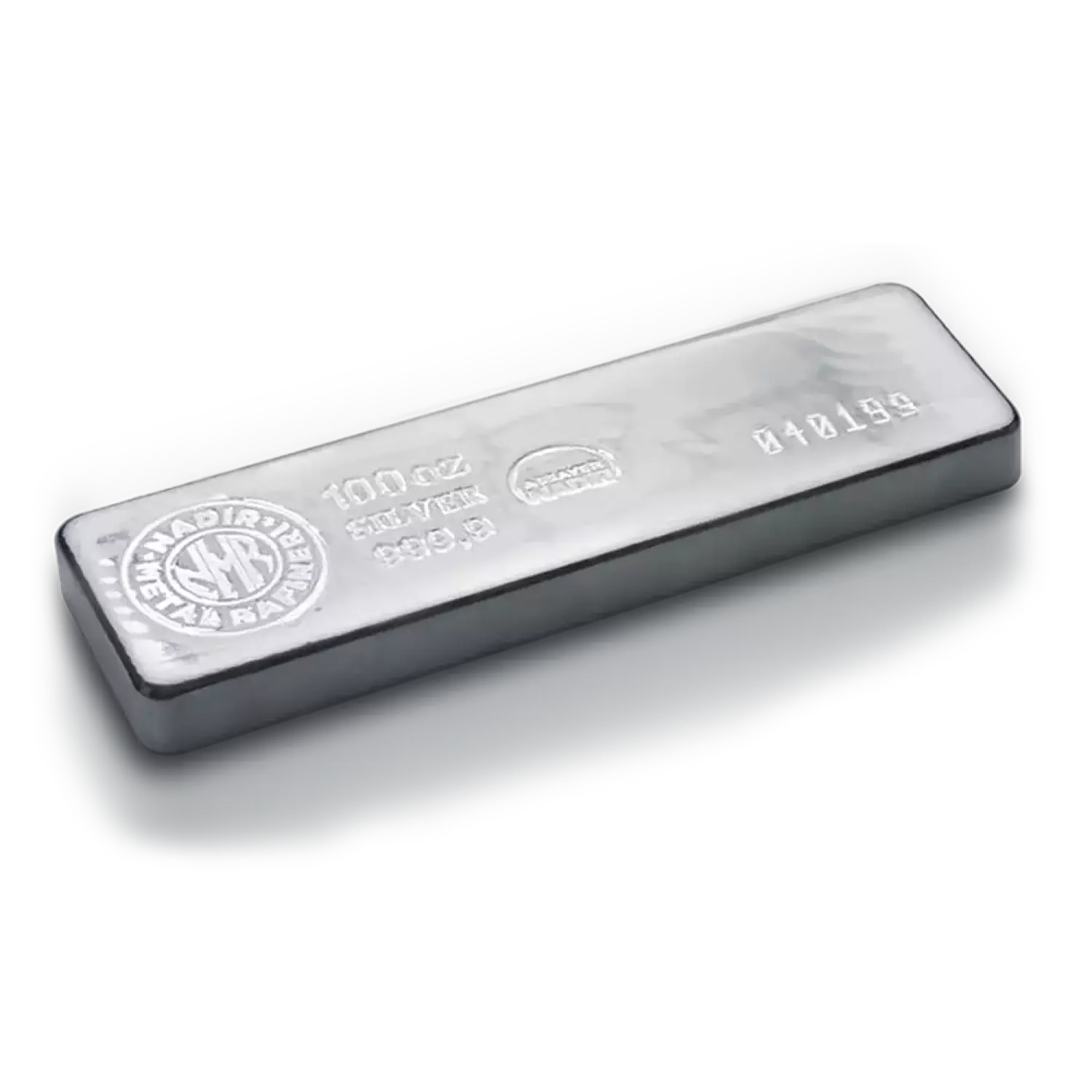
For most investors, standard 10-ounce and 100-ounce bars hit the sweet spot. They give you fantastic value per ounce, but they are not so massive that they become a nightmare to carry or store in a standard safe. This is the ideal route for pure, bulk accumulation. If you want to stretch your investment budget further, starting with a solid foundation of silver bars is an incredibly smart financial move.
Silver Coins: Best for Liquidity and Recognized Value
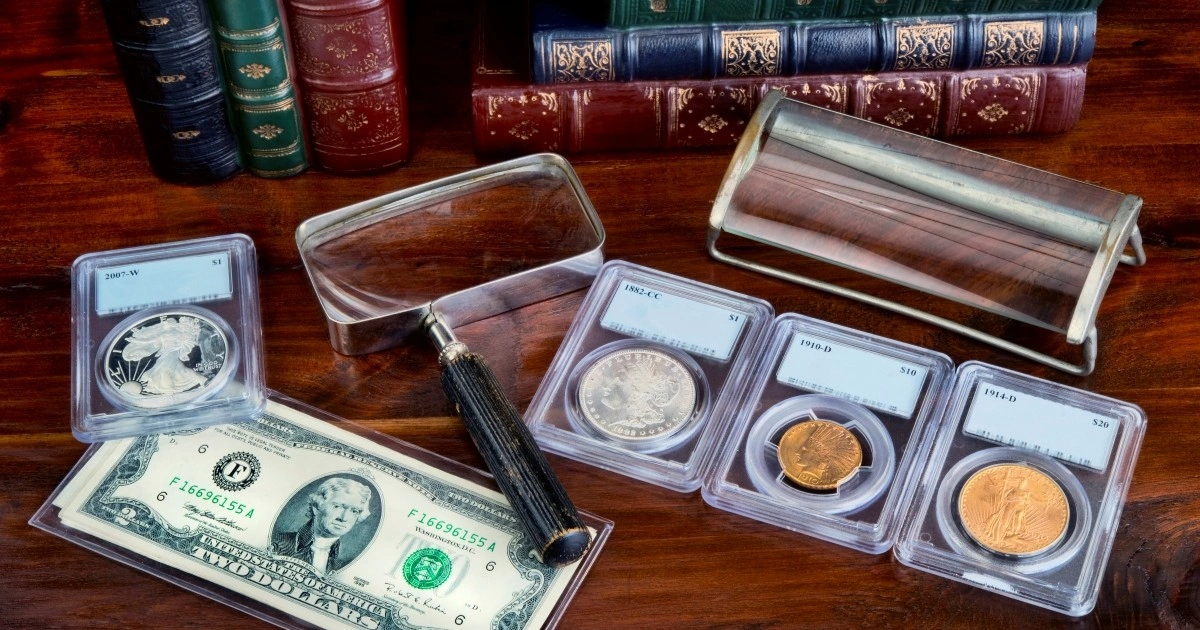
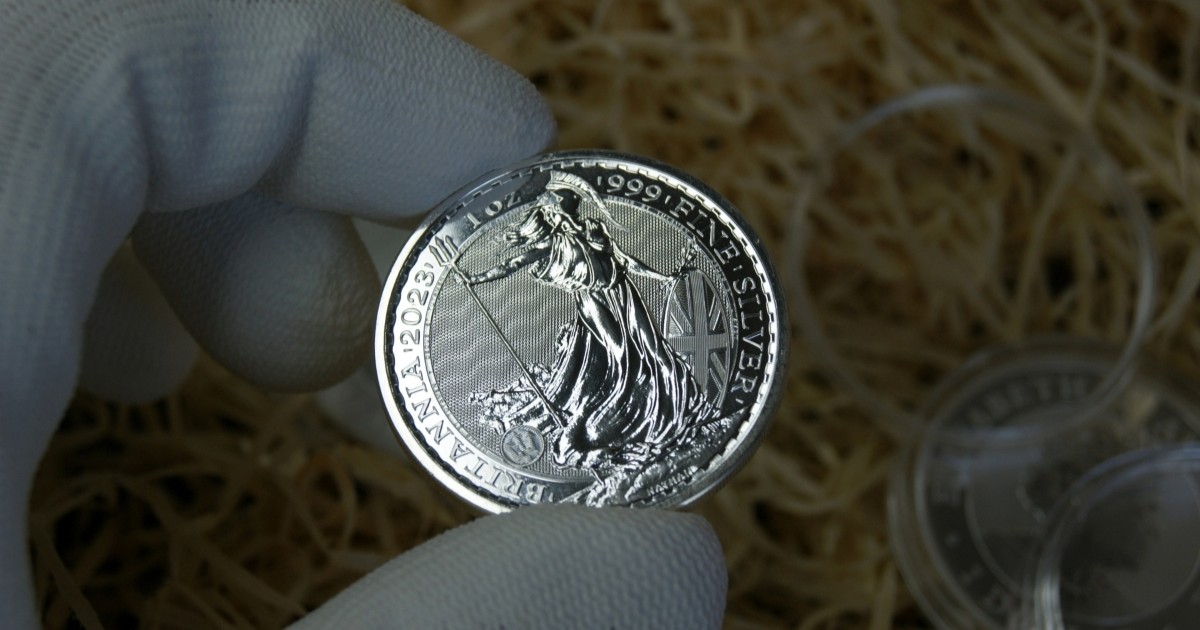
Silver coins play a completely different, yet equally important, role in your portfolio. Because they are minted by official governments, they carry legal tender status and strict purity guarantees. What does that mean for you? Universal trust.
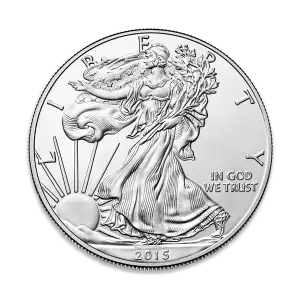
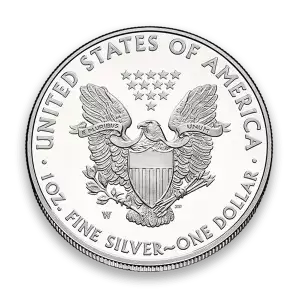
You can take an American Silver Eagle, a Canadian Maple Leaf, or an Australian Kookaburra to almost any coin shop or dealer in the world, and they will buy it from you on the spot without asking for an assay test. While you do pay a higher premium upfront for these coins, you also get a much better buyback price when it is time to sell. Plus, the manufacturing process is fascinating.
Long-Term Growth Potential: Bars vs. Coins
So, which format actually makes you more money over a decade? The baseline spot price dictates the core growth for both. However, premium retention changes the math when it is time to sell.
During intense supply crunches in the market, retail premiums on popular sovereign coins tend to skyrocket. If you sell during one of those tight market periods, you recapture that high premium, which boosts your overall return nicely.
Heavy bars do not usually see those wild premium swings, but their raw, cost-effective weight means huge cash returns when the baseline silver price moves up. This is exactly why we usually tell our clients to hold a healthy mix of both heavy bars and highly liquid silver coins.
Practical Considerations When Buying Silver
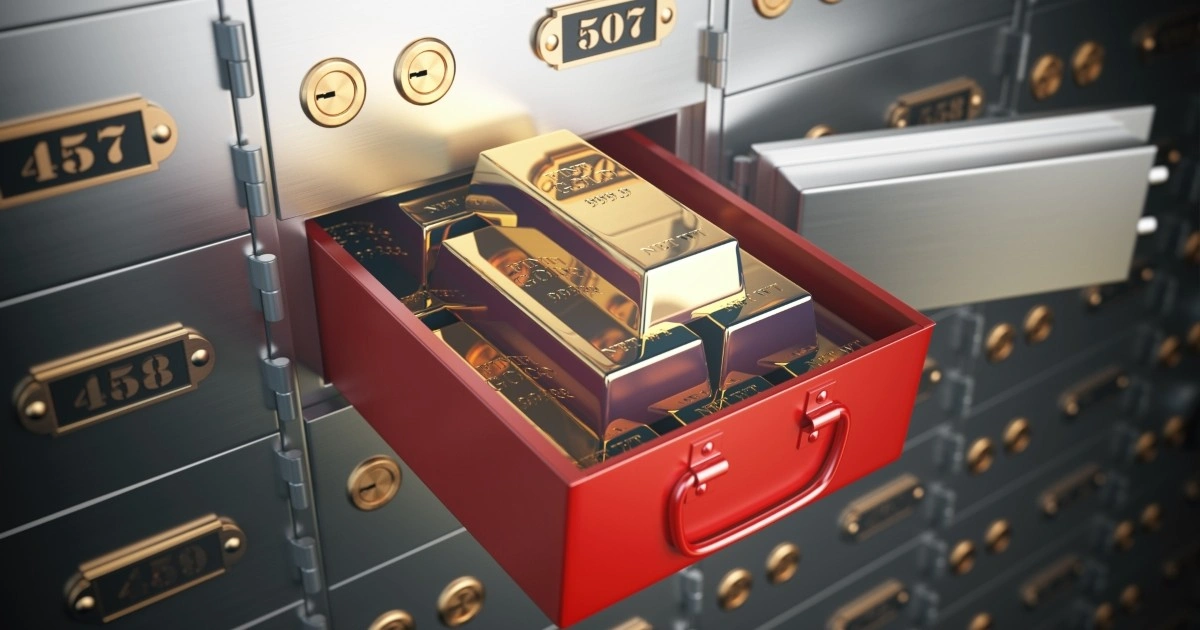
 Before you buy thousands of dollars' worth of physical metal, you have to think about the physical logistics. Silver takes up space, and it gets heavy very quickly. You need a solid storage plan, whether that means bolting down a heavy-duty home safe or using professional, fully insured vault services.
Proper security and active insurance are an absolute must for larger holdings. You also need to know that your metal is completely genuine from day one. Always work with reputable dealers who verify their inventory. At Pacific Precious Metals, we rigorously test every single piece of silver bullion that comes through our doors.
Building a Silver Investment Strategy That Fits Your Goals
At the end of the day, your strategy has to make sense for your own life. If you are buying silver to pass down to your grandchildren thirty years from now, stacking heavy bars is incredibly efficient. If you think you might need to liquidate some metal for a quick emergency next year, stick to recognizable sovereign coins.
Balancing pure cost efficiency with real-world liquidity is the true secret to a resilient portfolio. And if you are thinking about retirement, remember that the IRS officially allows you to hold certain high-purity silver products in a tax-advantaged Precious Metals IRA.
Whatever your timeline looks like, Pacific Precious Metals is here to help you navigate the market and build a wealth preservation strategy that actually works.