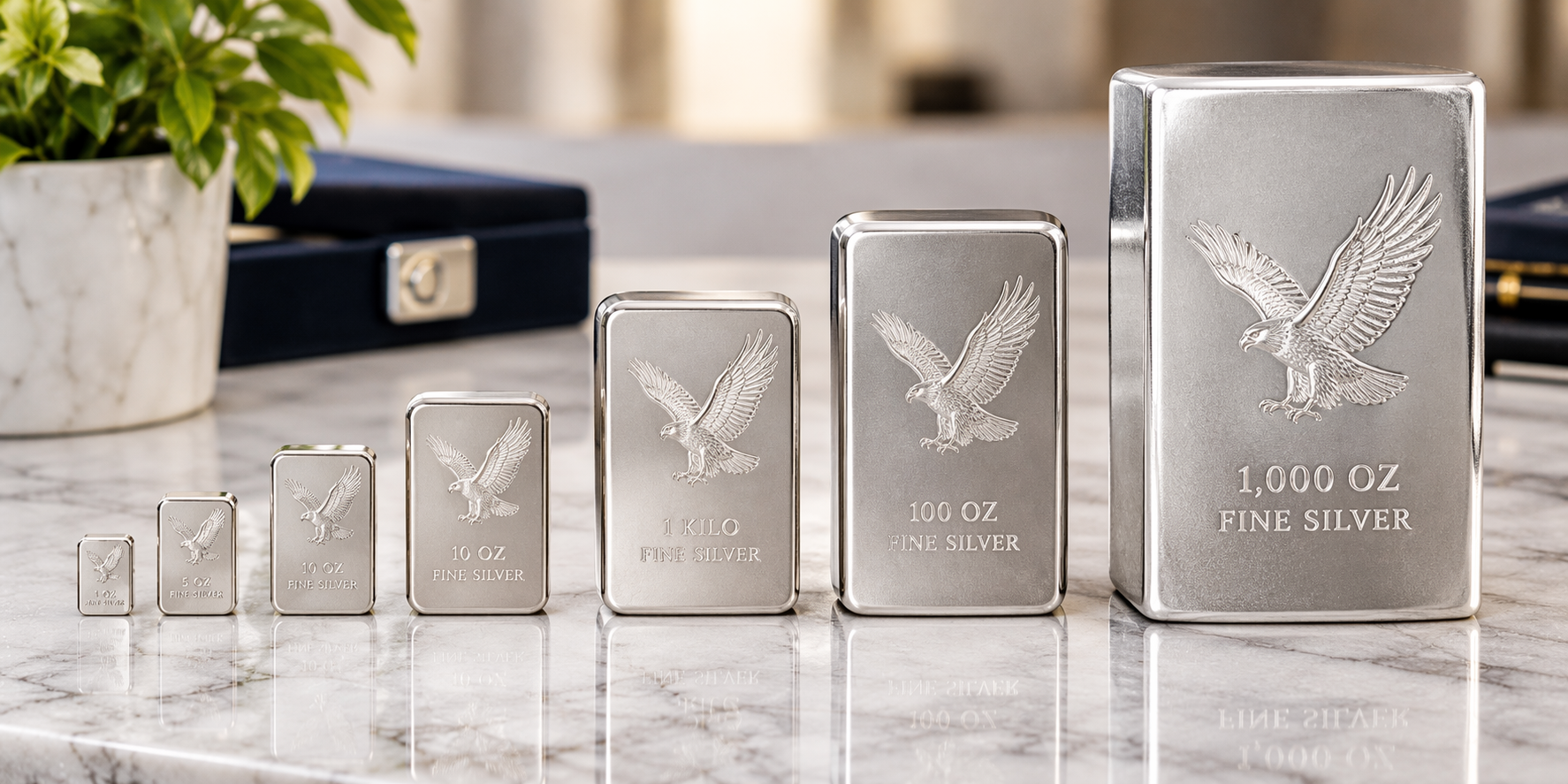
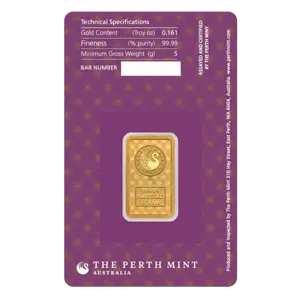
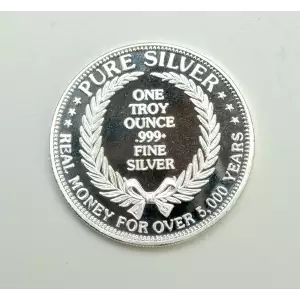
Buying silver in bars gives you several weight options. A 1 oz bar is easy to sell individually, while a larger bar usually costs less per ounce.
The right choice for buying silver bars depends on your budget and how you plan to store or sell your silver. Silver bar sizes range from 1 oz to 1,000 oz. However, not every weight is available to retail buyers.
Pacific Precious Metals offers .999 fine bars from 1 oz to 100 oz, plus 100-gram and 1-kilo options. Here's how the different weights compare.
What Are the Common Silver Bar Weights?
Pacific Precious Metals offers silver bars in 1 oz, 5 oz, 10 oz, 100 gram, 1 kilo, and 100 oz sizes. The 1,000 oz bar is used in institutional markets rather than the regular retail range.
Investment bars are stamped with their weight, purity, and refiner mark. Most contain .999 fine silver, or 99.9% pure silver. Some refiners also produce bars with .9999 purity.
The main sizes fall into three groups:
Small Bars: 1 oz and 5 oz
Mid-Size Bars: 10 oz, 100 gram, and 1 kilo
Large Bars: 100 oz and 1,000 oz
Small and Mid-Size Silver Bars for Everyday Buyers
1 oz and 5 oz Silver Bars
A 1 oz bar is a reliable option if you want to buy silver in smaller amounts. It's easy to store and lets you sell individual ounces instead of parting with a larger holding. The downside is the higher premium per ounce, as production costs are spread across less silver.
A 5 oz bar offers a middle ground. You get more silver in one piece without the upfront cost of a 10 oz bar. It also means fewer bars to keep track of if you're gradually building a collection.
10 oz Silver Bars
The 10 oz bar appeals to buyers looking for a balance between price and convenience. Its per-ounce price is generally lower than smaller bars, and the total purchase cost is still manageable for many buyers.
Storage is simple. One 10 oz bar takes up less space than ten separate 1 oz bars. The main drawback comes when you want to sell. You can't separate three ounces from a single bar, so you'll need to sell the entire 10 oz piece.
Metric Silver Bars: 100 Gram and 1 Kilo Options
Not all silver bars use ounces as their stated weight. Metric bars are measured in grams or kilograms, so convert their weight before comparing prices.
A 100 gram bar contains about 3.2 troy ounces of silver. A 1 kilo bar holds approximately 32.15 troy ounces, placing it between the 10 oz and 100 oz options.
Silver prices in the United States are quoted in troy ounces. Checking the equivalent weight helps you compare per-ounce pricing across different bars.
Large Silver Bars: 100 oz and 1,000 oz
Within the Pacific Precious Metals retail range, the 100 oz bar has the lowest premium per ounce. It's an option for buyers who want to buy more silver while paying lower premiums relative to the metal's value.
There are practical considerations, however. A 100 oz bar costs more upfront, takes up more storage space than smaller bars, and must generally be sold as a whole. You can't sell just a few ounces from it. The 1,000 oz bar is much larger and serves the institutional market.
How Premiums Change by Bar Size
The price of a silver bar includes the current spot price of silver, multiplied by its weight, plus a premium. That premium covers costs such as refining, minting, and distribution. It can also change with market demand.
Bar size makes a difference. Smaller bars usually have higher premiums per ounce because the production costs are spread across less silver. Larger bars generally have lower premiums per ounce.
The refiner matters as well. Before buying, compare the premium per ounce for each product rather than looking only at the total price.
How to Choose the Right Silver Bar Size
Consider your budget, storage space, and plans for selling before choosing a bar.
Adding Silver Gradually: 1 oz or 5 oz bars let you make smaller purchases.
Balancing Premium and Total Cost: 10 oz bars offer a middle ground.
Paying a Lower Premium Per Ounce: 100 oz bars generally offer better value.
Resale is another factor worth considering. Bars from recognized refiners such as PAMP Suisse, Engelhard, Johnson Matthey, and Valcambi may be easier for dealers to verify.
Keep in mind that a dealer's buying price is generally lower than its selling price. If you plan to sell your silver bars later, the amount you receive may be less than what you originally paid.
Frequently Asked Questions
What is the most popular silver bar size?
The 10 oz bar is popular because it balances the premium per ounce with the overall purchase cost. However, a 1 oz bar offers more flexibility if you prefer smaller purchases or want to sell individual bars.
How many troy ounces are in a 1 kilo silver bar?
A 1-kilo silver bar contains about 32.15 troy ounces. A 100 gram bar contains about 3.2 troy ounces.
Which silver bar size has the lowest premium per ounce?
The 100 ounce bar usually has the lowest premium per ounce of all the sizes while 1 ounce bars have higher premiums.
Do silver bars tarnish, and does it affect value?
Yes, silver tarnishes when exposed to air and sulfur. Tarnish doesn't affect the bar's weight or silver content, and dealers usually value it based on weight and purity.
Choosing the Silver Bar Size That Fits Your Plan
The size of silver bars you choose depends on how much you are willing to spend, how much space you have, and whether you might later need to sell smaller quantities. Bars that are smaller give you more flexibility, medium-sized bars provide a balance between cost and convenience, and larger bars usually have a lower premium per ounce.
Pacific Precious Metals offers .999 silver bars in sizes from 1 ounce to 100 ounces, sourced from nine refiners and mints, plus 100 gram and 1 kilo options.
Before placing an order, compare weights, refiners, and premiums on the silver bars collection page.
Disclaimer: This content is provided by Pacific Precious Metals for educational purposes only and is not financial or tax advice. Precious metals carry risk, including possible loss of principal, so please consult a licensed advisor before investing.