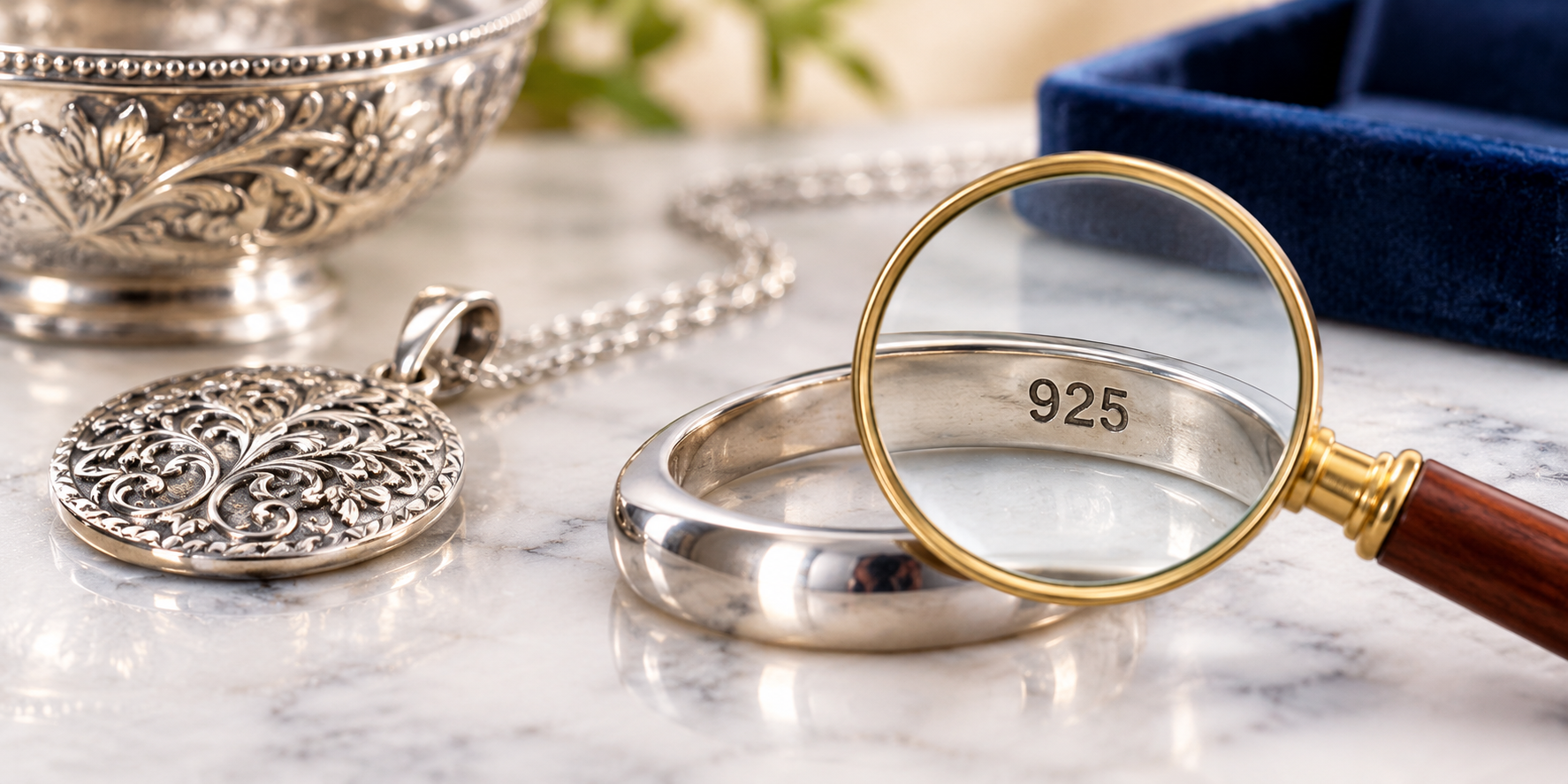
Sterling silver is real silver. The 925 stamp means the metal is 92.5% silver, with the remaining 7.5% usually made up of other metals that add strength.
Therefore, the answer to is sterling silver real silver is yes. Though it is not pure silver. That difference affects how you buy, sell, and value silver items in the U.S.
This guide explains what the stamp means, how sterling compares with fine silver and silver plate, and how to confirm what you own.
What Does the 925 Stamp Mean on Sterling Silver?
The 925 stamp means the item is 92.5% silver. It is the most common mark on sterling silver jewelry, flatware, and serving pieces. The remaining 7.5% is usually other metals that add strength.
Check the back of each piece for these markings:
Sterling
925
.925
Older pieces may also carry hallmarks that identify the maker, origin, or silver standard. Those marks help identify the piece, while the 925 or sterling stamp points to its silver content.
Is Sterling Silver Real Silver or Just Silver Plated?
Sterling silver is real silver with a set silver content of 92.5%. Silver-plated items are different. They have a thin silver coating over another metal and generally contain much less precious metal.
It doesn't follow that anything marked 'silver' is sterling. Although a silver-plated fork and a sterling fork may look identical on a dinner table, their metal content differs significantly. The best way to tell them apart is to check the stamp. Silver-plated items may still have decorative value, but their precious-metal value is generally lower.
Sterling Silver vs. Fine Silver: How Purity Compares
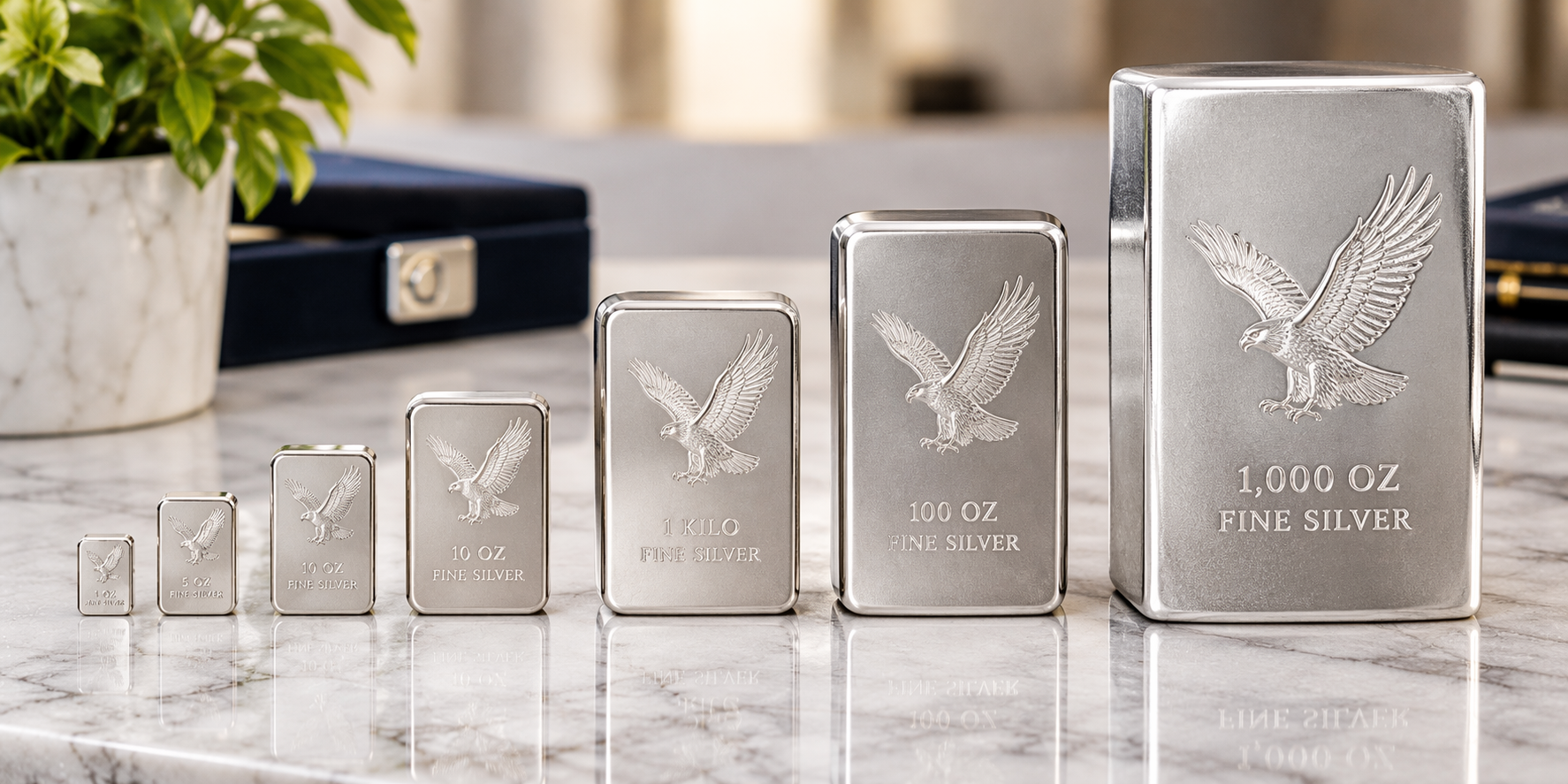
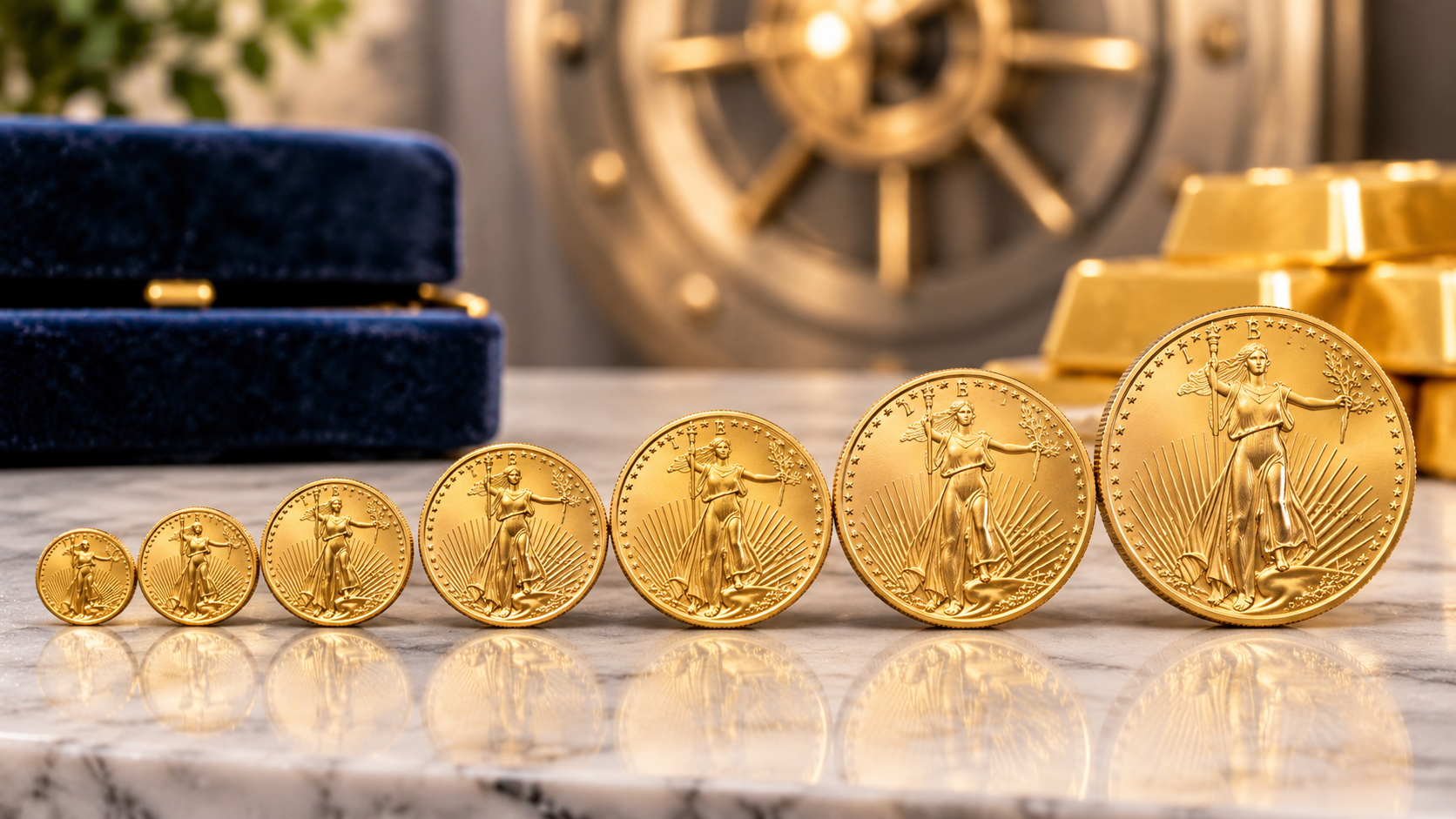
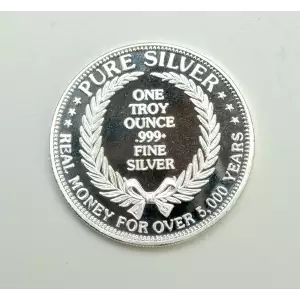
Sterling is a silver alloy, while bullion coins are made from fine silver. The table below compares the two with other common silver items.
People buy bullion coins mainly for their silver content. Sterling pieces are valued for their silver content too, but maker, pattern, and condition can add to the picture.
How to Check Whether Your Silver Is Sterling
Start with a close look at the piece, then confirm with testing if anything is unclear.
Check the back, base, or inside of the piece for Sterling, 925, or .925.
Use good lighting and a magnifying glass if the stamp is worn.
Look for a maker’s mark, which older pieces often carry.
Skip aggressive polishing, because it can alter the surface of older silver.
If the stamp is faint or missing, testing can settle the question.
How Sterling Silver Is Tested With X-Ray Fluorescence
A stamp shows what the maker marked on the piece. Testing confirms the metal itself. Pacific Precious Metals uses X-ray fluorescence (XRF) analysis to identify the metals in an item and their percentages. The equipment can identify 26 different metals, including silver, copper, zinc, and nickel.
Specific gravity testing can also support XRF results and is offered after an XRF test is complete.
How Much Is Sterling Silver Worth?
Two things drive the value of most sterling silver items.
What Sets the Base Value
The base value begins with the silver content, the weight, and the spot price at the time of sale; since a more heavy item contains more silver, weight is just as important as the stamp.
When Maker and Pattern Add Value
Makers such as Tiffany & Co., Gorham, Reed & Barton, Towle, and Wallace have established collector markets. A well-known name does not set value alone. Condition, rarity, and demand also count, and a complete matching set may attract more interest than single pieces.
Should You Polish Sterling Silver Before Having It Evaluated?
No. Aggressive polishing can alter the surface of older silver and wear away fine detail. Heavy polishing can also affect maker marks and decorative features that help identify a piece.
A buyer can examine the item as it is and assess its silver content, condition, and collector appeal. Leave the cleaning for later and bring the pieces in as they are. This is especially useful with inherited pieces gathered over many years, where the original marks tell part of the story.
Where to Sell Sterling Silver in the Bay Area
Pacific Precious Metals buys silver jewelry, silver flatware, holloware, and tea sets at its four Bay Area stores in Sausalito, Palo Alto, Fremont, and Walnut Creek. Each store buys, sells, and appraises.
Items are weighed in front of you on government certified scales. The value is based on purity, weight, and the spot price at that moment. A few items usually take 5 to 10 minutes.
Frequently Asked Questions
Is sterling silver pure silver?
No. Sterling silver is 92.5% silver, and the remaining 7.5% is made up of other metals that add strength. Fine silver, such as a .999 bullion coin, has a much higher silver content.
Is 925 silver the same as sterling silver?
Yes. The 925 stamp marks sterling silver. You may also see Sterling or .925 on the piece.
What if my silver has no stamp?
Stamps can wear off or be missing, especially on older pieces. XRF testing can identify the metals in an item and their percentages.
Can I sell sterling silver flatware for cash?
Yes. Pacific Precious Metals buys silver flatware, holloware, and tea sets in the Bay Area, based on purity, weight, and the spot price.
What the 925 Stamp Tells You About Your Silver
So, is sterling silver real silver? Yes. The 925 stamp shows the piece is 92.5% silver, real silver blended with other metals for strength. It is not pure silver, and it is not silver plate.
If a stamp is worn or missing, testing can confirm the metal content. Pacific Precious Metals can test and evaluate silver jewelry and flatware at its Bay Area stores.
Disclaimer: This content is provided by Pacific Precious Metals for educational purposes only and is not financial or tax advice. Precious metals carry risk, including possible loss of principal, so please consult a licensed advisor before investing.