The Shield nickel is a U.S. five-cent coin struck from 1866 to 1883. Two coins from that run can sell for very different amounts, even when they look alike.
Shield nickel value depends on date, variety, mintage, and condition. Early coins often carry a premium, but the scarcest dates come later in the series.
This guide shows what drives the difference, which coins collectors chase, and how to check a coin before you buy or sell.
What Is a Shield Nickel?
James B. Longacre designed the Shield nickel, and the Philadelphia Mint struck every one. It was the first U.S. five-cent coin made from a copper-nickel alloy (75% copper, 25% nickel).
The front shows a shield with arrows behind it. The back shows a large 5 inside a ring of stars. The series ended in 1883, when the Liberty Head nickel replaced it.
The coin contains no silver or gold, so its value comes mostly from collector demand.
Key Factors That Set Shield Nickel Value
Three details drive most price gaps between two Shield nickels: date, variety, and strike type. Collectors check these before anything else, so they are the best place to start.
Early Dates and Low Mintage Years
Early does not mean rare; in fact, the 1866, 1867 Without Rays, 1868, 1869, and 1882 issues are among the most common in all grades. The rarest business strikes date from 1877 to 1881.
Nevertheless, early coins likely attract interest because type collectors usually want a single example of each design. Don't rely on the year alone; consider both mintage and survival rate. Before you conclude that a coin is rare or common, compare the date with an up-to-date price guide.
Rays Varieties and Overdates
The earliest Shield nickels feature rays between the stars on the reverse. In 1867, the Mint removed these rays, creating two distinct varieties: With Rays and No Rays. In Mint State condition, price guides generally value the With Rays variety more highly than the No Rays version.
Other varieties can also affect a coin’s value, including the 1873 Closed 3 and Open 3, as well as the 1883/2 overdate, where a 3 was stamped over a 2. As a result, two 1867 nickels in the same condition can have very different values depending on the variety.
Proof Strikes and Proof-Only Years
The Mint issued Proof Shield nickels every year, with annual proof mintages typically ranging from 600 to 3,000 coins. The 1867 With Rays proof is much rarer, with only 25 struck, while the 1883 proof had a higher mintage of 5,419.
The 1877 and 1878 issues were struck exclusively as proofs, with a combined mintage of fewer than 3,000 coins. Their scarcity makes them highly sought after by date-set collectors, often commanding prices well above those of most circulation-strike nickels.
How Condition and Strike Quality Change Worth
Grade describes how much wear a coin shows. A worn coin and an uncirculated coin of the same date can sit far apart in price.
Shield nickels add an extra challenge, because many show weak strikes, heavy wear, or surface problems. A coin with sharp details and clean surfaces stands out for that reason.
Look for these points:
Sharp detail on the shield and stars
Light wear on the high points
No scratches, cleaning marks, or dark spots
Even eye appeal across the whole surface
How to Check an Early Shield Nickel Before You Buy or Sell
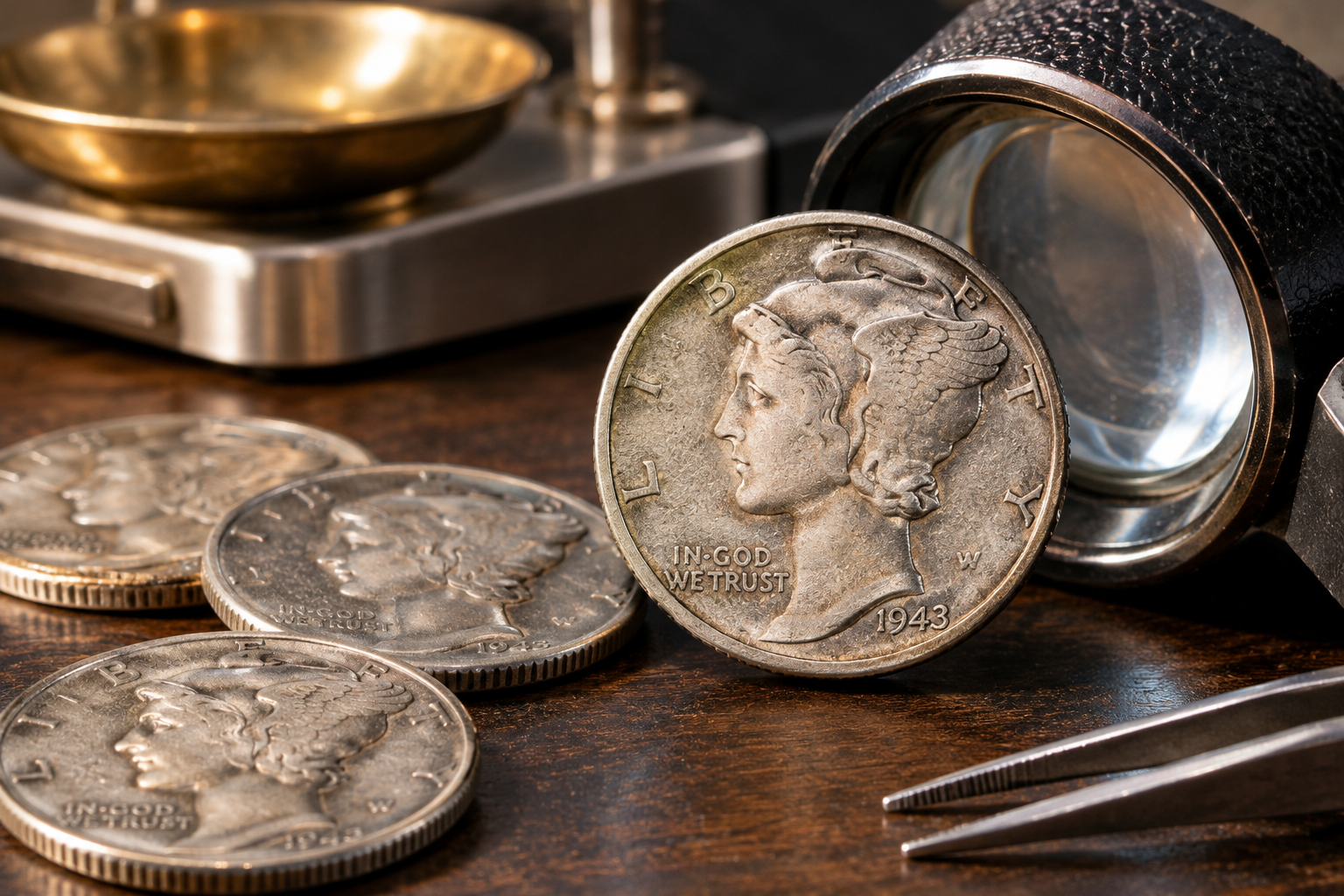
Start with the date, then look at the reverse for rays between the stars. Compare the coin with a current price guide for its type and grade. A magnifier helps you read the 1873 date digits and spot the 1883 overdate.
A third-party grading service can confirm authenticity and grade on higher-value coins. Buyers who want to explore older U.S. coins can start with the Other U.S. Coins collection at Pacific Precious Metals.
Frequently Asked Questions
Are Shield nickels made of silver?
No. Shield nickels are 75% copper and 25% nickel. Their worth comes mostly from collector demand, not metal content.
Which Shield nickel is the rarest?
The 1877 and 1878 proof-only issues rank among the rarest dates, with a combined mintage under 3,000. The 1867 With Rays proof is smaller still, with only 25 struck.
Do rays on a Shield nickel make it worth more?
Often, yes. Price guides generally list the With Rays type above the No Rays type in Mint State grades. Condition still plays a large part in the final number.
Should I get a Shield nickel graded?
It is reasonable to grade rare dates, proofs, and high-grade coins since small condition differences can affect price, whereas a common coin in worn condition wouldn't warrant the grading fee.
Final Thoughts on Early Shield Nickels
Shield nickel value depends on type, date, mintage, and condition. Early With Rays coins and the proof-only years usually draw the strongest demand. Common dates in worn grades tend to stay modest.
Pacific Precious Metals has served Bay Area customers for more than 15 years, with stores in Sausalito, Palo Alto, Fremont, and Walnut Creek. Collectors with questions about older U.S. coins can reach the team through the contact page.
Disclaimer: This content is provided by Pacific Precious Metals for educational purposes only and is not financial or tax advice. Coin values can change over time, so please consult a licensed advisor before making buying or selling decisions.