Every silver buyer eventually asks the same blunt question. Which one actually makes me more money? Bullion or coins?
It is a fair question, but the honest answer has a few moving parts. Return on physical silver is not just the price you sell at minus the price you paid. Premiums, spreads, storage, and taxes all quietly shape your real result.
We at Pacific Precious Metals built this blog to break down the return on investment for silver bullion vs silver coins, so you can judge which format fits the result you are chasing.
What Actually Determines Your Return
Your real return comes from more than the spot price. Start with the premium you pay above spot when you buy. A lower premium means less ground to make up before you turn a profit.
Next is the spread, or the gap between what a dealer sells for and what they buy back for. Tight spreads protect your return. Then add holding costs like a safe or insured storage, plus the spot price movement itself.
Taxes matter too. The IRS generally treats physical silver as a collectible, which can mean a maximum long-term capital gains rate of 28 percent. You can review the IRS capital gains rules for the details, and a tax professional can apply them to your situation.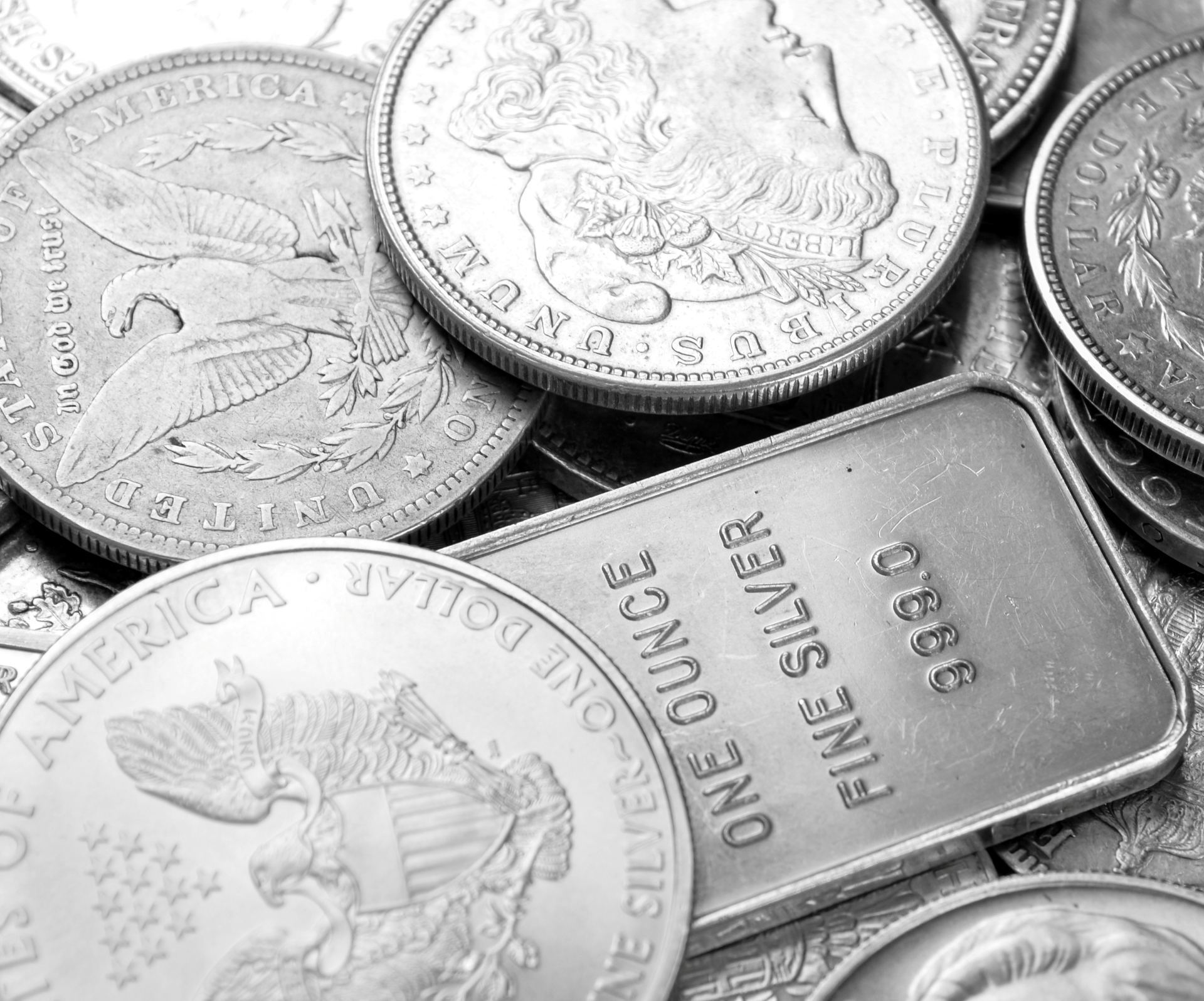
ROI on Silver Bullion
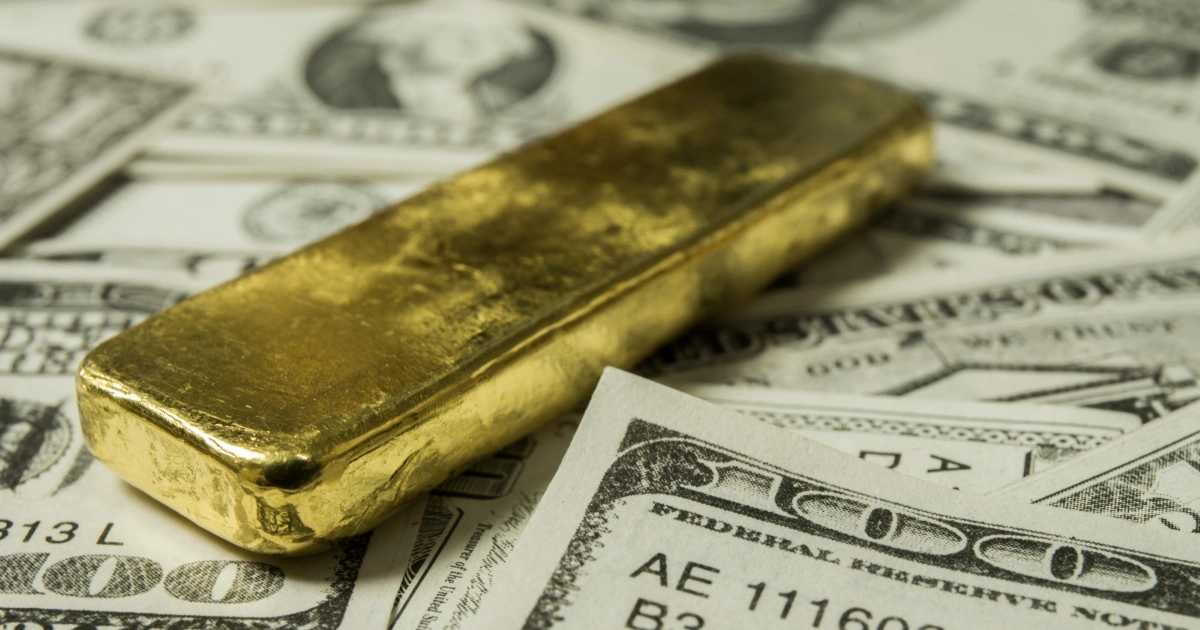
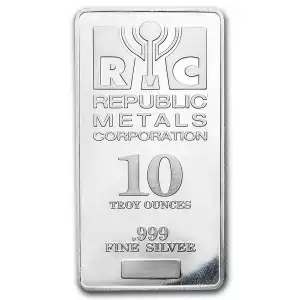
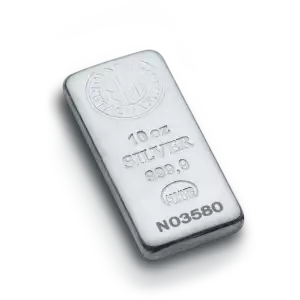
Silver bullion is built for efficient returns. Bars and rounds carry the lowest premiums, so your buy price sits close to spot from day one. That head start is a real advantage when you eventually sell.
Liquidity is excellent. Dealers everywhere will buy recognized silver bullion at transparent, spot-based pricing. Tight spreads mean you keep more of any gain. Larger silver bars squeeze your premium even lower, which helps long-term accumulators.
The tradeoff is simple. Bullion only tracks the metal. There is no collectible bonus waiting for you, and stacking heavyweight requires a storage plan. For pure exposure to silver's price, though, it is tough to beat.
ROI on Silver Coins
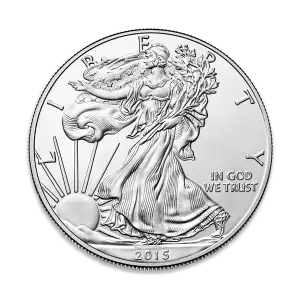
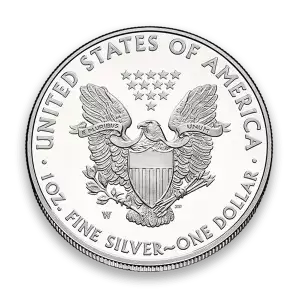
Silver coins are split into two return profiles. Sovereign bullion coins like the American Silver Eagle cost a bit more upfront, but that premium often holds better on resale because buyers trust and want them. You frequently recover more of your premium than you would on a generic product.
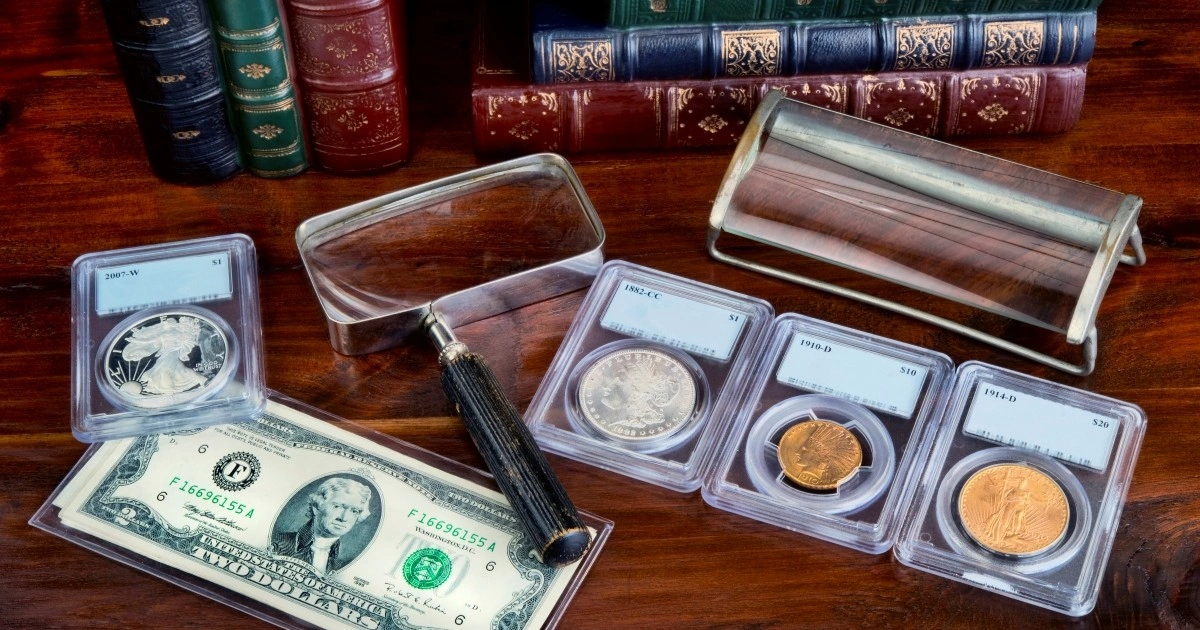
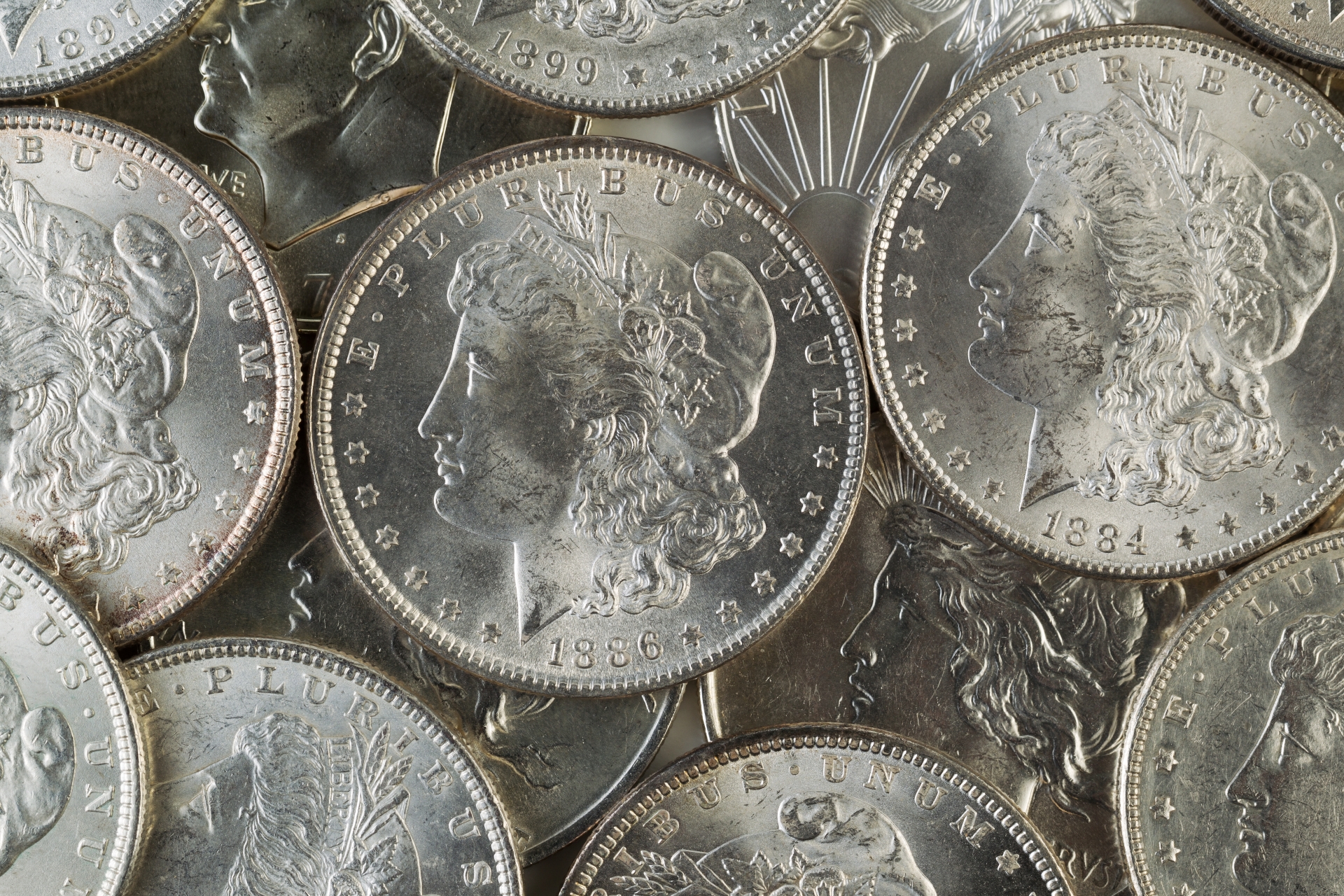
Numismatic coins are the wild card. A scarce, well-graded coin can climb far above its melt value if collector demand lines up. That is the highest upside in the entire silver market. It is also the least predictable. Premiums are subjective, grading knowledge is essential, and selling can take patience.
Want to understand the markup that drives these numbers? Our silver bullion vs silver coin premium guide digs into it. The silver coins category shows the full range, from liquid Eagles to collector pieces.
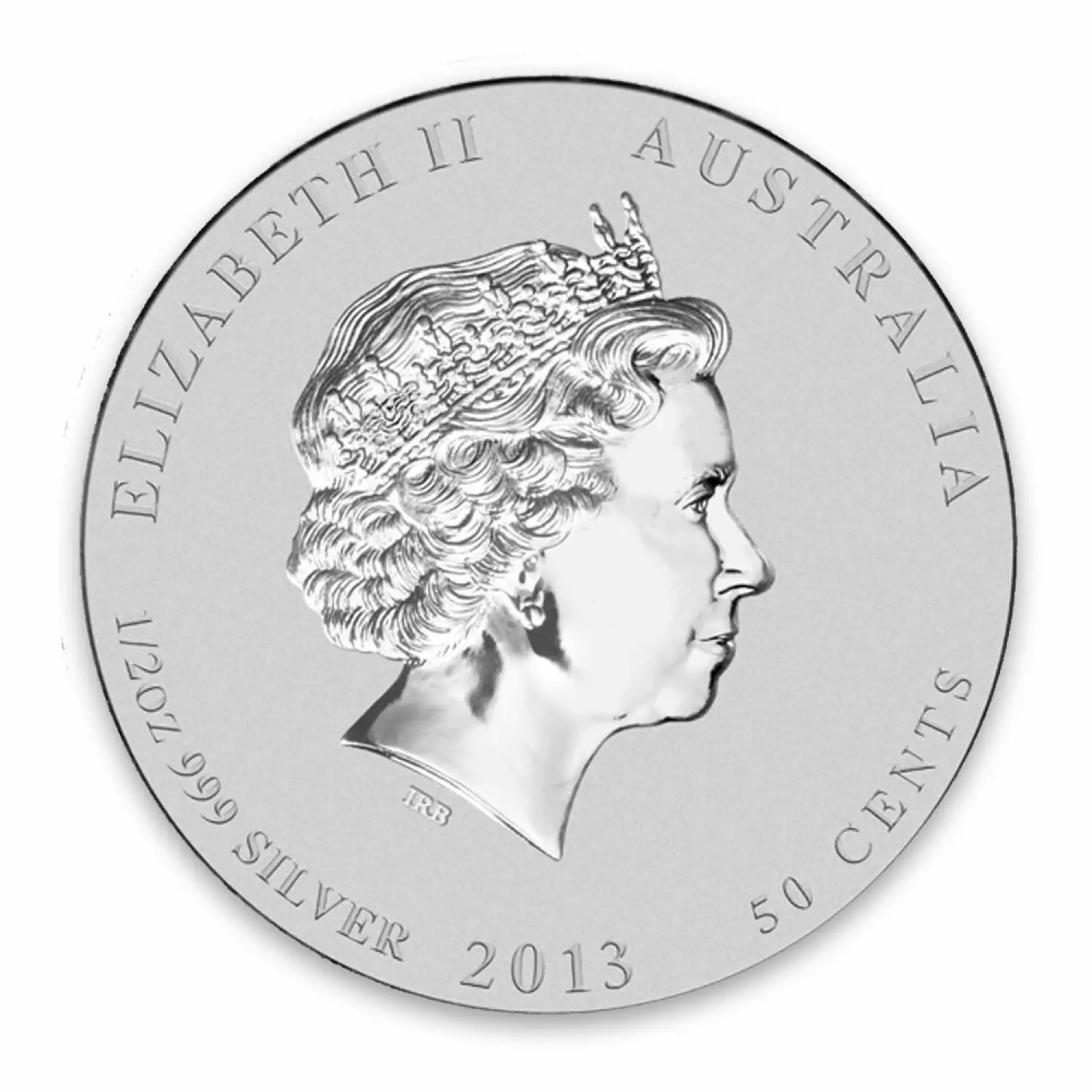
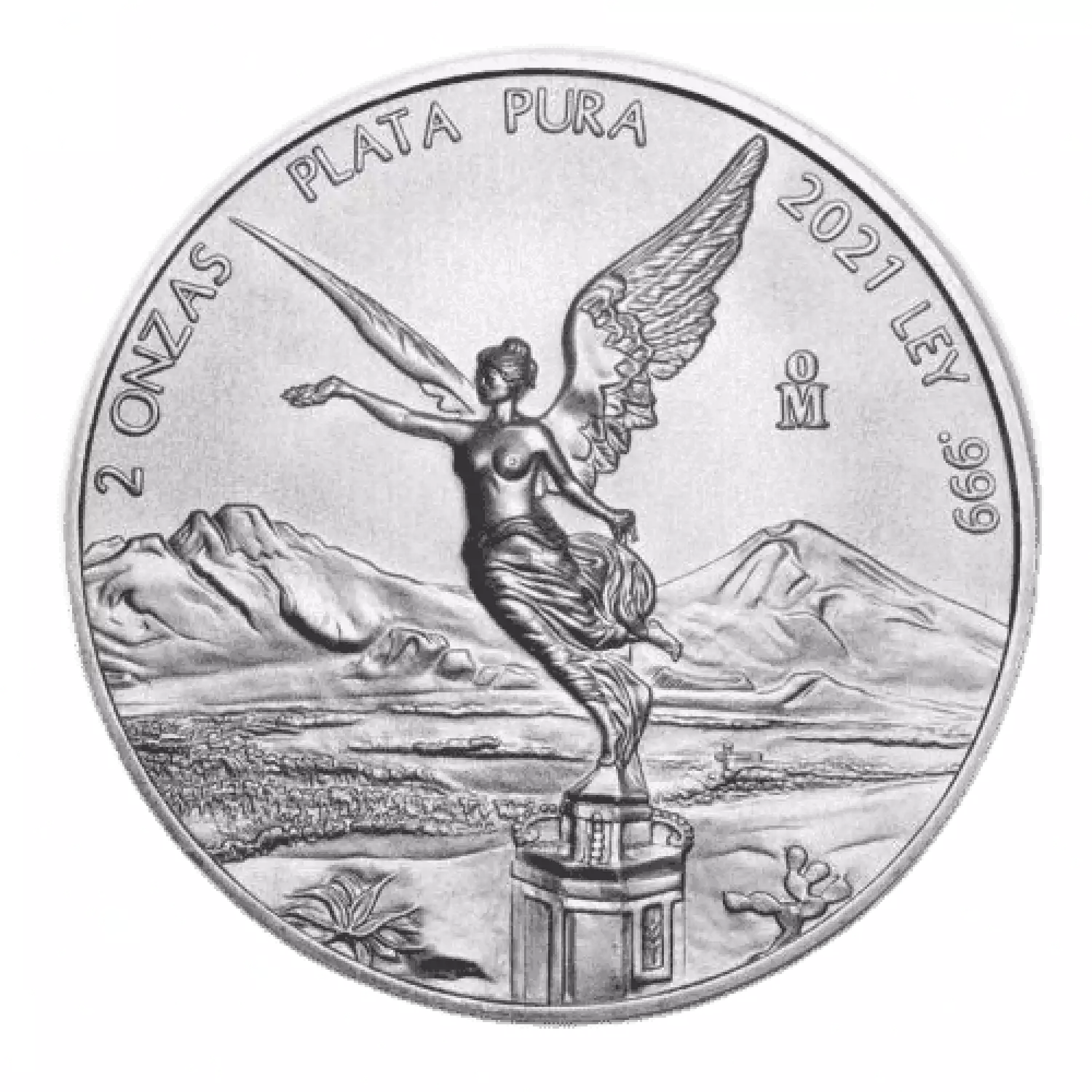
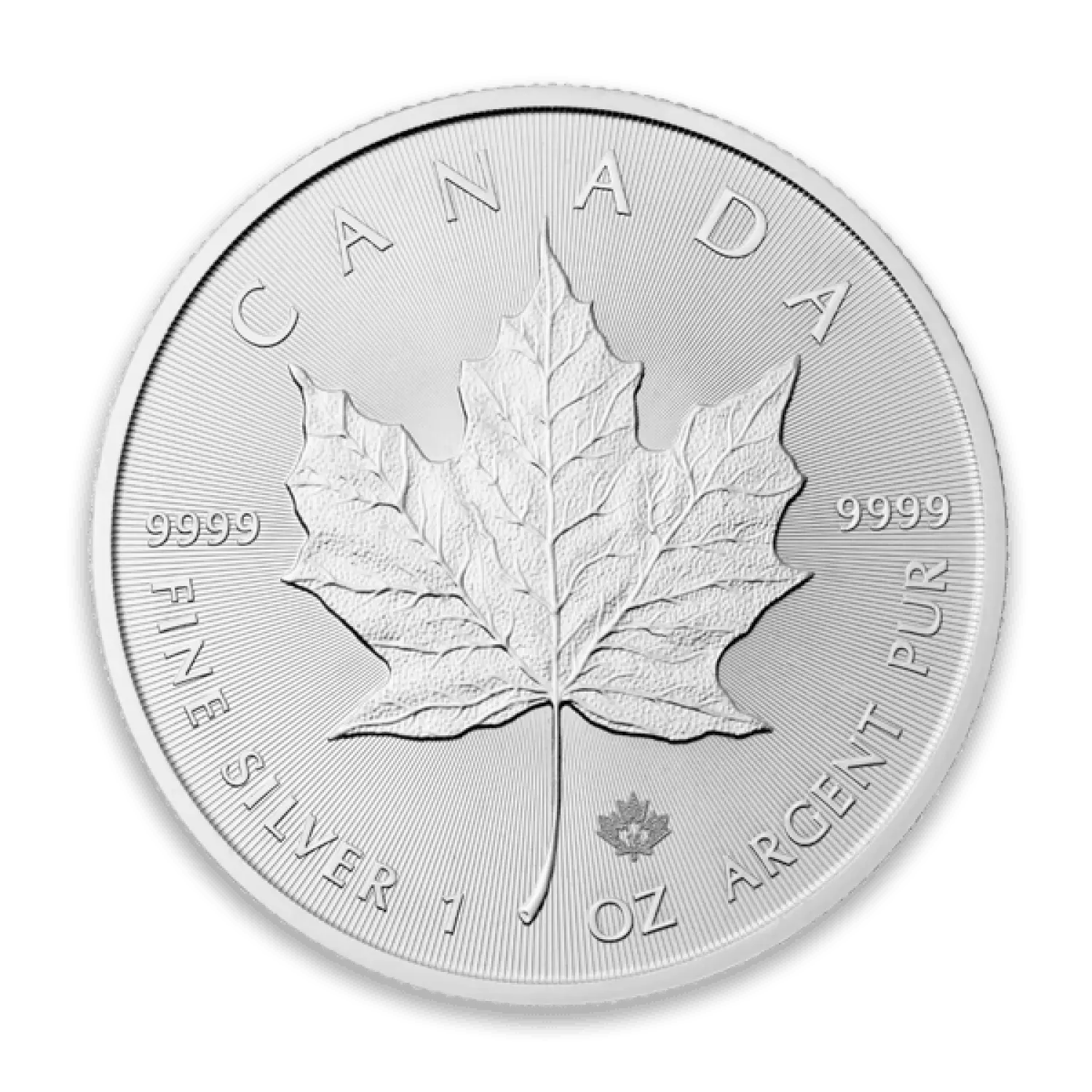
Which Wins? It Depends on Your Goals
There is no single champion. Each format wins a different race.
Bullion usually wins on cost efficiency and predictability. Low premiums, tight spreads, and easy resale make it the cleaner play for wealth preservation and steady accumulation. Coins can win on the upside, but only when collectible demand cooperates, and that involves more risk and homework.
The balanced move is to hold both. Build a core of low-premium bullion for reliable, spot tracking returns. Add a smaller allocation of recognized or collectible coins for liquidity and potential premium upside.
For more on weighing risk across formats, see our guide to collectible silver coins vs. silver bullion.
Frequently Asked Questions About Silver ROI
Do silver bullion or silver coins give a better return?
Bullion offers efficient, predictable returns thanks to low premiums and tight spreads. Coins can return more if collectible demand rises, but with added risk.
Why do premiums matter so much for ROI?
The premium is the amount of money paid above the spot price. A lower premium means the metal needs to rise less for your position to turn a profit.
How are profits on silver taxed?
The IRS typically treats physical silver as a collectible, with a maximum long-term capital gains rate of 28 percent. Always confirm with a tax professional.
Do collectible silver coins always outperform bullion?
No. They can outperform when rarity and demand align, but premiums are unpredictable, and these coins are harder and slower to sell.
What is the easiest way to maximize silver returns?
Buy low-premium products from a transparent dealer, mind the buyback spread, store metal safely, and hold for the long term.
 Grow Your Silver Returns with Pacific Precious Metals
The best return starts with buying smart from a dealer who shows fair, transparent pricing on both sides of the trade.
Compare premiums across our silver inventory, watch the live spot silver price to time your entry, and contact our team for a free consultation whenever you are ready to put your silver strategy to work.
Disclaimer:
This content is provided by Pacific Precious Metals for educational purposes only and is not financial or tax advice. Precious metals carry risk, including possible loss of principal, so please consult a licensed advisor before investing.