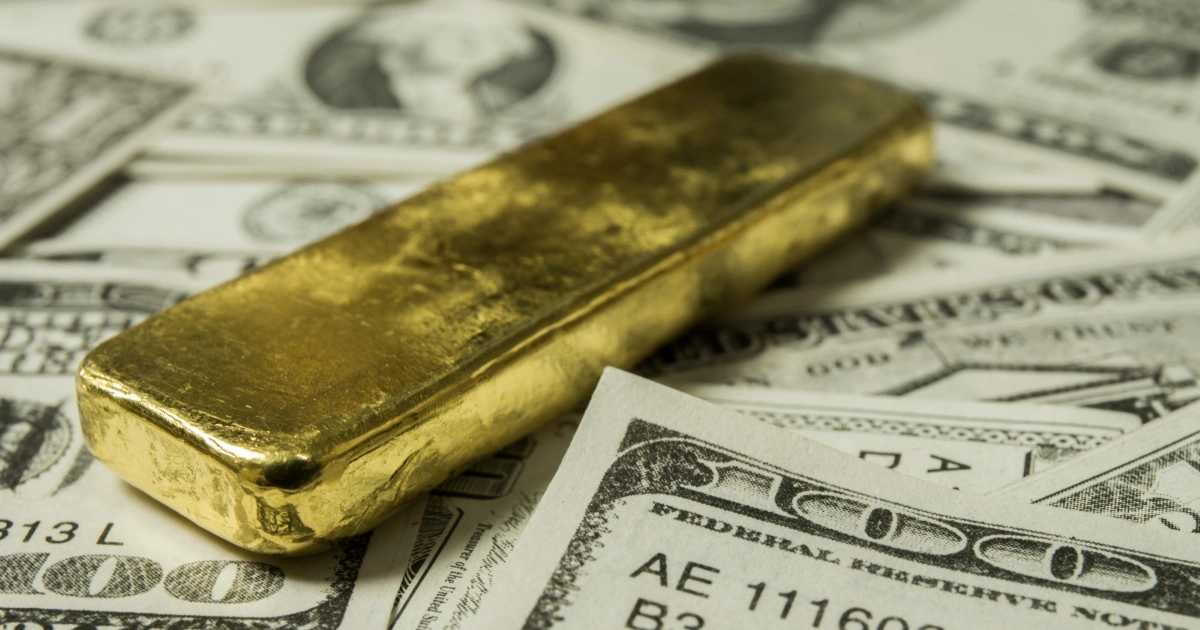
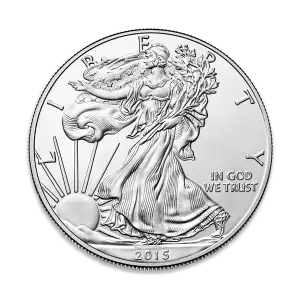
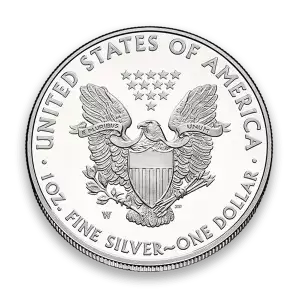
When the stock market drops and headlines turn grim, one asset almost always enters the conversation. Gold. For thousands of years, people have turned to it when paper assets feel shaky, and the future looks uncertain.
But the relationship between gold and a struggling economy is more nuanced than most people assume. Gold does not simply rise the instant trouble hits. Its price responds to a handful of specific forces that all shift during a slowdown.
This blog is to explain those forces clearly. By the end, you will understand exactly how economic downturns shape gold bullion prices and why so many investors treat the metal as a financial anchor.
Why Gold Is Called a Safe-Haven Asset
Gold earns its reputation as a safe-haven asset through a few simple traits. It is not anyone's liability. Unlike a stock or a bond, its value does not depend on a company staying solvent or a borrower repaying a debt.
It is also scarce, durable, and trusted across every culture on earth. During calm times, investors chase higher returns elsewhere. When fear rises, money often rotates toward stability, and gold is a classic destination for that flight to safety.
This is the core reason demand for physical gold bullion tends to strengthen when confidence in the broader economy weakens.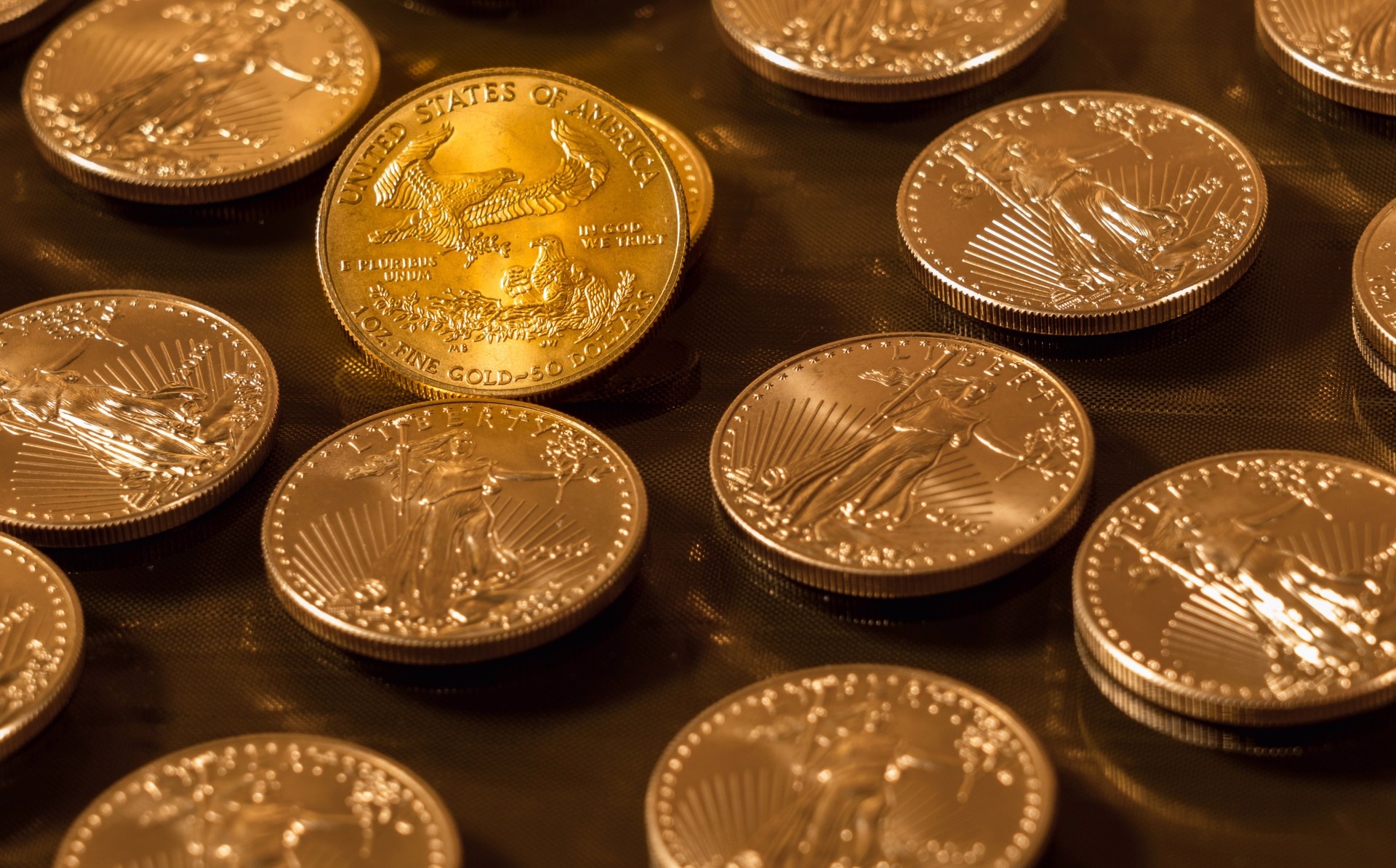
The Forces That Move Gold During a Downturn
Several levers drive gold prices amid the effects of economic downturns. Interest rates are one of the biggest. Gold pays no interest or dividends, so when central banks cut rates and real yields fall, the opportunity cost of holding gold declines, making the metal more attractive.
The U.S. dollar matters too. Gold is priced in dollars globally, so a weaker dollar often coincides with higher gold prices. Central bank buying adds another layer of support, since national reserves have leaned heavily on gold in recent years.
You can track these macro shifts using free tools from the Federal Reserve Economic Data hub. Watching them helps sharpen your bullion market analysis before you buy.
A Key Lesson From the 2008 Financial Crisis
History offers an important warning about timing. During the depths of the 2008 financial crisis, gold did not shoot straight up. In the initial panic, many investors sold gold alongside everything else to raise cash and cover losses, and the price dipped.
Then the picture changed. As central banks slashed rates and rolled out massive stimulus, gold recovered and climbed strongly in the years that followed. This pattern reveals something crucial about gold price trends. Gold can wobble during the first shock of a crisis before its safe-haven role fully takes over.
The takeaway is patience. Sound gold investment strategies treat gold as a long-term anchor, not a same-week trade.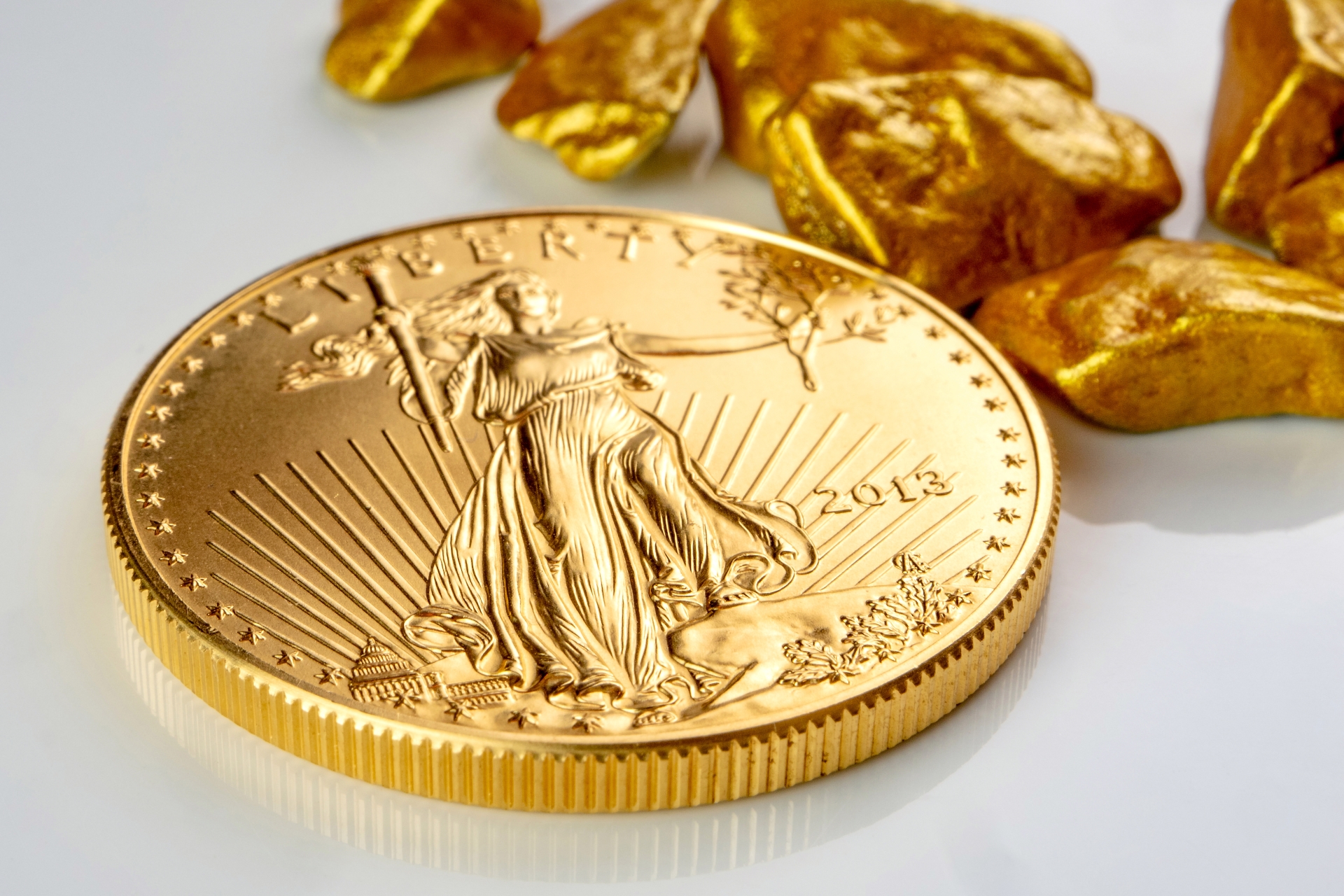
How Investors Position Gold for Uncertain Times
Most experts treat gold as a portion of a portfolio rather than the whole thing. A common guideline suggests holding between 5% and 15% in physical metals, though the right figure depends entirely on your goals and risk tolerance.
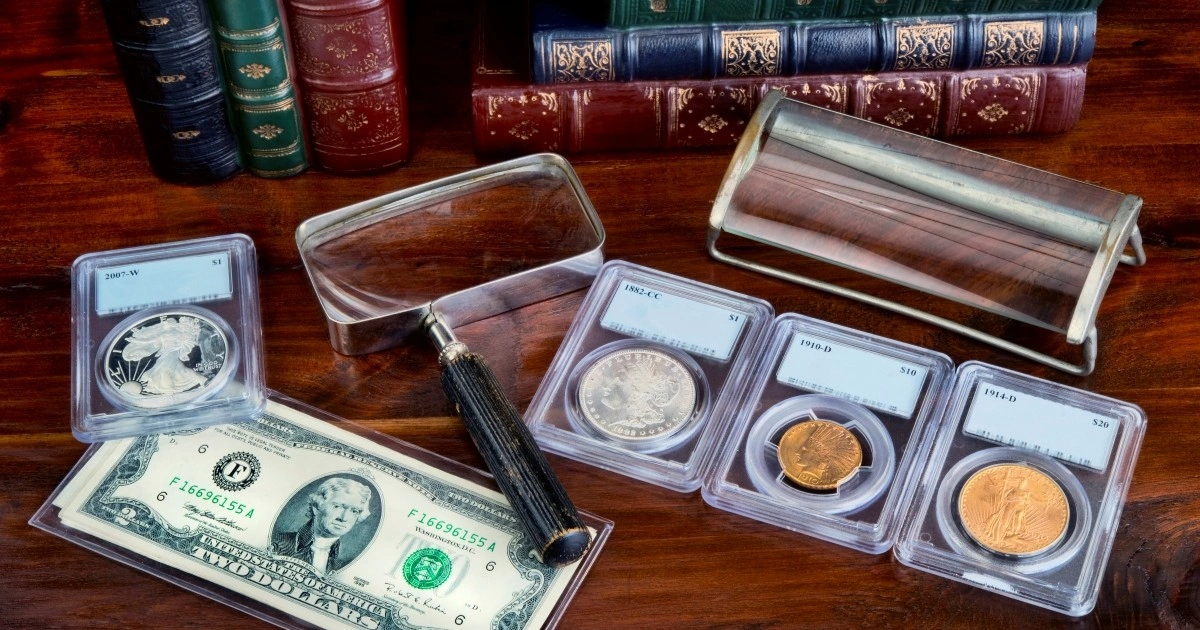
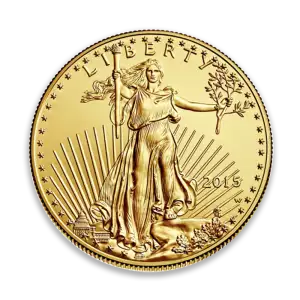
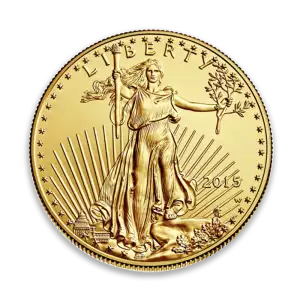
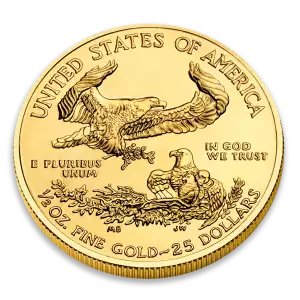
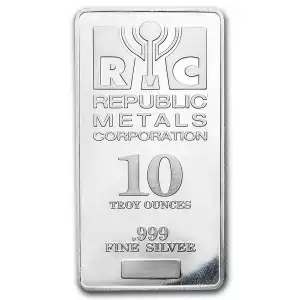
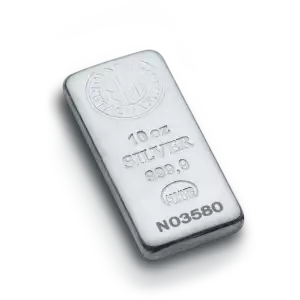
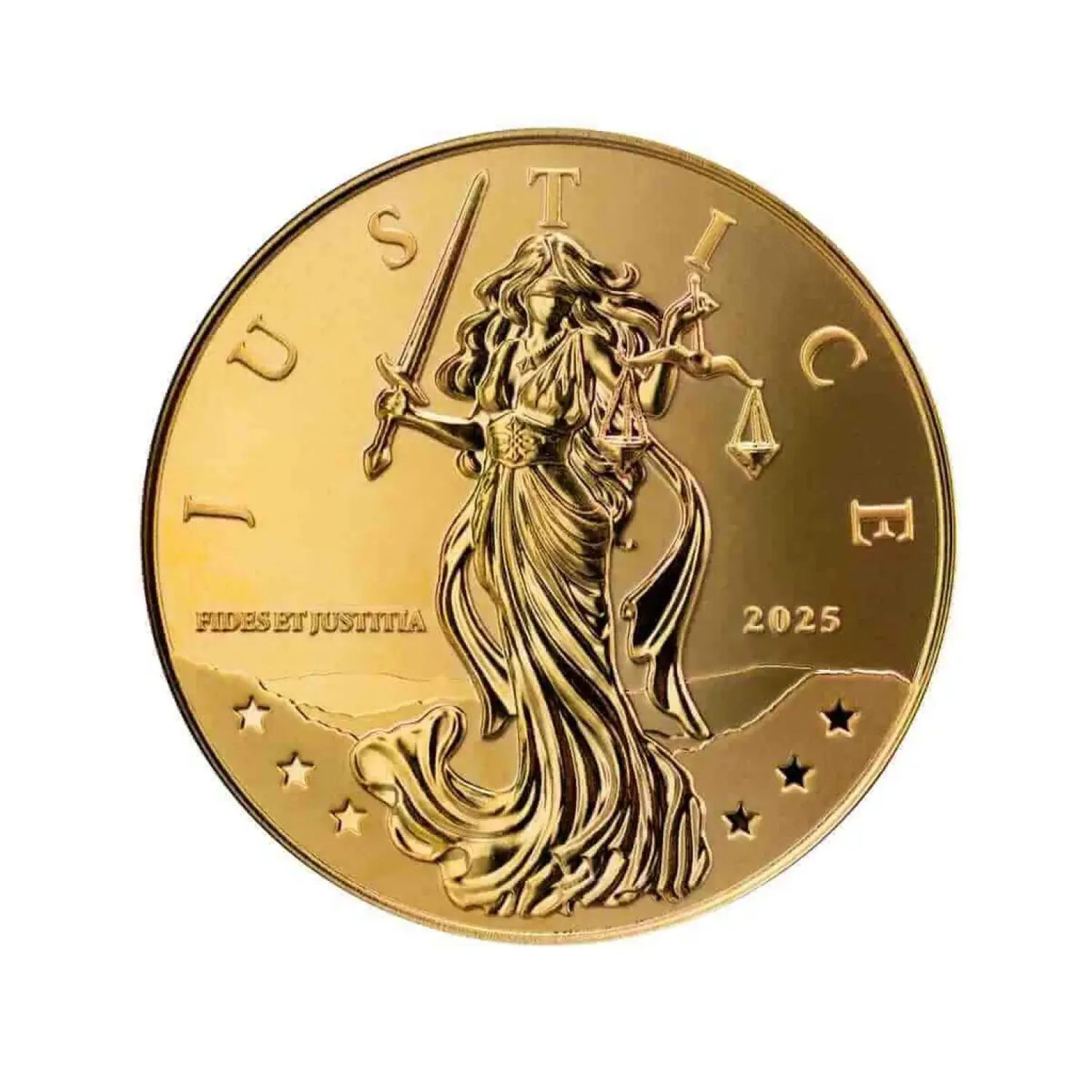
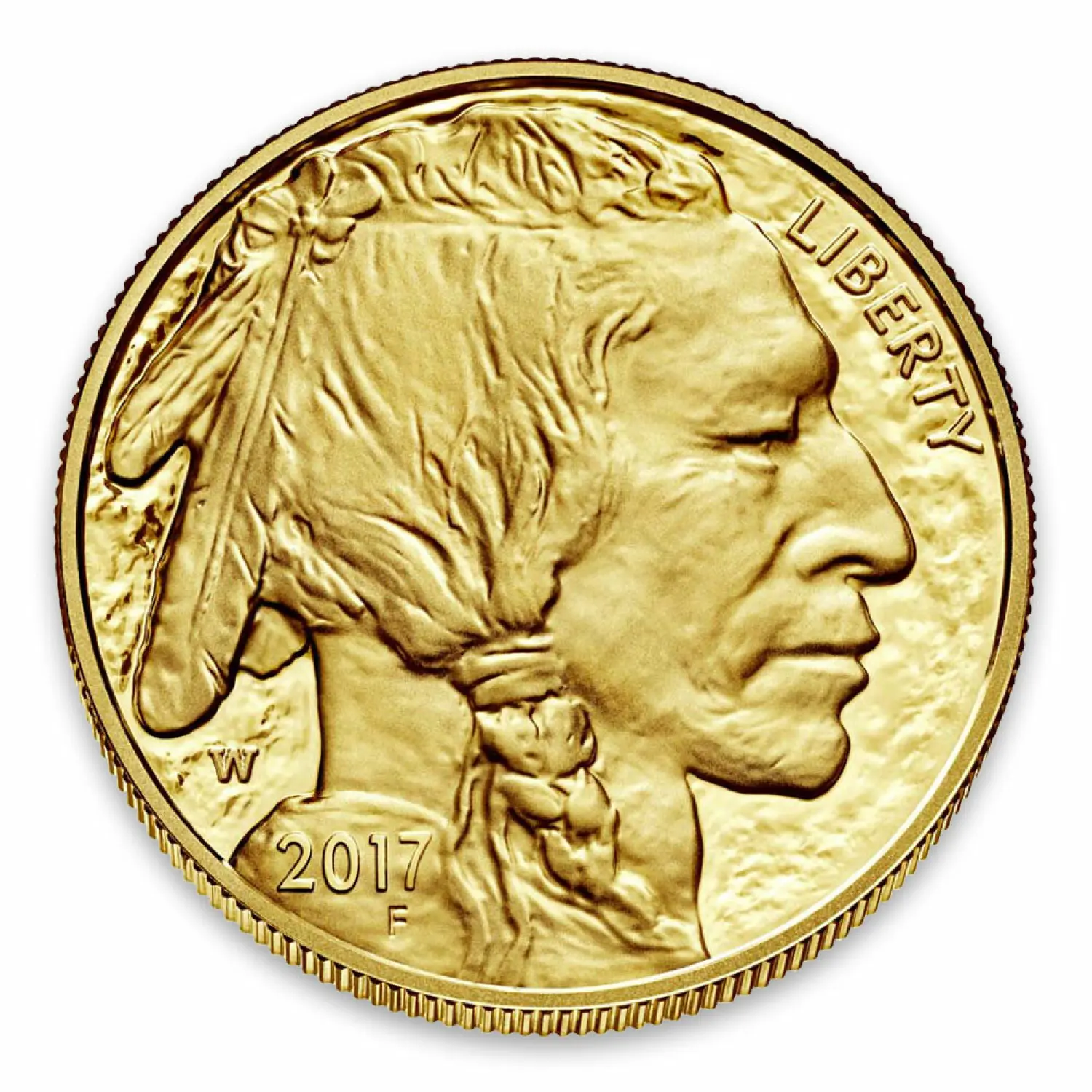
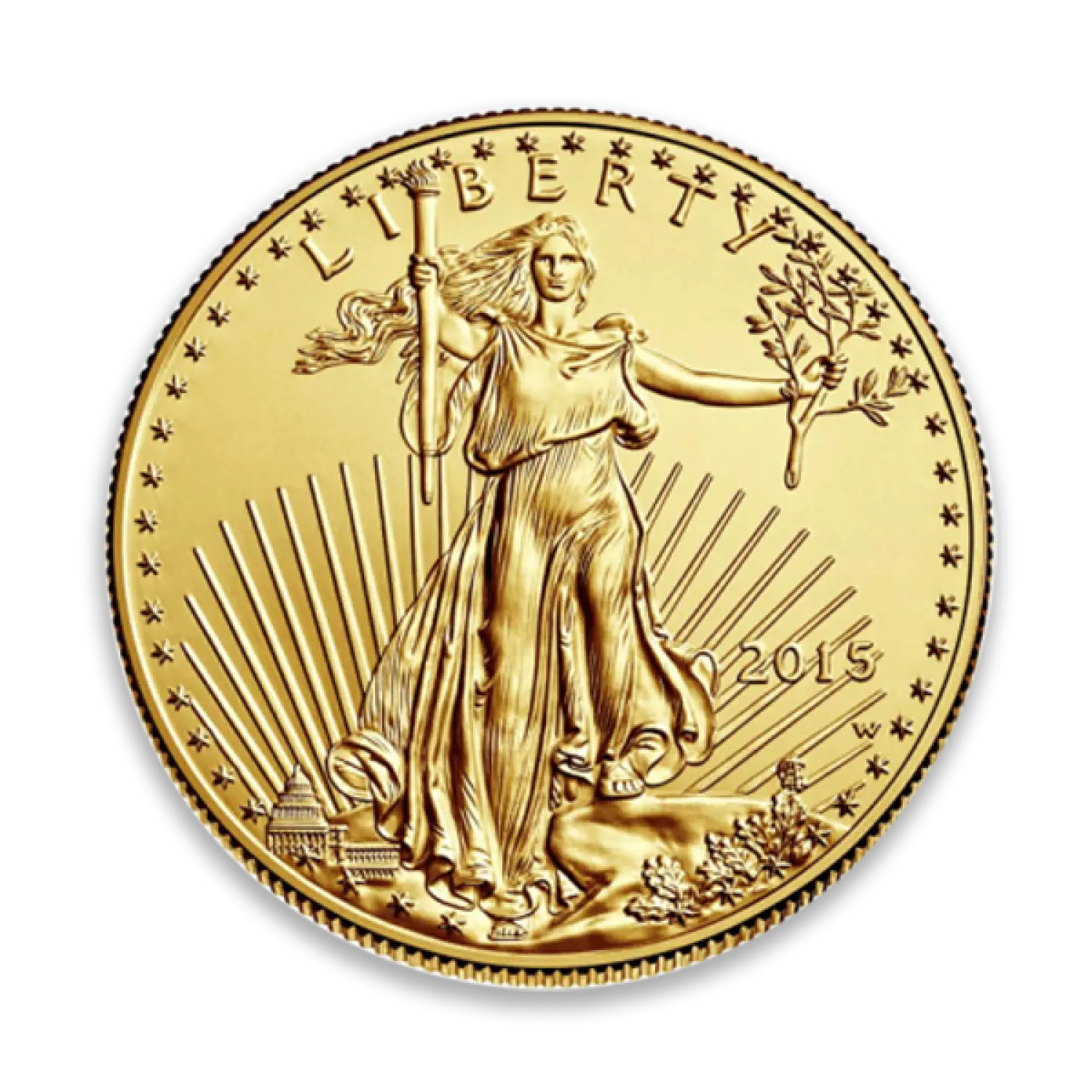
Format matters as well. Highly liquid gold coins make partial selling easy, while gold bars deliver more metal per dollar for larger allocations. Some buyers also hold gold inside a precious metals IRA for tax-advantaged exposure.
The goal is balance. A thoughtful mix gives you both flexibility and weight, ready for whatever the economy does next.
Frequently Asked Questions
Does gold always go up during a recession?
Not always. Gold can dip in the first rush for cash, as it did early in 2008, before recovering as conditions worsen.
Why do low interest rates tend to help gold prices?
Gold pays no yield, so when rates fall, its opportunity cost drops. That makes holding gold relatively more appealing.
Is gold a good hedge against inflation?
Many investors hold gold to help preserve purchasing power over time, though its short-term performance can still vary.
How much gold should I hold for economic protection?
There is no fixed rule. Many experts suggest allocating 5% to 15% of a portfolio to metals, depending on your risk tolerance.
Anchor Your Portfolio with Pacific Precious Metals
Economic downturns rattle paper assets, and that is exactly when gold's steady reputation tends to matter most. Understanding the forces behind its moves helps you buy with clarity instead of fear.
Track the live spot gold price to find your entry point, and browse our full gold inventory to compare coins and bars. Call our expert team for a free consultation whenever you are ready to strengthen your physical position.
Disclaimer:
This content is published by Pacific Precious Metals for informational and educational purposes only and is not personalized financial or tax advice. Precious metals carry risk, including the possible loss of principal. Please consult a licensed financial or tax professional before making any purchase decision.