Choosing between platinum vs white gold comes down to three main factors: upfront cost, durability, and long-term value. Platinum generally costs more but handles everyday wear differently. White gold is more affordable and looks similar, but it requires regular upkeep to maintain its bright finish.
This guide compares both metals for U.S. buyers. It helps you understand the differences and choose the one that fits your budget and lifestyle.
Platinum vs White Gold: Purity and Composition
In the U.S., platinum jewelry is commonly 90%-95% pure. White gold, on the other hand, is made by mixing yellow gold with white metals such as nickel, palladium, or silver. A 14K piece contains 58.3% gold, while an 18K piece contains 75% gold. Most white gold jewelry also has a rhodium coating that gives it a bright, silvery finish. 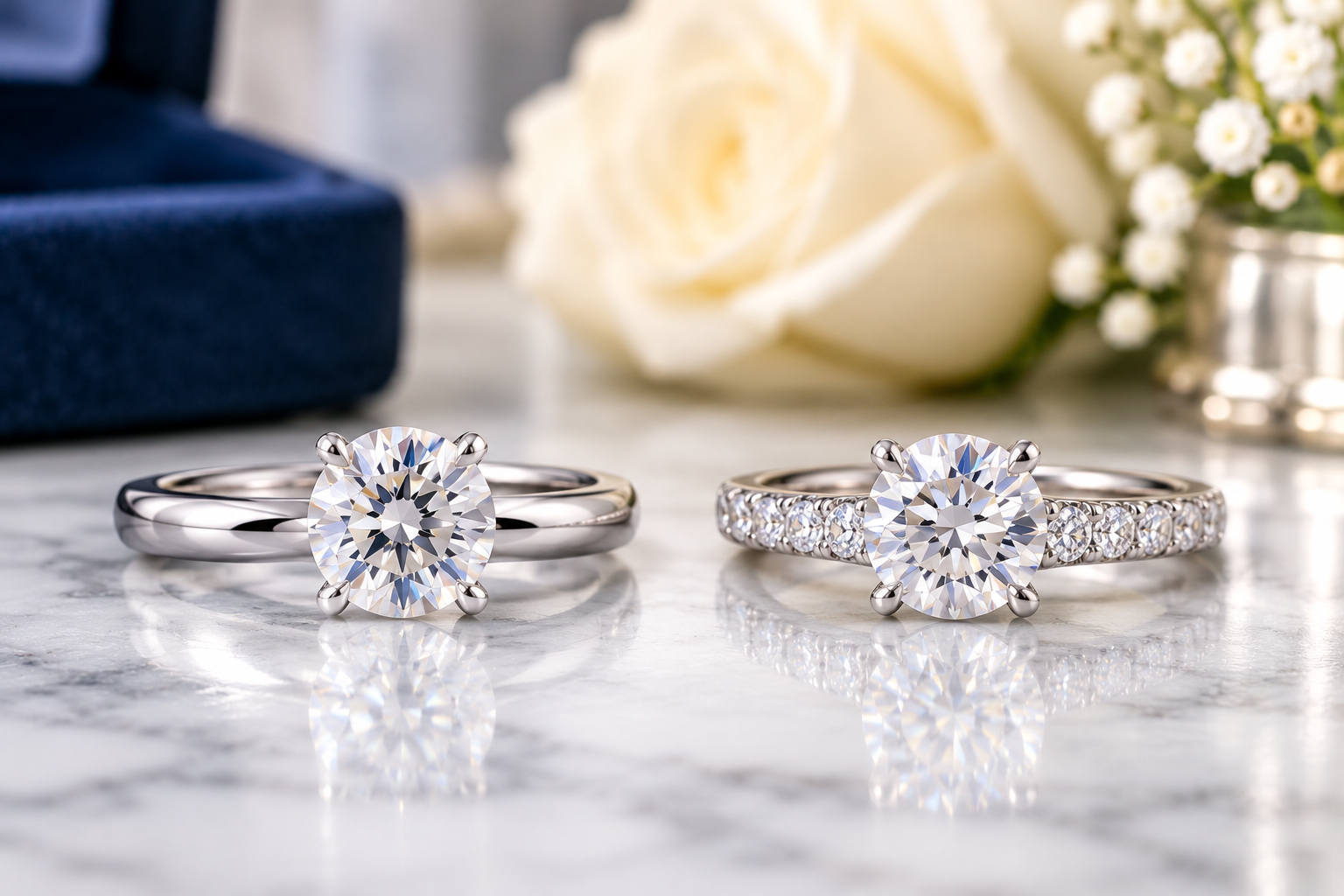
Platinum is naturally white and does not need this coating. These differences affect each metal's cost, wear, and resale value.
Features | Platinum | White Gold |
Typical Purity | 90% to 95% platinum | 14K (58.3%) or 18K (75%) gold |
Color | Naturally White | White Alloy |
Weight | Dense | Lighter |
Upkeep | Occasional P |
Cost: Why Platinum Jewelry Usually Costs More
Platinum jewelry generally costs more for three reasons. First, it has a high precious metal content. Second, platinum is denser, so a platinum ring uses more metal by weight than the same design in white gold. Third, platinum is more difficult to work with, which increases labor costs.
White gold is more affordable because 14K and 18K alloys contain less gold per piece. The price difference also changes with spot prices for platinum and gold. When comparing quotes, check the metal weight and purity to understand what you are paying for.
Durability: How Platinum and White Gold Wear Over Time
How Each Metal Handles Scratches
Although both metals can scratch, they react differently to everyday wear. Platinum is dense and, when scratched, tends to shift rather than lose metal, which is why platinum jewelry prongs can securely hold gemstones for many years. In contrast, white-gold prongs can slowly thin as a small amount of metal wears away from the edges.
Rhodium Plating and Upkeep
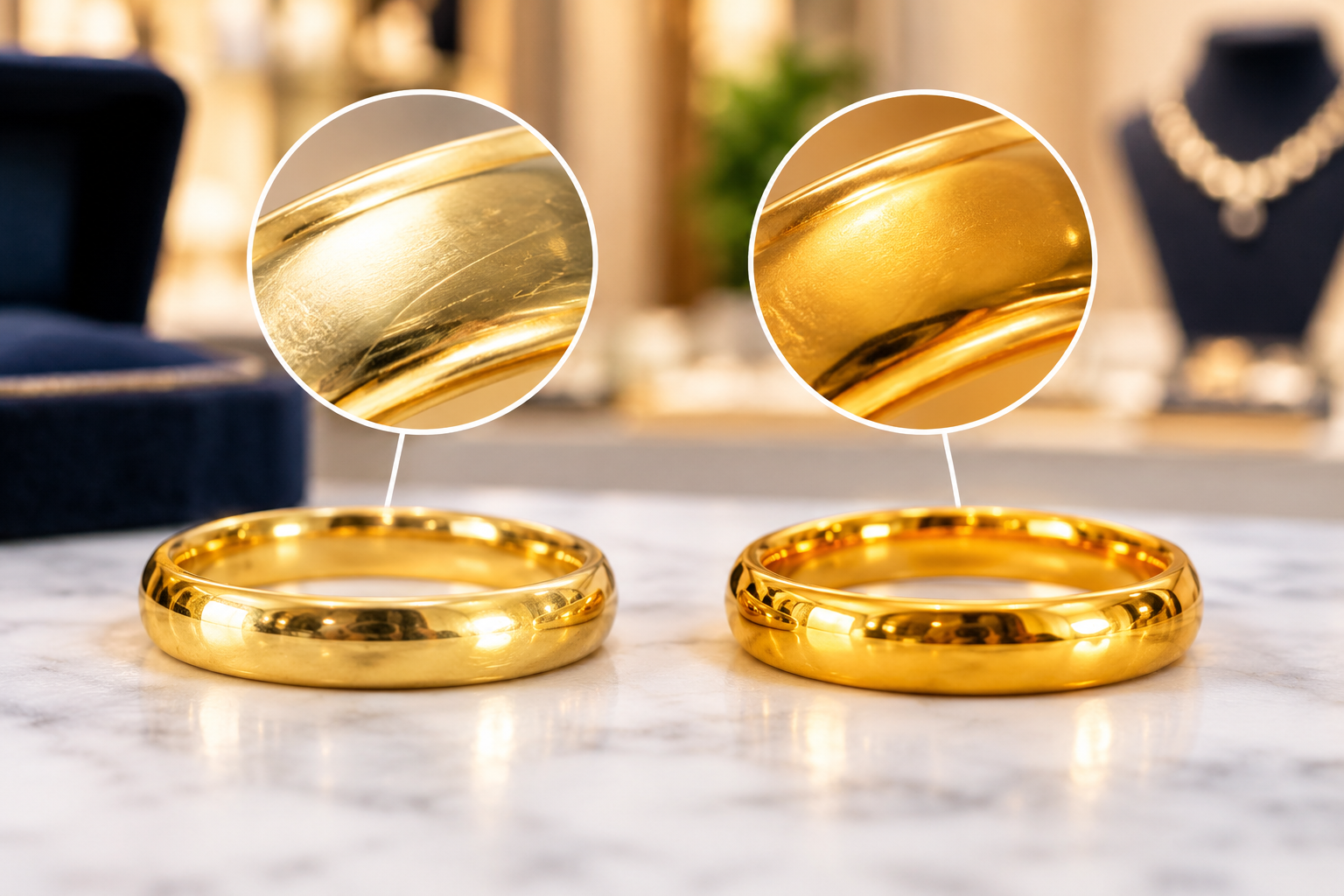
The rhodium coating on white gold tends to wear off with normal use, revealing the more yellow color of the gold beneath. As a result, many owners have their jewelry replated every so often to restore its shine.
Platinum doesn't need plating, but if you want a smooth, mirror-like finish, a jeweler can polish off its natural patina.
Weight, Comfort, and Skin Sensitivity
When you hold it, platinum can feel considerably heavier. Some people enjoy this weight, but others find it less comfortable to wear every day. White gold is lighter, so it's a good option for wider bands and larger designs.
You should also consider skin sensitivity. Because platinum is high purity, it generally doesn't irritate skin, whereas some white gold alloys contain nickel, which can cause reactions in people allergic to nickel. So, if your skin is sensitive, check the alloy composition before you buy white gold jewelry.
Long-Term Value: What Each Metal Is Worth Over Time
Jewelry's long-term resale value is determined more by its metal content than its style. When you sell jewelry to us, we base our offer on the amount of precious metal it contains, taking into account its purity, weight, and the current spot price. The brand and design do not affect this calculation.
Pacific Precious Metals tests each piece using X-ray fluorescence and weighs it on government-certified scales. Platinum with 90% to 95% purity contains more precious metal per gram than 14K white gold, although its actual value depends on platinum and gold market prices.
For insurance purposes, Jewelry appraisals provide a replacement value from a GIA-certified gemologist. You can also sell gold, silver, or platinum jewelry for cash at our Bay Area stores.
How to Choose Between Platinum and White Gold
The right choice depends on how you plan to wear and maintain your jewelry.
Choose platinum if you want a ring for daily wear, have sensitive skin, or prefer less upkeep.
Choose white gold if you want a lower upfront cost, a lighter feel, or a larger design.
Compare quotes by metal weight and purity, rather than appearance alone.
Plan for replating if you choose white gold.
Neither metal is the best choice for everyone. Consider your budget, comfort, and willingness to maintain the jewelry before deciding.
Frequently Asked Questions
Is platinum better than white gold?
Platinum is a good choice if you prefer low upkeep, have sensitive skin, or want a metal for daily wear. White gold suits buyers looking for a lower upfront cost and a lighter piece.
Does platinum last longer than white gold?
Both metals can last for generations with proper care. Platinum retains its natural white color without replating, while white gold needs its rhodium coating renewed over time.
Is platinum worth more than white gold when you sell it?
Platinum jewelry generally contains more precious metal per gram than 14K white gold. The final offer depends on purity, weight, and the current spot price, which we verify through X-ray fluorescence testing and weighing at our stores.
Does white gold turn yellow?
White gold can develop a yellowish appearance as its rhodium coating wears away, revealing the warmer gold underneath. A jeweler can replate the piece to restore its bright white finish.
Choosing What Fit Your Goals
Choosing between platinum vs white gold depends on your priorities, not a single winner. Platinum costs more, feels heavier, and requires less upkeep. White gold is more affordable and lighter but needs replating over time.
For resale, metal content, purity, and weight matter most. To learn what your jewelry contains, visit one of the Bay Area stores for testing and a clear explanation of the results.
Disclaimer: This content is provided by Pacific Precious Metals for educational purposes only and is not financial or tax advice. Precious metals carry risk, including possible loss of principal, so please consult a licensed advisor before investing.