Gold plated jewelry has a thin layer of real gold over another metal. Because the coating contains so little gold, its scrap value is usually low.
So, is gold plated jewelry worth anything? Yes, but its value generally comes from wearing it as fashion jewelry rather than selling it for its gold content.
The actual value depends on the gold layer, the base metal underneath, and the design. This guide explains how much the gold coating may be worth, how dealers in the U.S. test jewelry, and how gold plated pieces compare with vermeil and solid gold.
What Gold Plated Jewelry Is Made Of
Gold plated jewelry has a gold coating over a base metal. The underlying metal and the thickness of the gold layer can vary. Over time, regular wear can cause the coating to fade or wear away.
Solid gold jewelry is different because it is made from a gold alloy throughout the piece. Common grades include 10K, 14K, and 18K. Gold vermeil falls between the two, with a layer of real gold over sterling silver.
Here is how they differ:
Type | Base Material | Main Value Factor |
Gold Plated | Varies | Gold Layer, Base Material |
Gold Vermeil | Sterling Silver | Gold, Silver Design |
Solid Gold | Gold Alloy | Karat, Weight, Design |
How Much Is the Gold Layer Worth?
The gold coating on plated jewelry usually contributes very little to its scrap value. Gold plated pieces generally have a thinner coating than vermeil, and the metal underneath may have little or no precious metal value.
Therefore, is gold plated jewelry worth anything when sold as scrap? In most cases, not much.
Consider two necklaces that look alike. One is made of 10K solid gold, so its gold content and weight help determine its value. The other is gold plated, meaning most of its weight comes from the base metal, with gold only on the surface. This is why two similar-looking necklaces can receive very different offers.
What Affects the Value of Gold Plated Pieces
Four main factors influence the value of gold plated jewelry:
Gold Layer: A thicker, intact coating contains more gold and generally lasts longer.
Base Metal: The underlying metal affects the piece's weight and whether it has any additional metal value.
Design: Style and fashion appeal can make a difference when selling a piece for resale rather than scrap.
Wear: Friction, moisture, and chemicals can gradually wear away the gold coating, exposing the metal underneath.
When selling jewelry for its metal content, Pacific Precious Metals bases its offers on the metals present. Condition, brand, and design do not change the offer.
How Dealers Test Gold Plated Jewelry
Testing helps determine what a piece is actually made of. Pacific Precious Metals uses X-ray fluorescence (XRF) testing to identify metals in jewelry, including gold, silver, copper, zinc, and nickel.
Staff weighs each item in front of the seller using government-certified scales. The offer is based on the metal's purity, weight, and the current spot price. Testing a few items takes about 5 to 10 minutes. You don't need an appointment at the four Bay Area stores in Sausalito, Palo Alto, Fremont, and Walnut Creek.
Gold Plated vs. Vermeil vs. Solid Gold When You Sell
The materials used to make a piece determine how a dealer evaluates it:
Solid Gold: Valued by karat and weight because gold is present throughout the piece.
Gold Vermeil: Both the gold coating and the sterling silver base contribute to its material value.
Gold Plated: The coating contains a small amount of gold, while the base metal makes up most of the piece.
Gold vermeil shouldn't be valued the same way as solid gold, and plated jewelry also needs proper testing to determine its composition.
How to Check What Your Jewelry Is Made Of
Two simple steps can help you understand what your jewelry contains before selling it.
Read the Markings and Paperwork
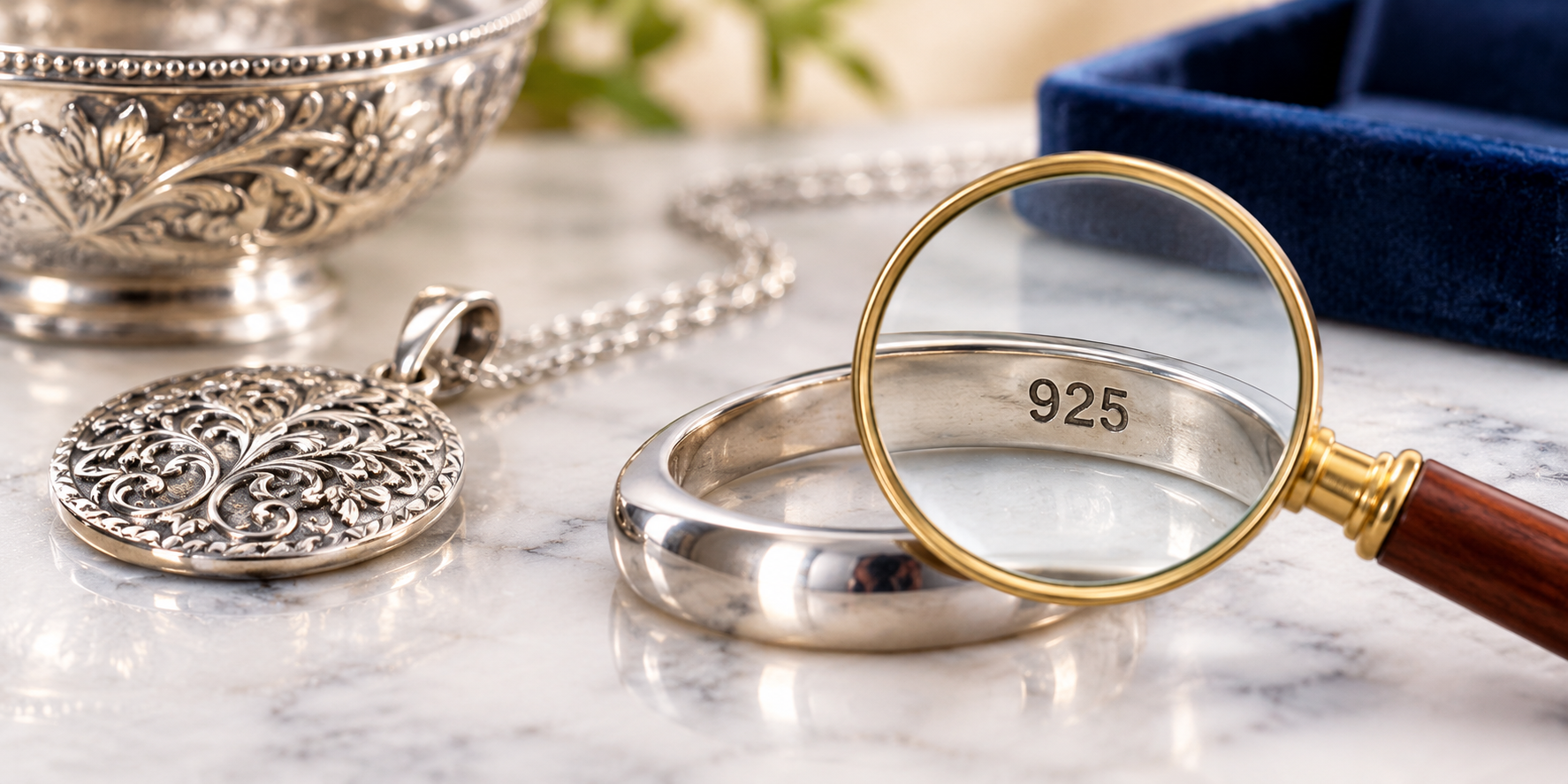
Check the clasp or inside of a band for a karat stamp, base-metal information, or details about the gold plating. Product descriptions and receipts can also help identify the materials. If the markings are missing or unclear, testing can provide a more reliable answer.
Get the Piece Tested
Pacific Precious Metals charges $15 per item for assaying when you bring one to five items. XRF testing identifies the metals in a piece and measures their percentages. This helps establish whether the jewelry is gold plated, vermeil, or solid gold.
Frequently Asked Questions
Can you sell gold plated jewelry for cash?
A dealer can test gold plated jewelry, but any offer depends on its metal content. As the thin gold coating adds little value, dealers generally offer much less than they would for solid gold.
Does gold plating wear off?
Yes. Friction, moisture, chemicals, and regular handling can gradually wear away the gold coating, exposing the metal underneath.
Is gold plated the same as gold vermeil?
No. Gold vermeil requires a sterling silver base, at least 10-karat gold, and a gold coating at least 2.5 microns thick. Gold plated jewelry can have different base metals and coating thicknesses.
How can you tell if jewelry is gold plated or solid gold?
Start by checking the hallmark, karat stamp, and product description; if the markings don't give a clear answer, professional XRF testing can determine the jewelry's composition.
Is Gold Plated Jewelry Worth Keeping or Selling?
Gold plated jewelry is an affordable option for everyday fashion, but its thin gold coating usually has little scrap value. Is gold plated jewelry worth anything? Its value often comes from its appearance and usefulness as jewelry rather than the amount of gold it contains.
Solid gold and gold vermeil differ in composition and may offer more metal value. If you are unsure what a piece contains, have it tested and weighed at a Pacific Precious Metals store before deciding whether to keep or sell it.
Disclaimer: This content is provided by Pacific Precious Metals for educational purposes only and is not financial or tax advice. Precious metals carry risk, including possible loss of principal, so please consult a licensed advisor before investing.