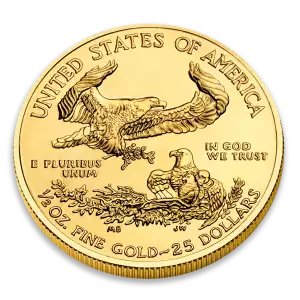
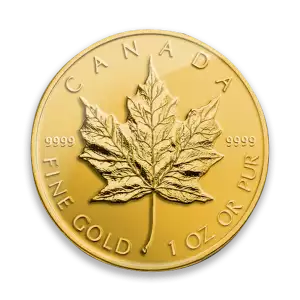
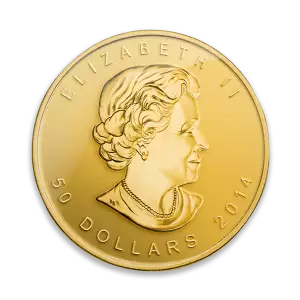
You inherit a box of coins, a few gold pieces, or jewelry that has been in the family for years. Then comes the obvious question: what is all of this actually worth?
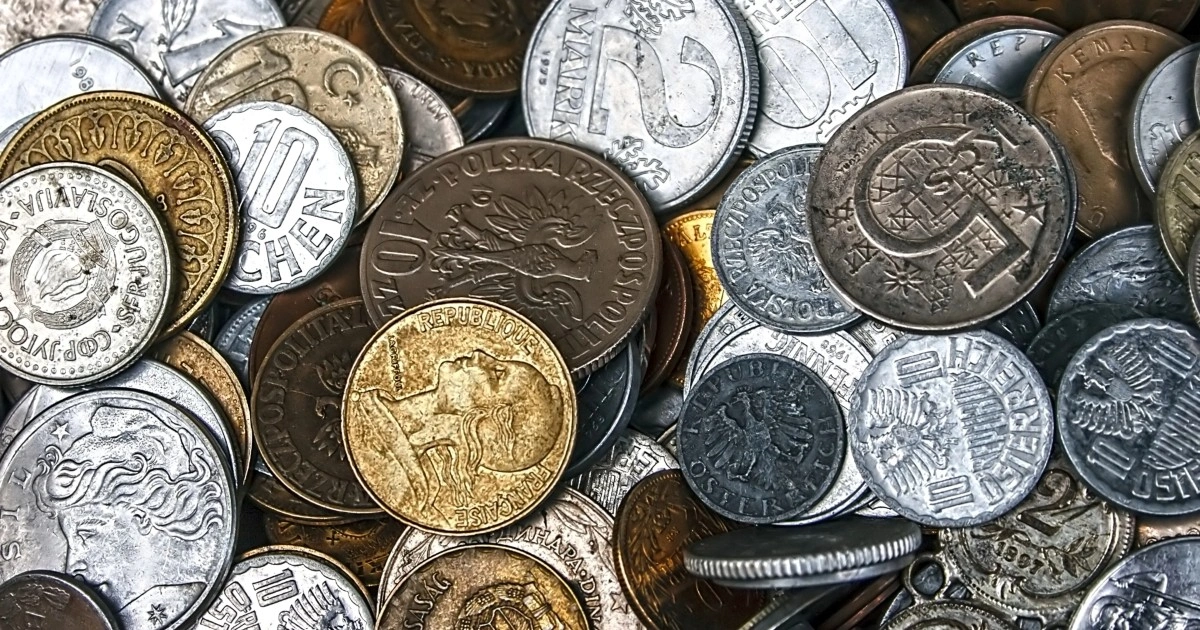
We see this situation often. Inherited gold and silver coins are not all valued the same way. Some are worth mostly their metal content. Others can carry extra value because of rarity, condition, age, or collector demand.
This blog breaks down what to check before you sell inherited gold and silver coins or request an appraisal, so you can sort the collection, spot pieces that deserve a closer look, and decide what to do next.
Sort Inherited Gold and Silver Coins Before You Sell
Do not start by cleaning, polishing, or selling anything. First, separate the collection into basic groups:
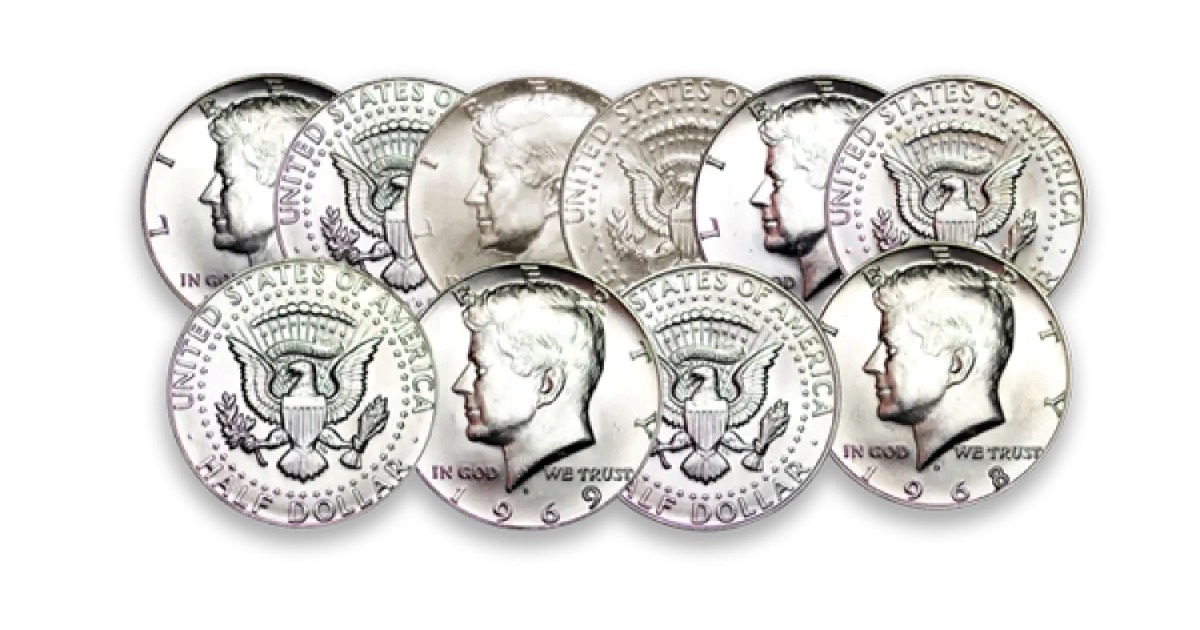
Gold and silver coins
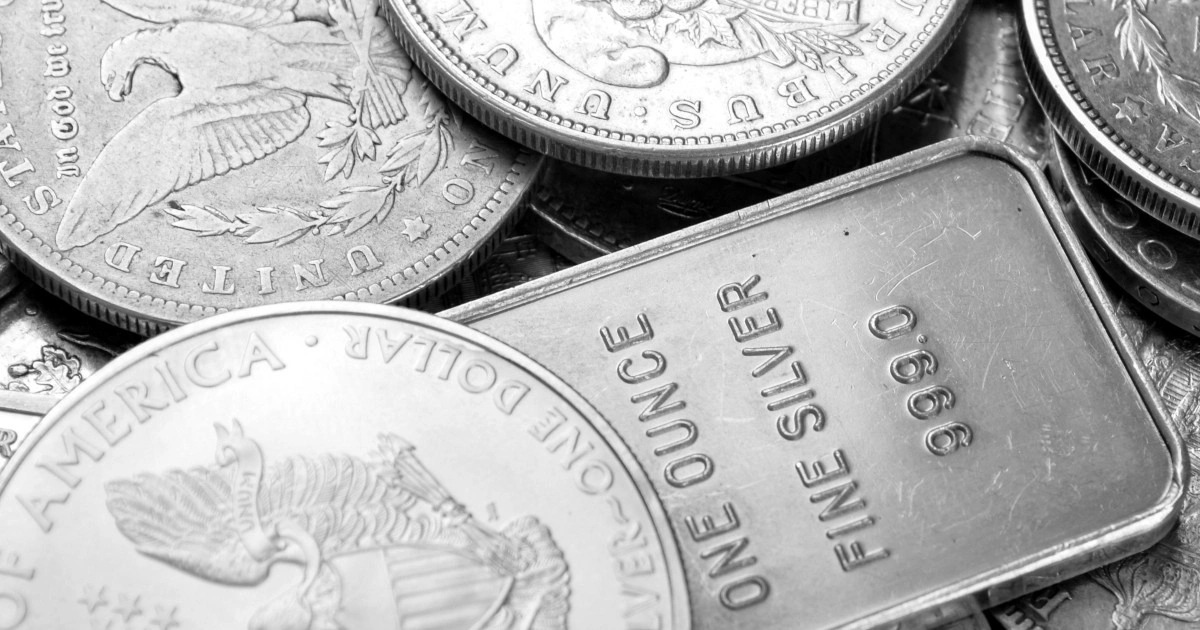
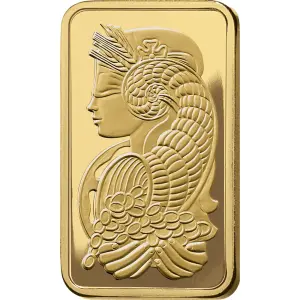
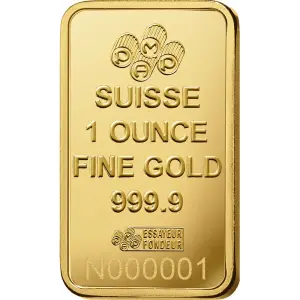
Bullion bars and rounds
Gold or silver jewelry
Coins in original holders or packaging
Pieces with receipts, certificates, or old appraisal records
Keep any paperwork you find. It may help identify where an item came from or whether it was previously appraised.
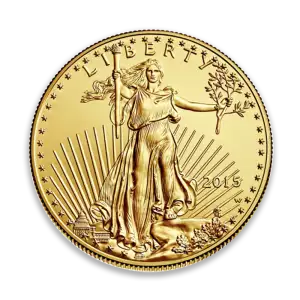
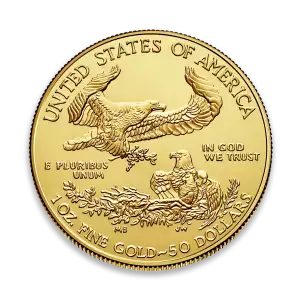
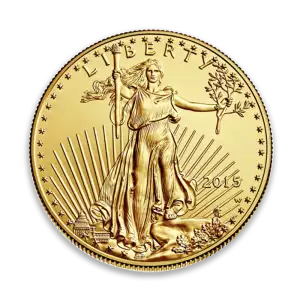
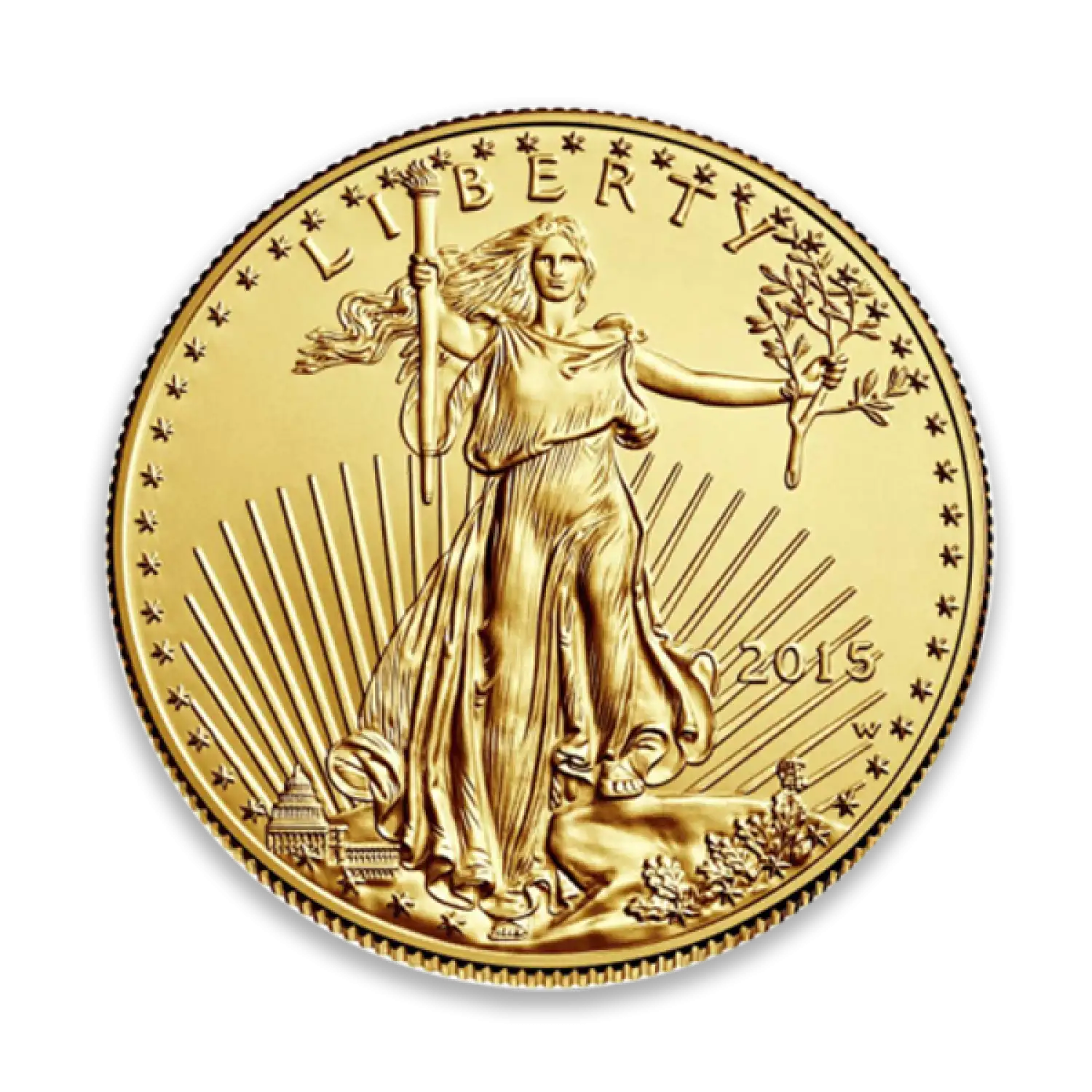
A gold coin can be bullion, collectible, or sometimes both. The differences between gold coins and bullion are worth understanding before you decide what should be sold as metal and what deserves a closer look.
What to Do With Inherited Gold, Silver, and Jewelry
Different items need different evaluations.
What you inherited | What usually matters most |
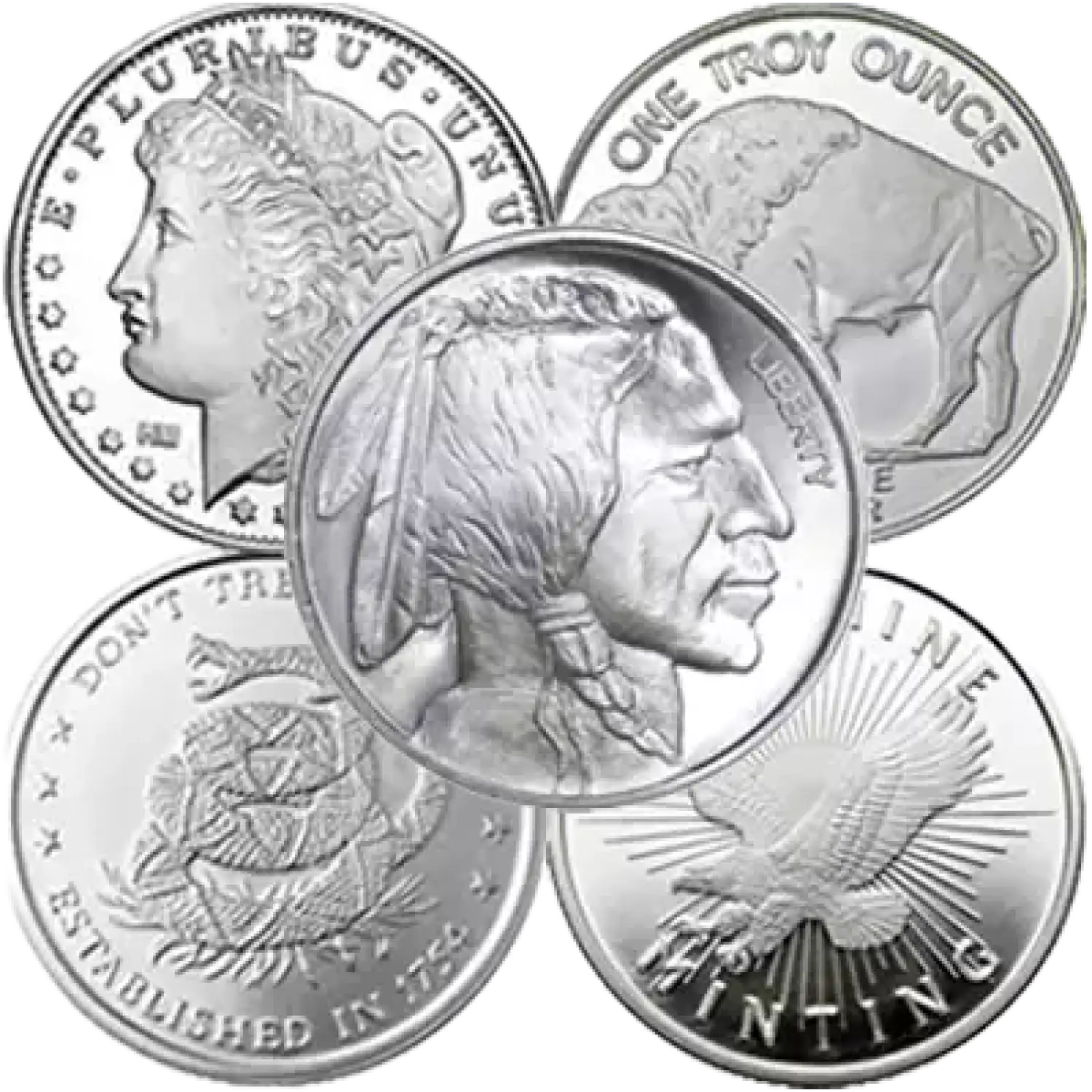
Bullion bars and rounds | Weight, purity, and spot price |
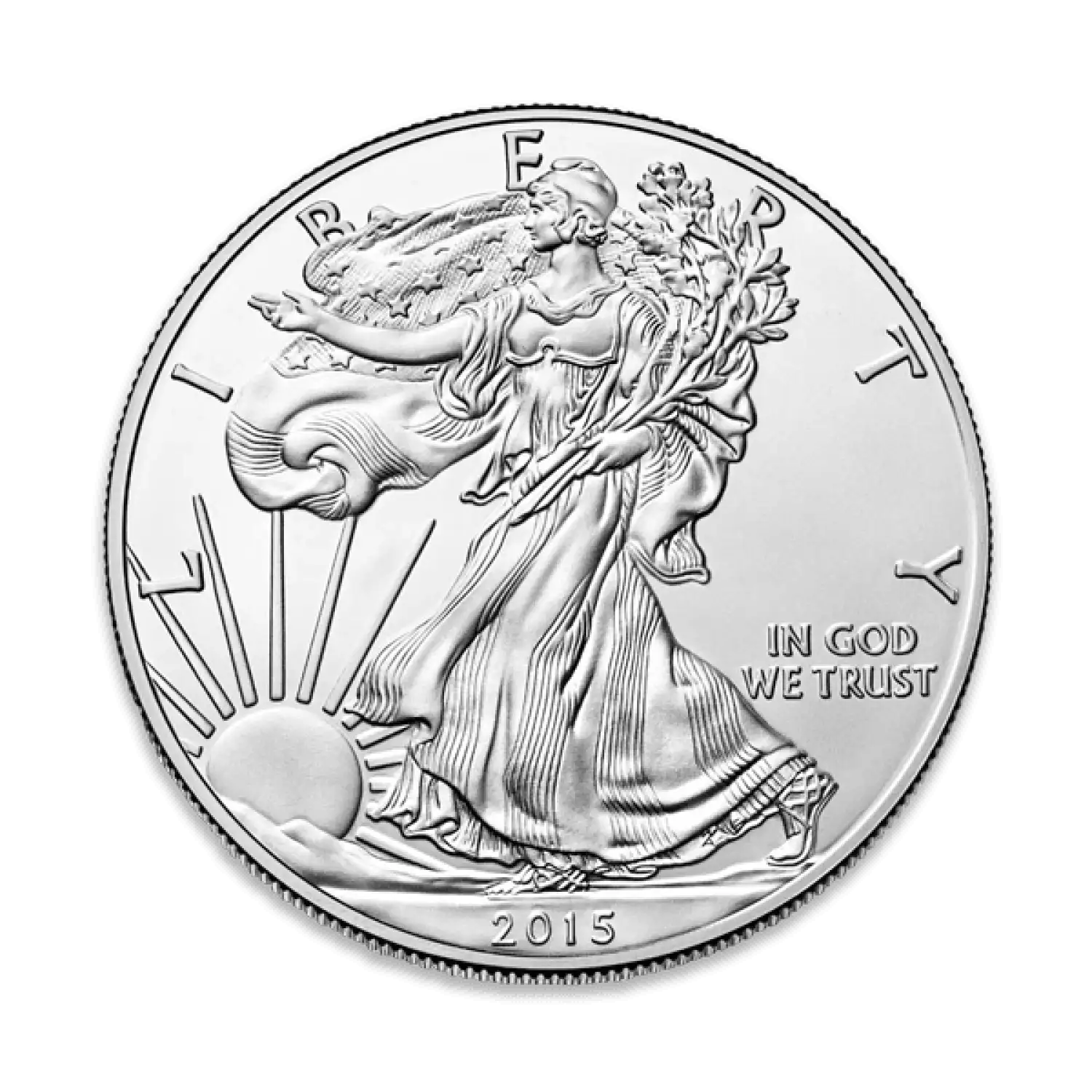
Modern bullion coins | Metal value plus the coin's premium |
Collectible coins | Rarity, date, mint mark, and condition |
Gold jewelry | Karat, weight, gemstones, and workmanship |
For straightforward bullion, the basic idea is simple:
Metal weight × purity × spot price = approximate melt value
That gives you a starting point, not necessarily the amount you would receive when selling.
If the metal content is unclear, professional precious metal assaying can confirm what you actually have.
Get a Closer Look Before Selling Coins or Jewelry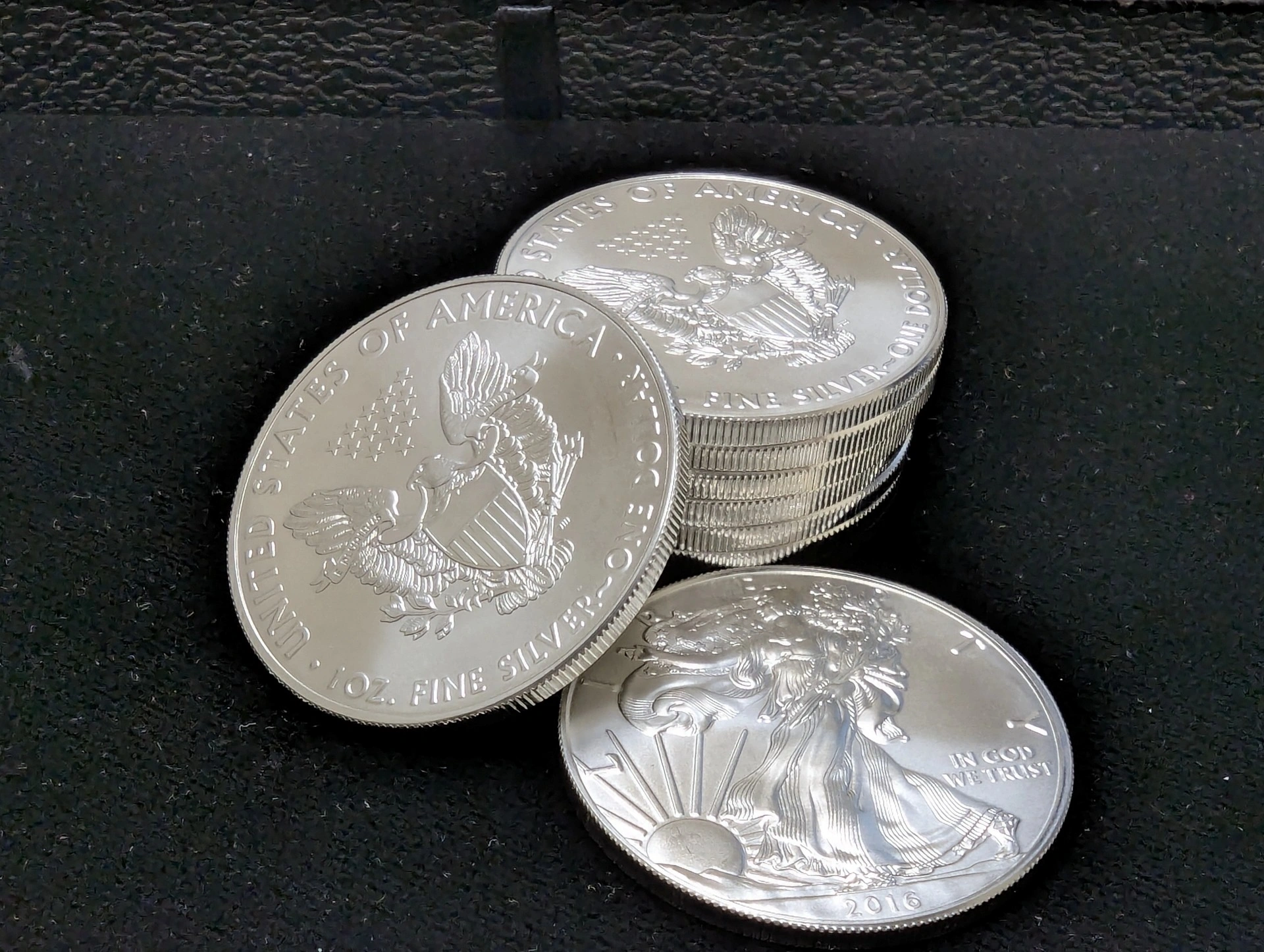
Selling inherited coins too quickly can cause you to miss important details. An older coin is not automatically rare, but some pieces carry collectible value well above their melt value.
The same goes for silver coins. Before melting anything or treating it as scrap, check the date, mint mark, condition, and collector demand.
Appraising inherited jewelry works a little differently. Karat and weight help establish the metal value, but gemstones, design, craftsmanship, and age may also matter. A professional jewelry appraisal can give you a clearer picture before you decide what to do next.
Decide What to Keep, Appraise, or Sell
You do not need to make one decision for the whole collection.
You might keep sentimental pieces, appraise anything unusual, and consider selling common bullion separately. If metal value is the main factor, checking the current spot gold price or spot silver price gives you a useful reference point.
Frequently Asked Questions About Inherited Gold and Silver Coins
Should I clean inherited coins before an appraisal?
No. Cleaning can damage the surface and reduce collectible value.
Are old gold coins always worth more than their gold content?
No. Some carry collectible premiums, while others are valued mainly for their metal.
Does inherited jewelry need an appraisal before selling?
Not always, but an appraisal can help when gemstones, craftsmanship, age, or design may affect value.
How do I know if inherited silver coins are collectible?
Check the date, mint mark, condition, rarity, and whether buyers pay more than melt value.
Do I owe taxes when I sell inherited gold or coins?
Possibly. For inherited property, your tax basis is generally tied to its fair market value at the date of death, subject to exceptions, so keep estate records and consult a qualified tax professional before calculating any gain.
Understand What You Have Before You Sell
Inherited metals can include everything from ordinary bullion to pieces with genuine collectible or sentimental value. A careful review helps you separate one from the other.
If you are still unsure what belongs in each category, Pacific Precious Metals can help you decide your next step through testing, appraisal, or a free consultation before you decide to sell.
Disclaimer: This content is provided by Pacific Precious Metals for educational purposes only and is not financial or tax advice. Precious metals carry risk, including possible loss of principal, so please consult a licensed advisor before investing.