You finally decided to buy gold. Smart move. Then you open a dealer's menu and hit your first snag. One tab says gold coins. Another says gold bullion. They look like two separate things. So which one do you actually need?
Here is the short version. The two categories overlap far more than most beginners expect. But the remaining differences can affect your premium, your resale options, and even whether the metal is allowed in a retirement account.
We answer this exact question every week. This blog breaks down the real differences between gold coins and bullion so you can shop with a clear head and put your money exactly where it belongs.
What Counts as Gold Bullion?
Bullion is any gold valued mainly for its metal content rather than its rarity. That bucket includes bars, rounds, and modern bullion coins. The price of every bullion product tracks the live spot gold price plus a premium that covers refining, minting, and distribution.
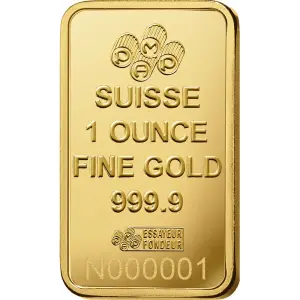
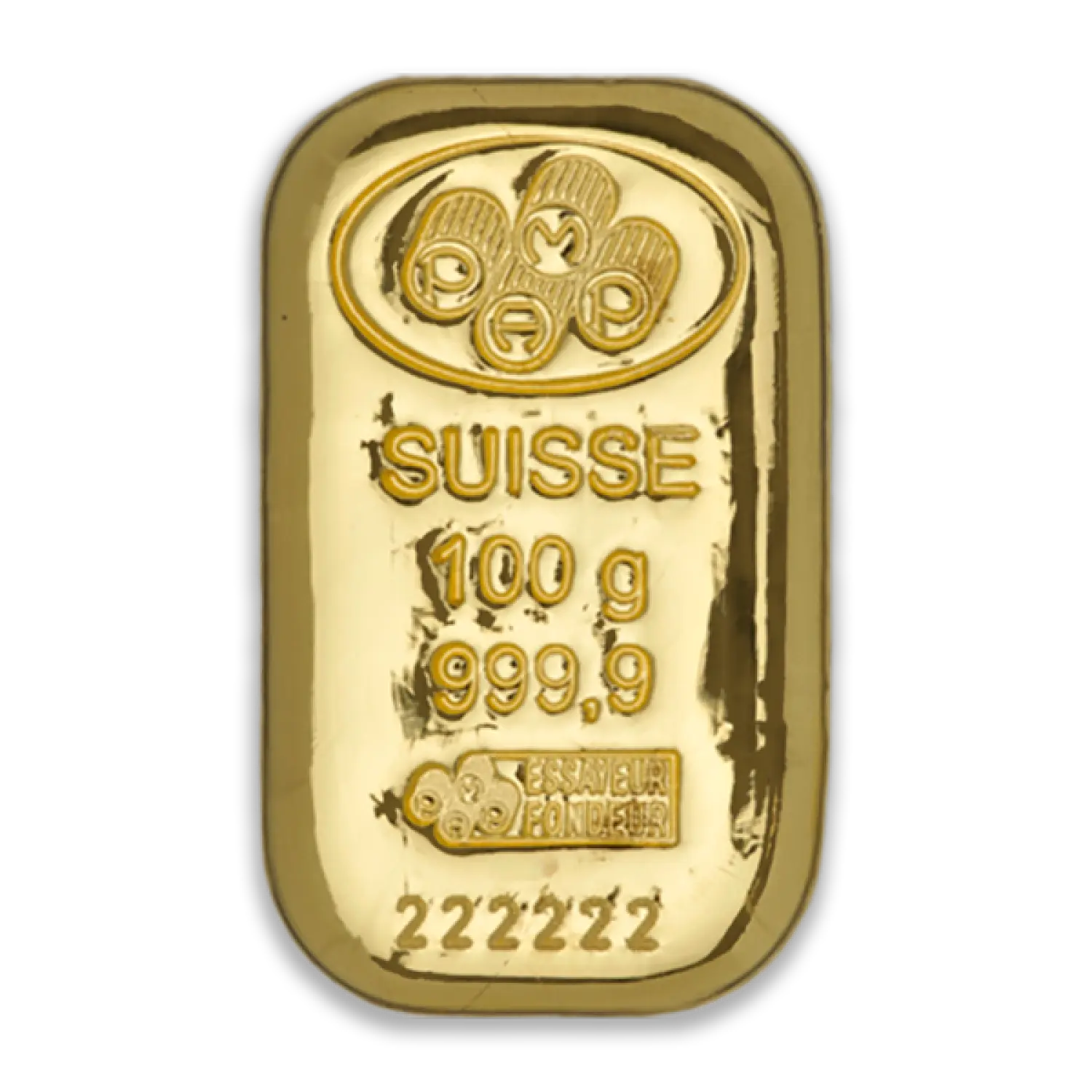
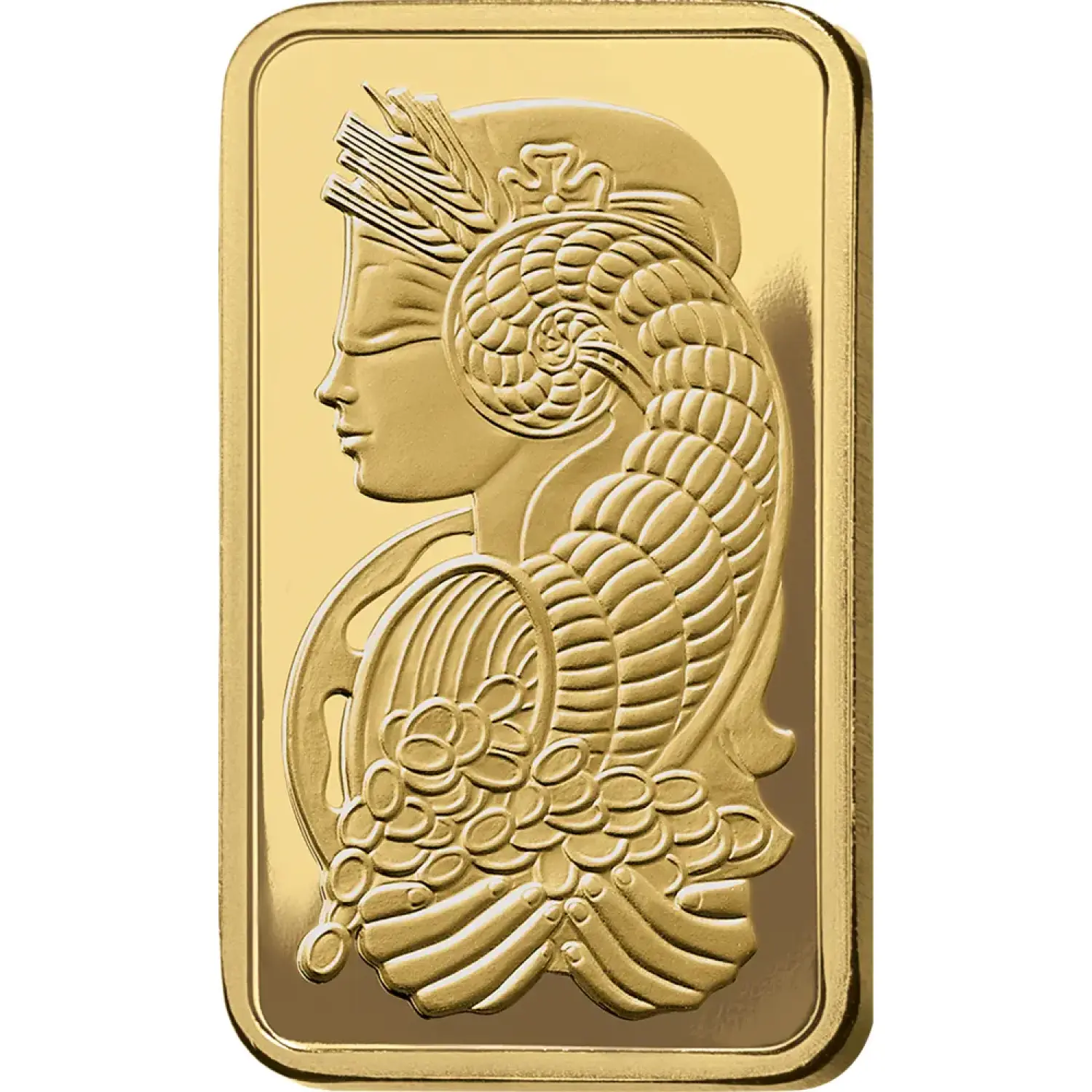
Purity is the headline feature. Most modern gold bullion carries a fineness of .999 or higher. Gold bars are the cleanest example. You pay close to the melt value and collect the most weight for your budget. Rounds behave the same way, just without any legal tender status.
Bullion exists to do one job well. It stores wealth in a compact form that dealers anywhere will recognize and buy back. As a rule, the bigger the bar, the lower your premium per ounce.
Where Gold Coins Fit In
Here is the part that trips people up. Coins are not the opposite of bullion. Many coins are bullion. The trick is to split coins into two families.
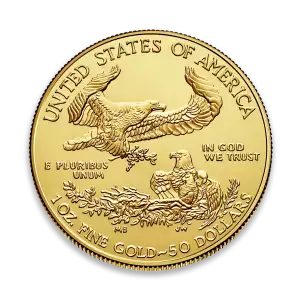
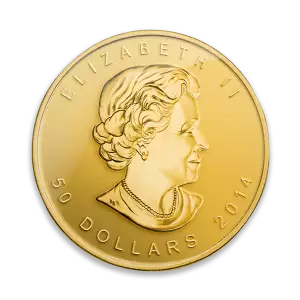
The first family is bullion coins. The American Gold Eagle and the Canadian Gold Maple Leaf are perfect examples. A national mint strikes them, stamps their legal-tender face value, and guarantees their exact weight and purity. They still trade on metal content. You simply pay a slightly higher premium than a plain bar in exchange for that government backing and global trust. The Eagle is struck in 22 karat gold (.9167 fine), while the Maple Leaf is a purer .9999.
The second family is numismatic, or collectible, coins. Their value comes from rarity, mintage figures, age, and physical condition rather than raw weight. A scarce historic piece can sell for many times its melt value. Professional graders like PCGS and NGC assign condition scores that heavily influence the price.
Browse the full lineup of gold coins, and you will see both families sitting side by side.
 The Real Differences That Affect Your Wallet
Premiums separate the categories most clearly. Bars carry the lowest markup. Bullion coins sit in the middle. Collectible coins carry the steepest premiums because you are paying for scarcity and history on top of the metal.
Liquidity is the next big factor. Recognized bullion coins are some of the easiest gold to sell in any market on earth. A buyer in another country knows an Eagle on sight. Generic bars are also liquid, though large bars can be harder to split when you only want to sell part of your stack.
Divisibility quietly favors coins. Fractional gold coins let you sell a little at a time instead of liquidating one heavy bar all at once.
Then comes the retirement angle. The IRS sets strict purity rules for a precious metals IRA. Most bullion bars and coins must be at least .995 fine to qualify, with the 22 karat American Gold Eagle standing as a well-known exception. Most graded collectible coins do not qualify at all. You can review the official IRS rules on collectibles before you fund an account.
How to Choose Between Gold Coins and Bullion
Match the product to your goal instead of chasing whatever looks shiniest.
Want pure weight and straightforward wealth preservation? Lean on bars and low premium bullion. Want maximum liquidity and easy partial selling? Bullion coins are your friend. Love history, artistry, and the chance at a collector upside? Set aside a smaller budget for numismatic pieces.
The strongest portfolios blend these. A core of low-premium bullion gives you weight, while a handful of recognized coins gives you flexibility. For a ranked starting point, our guide to the top gold bullion products is a useful next read.
Frequently Asked Questions About Gold Coins and Bullion
Are gold coins always more expensive than gold bars?
Per ounce, usually yes. Coins carry higher premiums for minting and legal tender status, while bars sit closest to the spot price.
Do gold coins make a better investment than bullion?
Neither wins outright. Bars maximize weight for your dollar, coins maximize liquidity and divisibility, and many investors hold both.
Are all gold coins eligible for a precious metals IRA?
No. Only coins meeting the IRS purity standard qualify, and most graded collectible coins are excluded from these accounts.
How do I know if a gold coin is bullion or numismatic?
Bullion coins trade near metal value, while numismatic coins command a large premium tied to rarity, age, and condition.
Is it hard to sell collectible gold coins?
It can take longer. You must find a buyer willing to pay the historic premium, whereas bullion sells quickly at transparent spot-based pricing.
 Start Building Your Gold Position at Pacific Precious Metals
Knowing the difference between a bar, a bullion coin, and a collectible is what separates confident buyers from confused ones. The right mix depends entirely on your goals.
Compare premiums across our full gold inventory, track the spot gold price to time your entry, and call our team for a free consultation whenever you are ready to buy with confidence.
Disclaimer:
This content is provided by Pacific Precious Metals for educational purposes only and is not financial or tax advice. Precious metals carry risk, including possible loss of principal, so please consult a licensed advisor before investing.