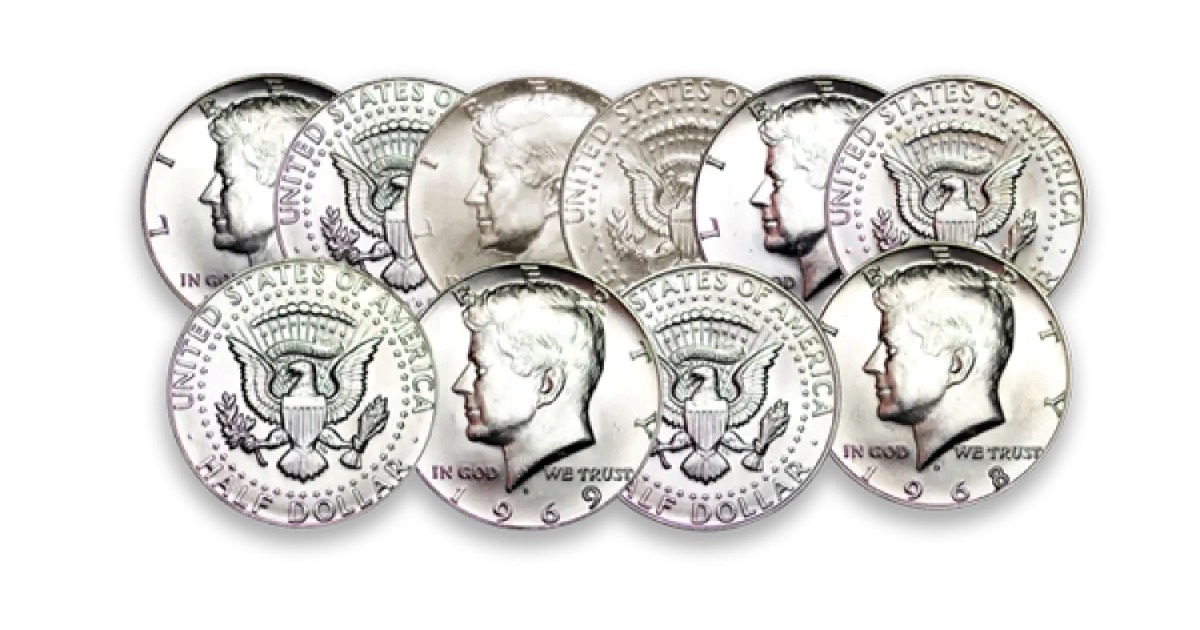
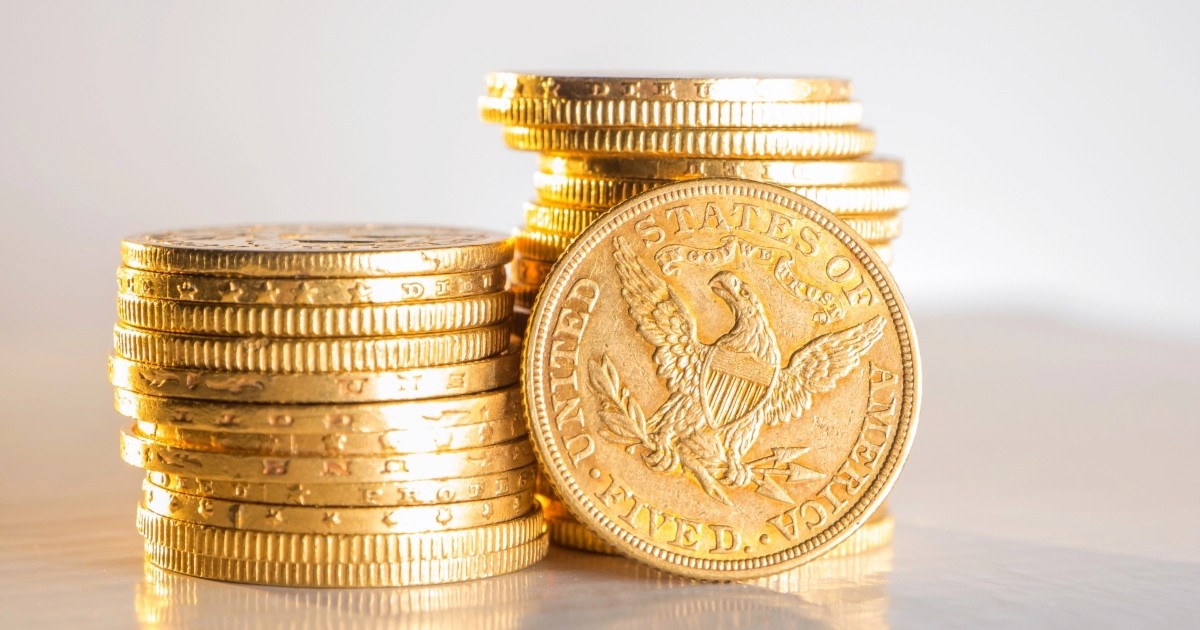
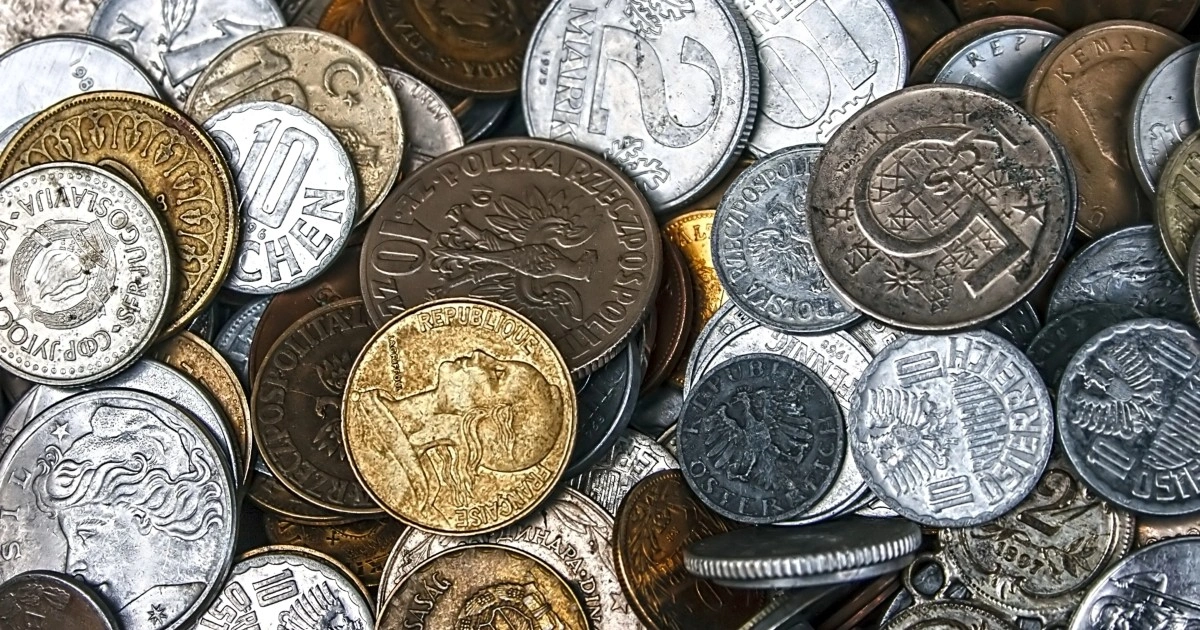
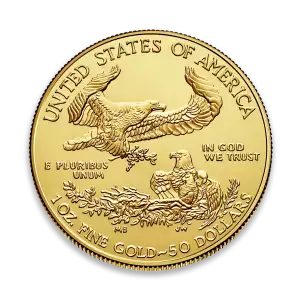
You find a roll of old U.S. dimes or quarters. The dates stop at 1964. At first, they look like ordinary pocket change.
But many contain 90 percent silver, which can make them worth more than face value.
In this blog, we'll explain junk silver coins in plain language: what counts as junk silver, how junk silver melt value works, and what to check before buying junk silver.
Junk Silver Coins Explained: What You Are Buying
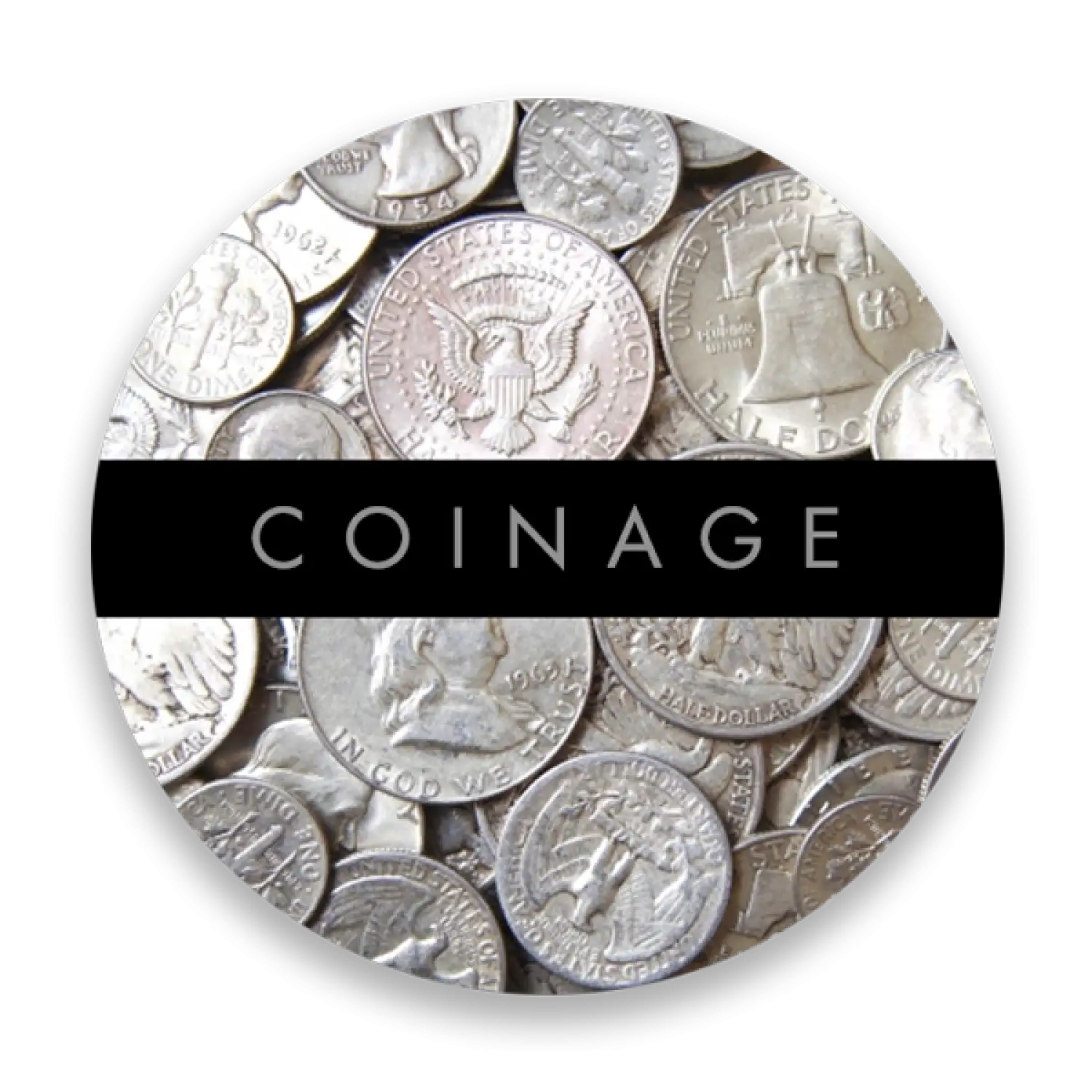
“Junk silver” does not mean worthless. It usually refers to common, circulated U.S. dimes, quarters, and half dollars dated 1964 or earlier, valued mainly for their silver.
Common examples include:
Roosevelt and Mercury dimes
Washington quarters
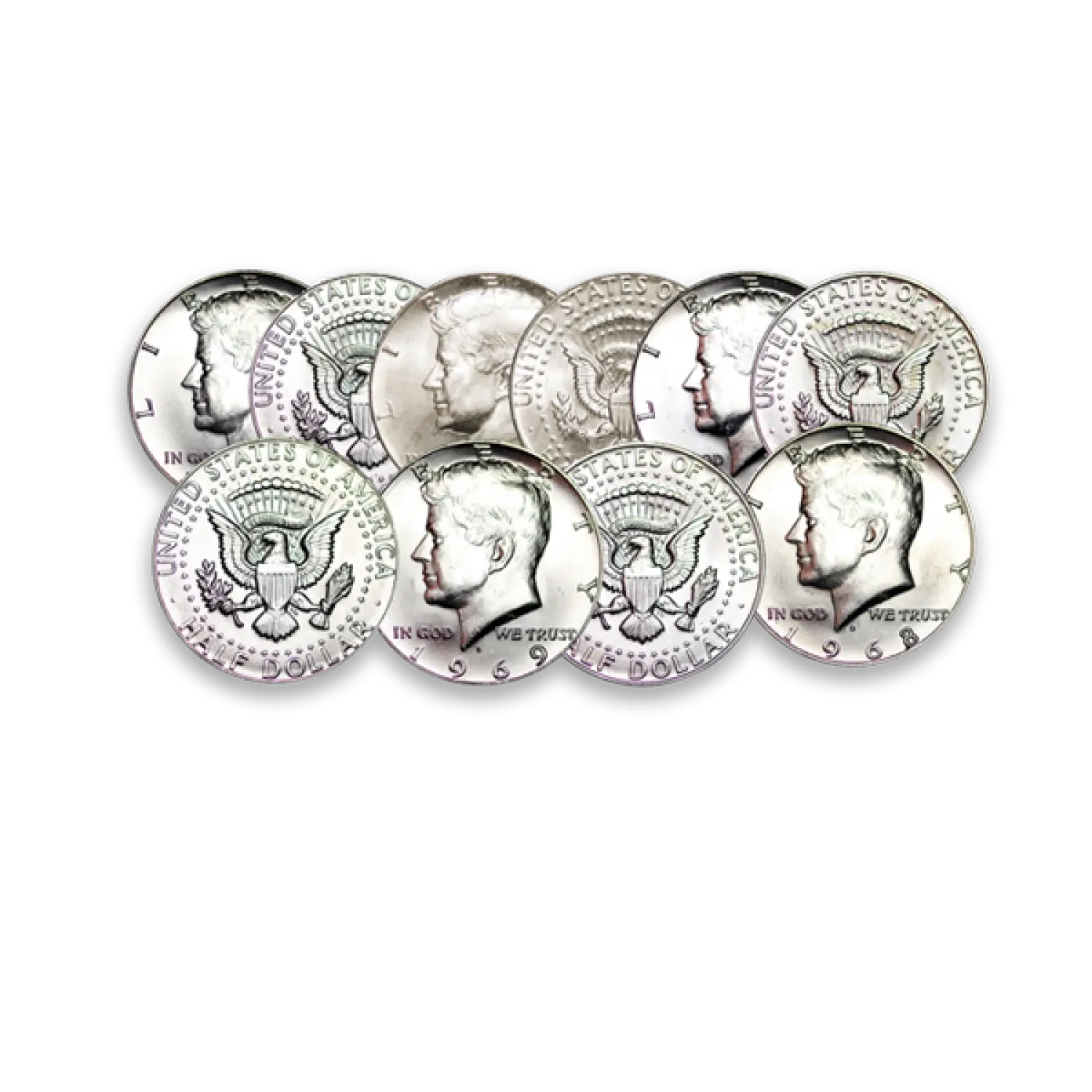
Franklin and 1964 Kennedy half dollars
These pre-1965 silver coins are generally 90 percent silver and 10 percent copper. In 1965, silver was removed from dimes and quarters, while the half dollar moved to 40 percent silver.
Before treating an older silver coin as junk silver, check the date, mint mark, and condition. Some coins can carry collectible value above their silver content.
How Do You Calculate Junk Silver Melt Value?
Melt value is simply the value of the silver inside the coin. It is different from the coin’s face value and any extra value it may have as a collectible.
Here is roughly how much silver common 90 percent U.S. coins contained when they were minted:
Coin | Face Value | Silver Content |
Dime | $0.10 | About 0.072 troy oz. |
Quarter | $0.25 | About 0.181 troy oz. |
Half dollar | $0.50 | About 0.362 troy oz. |
Those figures reflect the coins' original silver content when minted. Circulation wear can slightly reduce the actual metal weight, so treat the calculation as an estimate. Melt value is also a baseline, not the same thing as a dealer buyback quote.
To estimate the melt value, multiply the coin’s silver content by the current silver spot price.
For example, if you are checking a quarter, you would use its silver content and the current silver spot price to get a rough metal value.
Why Do Buyers Still Choose Pre-1965 Silver Coins?
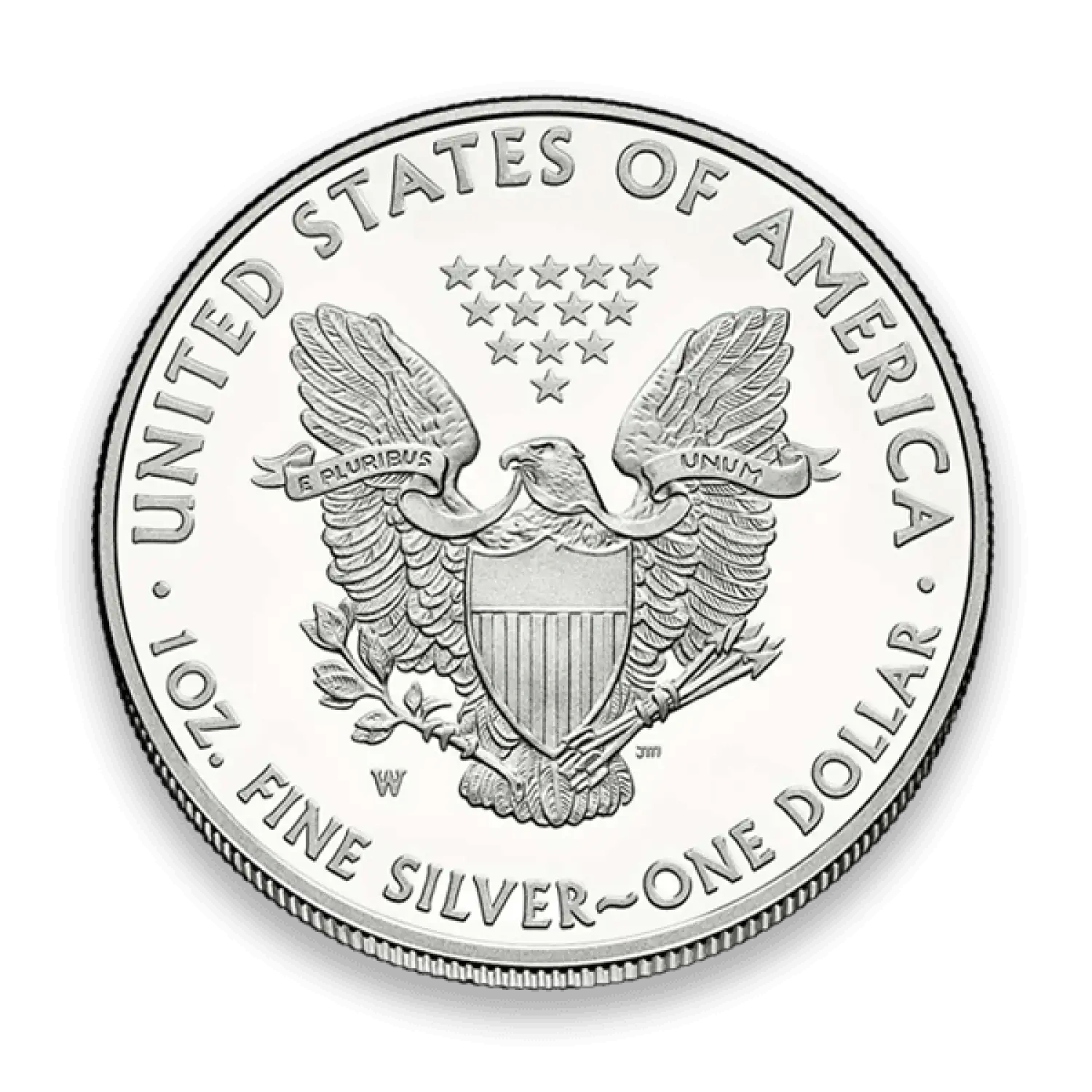 One reason buyers like junk silver is that it comes in small, recognizable U.S. coins.
Buyers often like junk silver for:
Divisibility: Sell a few coins instead of one large bar.
Recognition: U.S. coinage is familiar and easy to identify.
History: These coins once circulated as everyday money.
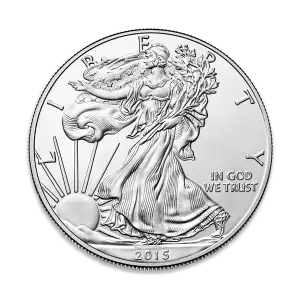
If you are deciding between junk silver and modern bullion, it helps to compare how silver bullion and silver coins differ in premiums, liquidity, and collectible value.
What Should You Check Before Buying Junk Silver?
Do not look only at the date. Check the denomination, mint mark, condition, total face value, and premium.
Before treating an old silver coin as ordinary junk silver, check its date, mint mark, and condition. Some coins are numismatic, meaning collectible, and can be worth more than their silver content.
That same rule matters when recycling or upcycling silver coins: check the coin’s value before doing anything that could affect it.
Frequently Asked Questions About Junk Silver Coins
Are all pre-1965 U.S. coins silver?
No. Pennies and most nickels are not silver. The common 90 percent junk-silver group is made up mainly of 1964-and-earlier dimes, quarters, and half dollars.
Why is it called junk silver?
Because common circulated coins are valued mainly for their silver, not their rarity.
How do I calculate junk silver melt value?
Multiply the fine silver content by the current silver spot price.
Are 90 percent silver coins collectible?
Some are. Date, mint mark, rarity, and condition can add value above melt.
Is junk silver better than silver bars?
Neither wins outright. Junk silver favors divisibility; larger bars often favor lower premiums per ounce.
Start Your Silver Strategy at Pacific Precious Metals
Junk silver gets easier to understand once you separate face value, melt value, and collectible value. The right format depends on whether you care more about smaller denominations, recognizable U.S. coinage, or lower premiums per ounce.
To compare your options, browse our silver inventory, check the live silver spot price, or contact our team for a free consultation before you decide.
Disclaimer: This content is provided by Pacific Precious Metals for educational purposes only and is not financial or tax advice. Precious metals carry risk, including possible loss of principal, so please consult a licensed advisor before investing.