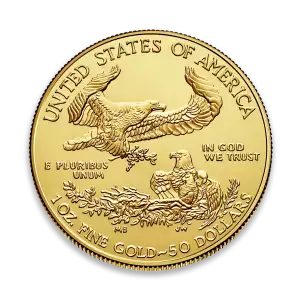
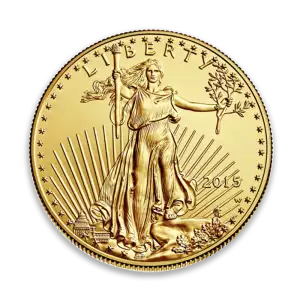
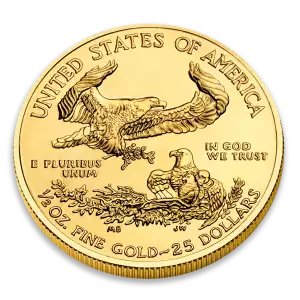
You might hold two gold coins in your hands that look absolutely identical to the naked eye. Yet one could be worth a few hundred dollars more than the other. Sometimes the difference is even thousands of dollars. The entire price gap comes down to a single number assigned to its physical condition.
Understanding how gold coin grading and valuation actually work is highly important. You need this knowledge whether you are buying your first coin, liquidating a massive estate, or building a serious collection.
We at Pacific Precious Metals created this guide to map out the entire certification process and the grading scale itself. You will see exactly how condition grades directly drive market value and affect your total numismatic value.
What Is Coin Grading and Why Does It Matter?
Coin grading is simply the standardized process of evaluating a coin's physical condition on a strict numerical scale. This specific score determines exactly how much a coin is worth above its base melt value.
Condition is everything in the physical market. Even tiny microscopic differences in a coin's condition assessment can trigger massive price swings. A key date gold coin in an MS 64 grade might sell for a standard premium. That same coin graded just one point higher at MS 65 could instantly command thousands of dollars more at auction.
Grading also creates a totally universal language. Buyers and sellers across the country can agree on the exact condition of a coin without ever seeing it in person. This transparency protects your wallet.
The Sheldon Scale: Understanding the 1 to 70 Grading System
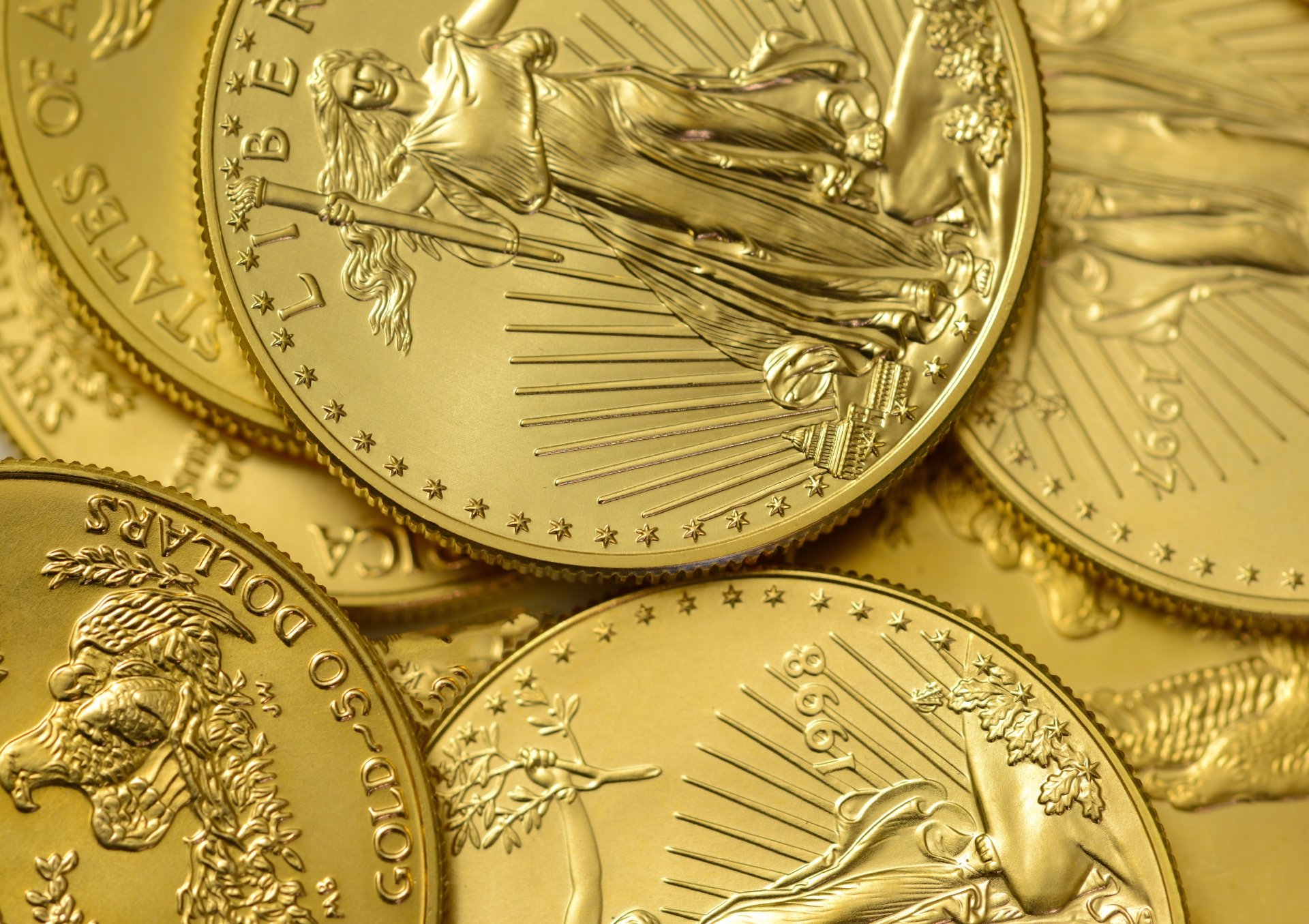
The global numismatic market relies entirely on the Sheldon scale. This system ranks physical condition from 1 to 70. A score of 1 represents a coin in poor condition that is barely identifiable. A perfect 70 represents a flawless Mint State coin with zero visible imperfections under intense magnification.
The scale breaks down into several major tiers. At the start of the scale, we have the Poor and Fair coins, with scores of 1 to 2. Good coins fall between 4 and 6. Very Good covers 8 to 10. Fine pieces score 12 to 15. Very Fine ranges from 20 to 35. Extremely Fine hits 40 to 45. About Uncirculated coins score 50 to 58. Finally, Mint State pieces claim the elite 60 to 70 range.
These numbers are what’s going to define your buying strategies across the various gold coin types. If you want lightly circulated pieces, focus on AU 50 or higher. Investment-grade uncirculated buyers usually target MS 63 and above. Premium collector-grade assets generally start at MS 65. If you love the mirror finish of proof coins, they use a parallel condition-assessment scale ranging from PF 60 to PF 70.
How Professional Certification Protects Your Investment
You never want to guess the grade of a valuable asset. That is where third-party grading services come in. The Professional Coin Grading Service and the Numismatic Guaranty Company serve as the undisputed industry standards.
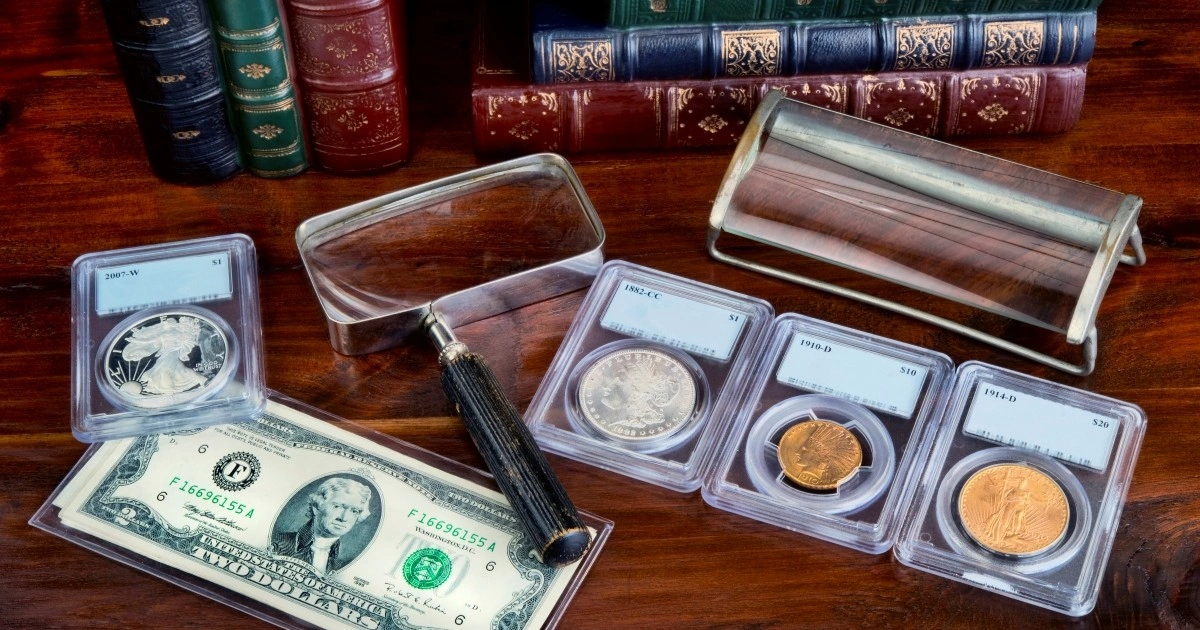
The coin certification process is rigorous. You submit your coin to the grading service. Multiple independent numismatic experts evaluate it under intense lighting and magnification. They assign a final consensus grade. The coin is then encapsulated in a tamper-evident plastic holder, commonly known as a slab. Every slab also features a unique barcode and a certification number.
The certification eliminates any sort of subjectivity in private transactions. It’s the confidence boost buyers need to make sure the asset is authentic and accurately graded. Certified coins typically command a higher resale price than raw, ungraded pieces, especially for rare, vintage, or key-date coins, where the grade materially affects value. For common modern bullion, however, the added resale premium may not always offset the cost of certification.
Check out our certified Pre-1933 gold coins to see how these protective slabs look in person.
Key Factors That Drive Gold Coin Valuation Beyond the Grade
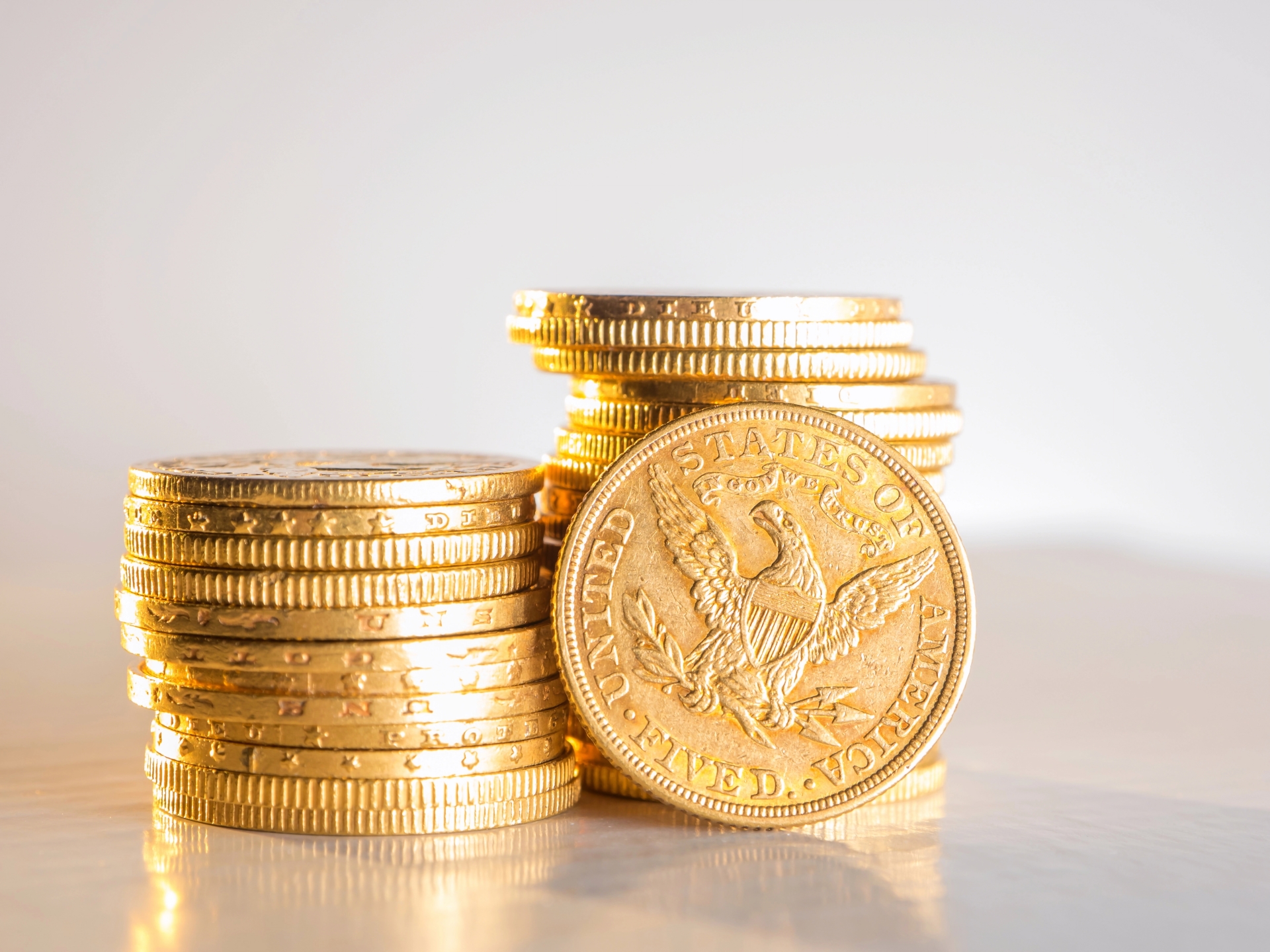
Grade is deeply important, but it is not the only factor. Your total numismatic value relies on several other massive valuation drivers. Rarity is huge. Coins with extremely low original mintage numbers always carry higher premiums.
Historical significance and series popularity also play major roles. Classic gold coin types like the Saint Gaudens twenty-dollar piece or the Liberty Head eagle consistently draw massive buyer attention. Unique die varieties can also multiply a coin's worth overnight.
You must also remember that raw melt value sets your absolute price floor. A gold coin is always worth at least its physical gold weight at the live market price. The numismatic premium is simply the extra amount you pay above that melt value. This premium is driven by the exact combination of grade, rarity, and collector demand.
We are seeing some fascinating market trends for gold coins right now. As gold spot prices surge to record highs, the floor value of all coins is rising dramatically. At the same time, we see a massive spike in collector interest specifically targeting historic Pre-1933 United States coins.
There is also a rapidly growing demand for IRA-eligible certified coins as investors seek tax-advantaged physical assets. Keeping a close eye on the live spot gold price helps you track that baseline floor value every single day.
Frequently Asked Questions About Gold Coin Grading and Valuation
Is it worth getting a gold coin professionally graded?
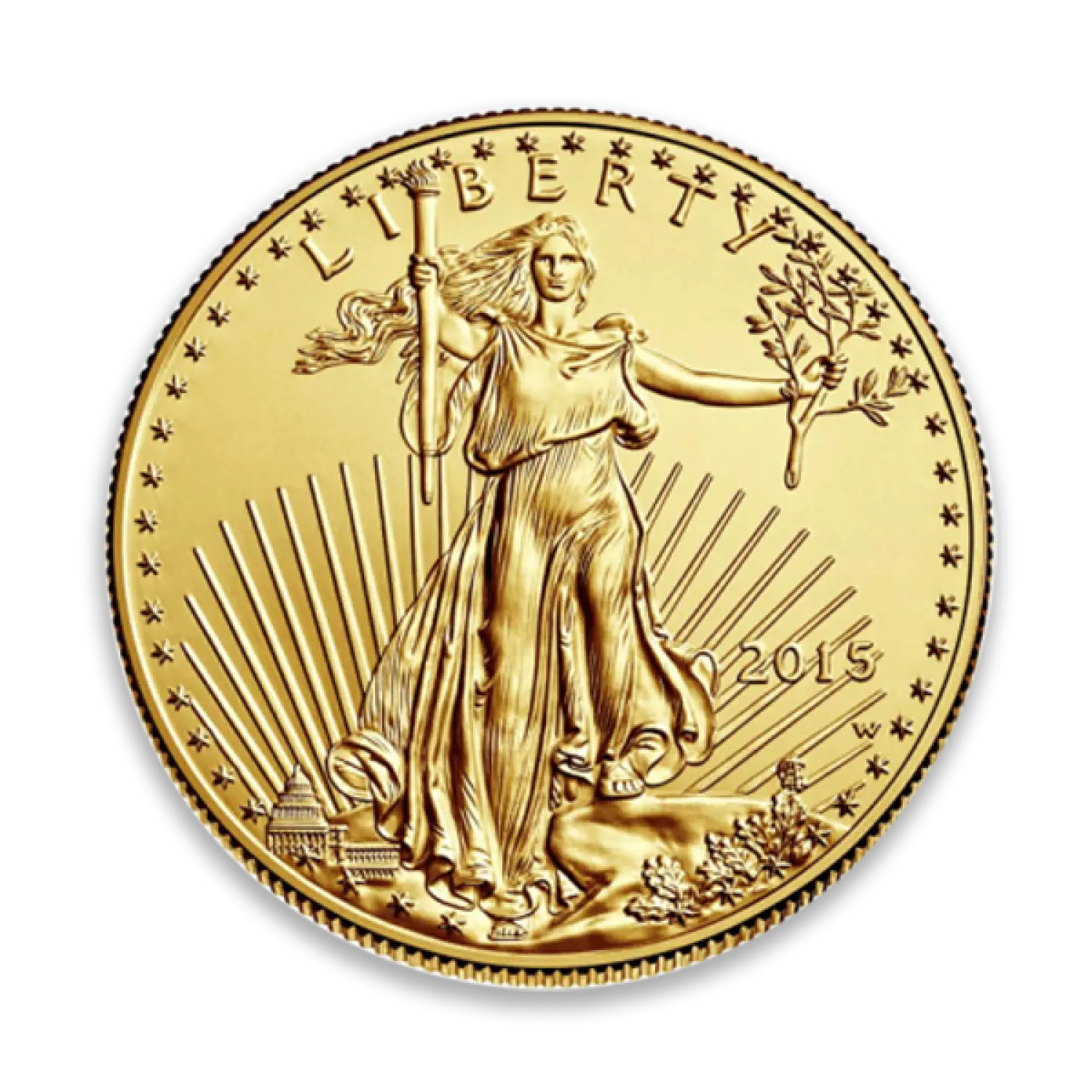
For common modern bullion like Gold Eagles or Maple Leafs, grading rarely adds enough value to justify the submission fees. However, professional grading can significantly increase your resale value for rare vintage pieces, Pre-1933 coins, or specific key date assets.
What is the minimum grade I should look for when investing in gold coins?
Most buyers target MS 63 or higher for investment-grade uncirculated coins. If you are shopping for circulated Pre-1933 pieces, staying at AU 50 and above generally offers the best balance of visual condition and reasonable premiums.
How long does PCGS or NGC grading take?
Standard grading timelines typically stretch out to several weeks. Both companies offer expedited processing tiers if you are willing to pay higher fees for a faster turnaround.
Explore Graded and Raw Gold Coins at Pacific Precious Metals
Understanding how grading works gives you a massive advantage in the physical market. You can spot the best deals whether you are aggressively collecting or carefully investing for the long term.
Compare the premiums on our raw bullion pieces versus our highly collectible Pre-1933 gold assets. Feel free to reach out to our expert team through the contact page for personalized guidance. We’re always just one click away to help you navigate the grading market safely and securely.
Disclaimer:
This content is published by Pacific Precious Metals for informational and educational purposes only and should not be considered personalized financial or tax advice. Precious metals investments carry risk, including the potential loss of principal. We encourage you to consult a licensed financial advisor or tax professional before making any purchase or investment decision.