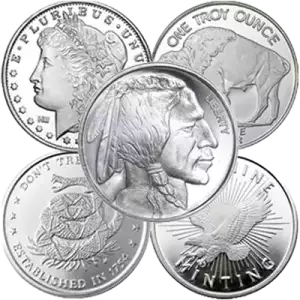
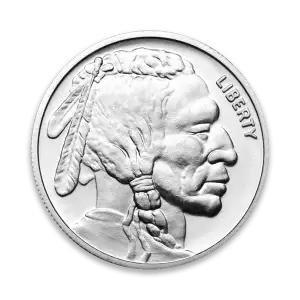
Gold coin collecting sits right at the intersection of passion and profit. Few physical assets allow you to hold literal history in your hand while actively building tangible wealth. Some gold coins act as highly strategic wealth vehicles. Others serve strictly as fun hobby pieces. You absolutely need to know the difference before spending your capital.
We at Pacific Precious Metals built this guide to help you understand which specific pieces hold real financial potential. You will learn how to evaluate these assets accurately. You will also learn how to build a resilient physical portfolio serving both goals. Successfully collecting gold coins as an investment requires a serious strategy. A blind approach rarely works when making a major investment in gold coins for your future.
Why Gold Coins Offer a Unique Investment Advantage
Physical coins bring a unique dual value proposition to your portfolio. Every single piece carries a strict melt value floor. This baseline represents the exact raw gold weight calculated at the current market spot price. The financial magic happens with the potential numismatic premium. Rarity, physical condition, and intense buyer demand can drive this premium much higher over time.
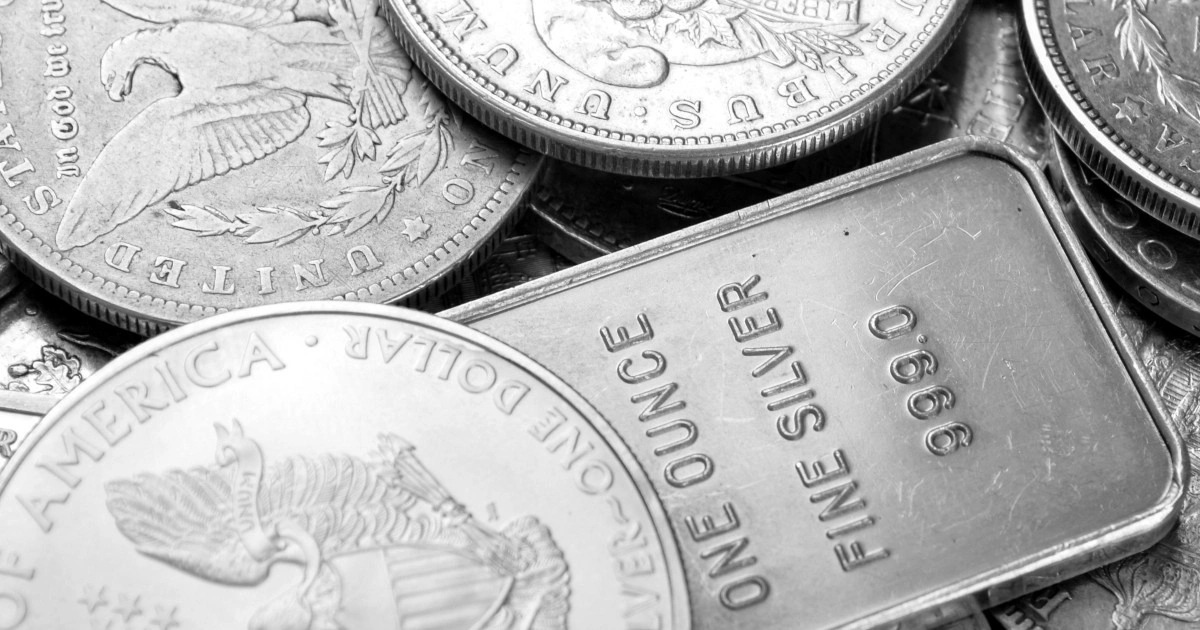
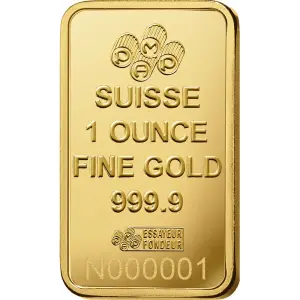
Standard heavy bars rarely appreciate above the live spot price. Collectible coins absolutely can. Sovereign gold coins also provide massive global recognition. They carry strict government-backed authenticity and boast incredibly strong secondary market liquidity.
Contrast this physical security with paper gold products like digital ETFs or futures contracts. Tangible coins offer zero counterparty risk. You actually own the physical wealth you hold. This makes any physical investment in gold coins structurally superior to paper promises.
The Most Popular Gold Coin Types for Investor-Collectors

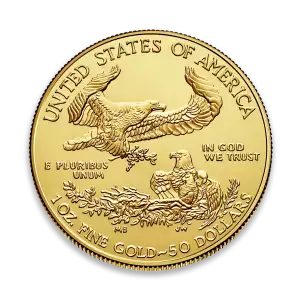
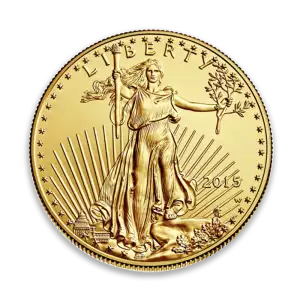
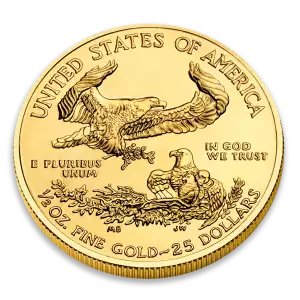
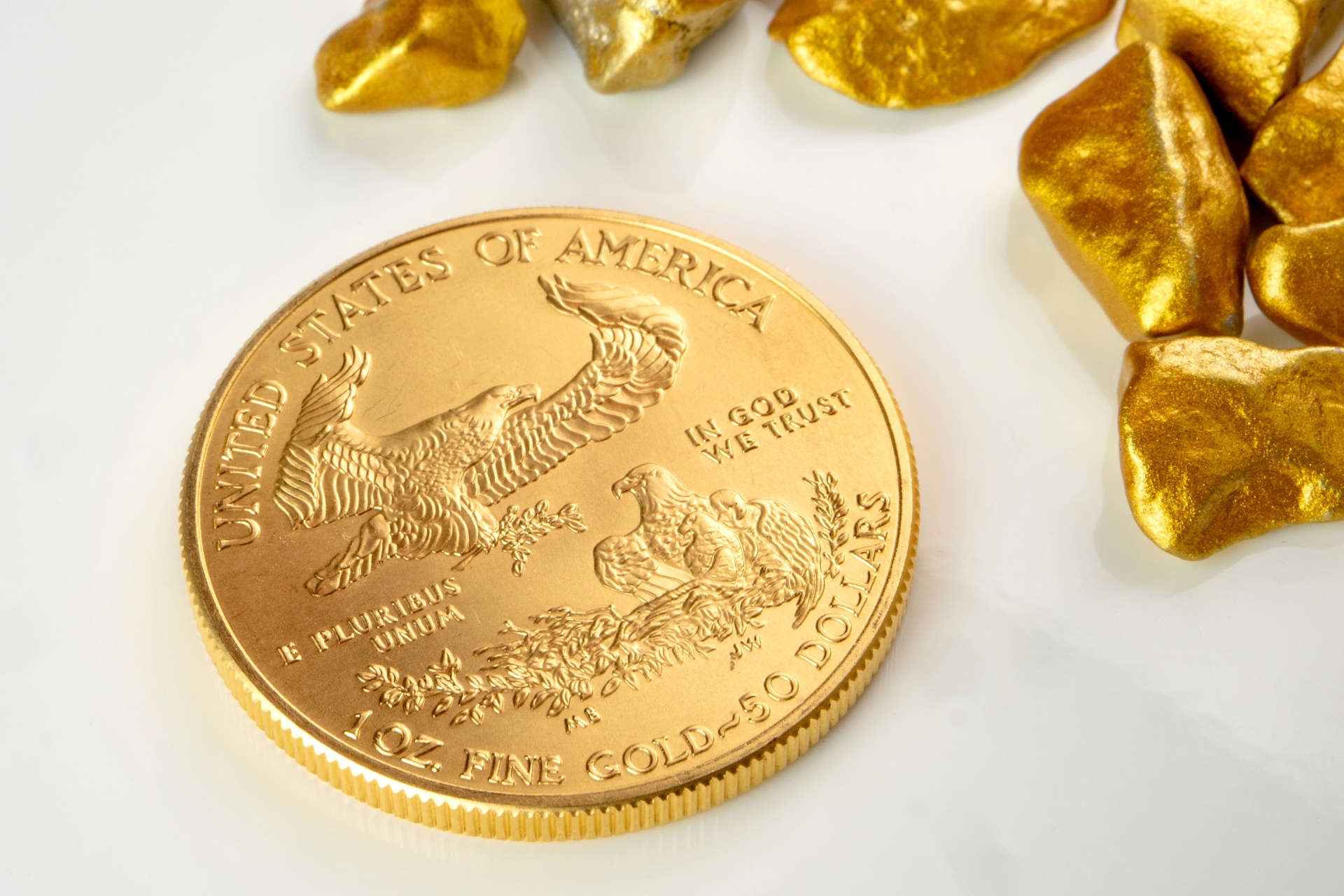
You must learn the major product categories before building your vault. Modern bullion coins represent the firm foundation of the physical market. Products like American Gold Eagles, Canadian Gold Maple Leafs, South African Krugerrands, and Austrian Philharmonics dominate this space. They carry very low retail premiums and offer instant global liquidity. They are absolutely ideal for pure metal accumulation.
Then you enter the historical realm. Pre-1933 U.S. gold coins remain incredibly popular globally. Saint Gaudens Double Eagles, classic Liberty Head Eagles, and Indian Head pieces carry their raw gold weight plus significant historical premiums. They blend strict wealth preservation with serious numismatic appeal.
Limited mintage and commemorative releases come directly from sovereign mints with strictly capped production numbers. They offer serious collectible upside but suffer from much thinner resale markets. Finally, you have world gold coins like British Sovereigns, French Roosters, and Swiss Helvetias.
These assets carry much lower premiums than American numismatic coins but still command fierce European collector demand. Knowing your specific gold coin types helps you decide which assets lean toward pure investment and which ones act as purely numismatic coins.
How to Evaluate a Gold Coin's Investment Potential
True gold coin valuation depends on several moving parts. The absolute baseline is always the raw melt value. You find this by multiplying the total gold weight by the current market spot price. Condition plays a massive role next. Higher grades on the strict Sheldon scale always command much steeper premiums for numismatic coins. An MS 63 grade changes the price tag completely compared to an ungraded piece.
Rarity and original mintage numbers are critical factors. Lower original production numbers generally support much stronger long-term premium appreciation. Historical significance matters deeply to serious buyers. Coins tied to notable eras, major global events, or massive design changes attract sustained collector demand for decades.
You must also track broad market demand trends. Certain historical series cycle in and out of popularity. Pre-1933 United States coins currently enjoy an incredibly strong demand period. We strongly recommend seeking PCGS or NGC certification for any piece purchased primarily for its historical value. Track the daily spot gold price to establish your baseline before evaluating those extra historical premiums.
Common Mistakes to Avoid When Collecting Gold Coins for Investment
New buyers often fall into the same traps. Do not overpay for inflated numismatic premiums on highly common dates. A basic vintage coin simply does not justify a massive retail markup. Avoid buying raw, uncertified rare coins without professional grading verification. You could easily buy a sophisticated fake and lose thousands of dollars instantly.
Never ignore market liquidity. Some niche collectibles look beautiful but are notoriously hard to sell quickly at fair market value. Improper storage ruins physical investments daily. Humidity, bare fingerprints, and cheap PVC holders will permanently damage the delicate surface grade over time.
Do not treat this process purely as a speculative gamble. You cannot ignore the solid wealth-preservation foundation that standard bullion-grade pieces provide.
This guide to collecting gold coins strongly recommends a perfectly balanced approach. Anchor your portfolio in highly liquid standard bullion first. Then selectively add certified numismatic pieces for extra upside.
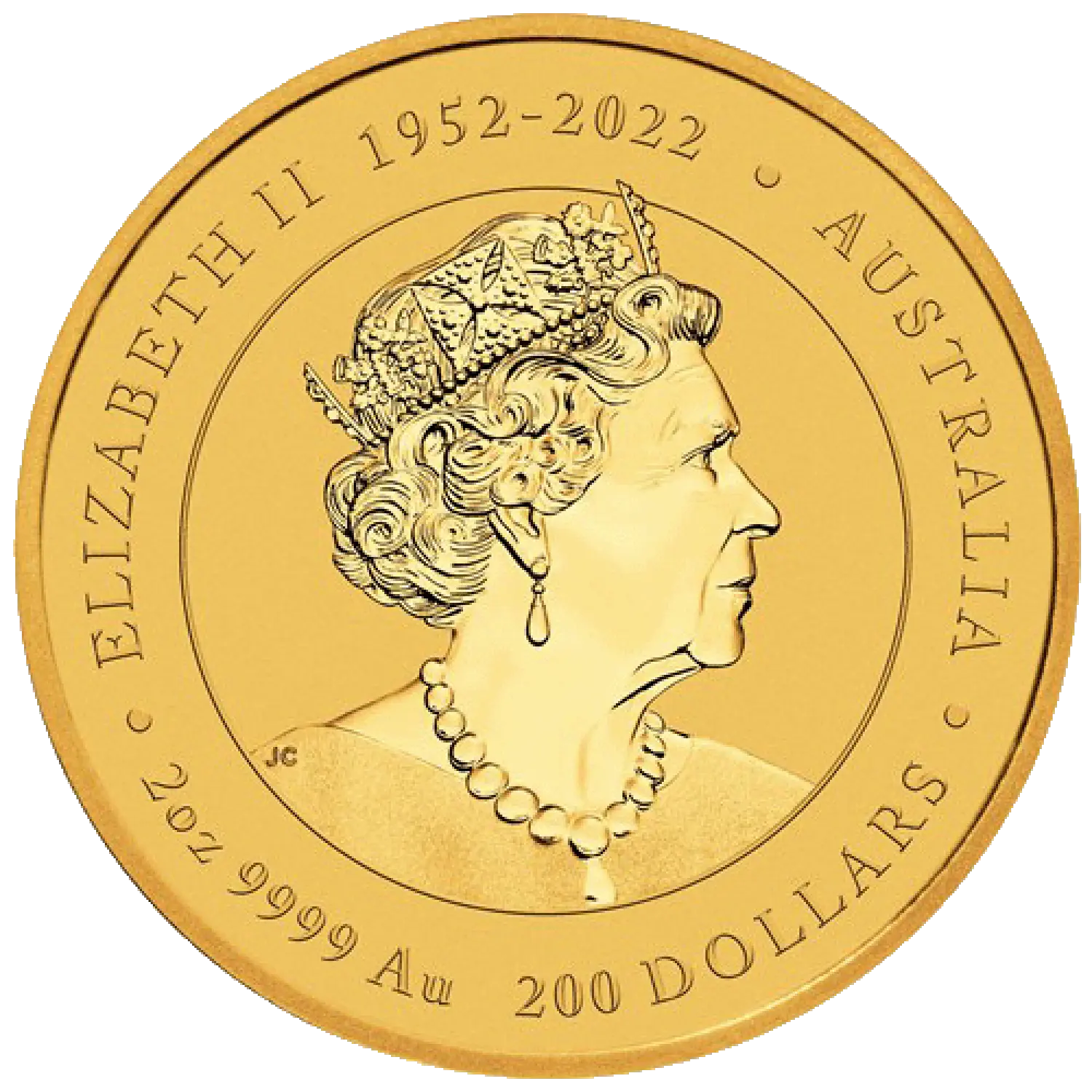

FAQs About Collecting Gold Coins as an Investment
Are collectible gold coins a better investment than gold bars?
Collectible coins offer a massive numismatic upside that standard bars simply cannot match. However, heavy bars deliver the absolute lowest cost per ounce of pure gold. The most profitable strategy often combines both formats, depending entirely on your timeline.
What is the best gold coin for a first-time investor-collector?
The American Gold Eagle stands out as the ultimate recommendation. It carries strong United States government backing and provides instant global liquidity. It also holds mild collectible appeal across older vintages.
How do I know if a gold coin's numismatic premium is justified?
You must compare the retail price against the baseline melt value. Always check recent public auction results for that exact date, mint mark, and condition grade through official PCGS or NGC price guides.
How should I store collectible gold coins to protect their grade?
Keep certified pieces permanently sealed in their original plastic slabs. Store raw coins in completely inert flips or hard plastic capsules. Never touch the shiny surfaces with your bare hands. Maintain a cool, completely dry, and stable vault environment.
Start Your Gold Coin Collection with Pacific Precious Metals
Building a physical vault takes a clear strategy. You need verified authenticity and a trusted dealer to succeed. We encourage you to explore our fully authenticated gold coin inventory today.
You will find everything from highly liquid modern bullion to incredible Pre-1933 rarities. Reach out to us for expert guidance. We are always here to help you safely and securely structure a highly profitable physical portfolio.
Disclaimer:
This content is published by Pacific Precious Metals for informational and educational purposes only and should not be considered personalized financial or tax advice. Precious metals investments carry risk, including the potential loss of principal. We encourage you to consult a licensed financial advisor or tax professional before making any purchase or investment decision.