Choosing between 10K and 14K gold often comes down to a few practical differences: how much gold the piece contains, how it looks, how well it holds up, and what it may be worth when you sell it.
The two grades are both commonly used in jewelry, but they are not the same. Understanding 10K vs 14K gold can help you compare pieces more confidently and understand why their prices differ.
What Is 10K Gold?
10K gold contains 10 parts gold out of 24, making it 41.7% pure gold. The rest consists of alloy metals such as silver, copper, or zinc.
Common markings include 10K, 10KT, or 417. Because it contains less gold, 10K is generally less expensive and more resistant to everyday wear.
What Is 14K Gold?
14K gold contains 14 parts gold out of 24, or 58.3% pure gold. The remaining metals add strength and can affect its color.
You may see markings such as 14K, 14KT, or 585. With more gold than 10K, 14K typically has a richer color while remaining durable enough for everyday jewelry.
10K vs 14K Gold: What’s the Difference?
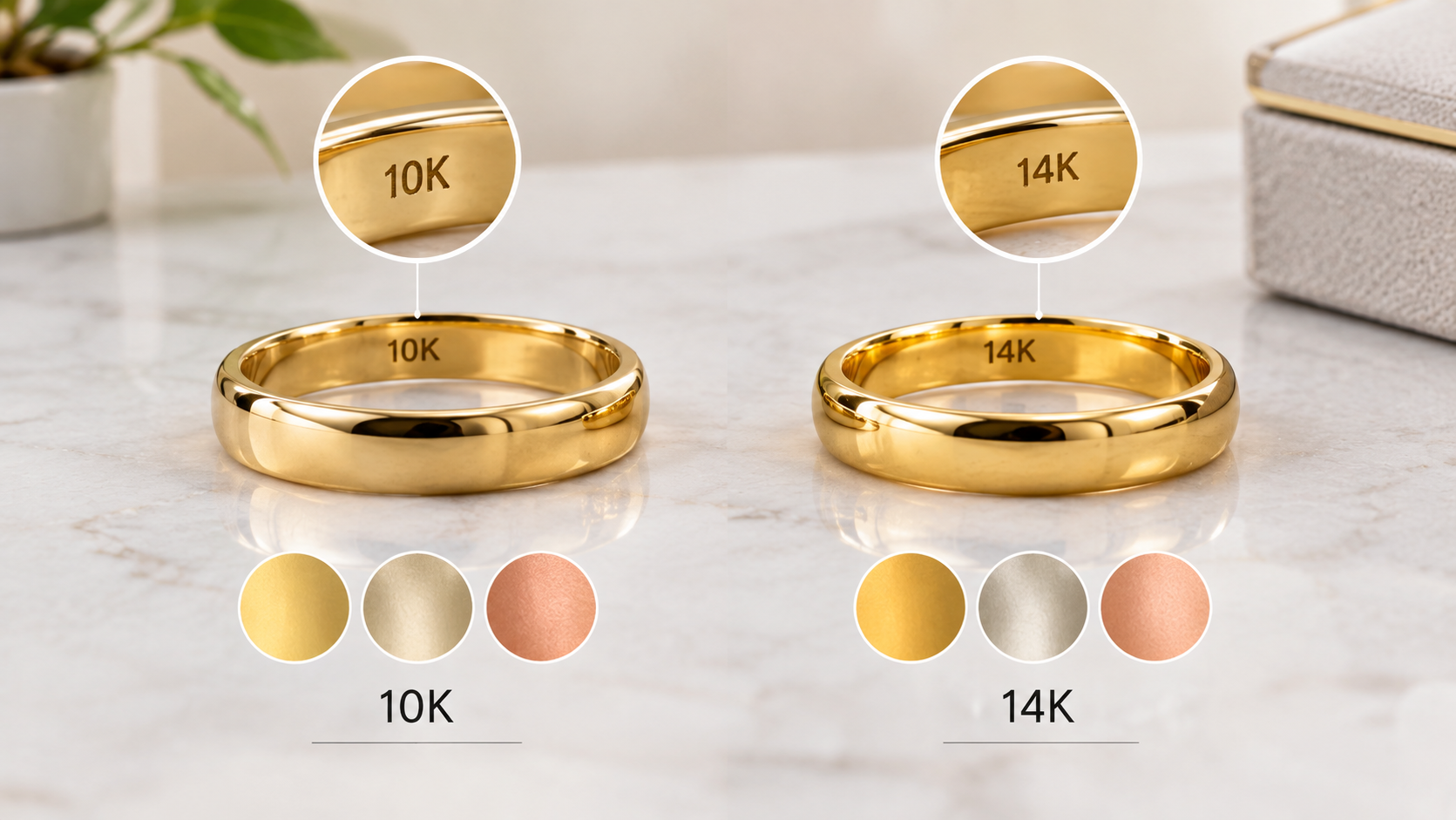
The main difference is gold purity, but that difference affects several other characteristics.
Feature | 10K Gold | 14K Gold |
Gold purity | 41.7% | 58.3% |
Gold content | Lower | Higher |
Durability | Very durable | Durable |
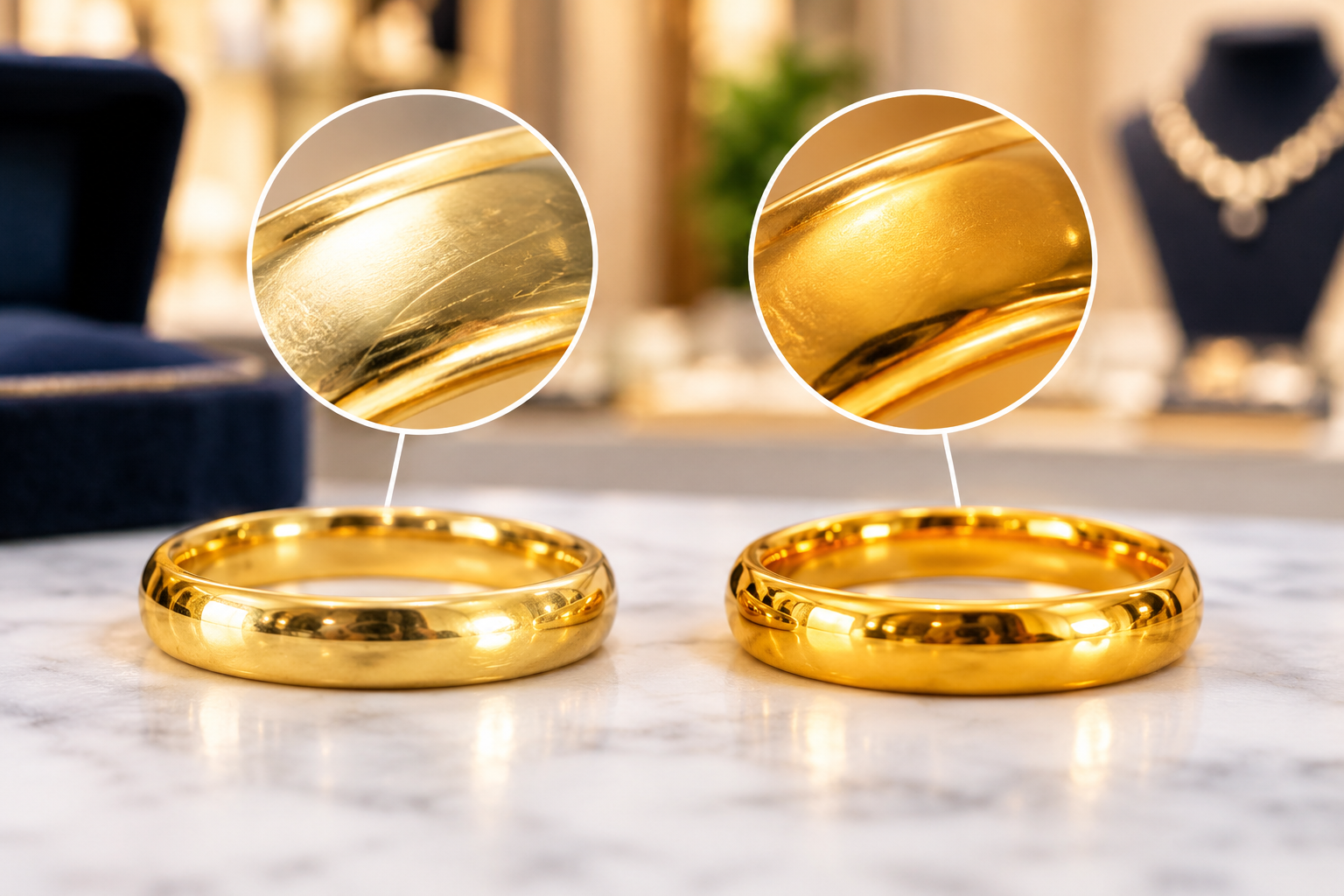
Color | Lighter | Richer |
Typical price | Lower | Higher |
Common use | Everyday jewelry | Everyday and fine jewelry |
The best choice depends on what matters most to you. Someone focused on durability and a lower purchase price may prefer 10K, while someone looking for more gold content and a richer appearance may favor 14K.
Which Is More Valuable: 10K or 14K Gold?
In general, 14K gold is worth more than 10K gold because it contains a greater percentage of pure gold.
For example, 10 grams of 10K gold contains about 4.17 grams of pure gold, while 10 grams of 14K gold contains about 5.83 grams.
Actual resale value depends on more than purity. Weight, current gold prices, the item's condition, and the buyer's pricing can also affect what you receive.
10K vs 14K Gold for Everyday Wear
Both grades can work well for everyday jewelry.
10K gold is harder because it contains a larger percentage of alloy metals. It can be a practical choice for jewelry that receives frequent wear.
14K gold offers a higher gold content while retaining good durability. It is often chosen for engagement rings, wedding bands, necklaces, bracelets, and other pieces intended for regular use.
How Can You Tell 10K From 14K Gold?
Start by checking the hallmark. A piece marked 10K or 417 is generally 10K gold, while 14K or 585 indicates 14K gold.
A stamp is useful, but it does not tell you the piece's total weight or confirm that every component is made from the same metal. Older or worn jewelry may also have markings that are difficult to read.
Professional testing can provide a more reliable way to confirm gold purity, particularly when you are preparing to sell a piece.
Frequently Asked Questions
Is 10K gold better than 14K gold?
Neither is automatically better. 10K gold contains less gold but is harder and often less expensive. 14K gold contains more gold while still offering good durability for everyday jewelry.
Does 14K gold tarnish less than 10K gold?
Both can change appearance over time because they contain alloy metals. 14K has a higher gold content, while the exact behavior depends on the other metals in the alloy and how the jewelry is worn and maintained.
Is 10K gold worth selling?
Yes. 10K gold contains 41.7% pure gold, so it has precious-metal value. The item's weight, current gold prices, and buyer's pricing will affect the final amount.
How can I tell if my jewelry is 10K or 14K?
Check for markings such as 10K, 10KT, 417, 14K, 14KT, or 585. Professional testing can help confirm the purity if the marking is unclear or missing.
Does 14K gold have more resale value than 10K?
Generally, yes. Because 14K gold contains more pure gold by weight, it typically has a higher metal value than the same weight of 10K gold.
Choosing Between 10K and 14K Gold
The choice between 10K and 14K gold comes down to gold content, durability, appearance, and price. 10K contains less gold but is harder, while 14K offers higher gold purity with good durability for everyday wear.
Pacific Precious Metals can test and evaluate your gold jewelry based on its purity and weight, helping you understand its potential value before you sell.
Disclaimer: This content is provided by Pacific Precious Metals for educational purposes only and is not financial or tax advice. Precious metals carry risk, including possible loss of principal, so please consult a licensed advisor before investing.