



SILVER ROUNDS FAQ
What are silver rounds?
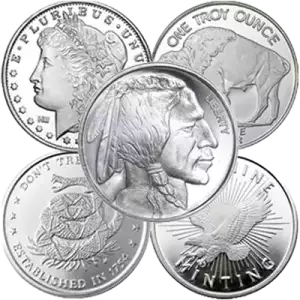
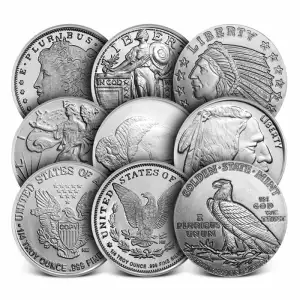
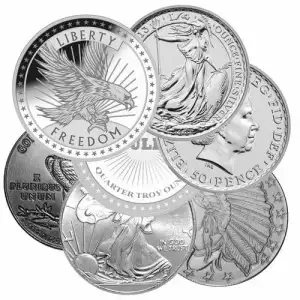
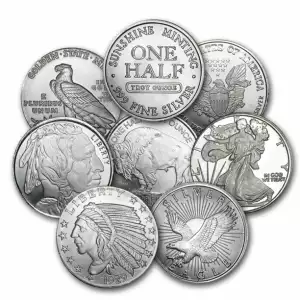
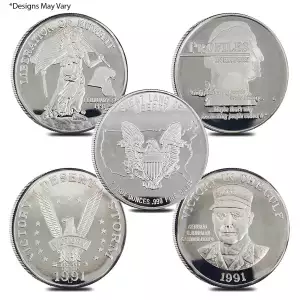
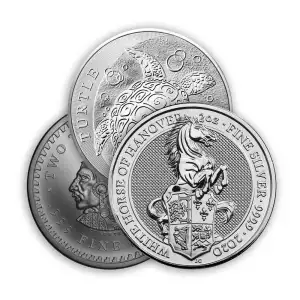
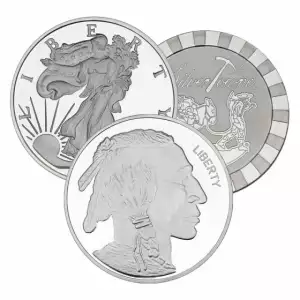
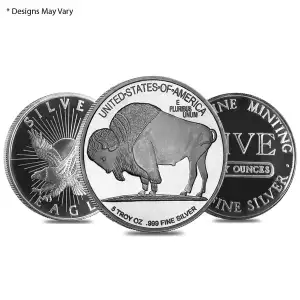
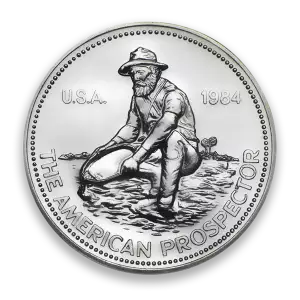
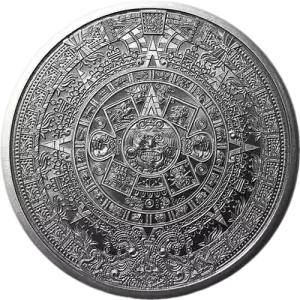
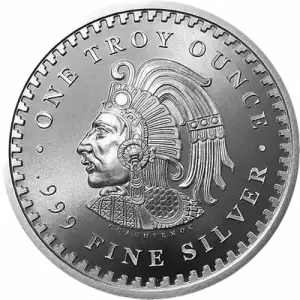
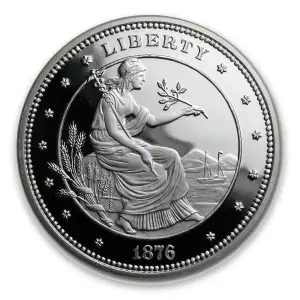
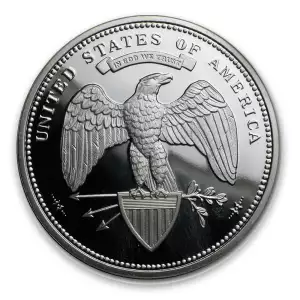
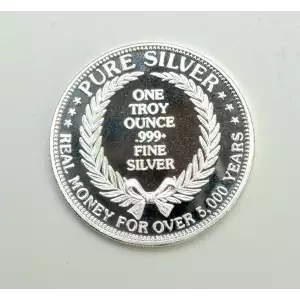
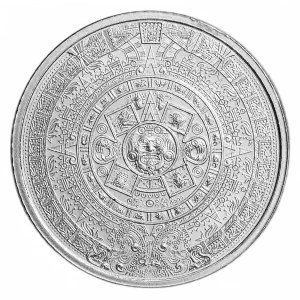
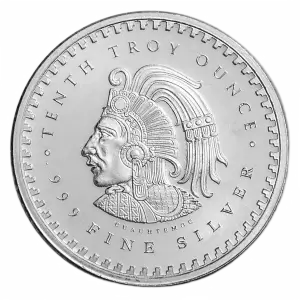
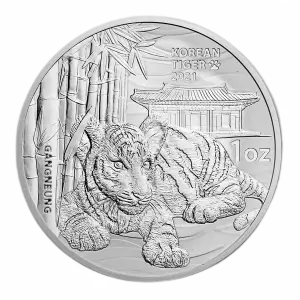
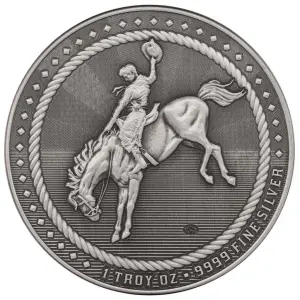
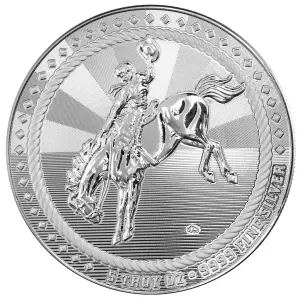
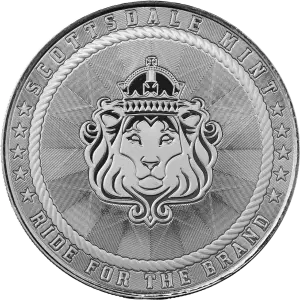
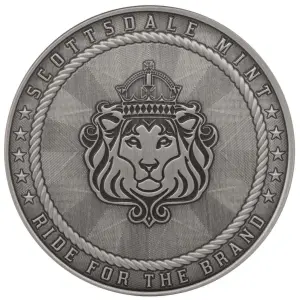
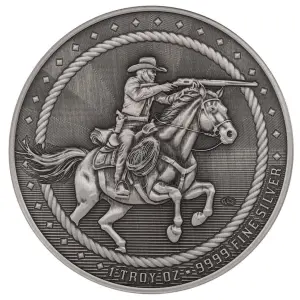
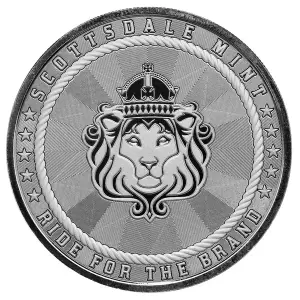
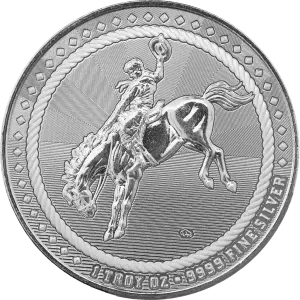
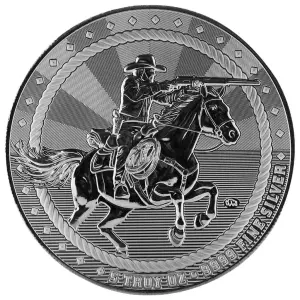
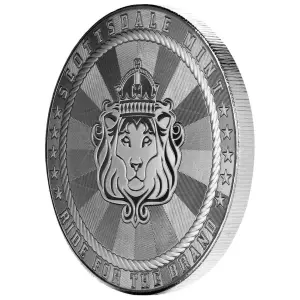
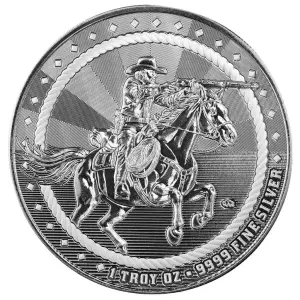
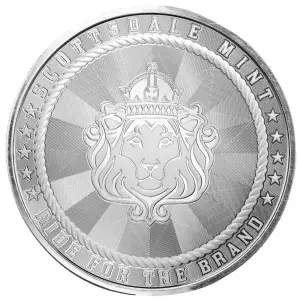
Silver rounds are circular pieces of silver produced by private mints, valued solely for silver content rather than legal tender status. They resemble coins in shape but lack face values or government backing. Rounds typically contain one troy ounce of .999 fine silver and feature various artistic designs from historical figures to wildlife and commemorative themes. Private mints produce rounds as a cost-effective alternative to government coins, offering the same silver content at lower premiums. Popular designs include Buffalo rounds, Walking Liberty rounds, and generic bullion rounds. They provide an accessible way to own physical silver for investors focused on metal content rather than collectibility.
What is the difference between silver rounds and silver coins?
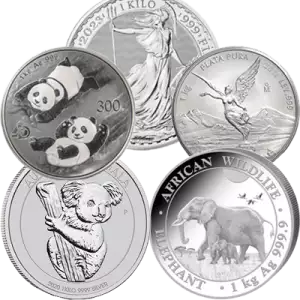
The fundamental difference is the issuer and legal status. Silver coins are government-minted products with legal tender status, face values, and official backing for authenticity. Silver rounds are private mint products with no face value or legal tender designation. This distinction affects pricing and acceptance. Coins carry government guarantees and higher premiums (15-25% over spot) but offer superior recognition and liquidity. Rounds focus purely on silver content with lower premiums (12-18% over spot), making them more cost-effective for accumulation. Both contain the same amount of silver, but coins trade on government credibility while rounds rely on private mint reputations and silver weight alone.
Are silver rounds a good investment?
Silver rounds serve investors seeking middle-ground pricing between premium coins and basic bars. They cost less than government coins (saving 3-7% per ounce) while offering more aesthetic appeal and better divisibility than large bars. Rounds work well for steady accumulation strategies where you're building positions over time and want reasonable premiums without sacrificing too much on resale convenience. The one-ounce size provides excellent flexibility for future partial sales. However, rounds from unknown mints may face verification requirements when selling. Choose rounds from established private mints for best results. They're particularly suitable for investors comfortable with private mint products who want attractive designs without government coin premiums.
How much are silver rounds worth?
Silver rounds are worth the current silver spot price per ounce plus a modest premium. At $28 spot silver, a typical one-ounce round costs $32-34 (approximately 12-18% over spot). This positions rounds between bars (10-15% premiums) and government coins (15-25% premiums). When selling, expect to receive spot price minus dealer margins, typically 6-10% under spot depending on brand recognition and market conditions. Generic rounds may sell closer to 10% under spot, while recognized designs like Buffalo rounds command better rates. The value fluctuates with silver prices throughout the trading day. Rounds from established mints hold value better than completely generic or unknown brands.
Are silver rounds pure silver?
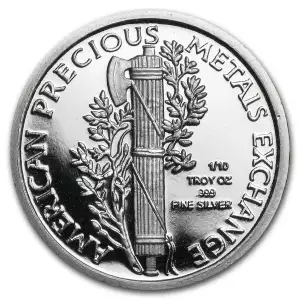
Investment-grade silver rounds are typically .999 fine (99.9% pure silver), matching the standard for silver bars and most government coins. Reputable private mints consistently produce rounds at this purity level to meet investor expectations. Some premium private mints produce .9999 fine rounds (99.99% pure), though this is less common. The purity is stamped on each round along with weight and the mint's identifying mark. The small percentage of other metals (usually copper) provides durability while maintaining investment-grade status. Always verify purity markings and purchase from recognized private mints to ensure stated silver content. Established mints maintain strict quality controls comparable to government facilities.
What sizes do silver rounds come in?
Silver rounds are predominantly available in one-ounce size, which dominates the market for optimal liquidity and standardization. This size matches government coin standards and offers the best balance of affordability and recognition. Some private mints produce fractional rounds in 1/2 oz or 1/4 oz sizes, though these are relatively uncommon compared to one-ounce products. Occasionally, specialty rounds in 2 oz, 5 oz, or 10 oz sizes appear with unique designs. The one-ounce format remains standard because it provides consistent pricing comparisons, fits standard storage tubes, and matches the weight investors expect. For smaller or larger silver purchases, coins or bars typically offer better availability and value than non-standard round sizes.
Can you sell silver rounds?
Yes, silver rounds sell readily to precious metals dealers, though they may require slightly more verification than government coins. Rounds from recognized private mints like Sunshine Minting, Golden State Mint, or popular Buffalo designs sell most easily. Expect payouts at spot price minus dealer margins of 6-10% under spot, slightly wider spreads than premium government coins but comparable to generic bars. Generic or unknown mint rounds face additional scrutiny and potentially lower offers. Larger quantities often receive better per-ounce pricing. Many dealers operate buyback programs accepting rounds from established mints. Keep rounds in protective packaging when possible to maintain condition and simplify authentication during sales transactions.
Are silver rounds cheaper than silver coins?
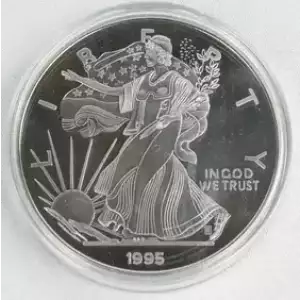
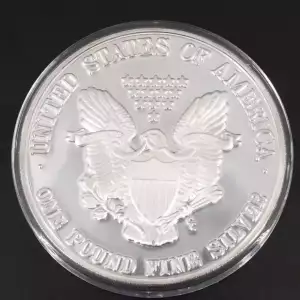
Yes, silver rounds typically cost 3-7% less per ounce than government-minted coins. Where an American Silver Eagle might carry a 20-25% premium over spot, comparable rounds run 12-18% premiums. On a $28 spot price, this translates to $33-35 for a Silver Eagle versus $31-33 for a quality round, saving $2-4 per ounce. Over 100 ounces, that's $200-400 in savings. The cost difference reflects the absence of government minting expenses, legal tender status, and sovereign backing. For investors focused on accumulating maximum silver weight efficiently, rounds provide meaningful savings. However, government coins offer advantages in instant recognition and slightly better liquidity that may justify their premiums for some buyers.
What are the best silver round designs?
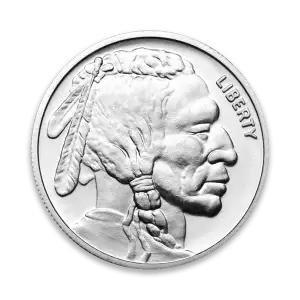
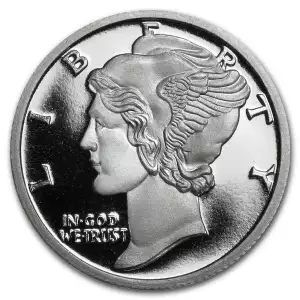
Buffalo rounds featuring the iconic Native American and buffalo design rank among the most popular and recognized silver rounds. Walking Liberty rounds adapted from classic American coinage also enjoy strong recognition. Morgan Dollar design rounds appeal to collectors of traditional American numismatics. Wildlife series including eagles, lions, and other animals attract both investors and collectors. Sunshine Minting rounds with MintMark SI security features offer modern authentication technology. Generic bullion rounds with simple designs provide the lowest premiums. For investment purposes, choose designs from established mints with clear stamping. Popular recognizable designs typically command better resale prices than obscure or generic patterns while still costing less than government coins.
Do silver rounds have premiums?
Yes, silver rounds carry premiums over spot price, typically 12-18% for one-ounce rounds from recognized private mints. These premiums cover production costs, quality control, distribution, and dealer margins. Generic rounds from lesser-known mints may have slightly lower premiums (10-15%), while rounds with popular designs or from premium mints might reach 15-20%. Premiums on rounds fall between bars (lowest at 10-15%) and government coins (highest at 15-25%), positioning them as a middle option. During periods of high silver demand or supply constraints, round premiums can increase significantly. When selling, established designs from recognized mints help you recover more of the premium compared to completely generic rounds.
Are silver rounds legal tender?
No, silver rounds are not legal tender and have no official face value. Only government-minted coins carry legal tender status. Rounds are private mint products valued exclusively for silver content and weight. This lack of legal tender designation is precisely why rounds cost less than government coins, as they avoid government minting fees and regulatory requirements. For precious metals investors, legal tender status is largely symbolic since even government silver coins trade based on metal value rather than face value. A Silver Eagle's $1 face value is irrelevant when its silver content is worth $30-35. The absence of legal tender status doesn't diminish investment quality or silver content of rounds from reputable mints.
How are silver rounds priced?
Silver round pricing starts with the spot price of silver per ounce, updated continuously during market hours. To this base, dealers add premiums of 12-18% covering production, distribution, authentication, and profit margins. The formula is simple: (spot price × weight) + premium = total cost. Rounds from recognized mints or with popular designs command premiums at the higher end, while generic rounds stay lower. Market conditions significantly impact premiums. During high demand, round premiums can spike to 25-30% or more. Most dealers display transparent pricing showing spot price and premium separately. Compare offerings across dealers since premiums vary based on inventory, demand, and dealer margins even for identical products.
Where to buy silver rounds?
Purchase silver rounds from reputable online precious metals dealers, local coin shops, or directly from some private mints. Online dealers offer the widest selection from multiple mints with competitive pricing due to lower overhead. Compare premiums across dealers for rounds from the same mints. Verify dealer credentials through BBB ratings, industry memberships, and customer reviews. Look for clear authenticity guarantees and return policies. At Pacific Precious Metals, we offer silver rounds from trusted private mints with transparent pricing and fully insured shipping. Local shops provide immediate possession but may have limited variety and higher markups. Avoid unknown sellers or platforms lacking buyer protection due to counterfeit risks in the silver market.
Do silver rounds hold their value?
Silver rounds hold value based directly on silver content and spot price movements. A one-ounce round always contains one ounce of silver regardless of market conditions, so its base value tracks silver prices. Rounds from recognized private mints with popular designs maintain better resale value than completely generic or unknown products. While government coins may command slightly higher buyback premiums due to instant recognition, quality rounds from established mints sell readily at competitive rates. The key to preserving value is buying from reputable mints and maintaining condition. Over time, silver has proven effective for wealth preservation and inflation protection, making silver rounds a reliable store of value tied to precious metals markets.
What purity are silver rounds?
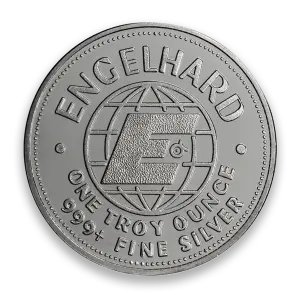
Investment-grade silver rounds are standardly .999 fine, meaning 99.9% pure silver. This matches the purity of silver bars and most government bullion coins, meeting universal investment standards. Some premium private mints produce .9999 fine rounds (99.99% pure), though .999 remains the norm. The purity is clearly stamped on each round alongside weight (typically "1 Troy Oz") and the private mint's mark or logo. Reputable mints maintain consistent quality controls ensuring accurate purity and weight. The small fraction of non-silver metal (usually copper) results from refining processes and provides slight durability benefits. Always verify purity markings and purchase from established mints to guarantee stated silver content and investment-grade quality.