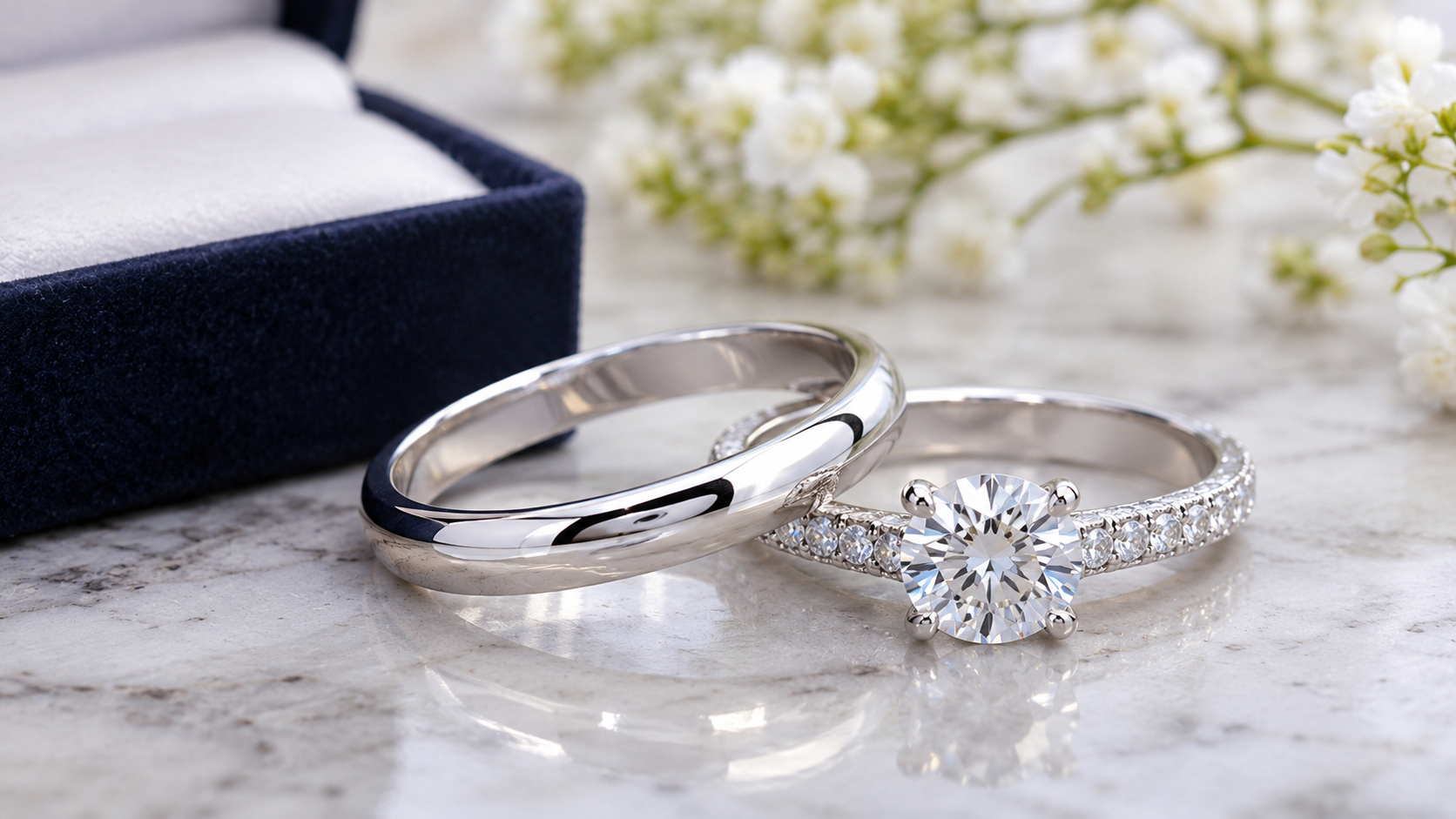
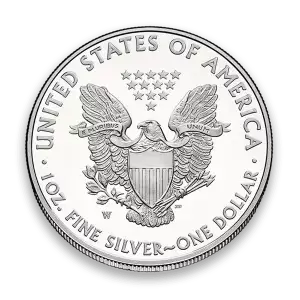
White gold jewelry often has a bright, silvery finish when you first buy it. Over time, though, that color can start to look warmer or slightly yellow. This leads to a common question: what is rhodium plating, and why does it make such a difference to white gold? It's a thin coating of white metal that gives the jewelry its bright appearance. The finish doesn't last forever, though.
Here's how rhodium plating works, when it wears off, and what to know before selling your jewelry.
What Is Rhodium Plating?
Rhodium is a rare, silvery-white metal in the platinum group. In jewelry, it's used to finish the surface rather than make up the main part of a piece. To apply it, a jeweler places the jewelry in a chemical bath and uses an electric current to deposit a very thin layer of rhodium onto the surface.
This creates the smooth, bright finish commonly seen on white gold rings, chains, and earrings. The coating is extremely thin, so it doesn't change the jewelry's shape or size. Rhodium is also a hard metal, which gives the surface some added resistance to light scratches.
Why Does White Gold Need Rhodium Plating?
White gold gets its color from mixing yellow gold with white metals such as palladium, silver, or nickel. The result is lighter than yellow gold, but it doesn't always have the bright white appearance people expect. Depending on the alloy, the natural color can have a slight gray or champagne tint.
That's where rhodium comes in. A thin coating covers the underlying color and gives white gold a brighter, more silvery finish. It's mainly an appearance choice, not a requirement for the gold itself. White gold remains solid gold without the coating, and some people actually prefer its softer natural color.
How Is White Gold Rhodium Plated?
Getting the finish right starts with proper preparation. A jeweler cleans and polishes the piece to remove dirt, oils, and any remaining old plating. The jeweler then places the jewelry in a rhodium solution, where an electric current helps deposit the metal across its surface.
After plating, the piece is rinsed and given a final polish. Cleaning is an important part of the process because leftover residue can cause an uneven finish. This is best left to a trained jeweler rather than attempted at home. Extra care is also needed around gemstones, as some stones can react to chemicals or heat.
Does Rhodium Plating Wear Off on White Gold?
Yes. Rhodium plating doesn't last permanently because the coating is very thin. Everyday contact gradually wears it down, though how long it lasts depends on the type of jewelry and how often you wear it.
Signs Your White Gold Needs Replating
A color change is usually the first thing you'll notice. The underside of a ring, for example, may start showing a warmer or slightly yellow shade because it touches surfaces throughout the day. Bracelets can develop similar changes around their edges.
You may also see some patchy areas where the original white has worn away. Some pieces may be dull in places or have a few small scratches. Again, these are surface finish changes, not damage to the gold underneath. A jeweler can clean it and replate it to restore a bright finish.
What Makes Rhodium Plating Wear Faster
How you wear your jewelry affects how long the finish lasts. Rings usually lose their plating faster than earrings or pendants because your hands constantly touch and rub against different surfaces.
Other things can speed up the process, too. Chlorine, household cleaning products, lotions, and perfumes can contribute to wear. Skin chemistry also makes a difference. Many people have their rings replated every year or two, while necklaces may hold their finish for much longer.
Taking off your rings before swimming, working out, or using household cleaners can help reduce wear. Timing varies by piece, so a jeweler can advise you based on its condition.
Platinum and Palladium Bullion at Pacific Precious Metals
Rhodium is part of the platinum group of metals, which also includes platinum and palladium. One difference is that platinum is naturally white, so it doesn't need the same rhodium coating as white gold.
Pacific Precious Metals carries platinum and palladium bullion for buyers interested in these white metals. Bullion is valued for its metal content rather than a surface finish, so there is no plated layer to wear away. This is different from white gold jewelry, which has value tied to both its design and metal content. Browse the platinum bullion selection to see available products.
How Rhodium Plating Affects Selling White Gold Jewelry
If your white gold jewelry has lost some of its shine, that doesn't mean it has lost gold value. When a dealer assesses a piece, the main factors are its karat, weight, and metal composition. Rhodium plating is so thin that it doesn't add meaningful metal value.
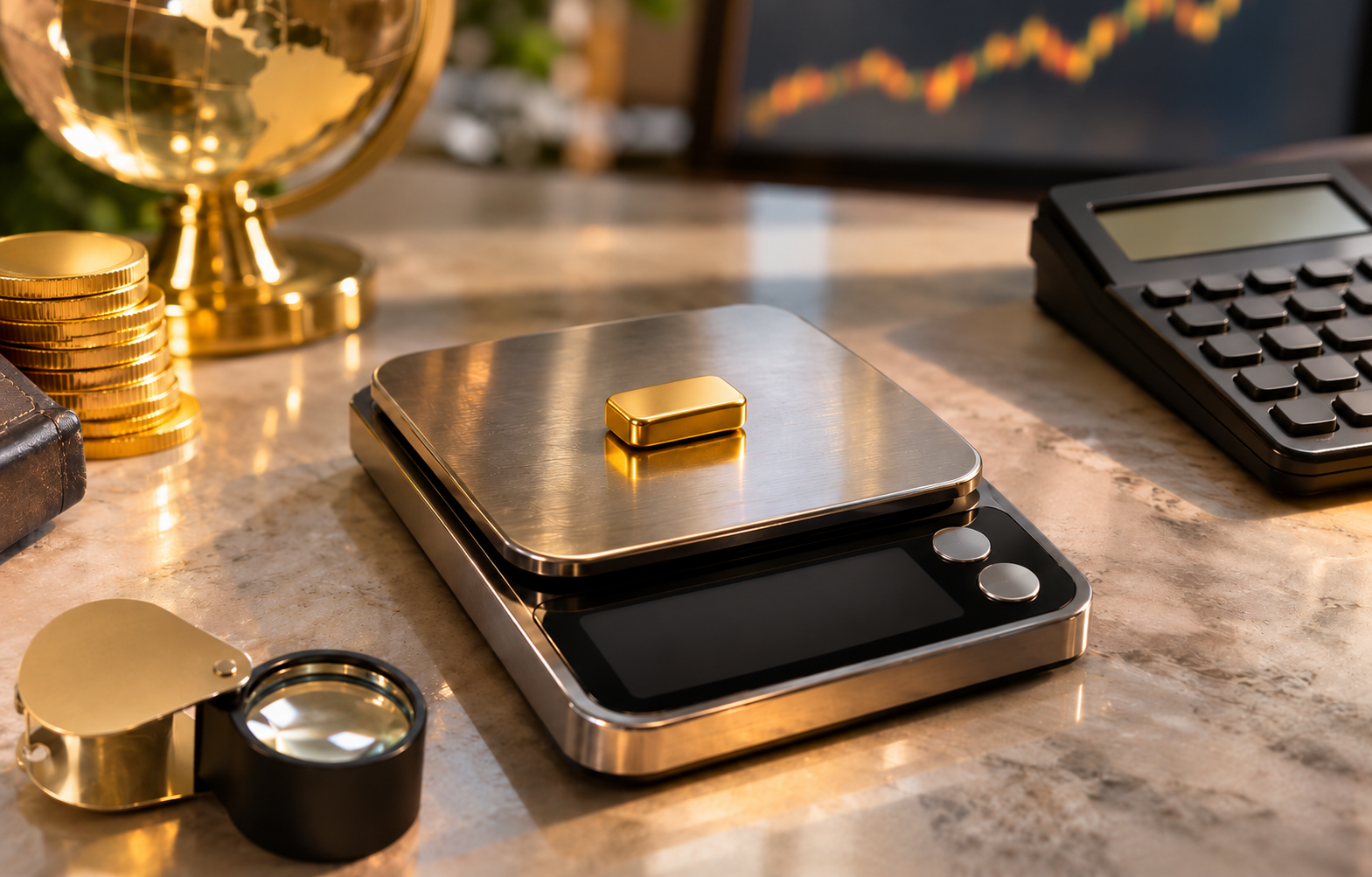
At Pacific Precious Metals, X-ray fluorescence testing and government-certified scales are used to check metal content and weight.
If you're thinking about selling, take a look at the Cash for Gold service to understand the process. You generally don't need to pay for replating before a sale when the jewelry is valued for its gold content.
Frequently Asked Questions
Is rhodium plating necessary for white gold?
No. White gold is still solid gold without rhodium plating. The coating simply gives it a brighter, whiter finish. Some owners prefer that polished look, while others prefer the slightly warmer color of unplated white gold.
How often should white gold be replated?
That depends on how often you wear the jewelry and how much it contacts other surfaces. Rings commonly need replating every one to two years, while earrings and pendants can go longer. If you start noticing yellow tones, ask a jeweler to check the finish.
Is rhodium plating permanent?
No. The coating simply wears away through normal use, friction, and exposure to chemicals. The gold underneath is completely unaffected. Once the white finish has worn off, you can have a jeweler apply another coat of rhodium.
Does rhodium plating change what white gold jewelry is worth?
It doesn't affect the value of the gold itself. Dealers assess white gold based on its karat, weight, and metal content. A worn finish doesn't change the gold content, and the thin rhodium layer adds very little to the metal value.
Summing Up
So, what is rhodium plating? It's a thin layer of white metal that gives white gold its bright, silvery finish. The coating gradually wears away, but you can reapply it without changing the gold underneath.
If you're considering buying or selling precious metals, Pacific Precious Metals can help you explore your options and understand your jewelry's value.