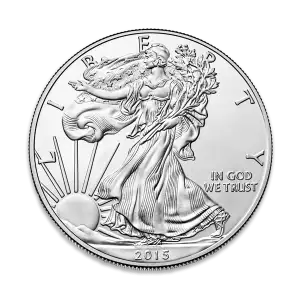
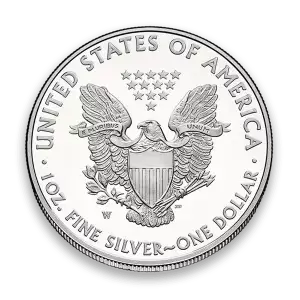
A Walking Liberty half dollar from 1916 may sell for a very different price than one dated 1945. The Walking Liberty half dollar value depends on the date, mint mark, condition, and the silver market. Each coin contains 90% silver, so even a worn example has a base metal value. Some dates, including 1916-S, 1921-S, and 1938-D, are harder to find and can command much higher prices.
This guide explains Walking Liberty half dollar values and how to calculate them.
What Determines Value in the Walking Liberty Series
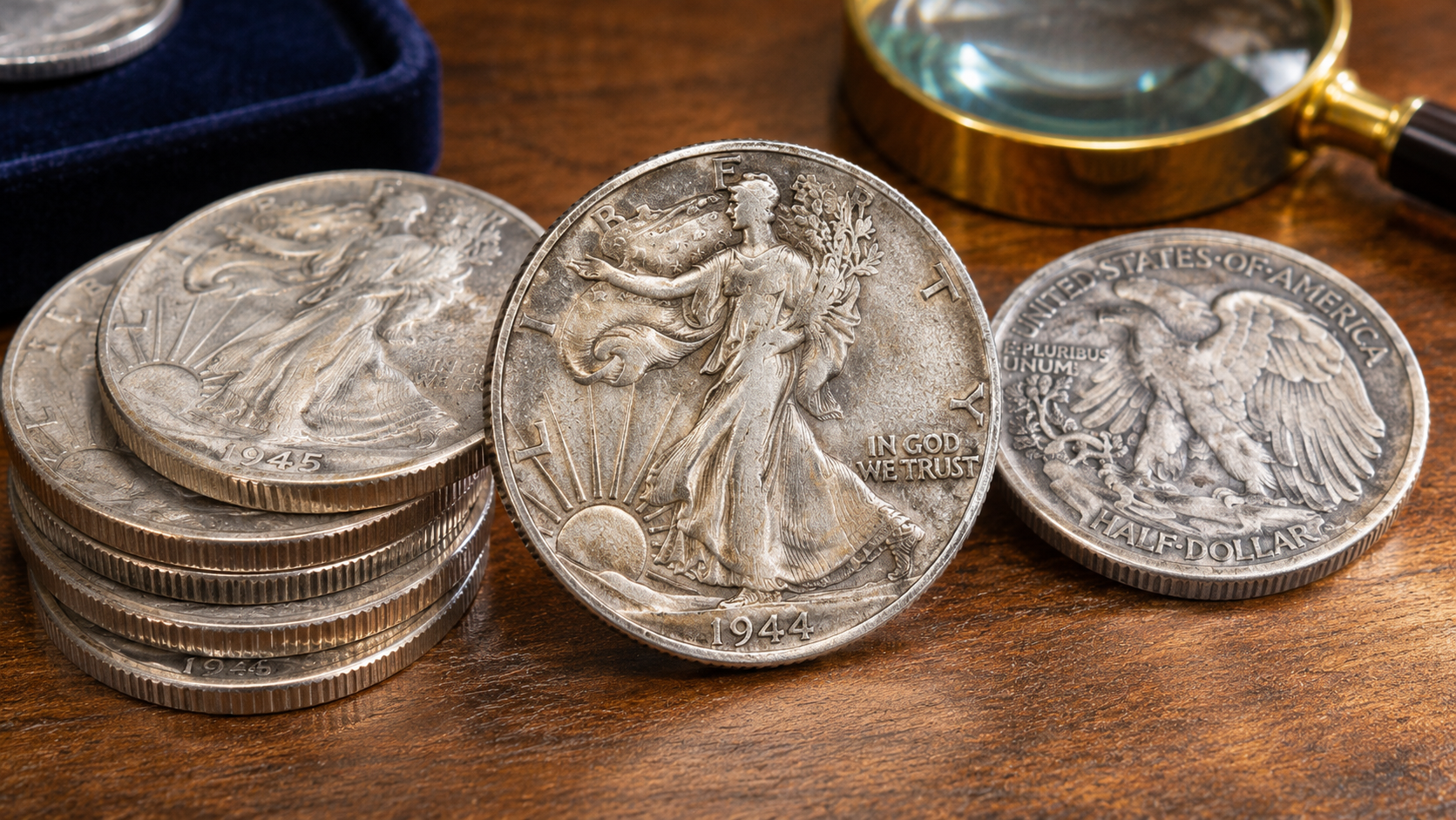
Walking Liberty half dollars were produced from 1916 to 1947. Adolph Weinman designed the design (Liberty walking toward the sun on the obverse and an eagle on the reverse).
The composition was the same throughout the series: 90% silver, 10% copper.
Each coin contains approximately 0.3617 troy ounces of pure silver, which gives it a value based on the price of silver. Collectors will, of course, be prepared to pay more for certain dates and certain examples in good condition.
The mint mark indicates where the coin was minted. No mint mark on a coin means it's a Philadelphia issue. A D indicates a Denver minting, and an S indicates a San Francisco minting.
How to Calculate Melt Value
You can calculate a coin's melt value using its silver content and the current spot price.
Melt value = 0.3617 oz × spot silver price
For example, ten Walking Liberty half dollars contain about 3.6 troy ounces of silver. Their combined melt value will change as silver prices rise or fall. Worn, common-date coins may sell close to that amount, while scarce dates and coins in excellent condition can be worth considerably more.
Check the current spot silver price when working out what your coins may be worth.
Walking Liberty Half Dollar Value by Year: 1916 to 1920
The first year of production brought the 1916 Walking Liberty half dollar, now a sought-after date among collectors. One detail makes the 1916-S especially easy to identify: its mint mark is on the front of the coin.
Condition is a huge factor with the 1917 to 1920 issues. The D and S issues, in particular, are hard to find with little wear, and the 1919-S, 1919-D, and 1920-S are very difficult to find in high grades. A coin with good detail on the head and hand of Liberty will obviously be more desirable than one with heavy wear.
Key Dates and Scarce Years: 1921 to 1929
The three 1921 issues deserve particular attention. The 1921, 1921-D, and 1921-S had low mintages, making them key dates in the series.
Production was uneven during the rest of the 1920s. The Mint skipped several years, and San Francisco alone produced Walking Liberty half dollars in 1923, 1927, and 1928. Both Denver and San Francisco issued coins in 1929.
Because fewer coins were made in some of these years, surviving examples can be harder to find. Even circulated coins from certain dates may carry a premium over their silver value.
Common and Collectible Years: 1933 to 1947
No Walking Liberty half dollars were minted from 1930 through 1932. Production resumed in 1933, with San Francisco striking that year's coins. From 1934 onward, Philadelphia, Denver, and San Francisco produced larger quantities through 1947.
Many of these later coins are easier to find, particularly in circulated condition. The 1938-D is a notable exception because of its low mintage. Common 1940s examples often trade near melt value, although uncirculated coins with strong details can sell for more.
The series ended in 1947. The Franklin half dollar replaced it the following year.
How Mint Marks and Condition Change Value
Where to Find the Mint Mark
Turn the coin over and look near the lower-left rim on the reverse. That's where the mint mark appears on most Walking Liberty half dollars.
The 1916 issues and some 1917 coins are an exception: the mark appears on the front below the motto. No mint mark means the coin was struck in Philadelphia.
Grade, Cleaning, and Certification
Wear is easiest to spot on the raised parts of the design. Check Liberty's head and left hand, then examine the eagle's breast feathers. If these details have worn smooth, the coin will generally receive a lower grade.
Cleaning can also hurt collector value. Scratches and altered surfaces may make a coin less desirable, even if it looks brighter afterward. For scarce or expensive dates, certification from PCGS or NGC can help establish authenticity and grade.
U.S. Silver Coins at Pacific Precious Metals
Pacific Precious Metals sells U.S. silver coins online and at its four Bay Area stores in Sausalito, Palo Alto, Fremont, and Walnut Creek. The U.S. silver coins page features American Silver Eagles and pre-1965 90% silver coins, including dimes, quarters, and most half dollars. It also features classic designs such as the Walking Liberty.
If you're looking for a particular year or mint mark, call to ask about availability. You can also bring your coins to any of the four stores for an in-person review. Stock changes, so a specific coin may not always be available.
Frequently Asked Questions
How much is a Walking Liberty half dollar worth?
Common circulated coinage generally sells around its silver melt value. Each coin contains approximately 0.3617 troy oz of silver. Scarcer dates (1916-S, 1921-S, and 1938-D being the most notable) will obviously fetch more depending on condition.
Which Walking Liberty half dollar years are the most valuable?
Collectors look for the 1921 issues, certain early Denver and San Francisco coins, and the 1938-D. A coin's condition also affects its price, so two coins from the same year may have very different values.
Are Walking Liberty half dollars 90% silver?
Yes. All coins in this series contain 90% silver and 10% copper. Each has approximately 0.3617 troy ounces of pure silver.
How can I tell what my Walking Liberty half dollar is worth?
Start with the date and mint mark. Then look for any wear, scratches, or signs of cleaning. A coin dealer can look at it and tell you whether its collector value is actually greater than the value of the silver in it.
Putting a Number on Your Walking Liberty Half Dollars
Before you sell, check the date rather than assuming it's worth nothing more than its silver content. A common, worn example may well sell at or near melt value, but a scarce date can be worth a lot more. The mint mark and the condition will go some way towards explaining the difference.
If you've got a coin from an early year or one that looks rather unusually well preserved, get it checked before you accept an offer.
Disclaimer: This content is provided by Pacific Precious Metals for educational purposes only and is not financial or tax advice. Precious metals carry risk, including possible loss of principal, so please consult a licensed advisor before investing.