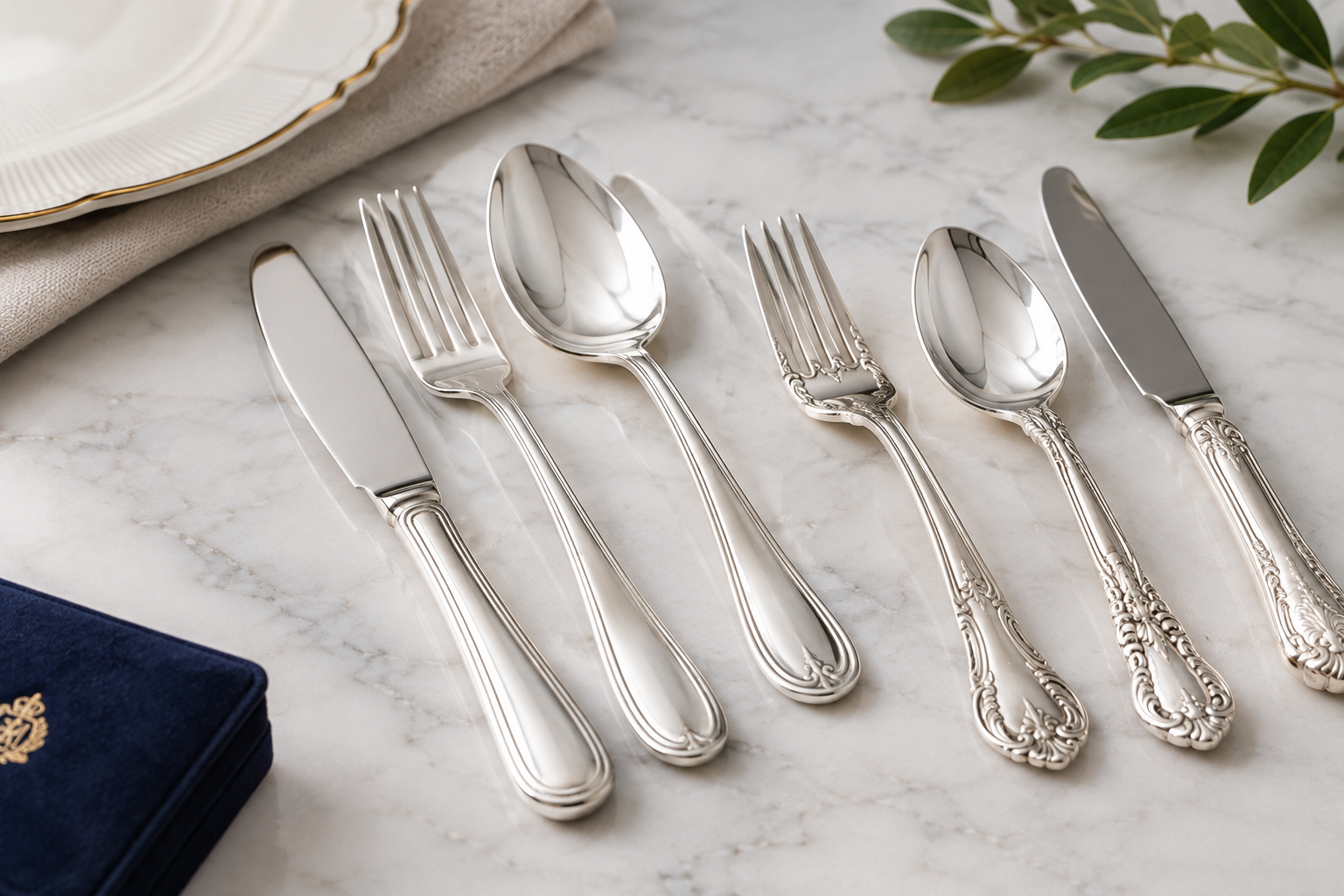
An old silver spoon or serving set can look like ordinary tableware until you turn it over and notice a small stamp. That mark can tell you much more than you might expect.
If you have inherited sterling silver flatware, the sterling silver flatware value may come from its silver content, its maker, its pattern, or a combination of all three. Knowing what to look for can help you understand what you have before deciding to sell.
What Makes Flatware Sterling Silver?
Sterling silver contains 92.5% pure silver, with the remaining 7.5% usually made up of other metals that add strength.
Look for markings such as:
Sterling
925
.925
Older pieces may also have hallmarks identifying the maker, origin, or silver standard. Do not assume that anything labeled “silver” is sterling. Silver-plated flatware has a thin silver coating over another metal and generally contains much less precious metal.
How Is Sterling Silver Flatware Value Determined?
Sterling silver flatware value starts with its silver content, weight, and the current silver price. The maker, pattern, condition, age, and rarity can also affect what collectors are willing to pay. Two pieces with similar weights can therefore have very different values.
Do Makers Matter?
Yes. Well-known makers such as Tiffany & Co., Gorham, Reed & Barton, Towle, and Wallace have established collector markets. A maker's mark can help identify the piece and its pattern, but the name alone does not determine value. Silver content, condition, rarity, and demand also matter.
What Else Affects the Value?
Maker and pattern are only part of the picture. Consider these factors as well:
Weight: More silver generally means greater underlying metal value.
Condition: Dents, repairs, deep scratches, and heavy wear can affect collector appeal.
Completeness: A complete matching set may be more desirable than individual pieces.
Age and rarity: Older does not automatically mean more valuable. Scarcity and demand matter more.
Design: Detailed craftsmanship or unusual serving pieces may attract additional interest.
Before selling, check the back of each piece for purity and maker markings. Good lighting and a magnifying glass can help with worn stamps. Avoid aggressive polishing, as it can alter the surface of older silver.
Should You Sell Sterling Silver Flatware?
If you have unwanted sterling silver flatware, its value may come from the silver itself, its collector appeal, or both.
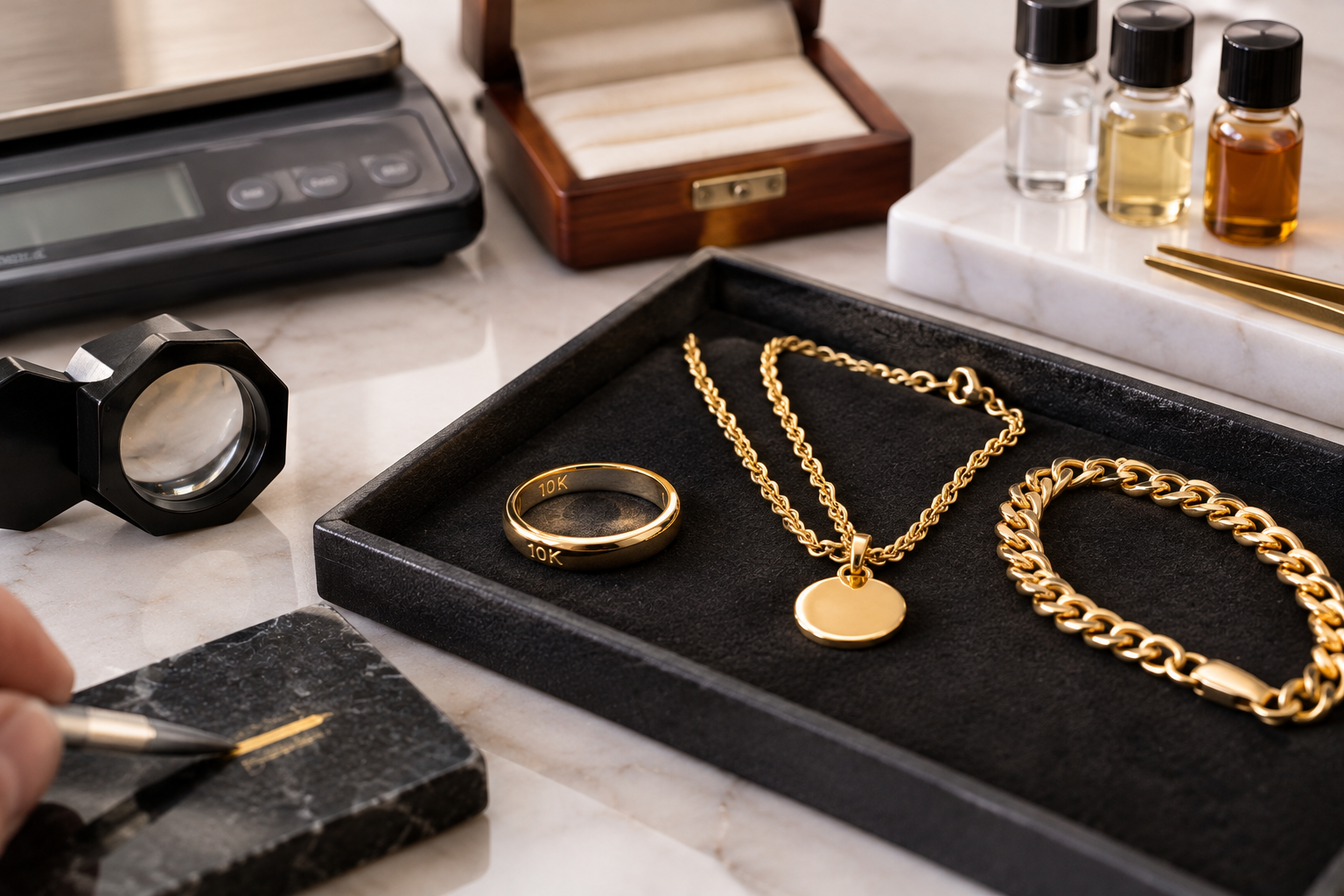
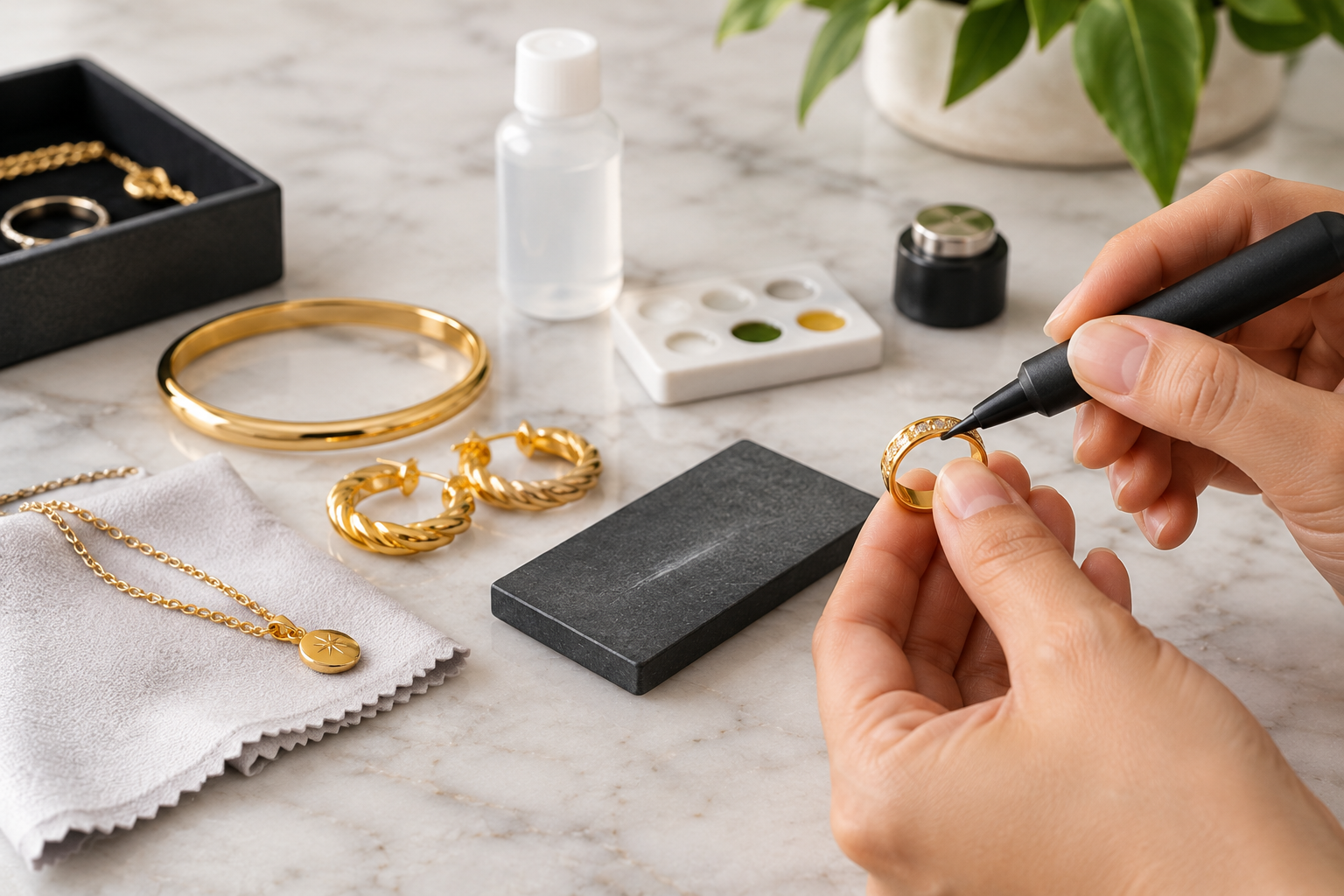
A professional precious metals dealer can test the pieces, confirm their composition, and weigh them as part of an evaluation. If a set has an unusual maker or pattern, identifying those details can provide useful context before you sell.
This can be especially helpful with inherited collections that contain pieces gathered over many years.
Frequently Asked Questions
How can I tell if my flatware is sterling silver?
Look for marks such as Sterling, 925, or .925. Older pieces may also have a maker’s mark or other hallmarks that help identify the metal. If the markings are worn, missing, or unclear, professional testing can help confirm the flatware’s composition.
Does the maker affect sterling silver flatware value?
It can. Recognized makers with established collector markets may make certain pieces more desirable. However, the maker alone does not determine value. Silver content, weight, condition, pattern, rarity, and current demand can all affect what a piece is worth.
Are sterling silver patterns worth more?
Some patterns can carry additional collector value, especially if they are rare, discontinued, historically significant, or in demand. Common patterns may be valued mainly for their silver content. Complete sets can also attract more interest than individual pieces.
Is silver-plated flatware worth anything?
It can have decorative or collectible value, but it generally contains much less silver than sterling flatware. Silver-plated pieces have a thin layer of silver over another metal, so their precious-metal value is usually lower. Check the markings before assuming a piece is sterling.
Should I polish sterling silver flatware before selling it?
Avoid aggressive polishing before having your flatware evaluated. Heavy polishing can remove surface detail and affect important marks or decorative features. A buyer can examine the pieces as they are and assess their silver content, condition, and potential collector value.
What Your Sterling Silver Flatware Could Be Worth
Sterling silver flatware can be worth more than its silver content. Weight, purity, maker, pattern, condition, and collector demand can all affect a collection’s value.
Pacific Precious Metals can evaluate your sterling silver flatware, confirm its metal content, and help you get a clearer picture of its value before selling.
This content is provided by Pacific Precious Metals for educational purposes only and is not financial or tax advice. Precious metals carry risk, including possible loss of principal, so please consult a licensed advisor before investing.