Ever wondered why two pieces of gold look the same yet are priced drastically differently? The reason usually comes down to gold purity levels, not color or shine.
Purity tells us how much real gold is actually there. Higher purity means clearer value, easier pricing, and stronger trust over time. Lower purity requires the use of alloys, which can complicate resale and long-term confidence.
That is why 24K gold is considered the benchmark for investment-grade gold. With 9999 fine gold and no added metals, it offers consistency and transparency. When buyers understand purity, they truly understand what they own and why it matters.
What Is 24K Gold? A Quick Answer
24K gold is gold in its purest form. It contains 99.99% pure gold and is often labeled as 9999 fine gold. There are virtually no added alloy metals, which means what you see is almost entirely gold.
Because of that purity, 24K gold is considered the highest standard available for bullion. When we talk about investment-grade gold, this is the benchmark many buyers look for first.
Understanding Gold Purity Levels (Karat System Explained)
Talking about gold purity? Well, the karat system is what sets the standard. Karat is basically the measure of pure gold present out of 24 parts. The higher the karat, the higher the gold content.
Here is how common gold purity levels break down.
- 24K gold is 99.99% pure.
- 22K gold contains 91.67% pure gold.
- 18K gold is 75% pure.
- 14K gold is about 58.3% pure.
As the karat number decreases, more alloy metals are added.
That mix is why jewelry often uses lower karats. Added metals make gold harder and more durable for daily wear. Pure 24K gold is softer, which is why it is favored for bullion and investment-grade gold rather than jewelry meant to be worn every day.
24K Gold vs Other Purity Levels
The main difference between 24K gold and other purity levels is simple. It comes down to how much real gold is there. 24K gold is nearly pure, especially compared to 22K gold, as it has practically no added metals.
That gap gets wider with 18K and 14K gold. Those options contain much more alloy, which changes the color, feel, and gold content. That works well for jewelry, but it matters less when the goal is ownership, not wear.
For bullion, higher purity is key. Fewer alloys mean clearer value, easier resale, and broader acceptance when buying investment-grade gold.
What Does “9999 Fine Gold” Mean?
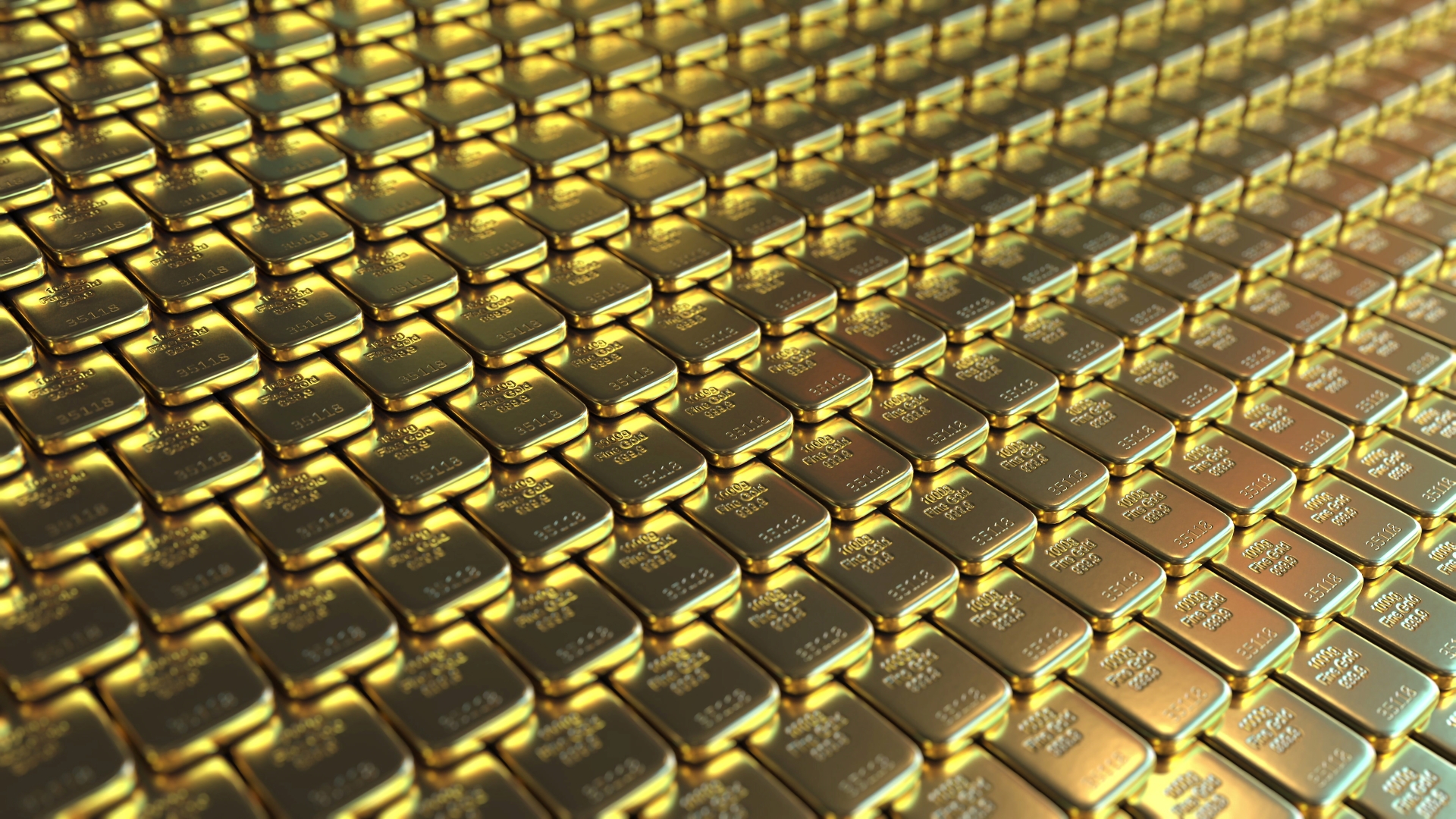
When marked as 9999 fine gold, it usually indicates how pure the gold actually is. The fineness of gold is measured in parts per thousand; hence, 9999 usually means 99.99% pure.
You may also see .999 gold, which is 99.9% pure. The difference is small, but for bullion buyers, it matters. That extra level of purity meets international standards and matches what investors expect from modern, investment-grade gold.
Why 24K Gold Is Considered Investment-Grade Gold
24K gold is widely recognized and accepted worldwide. That global trust makes it easier to buy, value, and sell without questions about quality or composition.
Because it is pure, pricing stays closely tied to the spot price of gold. There is less confusion during resale since buyers know exactly what they are getting. This is why long-term investors and even central banks prefer high-purity gold. Strong liquidity in both U.S. and international markets keeps 24K gold firmly in the investment grade category.
Common Forms of 24K Gold
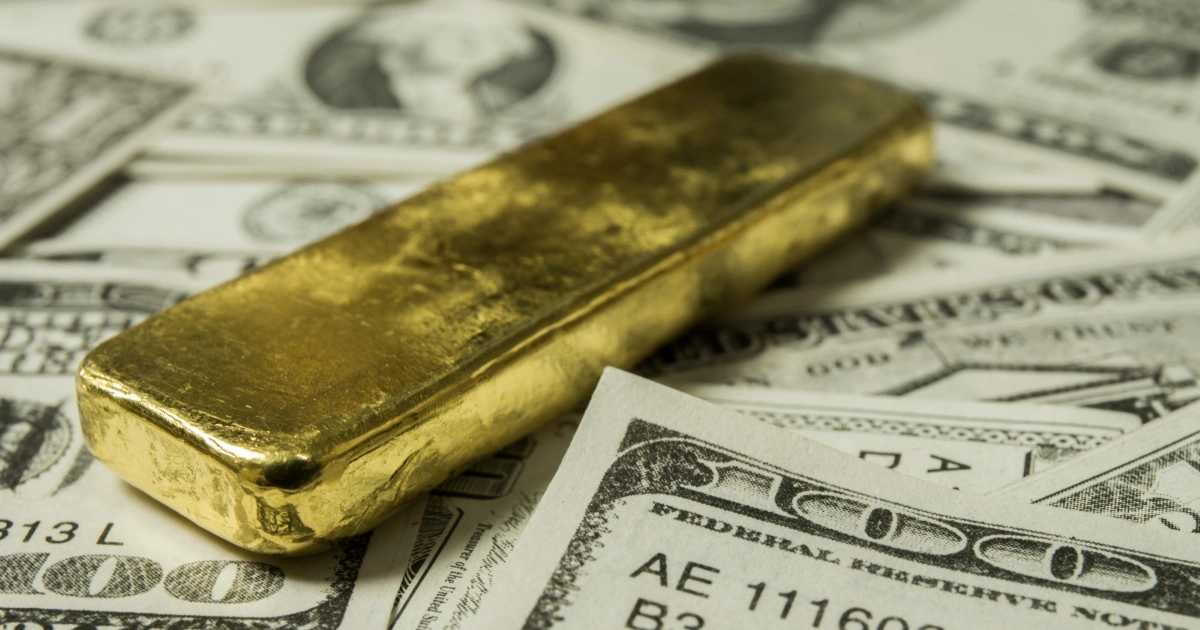
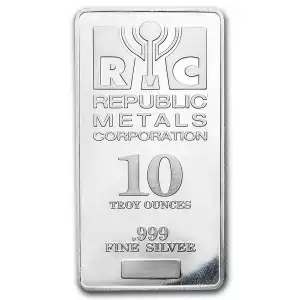
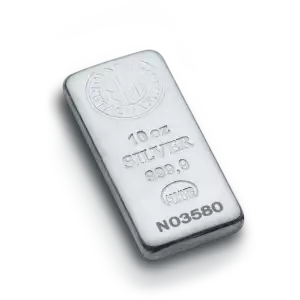
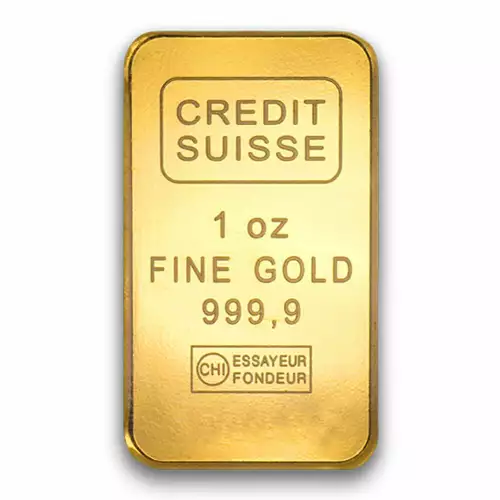
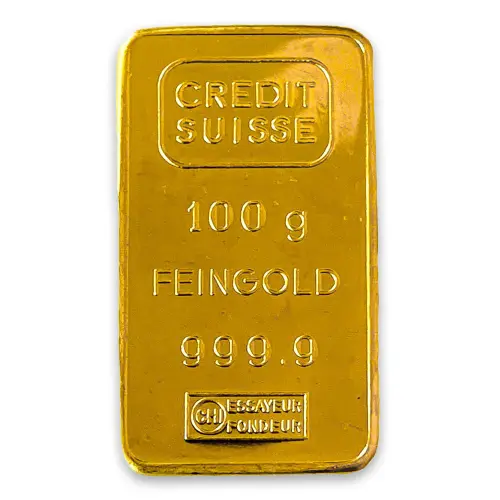
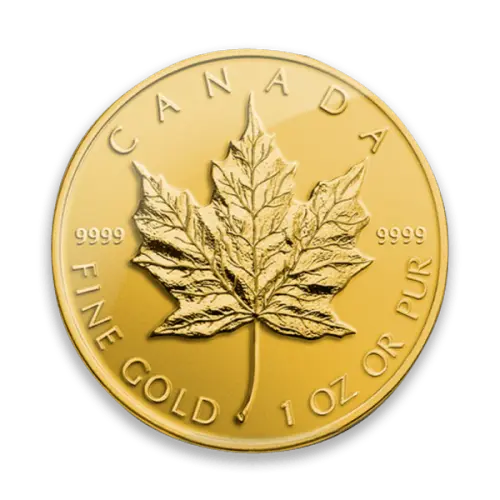
We usually see 24K gold in two main forms: bars and bullion coins. Gold bars range from small gram sizes to one-ounce and kilo bars, making it easy to choose based on budget.
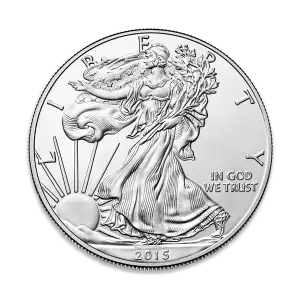
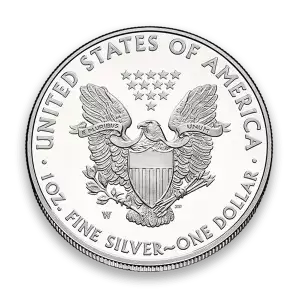
Bullion coins are made for ownership, not wear. Unlike jewelry coins, their value comes from gold content, not design. Many bars come sealed in assay cards with serial numbers, which helps with verification and resale later on.
Does Higher Purity Always Mean Better?
Higher purity is not always the best fit for every situation. Pure gold is softer. That's a factor that makes it less ideal for items meant to be worn or handled frequently.
That is why some investors still choose 22K coins. They offer high gold content with added durability, which can be appealing in certain use cases.
24K gold often makes the most sense when the goal is long-term ownership and clear value. Matching purity to your investment goals helps ensure you are buying gold for the right reasons.
How to Verify 24K Gold Authenticity
There are a few simple ways we verify 24K gold. Purity stamps and fineness markings are the first place to look, as they clearly state gold content.
Weight and dimension checks help confirm that the piece matches known standards. For deeper verification, non-destructive XRF testing can confirm purity without damaging the gold.
Buying from reputable dealers matters a lot for this exact reason. Proper testing, documentation, and handling remove uncertainty and help ensure you are getting genuine investment-grade gold.
Buying 24K Gold: What Investors Should Know
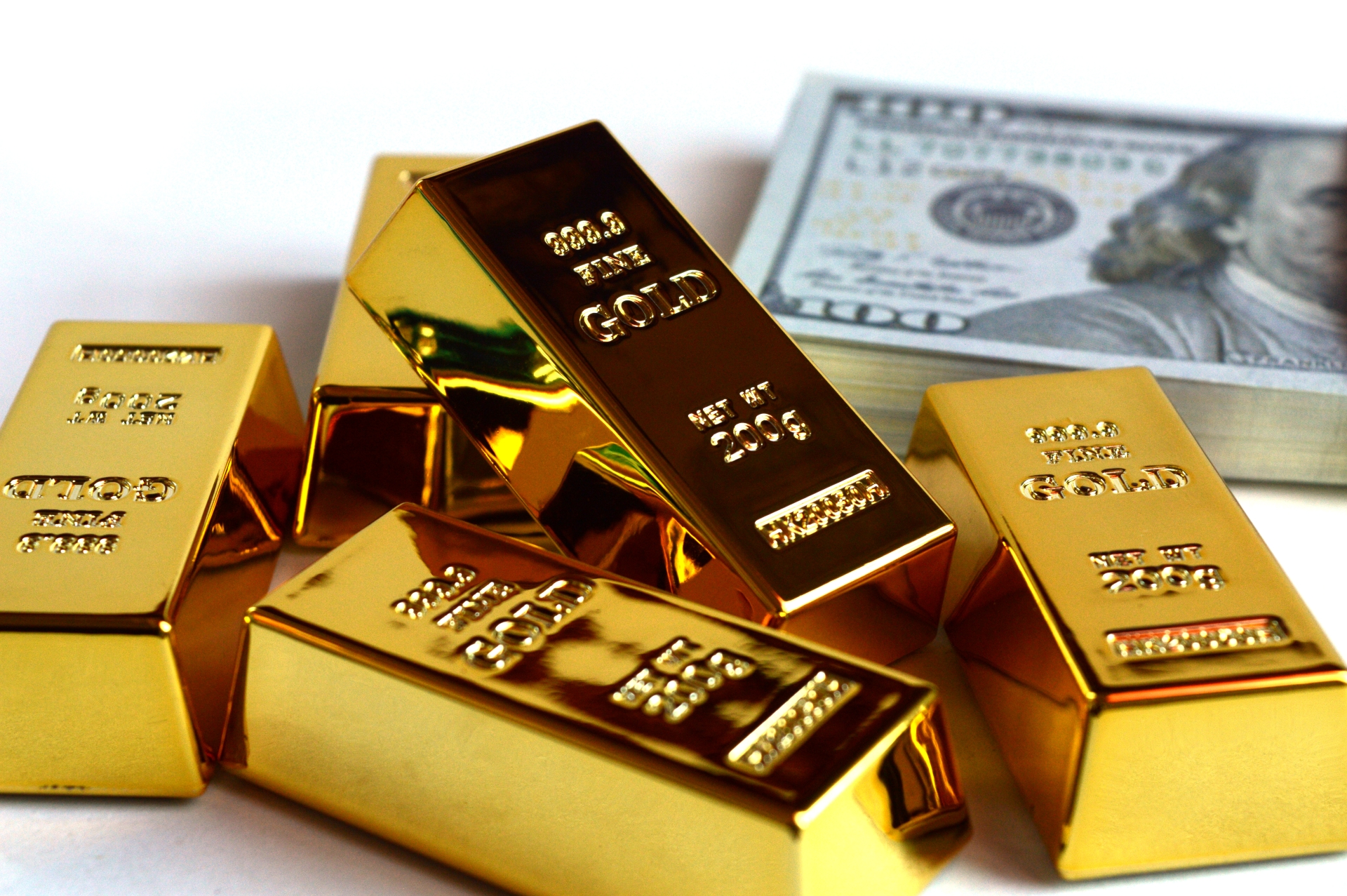
When we buy 24K gold, pricing usually comes down to two parts: the spot price and the premium. The spot price reflects the current market value of gold, while the premium covers minting, distribution, and dealer costs.
Premiums can vary depending on the form of gold. Coins often command slightly higher premiums than bars due to their recognizability and demand. Bars tend to be more straightforward and may appeal to buyers focused purely on weight and price.
Storage and handling matter as well. Keeping gold secure and protected helps preserve value. Given the transaction and location, it is also important to understand taxes and reporting rules. Hence, having basic awareness helps avoid surprises later.
Why Buy 24K Gold from Pacific Precious Metals
When we buy 24K gold, confidence in what we are purchasing matters. Pacific Precious Metals offers authenticated 9999 fine gold products with live, market-linked pricing, so there is clarity around value from the start.
Purity and weight are verified using XRF testing. This removes guesswork and adds another layer of trust. Secure shipping and established buyback support make ownership easier over the long term.
As a trusted U.S. precious metals dealer, Pacific Precious Metals focuses on transparency, verification, and consistency, all of which matter when buying investment-grade gold.
FAQs About 24K Gold
Is 24K gold too soft for investing?
No. While it is softer than lower-purity gold, durability is not a concern for bullion held for investment.
Is 9999 fine gold better than 999?
Both are high purity, but 9999 fine gold meets higher international standards and investor expectations.
Can I resell 24K gold easily?
Yes. 24K gold is widely recognized and highly liquid in U.S. and global markets.
Is 24K gold good for beginners?
Yes. Its purity makes pricing and valuation straightforward for new buyers.
Why Purity Equals Confidence in Gold Investing
Purity removes a lot of the uncertainty from gold ownership. When we know exactly how much pure gold we are holding, pricing is clearer, and resale is simpler. There is less room for confusion and fewer questions when it matters most.
That is why 24K gold often becomes the foundation for serious investors. Its consistency and global acceptance make it easier to align gold ownership with long-term financial goals instead of short-term decisions.
Buying investment-grade gold with confidence starts with purity and trust. Working with an established dealer like Pacific Precious Metals helps ensure that what we buy today retains its value well into the future.
Shop pure 24K gold from us today and build your wealth in 2026.