A gold IRA rollover is the transfer of funds from a 401(k), traditional IRA, or similar retirement account into a self-directed IRA holding physical gold. While the process is long, once you understand its details, it becomes quite easy. From opening up that account to storing it in an approved depository, we’re covering it all.
Transferring your retirement funds into physical gold is not just a “set it and forget it” process. It’s a precise evolution of your portfolio. Each phase of the process is designed and regulated to protect your wealth while staying IRS-compliant. You’re moving from digital numbers to real metal without trying to trigger a tax bill.
In this blog, we walk you through the gold IRA rollover process step by step, explain IRS rules and tax implications, and clarify how to move your 401(k) into physical gold without triggering penalties.
Gold IRA Rollover Step-by-Step Process
From paper-backed assets to actual, physical gold, shifting your funds is a journey. Each step of the process ensures the transition remains legal, safe, and protected.
Step 1: Open a Self-Directed Gold IRA
Standard IRAs are for stocks and mutual funds, not for holding physical bars. You need a Self-Directed IRA (SDIRA) to gain the freedom to invest in alternative assets. The custodian acts as the administrative backbone. They handle the complex IRS reporting that comes with physical holdings.
Step 2: Choose an IRS-Approved Custodian
You need an IRS-authorized third party to oversee your account. The custodian practically manages everything, from recordkeeping to ensuring that all transactions comply with federal laws. Crucially, you cannot personally hold the gold; the custodian coordinates directly with the vault to keep your account compliant.
Step 3: Initiate the Rollover or Transfer
You have two paths: a direct rollover (where money moves between institutions) or an indirect rollover (where the check is sent to you first). We recommend the direct route. It’s faster, cleaner, and eliminates the risk of missing the strict 60-day window.
Step 4: Fund the Account
Whether pulling from a 401(k), a Traditional IRA, or a Roth IRA, your capital now lands in the SDIRA. Keep in mind that Roth-to-Roth moves preserve your tax-free growth, while Traditional moves maintain tax-deferred status. This is where your buying power officially comes into play.
Step 5: Purchase IRS-Approved Gold
Once the funds are clear, it’s time to buy. The IRS is picky. They mandate a minimum fineness of 0.995 for gold. Pick your bullion through a reputable dealer like Pacific Precious Metals, and your custodian executes the transition using your IRA funds.
Step 6: Store Gold in an Approved Depository
Your metal is shipped directly to a high-security depository. You can choose between segregated (private) storage and non-segregated (commingled) storage. Both are fully insured and monitored 24/7, far from your home and safe, exactly where the regulations require them to be.
Understanding each step before you begin helps ensure your rollover stays compliant, efficient, and fully tax-advantaged.
Gold IRA Rollover Rules and Requirements

Navigating the IRS handbook is tricky, but these rules are the guardrails that keep your retirement tax-advantaged. Ignoring them can trigger a massive tax bill.
IRS Eligibility Rules
You must use an approved custodian and only buy gold bullion that meets purity standards. Most importantly: no personal possession. Storing IRA gold at home is a "prohibited transaction" that results in the immediate disqualification and taxation of your entire account.
60-Day Rollover Rule
With an indirect rollover, you have exactly 60 days to deposit the funds into your new IRA. Miss it by a day, and the IRS treats the whole amount as a taxable distribution. You are also limited to one indirect rollover per 12-month period, so timing is everything.
Tax Implications
Direct rollovers are the gold standard because they are tax-free and penalty-free. However, indirect moves carry the risk of mandatory 20% withholding by your current plan administrator. You’d need to replace that 20% out-of-pocket during the rollover to avoid taxes on the difference.
Following these guardrails carefully is what keeps your retirement savings protected from unnecessary taxes and penalties.
How to Roll Over a 401(k) Into a Gold IRA
Rolling over an old 401(k) is the most common way to fund a gold account. It allows you to "unhook" your savings from a former employer's limited investment options.
Rollover From a Former Employer 401(k)
This is usually straightforward. Since you are no longer with the company, the plan administrator handles the trustee-to-trustee transfer once you provide your new SDIRA details. It's the cleanest break for your savings.
Rollover From a Current Employer 401(k)
This depends on your plan’s "in-service" withdrawal rules. Most companies allow a partial rollover once you hit age 59½, even if you are still on the clock. Check your Summary Plan Description (SPD) for specifics before making a move.
Direct vs Indirect 401(k) Rollovers
Direct rollovers are safer because funds move directly between institutions - bypassing your personal bank account. This method avoids mandatory 20% federal tax withholding and the risky 60-day deposit deadline. It is the cleanest way to keep your full balance tax-advantaged without triggering accidental IRS penalties or paperwork headaches.
Reviewing your plan documents in advance can help you avoid delays and choose the cleanest rollover path.
Tax-Free Gold IRA Rollover Guide
The secret to a tax-free move is avoiding "constructive receipt" of the money. If you never hold the funds, the taxman doesn't have a reason to knock.
How to Avoid Taxes and Penalties
Use a direct trustee-to-trustee transfer. By letting the financial institutions handle the movement, the transaction is reported properly and remains non-taxable. Ensure the purity and storage requirements are met to maintain tax-free status. Make sure that you meet all purity and storage requirements to keep that tax-free status alive and well.
Common Mistakes That Trigger Taxes
- Missing the 60-day window: Failing to complete your rollover in time triggers immediate taxation and potential penalties.
- Buying non-approved gold: Coins like Krugerrands don't meet IRS purity standards and can disqualify your account.
- Attempting a "Home Storage IRA": Storing IRA metals at home is not permitted and can result in the full disqualification of the account.
A properly structured rollover preserves your retirement savings without triggering unintended tax consequences.
What Type of Gold Can You Hold in a Gold IRA?

Selection is everything. We help clients identify exactly which products meet the strict 2026 standards.
Approved Gold Coins
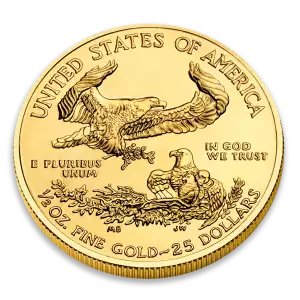
- American Gold Eagles (specifically allowed by the IRS despite being 22k)
- American Gold Buffalo
- Canadian Maple Leafs
Approved Gold Bars
Bars must be 0.995+ pure and produced by an accredited refiner like PAMP Suisse or the Perth Mint. Bars also carry a lower premium than coins, giving you more actual gold for your dollar.
Choosing IRS-approved products ensures your account remains compliant while aligning with your long-term goals.
Pros and Cons of a Gold IRA Rollover
Let’s take a look at the pros and cons of a gold IRA rollover:
The Benefits:
- Diversification: Balances out a stock-heavy portfolio for better risk management.
- Inflation Hedge: Maintains its purchasing power even decades later.
- Tangible Asset: Real security, as you can see it on a vault statement.
The Risks:
- Storage Fees: Annual fees for the vault and the custodian.
- No Dividends: Gold doesn’t necessarily get you a monthly check - it relies on price appreciation.
Weighing the benefits and costs helps you determine whether gold fits your broader retirement strategy.



FAQs
How long does a gold IRA rollover take?
Usually, 2 to 4 weeks. It depends on how fast your current plan administrator completes the paperwork.
Is a gold IRA rollover taxable?
No. If the direct rollover or a properly completed indirect rollover takes place, the entire process is a non-taxable event.
Can I roll over part of my 401(k) into gold?
Yes. Partial rollovers are 100% allowed. In fact, they are a popular choice to stay diversified and not move your entire nest egg.
Can I store my gold IRA at home?
No. The IRS requires all IRA gold to be held in an approved depository. Home storage is a tax disaster.
Is a Gold IRA Rollover Right for You?
A gold IRA is an anchor. It is best suited for long-term savers who want to sleep better knowing a portion of their savings will remain historically resilient during currency instability. If you are concerned about inflation or market volatility, it is a proven wealth-preservation strategy.
Ready to see how the numbers look for your specific plan? Explore our Gold IRA services or browse our IRA-eligible bullion to get started.