Because of its innate beauty and reliability, investors are drawn to gold, and unfortunately, so are counterfeiters. Whether you have an old coin or a new, freshly minted bar, it's important to know how to test gold on your own before you buy or sell it.
You don't have to be a chemist with a science lab to verify gold. There are quite a few simple home tests to verify if your gold is real. From magnet tests and density tests to simple visual tests, these methods verify key details that you should know. Learning how to check gold with simple home tests helps you identify real gold, spot fakes early, and secure the best price on gold when trading or investing.
Why Gold Verification Matters More Than Ever
The demand for gold globally has been increasing, and so has counterfeiting. With gold-plated bars to fake mint stamps and tungsten-filled coins, scammers have unfortunately leveled up, too. Even pieces that look genuine can hide impurities or tampering.
This is why verifying your gold isn't just about curiosity, but also about protecting your wealth. A fast authenticity check allows you to confirm fair value before selling, makes sure you get what you paid for when buying, and protects you from huge mistakes that could cost your portfolio.
Visual Inspection: The First Step to Check Gold
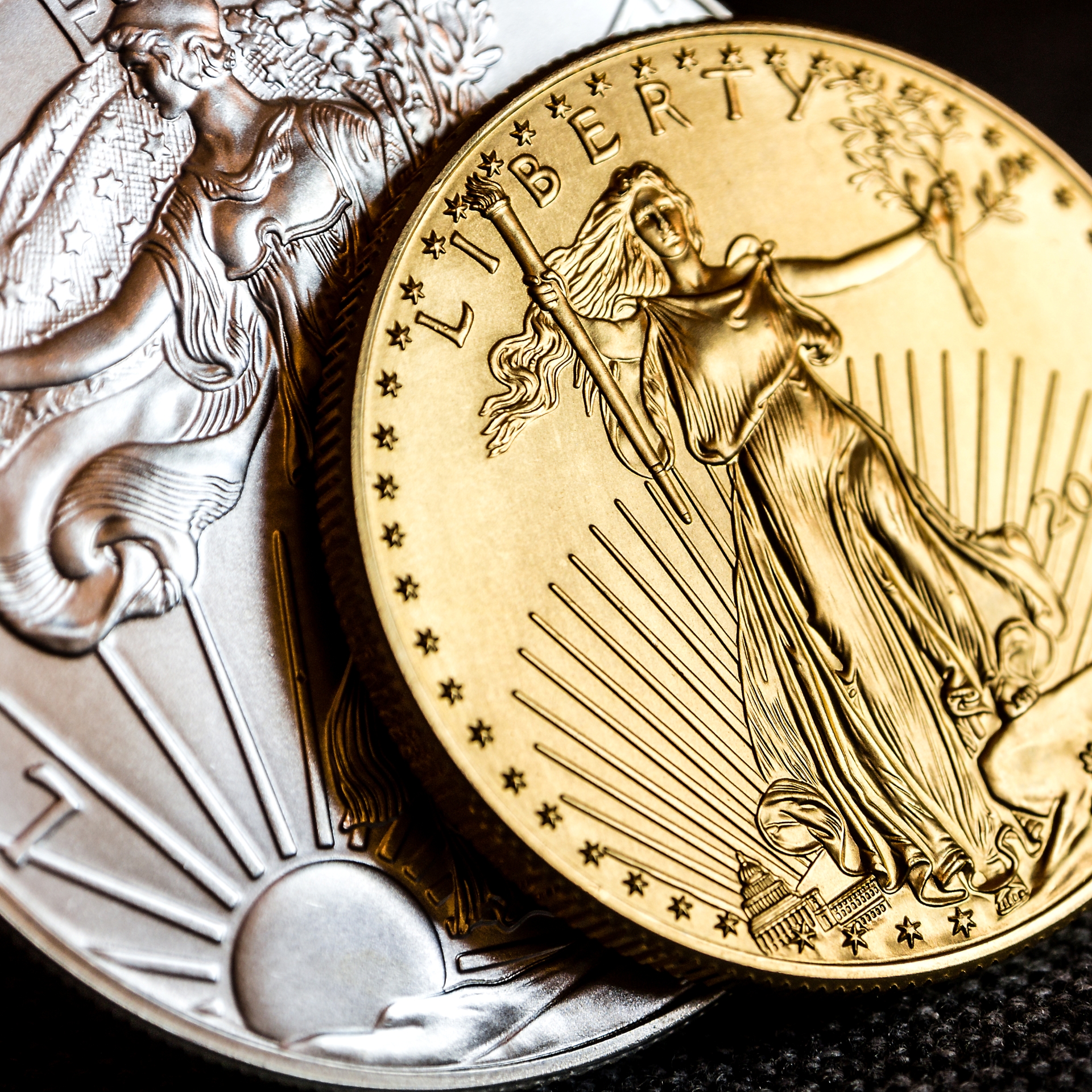
Before you dive straight into advanced tests, start with a simple visual inspection. Real gold will show some obvious signs:
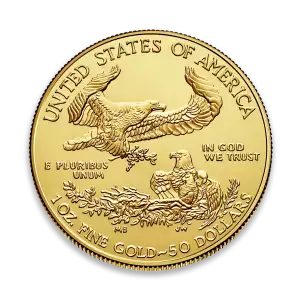
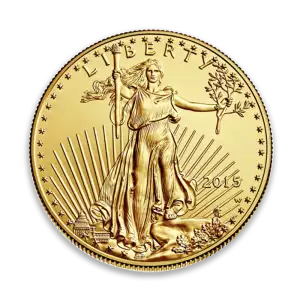
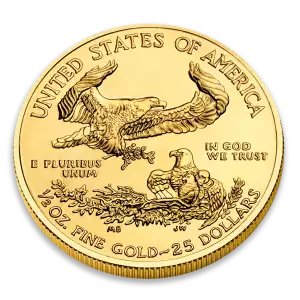
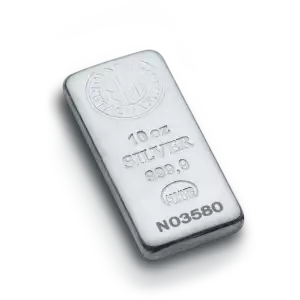
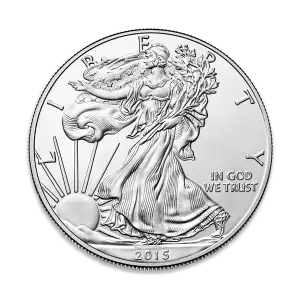
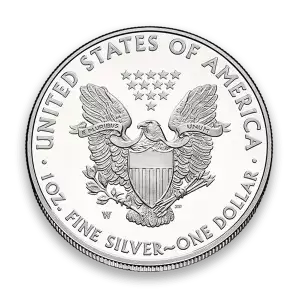
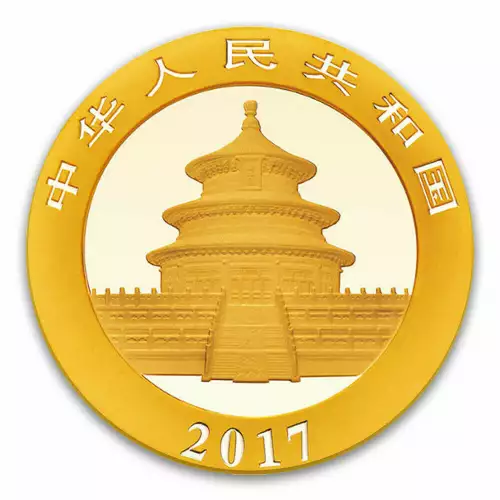
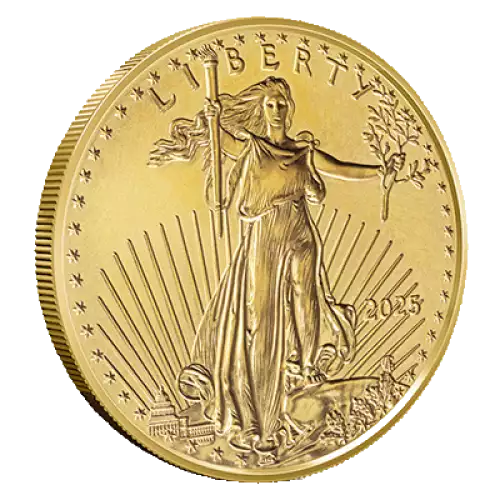
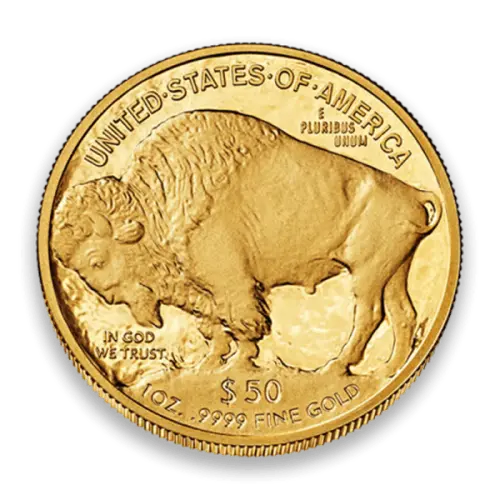
- Hallmarks: Look for verifiable purity marks like "999.9", "24K", or "1 oz" marks. These indicate authenticity and metal content.
- Serial numbers and mint logos: Reputable refiners stamp each piece for traceability and quality assurance.
- Color consistency: Real gold has a warm, even tone. Discoloration, fading, or flaking are signs of plating or impurities.
Avoid scratching or polishing valuable items, as it can damage the surface and reduce the resale value of the items.
Magnet Test: The Easiest Home Method
Curious to test if your gold is real or not without any special equipment? The magnet test is a great place to start.
Use a strong magnet, ideally a neodymium magnet, and hover it close over your items.
- If it gets attracted, your item is possibly a lesser quality metal mixed with other contaminants and is not pure gold. Likely has iron or nickel in it as they are magnetic
- If it moves at all, it is likely an alloy or just gold-plated.
- If it does not react whatsoever, it's real gold.
Just be aware, the test has limitations. Some of the counterfeit pieces, like tungsten-filled bars, can pass the magnet test as tungsten is not magnetic either. This initial check can eliminate obvious counterfeits; however, it's best to have it confirmed by a professional if it is a higher-value item.
Density Test: Science You Can Do at Home
Another reliable method would be the density test, and calculating the density of the material. For pure gold, the density is 19.3 g/cm³. This simple test uses common household items and physics.
Here's how you can test:
- With a kitchen or jewelry case, weigh your items.
- Fill a measuring cup with water and note down the initial level.
- Place the gold item under water completely and read the level of water displaced.
- Divide the item's weight by the water displaced.
Weighing in close to 19.3 g/cm³ indicates that you likely have real gold. However, a significantly lower density could indicate that the item is gold-plated or completely a different metal.
Advanced Option: XRF Testing
For those looking for lab-level accuracy, the best non-destructive method would be XRF testing (X-ray fluorescence testing). It measures the composition of the metal, identifies the karat level, purity, and alloy content in seconds.
When to consider XRF testing:
- You are verifying high-value bars or coins.
- You are buying or selling gold in larger units.
- You want certified results before you finalize a large trade.
This technology can be found at professional bullion dealers, such as Pacific Precious Metals, where every product is put through purity and authenticity verification before selling.
Common Myths About Testing Gold
When evaluating gold, many old-school tests still make rounds, although most tests do more harm than good.
Myth 1: “Biting gold shows its purity.” False! You can damage both your teeth and the gold. Modern alloys make this test unreliable.
Myth 2: “The acid test is the best home test.” Not really! This test has been used for decades, but the reality is that it may scratch or tarnish your coins or bars, and is not always accurate.
Myth 3: “If it is stamped, it has to be real.” This is not totally accurate either. Counterfeiters can easily duplicate hallmarks and logos. Always verify using non-destructive tests like magnet or density tests unless checked with an expert.
What to Do If You’re Unsure About Your Gold
If you are suspicious about the authenticity of your gold, don’t sell it right away; always check first. Most quality bullion dealers will have free or inexpensive testing options to help determine if the item is real or fake.
At Pacific Precious Metals, we have in-store XRF verification for complete assurance. After your gold has been tested for authenticity, you can sell or trade it confidently, knowing you are getting the best price for gold based on accurate weight and purity.
Buying and Selling with Confidence
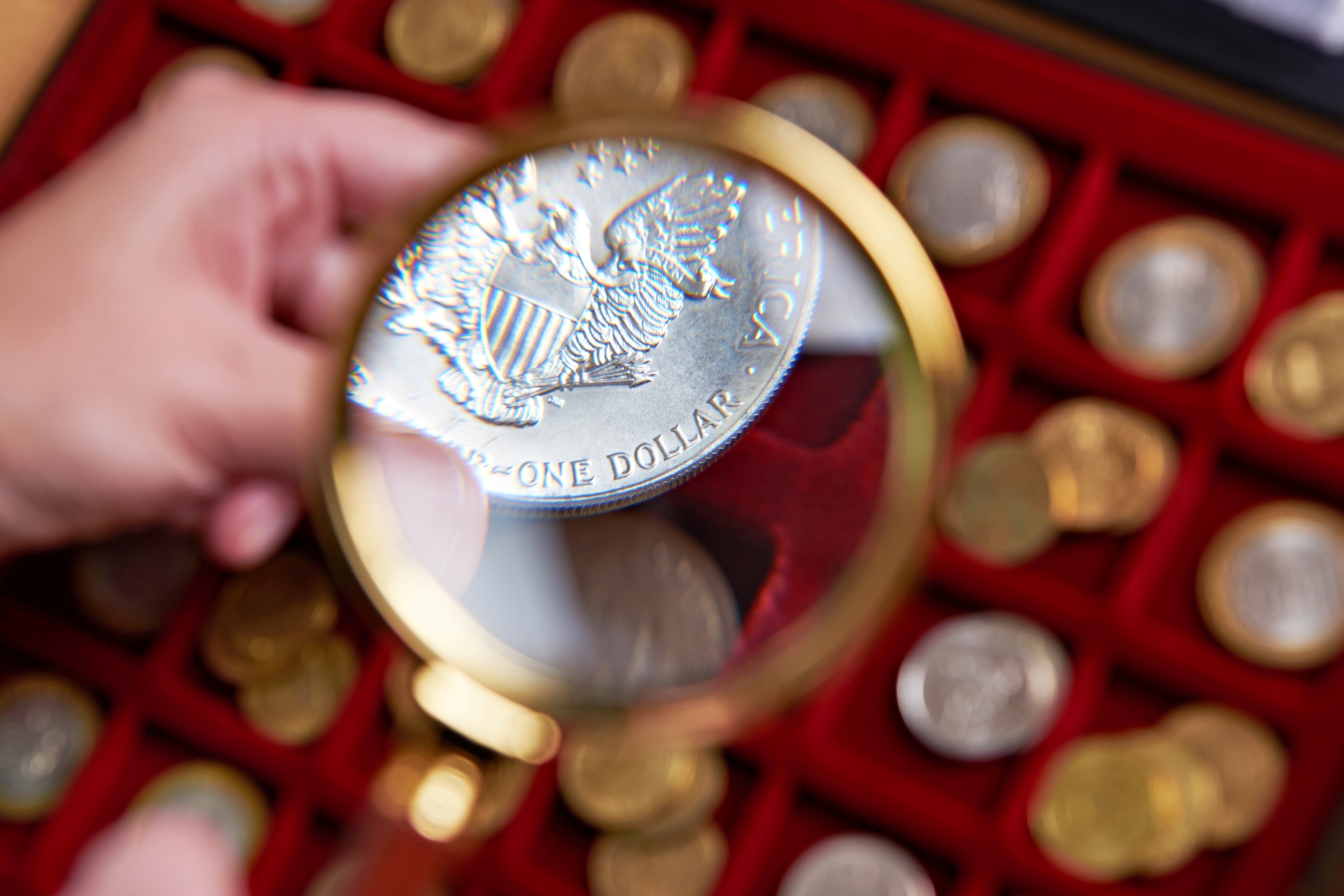
With gold, trust is absolutely everything! Always buy from verified, licensed dealers who guarantee transparent pricing and authenticity.
Look for clear certification, a verified supply chain (to ensure there is no grey-market sourcing), and secured storage or buyback options. These factors protect your investment, today and whenever you're ready to sell.
Every piece of gold we handle at Pacific Precious Metals is fully authenticated, accurately priced, and backed by years of practice. You can rest assured when you buy or sell with us.
Get Your Gold From Pacific Precious Metals
Checking gold is much simpler than most people know. Quick, easy tests, like a visual inspection, magnetic, or density test, can tell you a lot. Although for complete certainty, XRF testing remains standard.
Verifying your gold isn’t just about curiosity; it’s about protecting your investment. Whether you’re buying, holding, or selling, a little due diligence ensures you always know exactly what you own.
Visit Pacific Precious Metals to verify your gold safely or explore our range of authenticated gold bars and coins today, and invest with absolute confidence.