Buying physical gold brings an undeniable rush. You hold the metal. You watch the market climb. It feels fantastic. Then you decide to sell and lock in your profit. Suddenly, you hit a massive wall. Taxes.
Most buyers completely ignore the tax side of precious metals. Making a mistake here takes a painful bite out of your returns. We at Pacific Precious Metals want to fix that immediately.
This blog breaks down the tax implications of selling gold bullion in plain English. No dense accounting jargon. Just clear actionable facts to help you plan.
How the IRS Classifies Gold Bullion
Start with a foundational fact most buyers miss entirely. The Internal Revenue Service does not care if your gold acts as a financial hedge. They explicitly classify physical gold bullion as "collectibles." This specific label is absolutely critical.
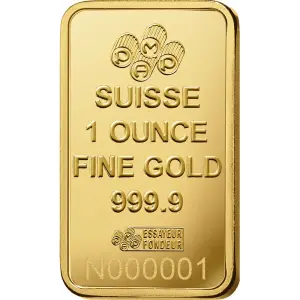
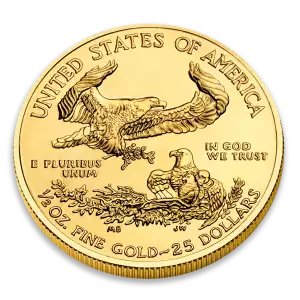
Why? Because it dictates the exact tax rate applied to your profit. This rule blankets all forms of physical metal. Sovereign coins like American Eagles face this rule. Privately minted bars face this rule. Even certain physical metal ETFs carry this exact designation.
This surprises countless buyers. Many incorrectly assume that their metals face the same tax rules as traditional tech stocks. Understanding this gold investment tax rule is your very first step. Everything regarding selling gold bullion taxes flows directly from this unique IRS label.
Capital Gains Tax on Gold: The Collectibles Rate

When you sell your metal for more than you paid for it, you trigger a tax event. Your timeline dictates the penalty. Did you hold your metal for longer than one year? You face specific capital gains tax rules. The maximum federal tax rate for these long-term gains is 28 percent. The IRS calls this the collectibles rate. It sits noticeably higher than the standard rates applied to traditional stocks.
Did you hold the metal for one year or less? That profit gets taxed strictly as ordinary income. This short-term gain goes right onto your regular paycheck. It gets taxed at your marginal rate. That could reach a painful 37 percent. Note that the 28 percent figure is a strict ceiling.
It is absolutely not a flat rate. Investors in lower tax brackets frequently pay much less. The rate simply never exceeds 28 percent for long-term collectible gains. Holding your assets for at least twelve months before selling is almost always the smarter approach for managing gold bullion profit taxes.
How to Calculate Your Tax Liability on a Gold Sale
Calculating your exact tax liability from gold sales figures is surprisingly simple. Start by determining your cost basis. Your cost basis equals the original purchase price plus any associated buying costs. Add up your dealer premiums, shipping fees, and insurance paid at the time of purchase. Next, determine your sale proceeds. This is the total cash received from the sale minus any selling fees.
Your taxable gain is simply your sale proceeds minus your cost basis. If that final number is positive, you owe the gold investment tax. You absolutely must keep meticulously detailed records. Save every single purchase receipt. Keep every invoice. Without clear records, establishing a proper cost basis becomes incredibly difficult.
Missing documents often result in a brutally high tax bill. Interestingly, selling at a loss offers a small silver lining. You can potentially use that loss to offset other capital gains.
State Taxes, Sales Tax, and Reporting Requirements

We must look beyond the federal rules. State taxes add another complex layer. Many individual states impose their own specific capital gains taxes on your profits. These rates vary wildly across state lines.
On the sales tax side, several states completely exempt precious metals purchases above certain thresholds. In California, bulk purchases over $2,000 generally avoid sales tax entirely, according to CDTFA guidelines. This exemption directly improves your overall cost basis.
You also need to understand the 1099-B reporting requirement. Dealers must legally report certain massive sales to the IRS using Form 1099-B. Selling massive one-kilo bars triggers this reporting immediately.
Selling American Gold Eagles frequently avoids this specific dealer paperwork. Regardless of what the dealer reports, you are legally required to report all sales of gold bullion taxes on your personal return.



Tax-Smart Strategies for Gold Bullion Investors
You can use responsible planning tips to legally minimize your exposure. Holding your assets for more than one year remains your absolute best move. Tracking your cost basis from day one acts as your strongest defense against overpaying.
Consider using a self-directed IRA. Purchasing eligible assets within an IRA allows your gains to grow tax-deferred or entirely tax-free. You must utilize proper vault storage services to remain compliant with strict IRS regulations.
You can also harvest your losses strategically. If a portion of your position sits underwater, selling at a loss perfectly offsets gains elsewhere. Finally, try to sell during lower-income years. Since the 28 percent rate is a maximum ceiling, timing your sales during years with less taxable income effectively drops your capital gains tax rate.
Your Next Gold Purchase Starts With Clean Records
Understanding the tax implications of selling gold bullion is essential for a complete wealth strategy. Smart planners make the most profit. Gold gets taxed as a collectible at up to 28 percent long-term. Pristine record-keeping saves you serious money. Holding periods matter immensely.
We provide transparent invoices and clean records. This makes your tax reporting incredibly easy down the road. Explore the authenticated gold bullion inventory at Pacific Precious Metals today.
Disclaimer:
Please remember this is strictly educational content. Always consult a qualified tax professional regarding your personal finances.