The South African Krugerrand and the American Gold Eagle are among the most actively traded gold coins worldwide and are frequently pitted against each other in terms of pricing, performance, and resale value. Both coins contain a troy ounce of gold, although spreads and liquidity paint two pictures.
At Pacific Precious Metals, we have seen both coins prosper. One due to its international reach and the other due to its U.S. heritage and history. Understanding spreads, liquidity, and exit costs while comparing the two helps you lock in the best gold price. These details are what define your real return when it's time to sell.
The Basics: Krugerrand vs. American Gold Eagle
Before we head into premiums and sales, there are a few fundamental factors that we need to understand. While the coins do contain one troy ounce of gold, their history, content, and design set them miles apart.
The Kruggerand
Minted for the first time in 1967, the Krugerrand holds the pride of being the world's first modern bullion coin. It paved the way for private ownership of gold. It's alloyed with copper to form a 22-karat composition, giving it some added durability. Available in a range of sizes from 1 oz, all the way to a 1/10 oz, the Krugerrand has become a cornerstone for trust and value globally.
The American Gold Eagle
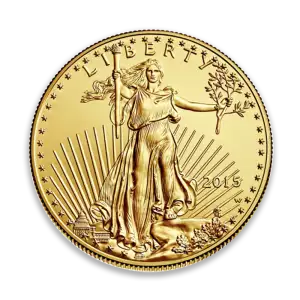
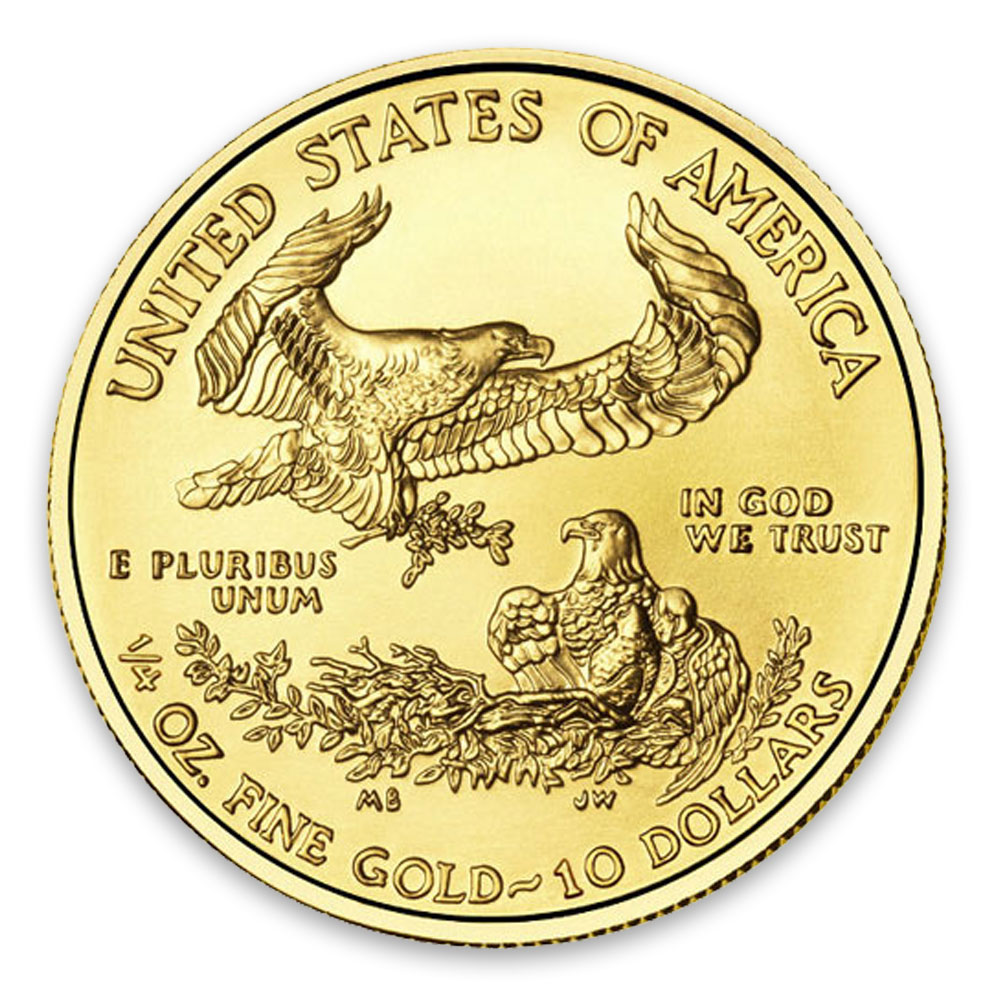
American Gold Eagle made its soaring debut in 1986. It has a distinctive hue because of the 22 karat composition with silver and copper. It is minted by the U.S. Mint; hence, its weight and purity are government-backed, assuring investors of an official U.S. Treasury.
Each coin holds its own legacy. The global recognition and history they carry still shape how investors value them today.
Gold Content and Design Details
The composition of both coins is 22 karats with precisely 1 troy ounce of gold. The Gold Eagle has a bright yellow color, as silver balances out the copper. On the other hand, Krugerrand just has copper, hence it has a deeper orange-gold color to it.
Design Details
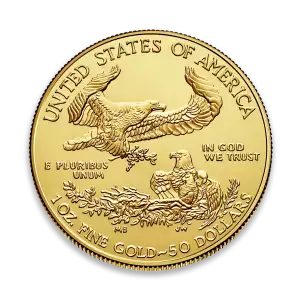
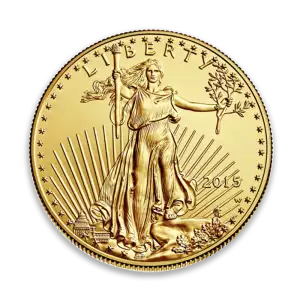
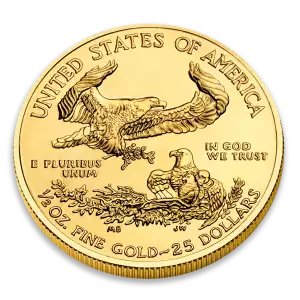
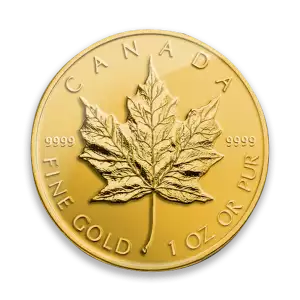
The South African heritage is highlighted beautifully by the Krugerrand. It holds Paul Kruger's portrait on the obverse side and a sleek springbok antelope on the reverse. The American Gold Eagle flaunts Lady Liberty representing freedom on the obverse side, and a family of Eagles that represent the strength of Americans on the reverse.
Understanding Premiums and Spreads
A spread is just the difference between the buy and sell price of a coin, and it directly impacts your investment return.
Typical Premiums:
- Krugerrand: Generally has a lower premium, close to spot, due to the high international volume.
- American Gold Eagle: Slightly higher premium as it's backed by the U.S. Mint and the domestic volume.
Example (Spot price: $2,000/oz):
- The Krugerrand → ~$2,050–2,080
- The American Gold Eagle → ~$2,080–2,120
Knowing spreads and premiums helps investors see which coins offer the best value when buying or selling.
Global Recognition and Liquidity
Liquidity and recognition are important aspects for any gold investments. The Krugerrand is recognized in over 60 different countries and trades very successfully worldwide, making it ideal for international diversification. Its global reach assures investors of buying and selling with ease across markets.
The American Gold Eagle is by far the most well-known gold coin in the United States. It is government-backed and eligible for IRAs, making it a safe option for domestic investors who plan on reselling in the United States itself.
In conclusion, the Krugerrand provides for a wider international liquidity, while the American Gold Eagle performs better in the US.
Exit Costs: What Happens When You Sell
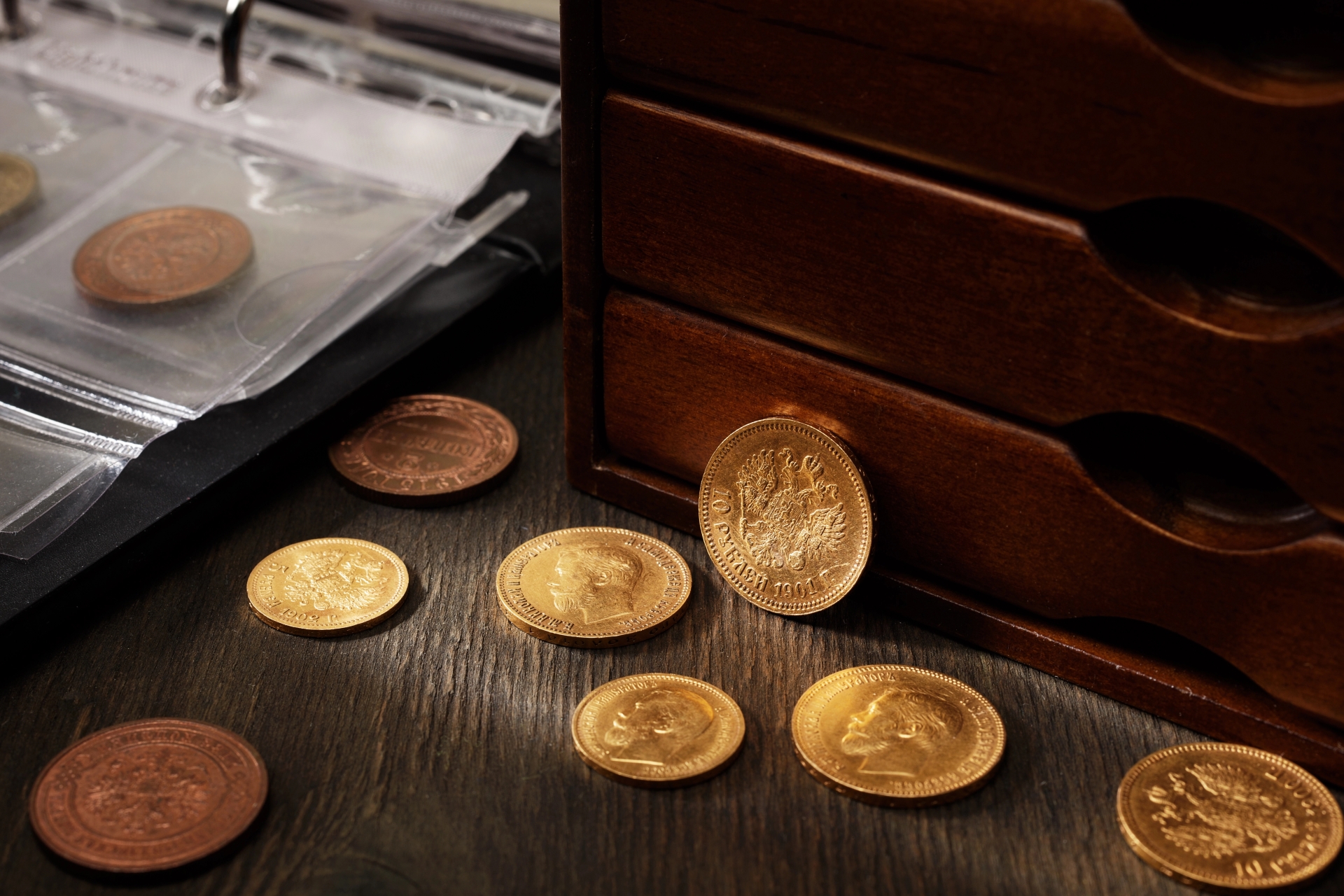
When selling gold coins, the Krugerrand or the American Gold Eagle will typically transact near the spot price when working with a reputable dealer. However, there are a few variables that can impact your exit costs:
- Current market demand for gold at the time of sale.
- Dealer spread, or the margin between their buyback price and the spot price.
- Condition and authenticity of the coin.
When it comes to resale dynamics, the Krugerrand generally trades slightly faster globally, while the American Gold Eagle has a faster resale within the U.S. due to its recognition and backing.
Pacific Precious Metals offers competitive buyback prices on both coins: transparent, spot-linked, and immediate. We help investors maximize their returns when they are selling.
Which Coin Offers the Best Value for U.S. Buyers?
For investors in the U.S., the choice of coin largely depends on the investors' priorities and strategy.
Consider the Krugerrand if:
- You want lower upfront premiums and closer-to-spot pricing.
- You may sell internationally and seek global liquidity.
Consider the American Gold Eagle if:
- You value the U.S. government guarantee and IRA eligibility.
- You prioritize domestic resale convenience.
Both coins provide stability and wealth protection over the long term, but knowing and understanding spreads, liquidity to sell in the future, and resale dynamics allow you to secure the best gold price, whether you're buying or selling it.
Pacific Precious Metals: Transparent Pricing on Both Coins
At Pacific Precious Metals, we value transparency and trust in every transaction. We track live spot prices and keep fair spreads to make sure investors receive the most accurate market price. Every coin we purchase goes through credible authentication, and our secure checkout process makes both buying and selling seamless.
We provide buy and sell options for both Krugerrands and American Gold Eagles, ensuring investors' flexibility and confidence in every transaction.
Compare today’s Krugerrand and American Gold Eagle prices to secure the best price on gold with Pacific Precious Metals.