Many retirement portfolios today exist primarily as digital entries on a statement, influenced by market cycles and economic sentiment. For investors seeking greater stability and diversification, adding a tangible asset can provide an additional layer of confidence. Gold has long been valued not only for its historical significance but also for its practical role in wealth preservation and portfolio balance.
For beginners, investing in gold starts with defining your financial objective. From there, you can decide between physical gold and gold-backed ETFs, determine an appropriate allocation within your overall portfolio, purchase through a reputable dealer or brokerage, and ensure proper storage or custodial arrangements.
In this blog, we explain how beginners can invest in gold step by step, compare physical gold and ETFs, discuss portfolio allocation strategies, and outline common mistakes to avoid.
Is Gold a Good Investment for Long-Term Wealth?
Let's address the big question: Is gold a good investment for long-term wealth?
Most people think of gold as a way to get rich quickly. It isn't. Gold is a "stay rich" asset. It is the financial insurance policy that ensures the money you save today still buys the same amount of groceries and gas twenty years from now.
Gold as a Store of Value
Historically, gold stands its ground when the dollar loses its punch. Because it is a finite resource, we cannot simply print more of it when the economy gets rocky. That scarcity is exactly what gives it the intrinsic value that a paper bill lacks.
Gold During Market Volatility
During a recession, gold often acts as a "non-correlated" asset. That is just a fancy way of saying when stocks slide, gold frequently moves in the opposite direction or stays steady. It provides the diversification we need to sleep at night when the headlines look grim.
Understanding gold’s historical role helps you decide whether it fits into your long-term financial strategy.

Step-by-Step Guide for Beginners Investing in Gold
While we have learnt about investing in gold and why you should start it, let’s also discuss the how part of it. Here’s a step-by-step guide that will help you figure out everything you need.
Step 1: Figure Out Your "Why"
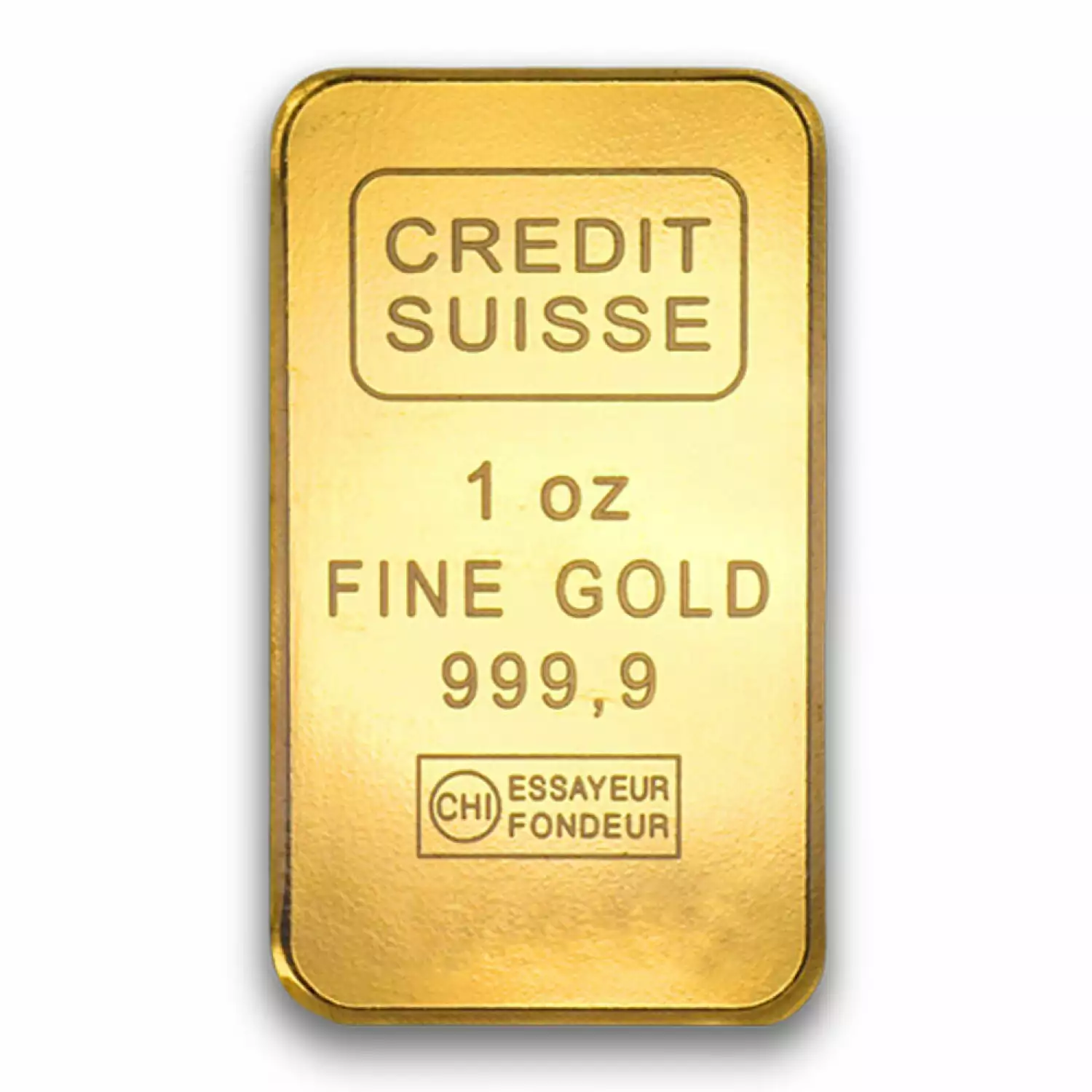
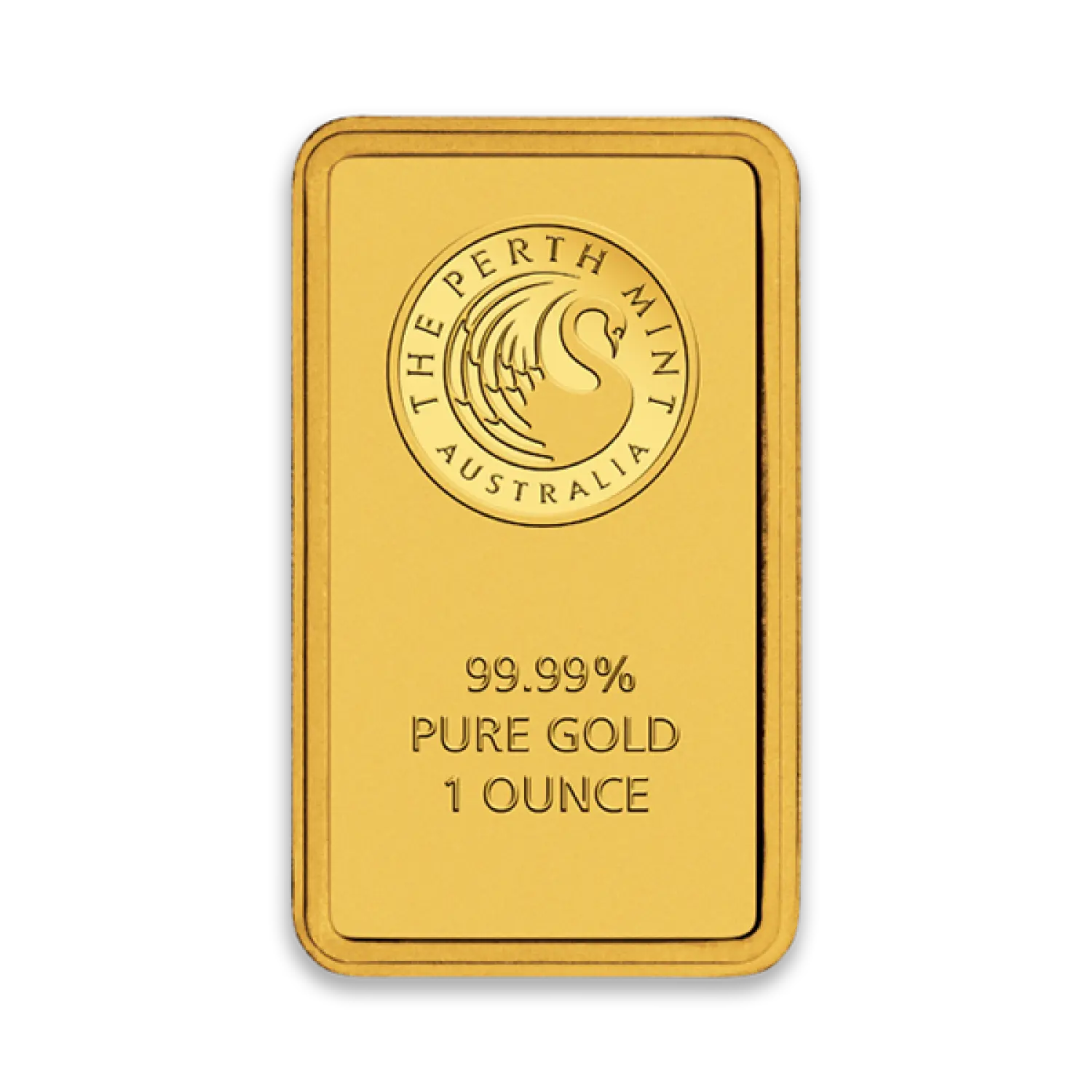
Are you buying gold because you're worried about the dollar? Or do you just want a high-liquidity asset for emergencies? Identifying your goal helps you decide between high-purity bars for maximum weight or sovereign coins that are easier to trade in small amounts.
Step 2: Choose Your Investment Type
This is the biggest fork in the road: do you want to hold the metal yourself, or do you want a ticker symbol on your phone?
Following a structured plan reduces emotional decisions and builds confidence as a new investor.
Physical Gold vs Gold ETFs: Which Is Better?
Deciding between physical gold vs gold ETFs comes down to one thing: control. Let’s take a closer look at below:
Physical Gold
This is the classic route. You buy it, you hold it, and you own it outright. There is zero "counterparty risk." You aren't relying on a bank's promise or a CEO's performance. It exists outside the digital grid. The trade-off? You have to handle the storage and insurance yourself.
Gold ETFs
Exchange-Traded Funds (ETFs) trade like stocks. They are convenient and liquid, but you are holding "paper gold." You own a share in a trust that owns gold, rather than the bars themselves. If the financial system faces a true meltdown, a piece of paper might not offer the same protection as a bar of gold in your hand.
The right choice depends on whether you value liquidity and convenience or direct physical ownership.
What Is the Best Way to Buy Gold for Investment?
Finding what is the best way to buy gold for investment starts with transparency. You want a dealer that doesn't hide behind confusing fees.
Buying Gold Online vs. In-Store
Online shopping is convenient, but in-store visits give you immediate possession and a face-to-face consultation. At Pacific Precious Metals, we offer the best of both worlds.
You can monitor our live spot prices online and then swing by one of our locations to walk out with your gold the same day. No waiting for the mail, no wondering where your package is.
Types of Gold to Buy
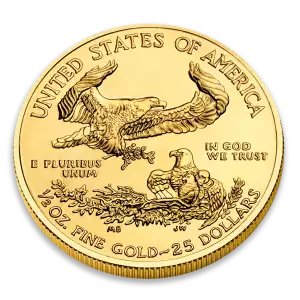
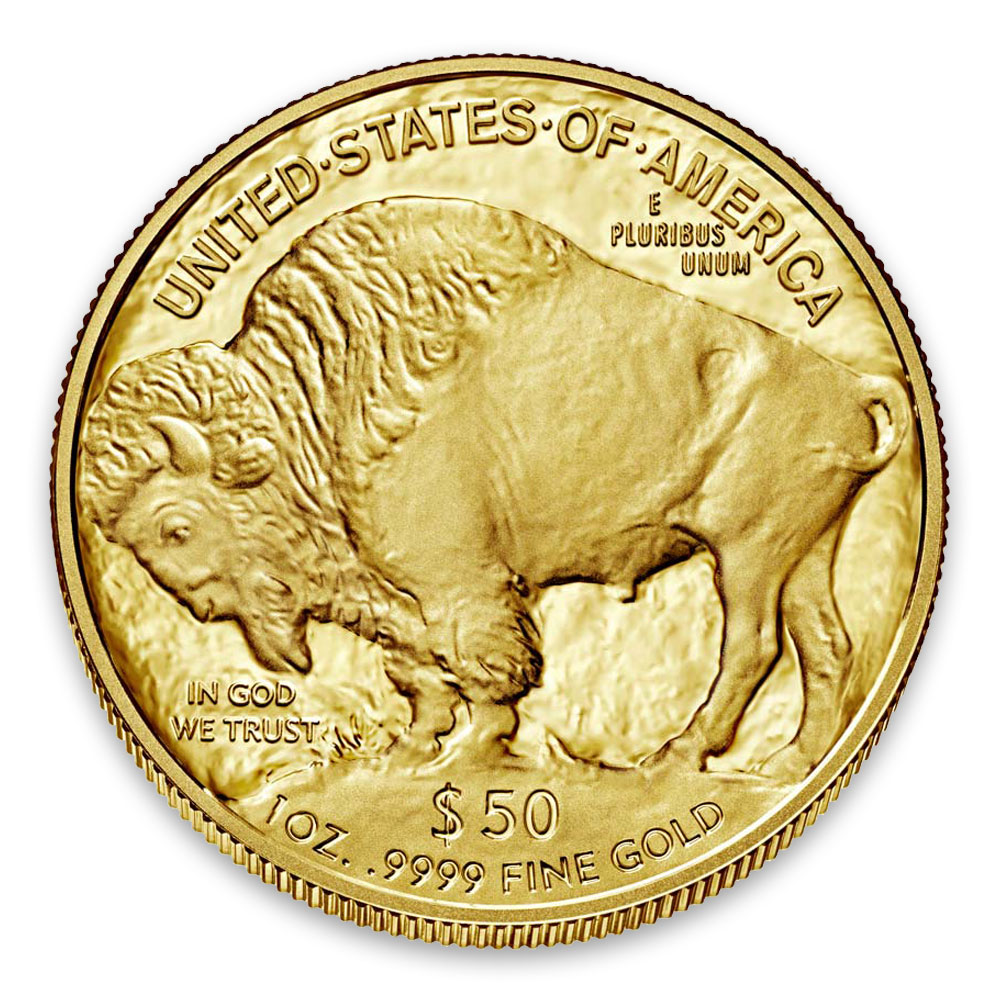
- Gold Coins: American Eagles or Gold Buffalo are recognized everywhere. They are easy to sell back because everyone knows exactly what they are.
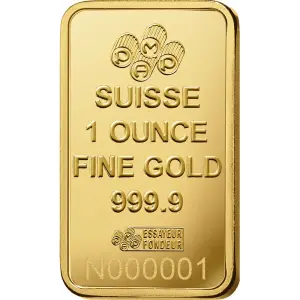
- Gold Bars: These usually have lower premiums. If you want the most gold for your dollar, bars are your best bet.
Browse our gold coins category to see what fits your budget right now.
How Much Gold Should I Have in My Portfolio?
At a point, you do need to consider the amount of gold that you’d like to keep in your portfolio. Here are some recommendations.
General Allocation Guidelines
So, how much gold should I have in my portfolio? Most conservative strategies suggest a 5-10% allocation. This is enough to provide a safety net without dragging down the growth of your other investments. If you are feeling extra cautious about the market, pushing toward 15% can help preserve your lifestyle during the lean years.
Factors that Influence Allocation
Your age and the economic climate usually dictate how much gold we should hold. While younger investors might prioritize growth, those nearing retirement often lean into gold for preservation.
We weigh rising inflation and your asset mix to find a balance that fits your risk tolerance. Ultimately, your allocation acts as a stabilizer that protects your purchasing power when the market gets shaky.
Your allocation should align with your time horizon, risk tolerance, and broader investment mix.

Where Beginners Often Trip Up
Now, as beginners, you are bound to mess up a little. However, here are a few tricks to avoid exactly that.
- Paying Crazy Premiums: Don't get distracted by "limited edition" coins. If you're investing, you want the metal, not a fancy box.
- Ignoring Storage: A shoebox under the bed isn't a plan; it's a liability. Consider professional depositories for large amounts.
- Skipping the Buyback: Always ask your dealer if they will buy your gold back. A dealer like Pacific Precious Metals that has a clear buyback program is vital for your exit strategy.
Avoiding these common mistakes can protect both your capital and your long-term returns.
Pros and Cons of Investing in Gold
Pros:
- Diversification: Balances stock market volatility.
- Inflation Hedge: Protects long-term purchasing power.
- Tangible Asset: Provides security through physical ownership.
Cons:
- No Yield: Doesn't pay dividends or interest.
- Price Volatility: Values fluctuate daily.
- Storage Cost: Requires fees for professional vaulting.
Weighing both benefits and limitations helps you treat gold as a strategic asset, not a speculative bet.
FAQs
Is gold a safe investment for beginners?
It is a safe-haven asset, meaning it holds value well during crises. Just remember, it is a long-term play, not a way to double your money by next week.
What is the best way to buy gold for investment?
Find a dealer with transparent pricing and physical inventory. If they won't let you see the metal, find another dealer.
Can I lose money in gold?
Sure, if you panic-sell during a short-term dip. Gold rewarded the patient for thousands of years. Stay the course.
Is Gold Right for You?
Gold is not about chasing trends. It is about building resilience into your financial future. If you value stability, long-term purchasing power, and direct ownership of a tangible asset, gold may deserve a place in your portfolio.
At Pacific Precious Metals, we make the process straightforward and transparent. Whether you are purchasing your first coin or building a long-term position, our team is here to guide you through pricing, product selection, and buyback options with clarity and confidence.
When you are ready to take the next step, explore our selection of gold coins and bars online or visit one of our locations to purchase directly.
Disclaimer:
This article is provided for informational and educational purposes only and should not be considered financial, investment, legal, or tax advice. Investing in precious metals involves risk, including price volatility and potential loss of principal. Past performance is not indicative of future results. Before making any investment decisions, you should consult with a qualified financial advisor or tax professional to determine what is appropriate for your individual financial situation and objectives.