We have watched gold shatter records recently, sparking massive renewed interest among everyday buyers. If you want to utilize gold bullion for long-term growth successfully, you need a disciplined approach rather than chasing daily price hype. How do you actually buy physical assets with a wealth-building mindset? We are here to cut straight through the market noise.
This guide provides clear, actionable steps to help you buy with absolute confidence. We will walk you through the essential tactics, helping you secure your financial future without the typical confusion. Building a lasting portfolio requires strategy, and we will outline exactly how to start.
Why Gold Bullion Remains a Long-Term Wealth Preservation Tool
Look at the historical performance of fiat currencies over the past several decades. They consistently lose purchasing power year after year. Gold does the exact opposite. It serves as a historic inflation hedge and a proven crisis asset.
When you’re working with precious metals, physical bullion has higher advantages over paper ETFs or highly volatile mining stocks. You hold the actual asset securely in your hand. You face absolutely zero counterparty risk. Furthermore, it remains universally liquid worldwide.
Our current macroeconomic backdrop makes this even more critical. Factors like inflation concerns, aggressive central bank buying, and elevated geopolitical tensions drive heavy institutional demand. Physical metal remains one of the most effective strategies for preserving your wealth in the long term. You anchor your portfolio with a tangible asset that survives every unpredictable economic cycle.

Choosing the Right Form of Gold Bullion
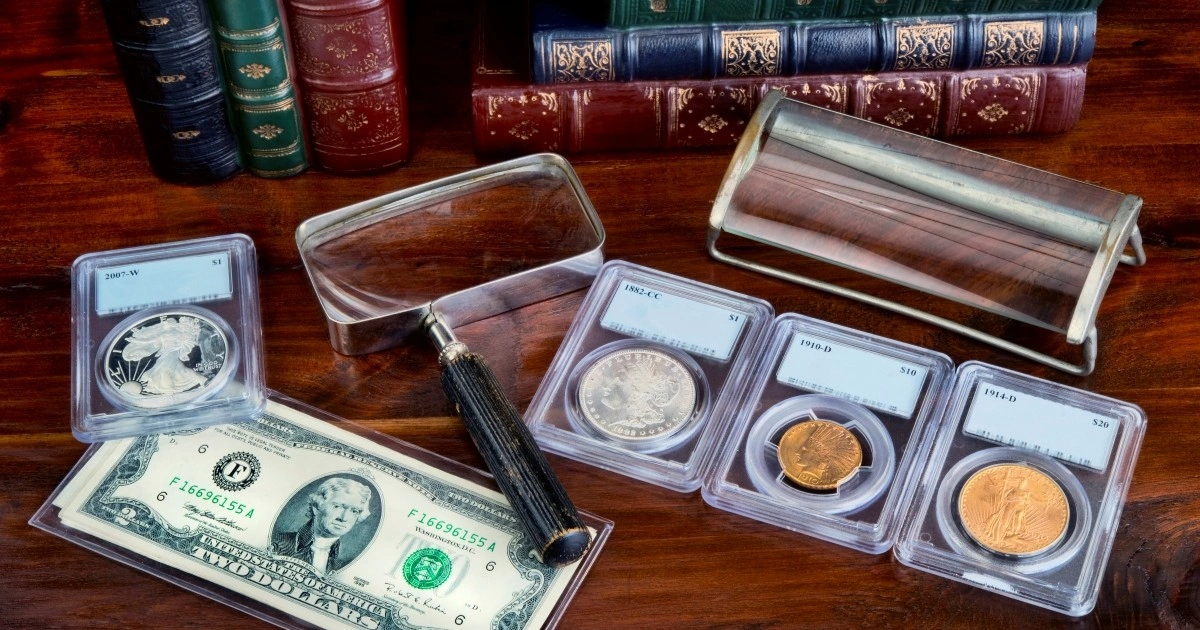
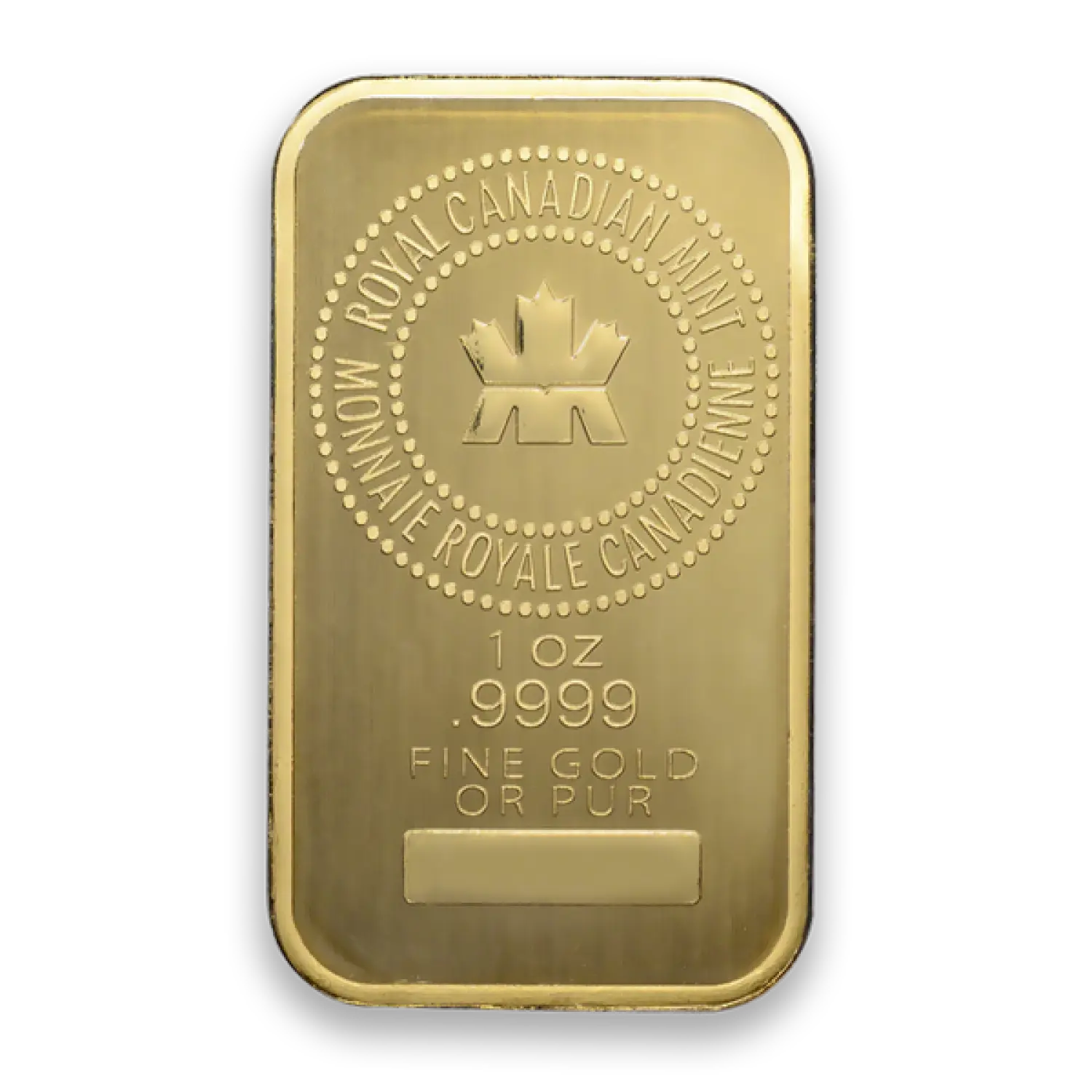
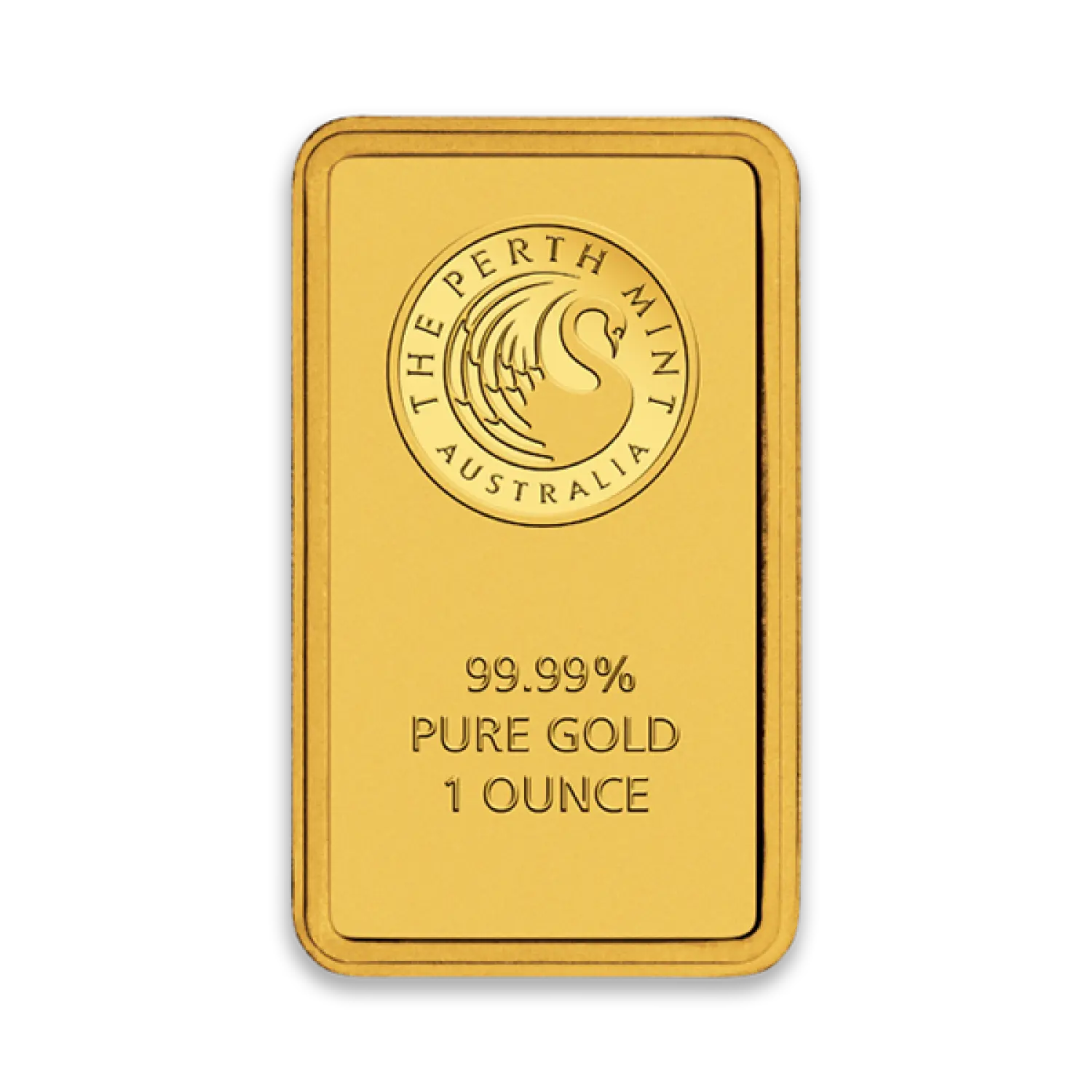
Your next step is selecting the exact format you want to buy. Any solid gold buying guide breaks this down into three main categories. You have coins, bars, and rounds.
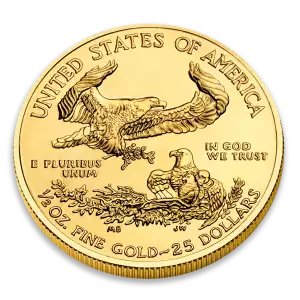
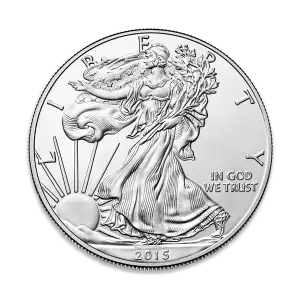
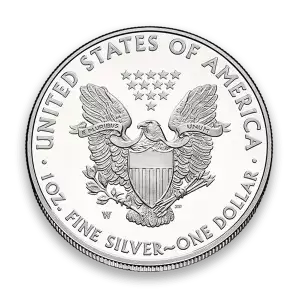
Sovereign coins like American Eagles, Canadian Maples, and South African Krugerrands carry higher initial premiums. However, they offer strict government-backed recognition and instant, frictionless resale worldwide.
Bars offer the lowest premium per ounce. They are absolutely ideal for investors strictly prioritizing heavyweight accumulation over visual design. Privately minted rounds sit right in the middle, offering lower costs but slightly less universal recognition.
We strongly recommend a blended approach for your personal vault. Build a heavy foundation with bars to maximize your total physical weight. Keep a smaller portion securely in sovereign coins to ensure you have instant, recognizable liquidity when you need it.
Understanding Premiums and Timing Your Purchase

Understanding the difference between the live spot price and the retail counter price is crucial. Premiums cover the real costs of minting production, secure distribution, and current retail supply and demand.
Tracking bullion market trends reveals that these premiums fluctuate heavily with public fear. They spike aggressively during sudden geopolitical crises and compress nicely during calm market periods.
For a long-term investor, the premium matters much less than your actual entry strategy. You should utilize steady dollar-cost averaging as your primary gold investment strategy. Buying consistently over time prevents you from trying to blindly guess the absolute market bottom.
This disciplined approach perfectly smooths out daily price volatility. When you stack strictly for future growth, focus your capital on low-premium products to stretch your dollar significantly further.
Storage, Security, and Liquidity Planning
Many introductory guides skip the most practical step entirely. Once you own the physical metal, where does it actually go? You essentially have three main storage options. You can use a heavy-duty home safe, rent a secure bank safe deposit box, or utilize fully insured third-party vault storage. If you are thinking about retirement planning, certain high-security storage facilities are fully IRS-approved for holding precious metals IRAs.
Always keep your original purchase documentation and physical receipts to streamline your future resale process. Remember that universal liquidity is one of your greatest historical advantages.
Recognized dealers like Pacific Precious Metals will readily buy back your metals at highly competitive market spreads, especially for sovereign coins. Finally, always minimize physical handling to perfectly preserve the pristine condition of your assets.
Common Mistakes to Avoid When Investing in Gold Bullion

We see eager buyers make the same avoidable errors frequently.
First, they overpay on retail premiums. Always compare prices across reputable platforms before finalizing your large purchase.
Second, they buy from unverified, questionable online sources. Stick exclusively with transparent dealers who heavily verify their physical inventory.
Third, they dump all their capital into the market on a single Tuesday instead of sticking to steady dollar-cost averaging.
Fourth, they completely ignore the logistics of secure storage and active insurance until the heavy package arrives at their front door.
Finally, the biggest fundamental error is treating this asset as a get-rich-quick gamble. Physical metals serve as a long-term financial anchor. Deep patience is your ultimate wealth-building advantage.
Your Long-Term Fortress Starts with the Right Dealer
Trying to secure your wealth with physical metals? Well, it certainly requires some strict discipline, smart buying habits, and a whole lot of patience. You are completely avoiding wild daily speculation to build a highly reliable financial fortress. Focus entirely on accumulating weight efficiently, store your assets securely, and ignore the daily market noise.
Pacific Precious Metals provides the transparent pricing and heavily verified inventory you need to execute this exact plan. You can easily track live spot prices and confidently explore our verified bullion options today.
Disclaimer: This content is for informational and educational purposes only and should not be considered financial, investment, or retirement advice. Always conduct your own due diligence and consult a qualified financial or tax professional before making any investment or retirement planning decisions.