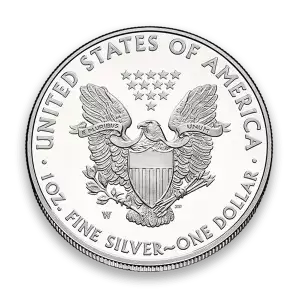
The question “Gold vs. Bitcoin, which is better?” comes up more often than almost anything else we hear from newer investors. Both assets tend to dominate the conversation whenever the markets feel shaky. Gold, because it has centuries of trust behind it, and Bitcoin, because of the dramatic way crypto prices can rise or fall in short bursts.
One feels steady and rooted in the physical world. The other moves fast, digital, and unpredictable. To truly understand the difference, we must examine how each asset performs in terms of history, supply, risk, and long-term purpose.
Let’s take a closer look at both gold and bitcoin in this blog.
Historical Role of Gold and the Rise of Bitcoin

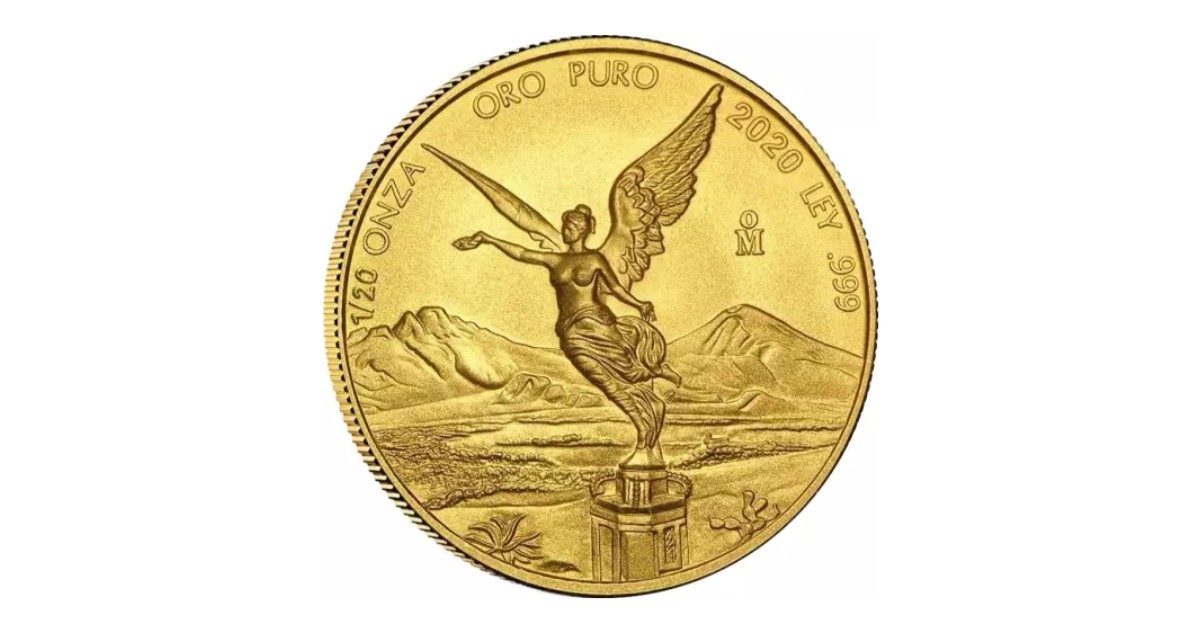
Gold has been a reliable way to hold value for thousands of years, long before modern markets or today’s financial systems even existed. Central banks still hold it for a reason; stability never goes out of style.
Bitcoin is much newer. Launched in 2009 as decentralized digital money, its fixed supply and open blockchain earned it the “digital gold” nickname, even though it moves very differently.
They come from opposite worlds, but both exist for the same purpose: protecting wealth when everything else feels uncertain. That’s where the gold vs crypto debate usually starts.
Supply, Scarcity, and Store of Value
Gold’s rarity is natural. So far we have dug out about 210,000 metric tons, and the new gold supply is increasing only slightly each year.
Bitcoin’s shortage is a technical feature. There will be a maximum of 21 million bitcoins, and its halving events typically impact the crypto market. Bitcoin’s fixed supply of 21 million coins and its halving events influence the crypto market, increasing demand for white label crypto solutions.
One is constrained by earth, the other by code, yet both are hard to weaken.
What Drives Prices: Gold vs. Crypto
Where gold is a traditional safe-haven asset that responds to inflation, fiat currency debasement, and central bank decisions, Bitcoin is a speculative asset whose prices mainly depend on market sentiment, regulatory news, technological developments, and innovations such as crypto trading bots.
Gold still remains tied to the economic cycle, whereas Bitcoin is more linked to the technological one. This is why many investors view gold as a stable asset while cryptocurrencies are considered high-risk, high-reward investments. In this evolving digital landscape, a Gold Tokenization Development Company helps bridge traditional gold assets with blockchain technology, enabling secure digital ownership, transparency, and easier trading of gold-backed tokens.
Volatility and Risk Profile
Gold shifts quite slowly and smoothly even during major market shocks. Its price went up from roughly $1,050 to $2,000 between 2010 and 2020, a pretty significant increase without any turmoil.
The story of Bitcoin was totally different as it soared from less than a dollar to over tens of thousands. Those fluctuations are energizing to some investors while they put others in a state of total confusion.
The way we see it:
- Gold is a steady preservation.
- Bitcoin is a volatile opportunity.
Neither is “better”; they simply fit different risk levels.
Accessibility and Ownership
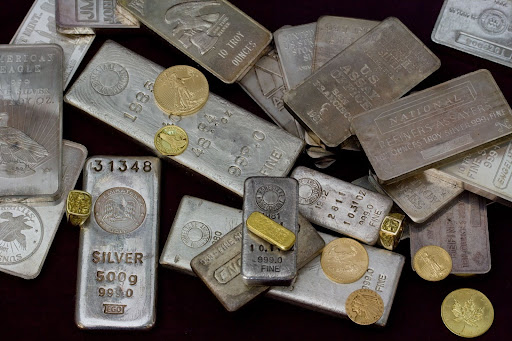
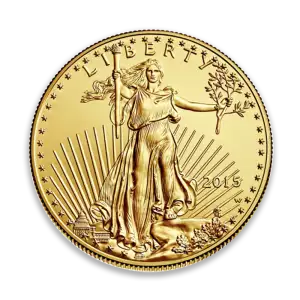
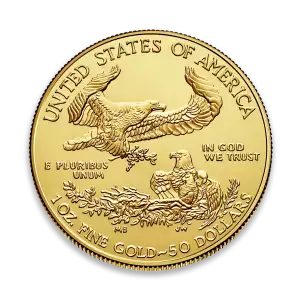
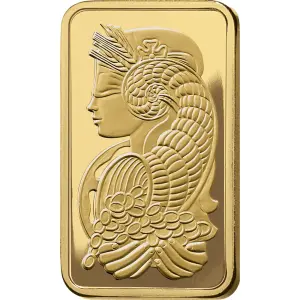
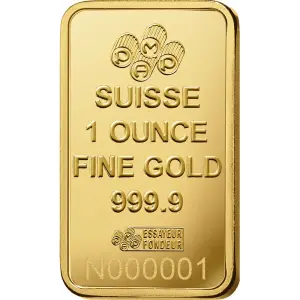
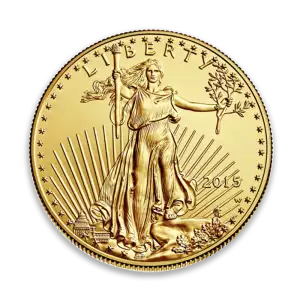
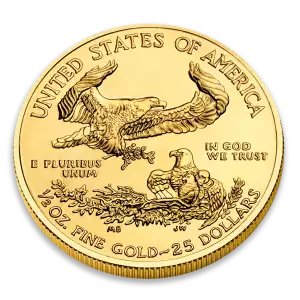
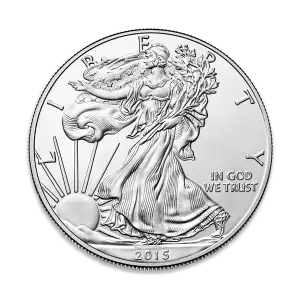
Owning gold is simple. You can hold the coins or bars yourself, store them securely, or use professional vaulting.
Bitcoin is different. It exists only online, and managing it means keeping track of wallets, private keys, and basic cybersecurity.
Gold needs physical protection. Bitcoin needs digital protection. That’s the core difference.
Regulation, Transparency, and Tax Considerations
Gold is well-regulated and firmly recognized as a financial asset. In the U.S., certain sales or larger transactions require IRS reporting, a normal part of owning precious metals.
Bitcoin is still fitting into evolving regulations, and the IRS treats it as property, so every gain or loss needs to be tracked carefully.
Either way, keeping clear records is essential, and it’s something we always encourage for long-term planning.
Diversifying with Both Assets: A Gold + Crypto Strategy
A lot of investors tell us they don’t want to pick sides; they want gold and crypto. And it makes sense in the current volatile marketplace. Gold brings stability and history, while Bitcoin offers innovation and the chance for faster growth.
A mix we often see is simple:
Gold for stability, crypto for a small dose of upside.
There’s no exact rule here. It really comes down to your own risk comfort and how long you plan to hold your investments.

Long-Term Outlook: Gold’s Enduring Role, Bitcoin’s Growing Potential
Gold’s role doesn’t really need defending; it’s held value for thousands of years and remains essential for central banks, long-term preservation, and diversification.
Bitcoin, meanwhile, continues to gain attention because of institutional adoption and mainstream technology integration. Its long-term potential depends on regulation, innovation, and broader global acceptance.
We see gold as the anchor, with crypto as the experimental edge. Both matter, just in different ways.
Pacific Precious Metals: Your Trusted Source for Physical Gold Investment
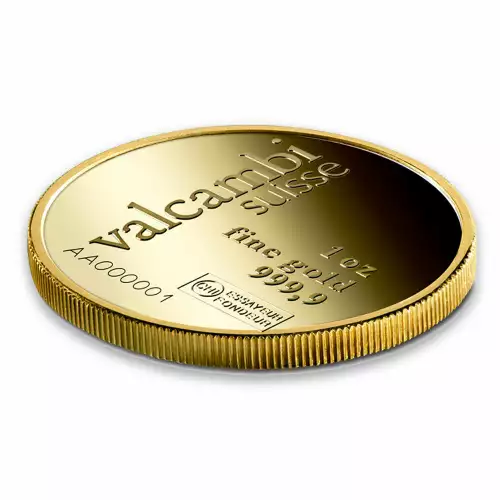
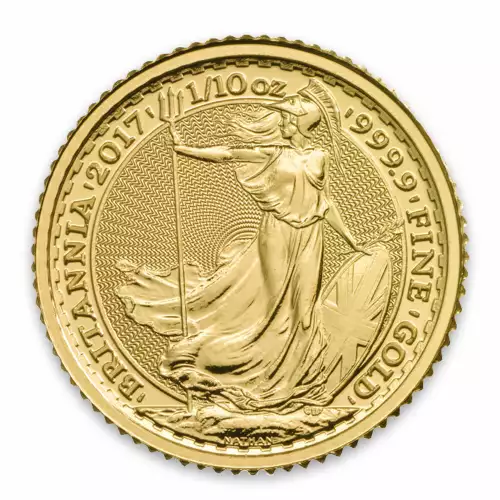
While Bitcoin grows in the digital space, physical gold still anchors portfolios with something tangible and time-tested. At Pacific Precious Metals, we offer authenticated gold bars and coins, real-time market pricing, and secure storage options for long-term investors.
FAQs
1. Is Bitcoin really digital gold?
It’s often called that because of its limited supply and decentralized design, but it behaves very differently from physical gold.
2. Which is safer: gold or crypto?
Gold is steadier and far less volatile. Crypto can grow faster, but carries significantly more short-term risk.
3. Can I invest in both gold and Bitcoin?
Yes. Many investors combine them for balance — gold for preservation, crypto for growth potential.
4. What affects crypto prices the most?
Sentiment, liquidity, regulation, and major technological events like halving cycles.
Balancing Timeless Value and Future Potential
At the end of the day, gold and Bitcoin don’t cancel each other out; they reflect two different eras of wealth protection. Gold offers permanence. Crypto offers possibilities. And in today’s market, many investors want a bit of both.
For tangible, authenticated gold that strengthens the foundation of your portfolio, explore Pacific Precious Metals and build long-term confidence with assets that have stood the test of time.
Disclaimer
The information provided in this article is for educational purposes only and reflects general market perspectives. It should not be considered financial, legal, or investment advice. Precious metals and cryptocurrencies carry risks, and investors should evaluate their personal financial situations, conduct independent research, or consult with a qualified professional before making any investment decisions. Pacific Precious Metals is not responsible for any actions taken based on the content in this article.