Gold’s value changes daily, and even a single gram can hold significant worth. It may seem small, but its value shifts with every market hiccup. That is why the quick understanding of gram-based pricing is important.
Understanding the 1-gram price of gold helps investors systematically track the market. Jewelry owners are able to estimate and assess the value of their pieces confidently. First-time buyers also get a clearer, lower-pressure entry into the world of precious metals.
Smaller weights make stacking gold more accessible for new and experienced investors alike. You can enjoy building your collection slowly and within your budget. To accurately know and understand the true value, you need to understand how gold is measured and priced. Continue reading to learn more.
Step 1: Understand How Gold Is Measured and Priced
To maintain consistent pricing worldwide, gold is measured in troy ounces. Each ounce weighs about 31.1035 grams. This keeps pricing across the world consistent. Every gold calculation starts with this unit of measure.
A Troy ounce doesn’t match the conventional ounce many people are familiar with. A typical ounce is lighter as it weighs only about 28.35 grams. That small difference can equal big value changes if you are not careful.
The spot price is the current global market price for pure gold, based on a price per troy ounce. The spot price is updated throughout the day as global markets shift. We then take that spot price and convert it to a price per gram.
Step 2: Convert the Spot Price to a Per-Gram Value
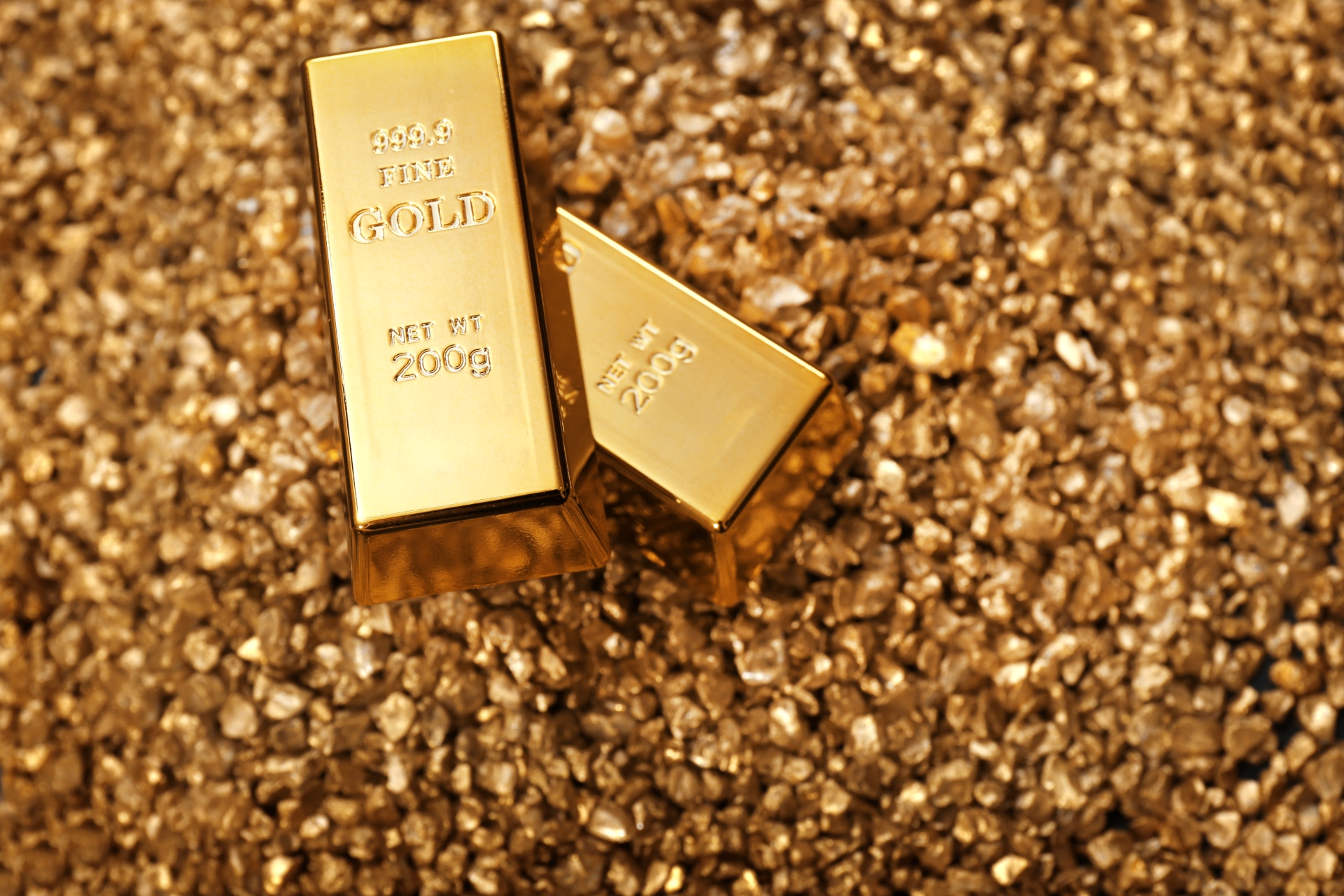
Calculating the worth of a gram of gold is easier than you think. We can start with a simple formula:
One troy ounce's current spot price ÷ 31.1035 = Price of 1 gram of gold
This formula basically gives us the base value of 24K gold before any additional costs are added.
Let’s take a quick example using a hypothetical spot price.
At a $2,500 spot price, dividing by 31.1035 gives roughly $80.36 per gram.
This number reflects the raw value of pure gold only. It does not include premiums, dealer margins, or fees. Always check live spot prices, since they shift every few minutes with global trading.
Step 3: Adjust for Purity and Karat Value
Gold jewelry often weighs more but feels worth less because it isn’t pure. Karat value determines how much of your piece is made of pure gold, with 24K being 99.9% pure. 18K gold is only 75% pure. The remaining part of the piece is made up of an alloy.
To find the true value, we use a simple purity formula:
Gram value = (Spot price per gram) × (Purity %).
This shows how much fine gold is actually present in each gram of your item.
As discussed earlier, 18K would be 75% pure, so the value would be:
0.75 x $80.36 = $60.27 per gram.
Most bullion bars and coins today are usually .999 or .9999 fine. Hence, they use the full spot-gram value. Jewelry usually won’t, which is why its payout value is lower than its weight suggests.
Step 4: Include Premiums and Market Factors
The price we pay for gold rarely matches the spot value because premiums are added. These small markups cover refining, minting, distribution, and dealer operating costs. They make up the difference between the raw market value and the retail price.
The 1-gram gold price is also influenced daily by many market conditions. Global demand, inflation, interest rates, and fluctuations in currency are all factors that are considered. Even the strength of the U.S. dollar can trigger fluctuations in the price of gold.
The form of gold matters as well, since bars, coins, rounds, and scrap gold all have different prices. Generally, the smaller the item, the higher the premium is, as it costs more per gram to produce a smaller item, which is why a small bar or coin feels more expensive than the weight dictates.
Step 5: Verify Using Reliable Market Sources
To get the real price of one gram of gold, we check live market charts. Sites like Kitco, the LBMA, COMEX, or trusted dealer pages update constantly, so we get accurate numbers in real time.
Most charts list a bid and an ask price. The bid generally displays the offers a buyer makes, and the ask shows the seller's wants. That small gap helps us read how active the market is.
We stick with dealers who post clear spot prices and gram conversions. It keeps things transparent and avoids flat markups. With live pricing, it’s much easier to trust what we’re paying.
How to Use This Knowledge: Smart Buying & Selling Decisions
Understanding gold on a per-gram level gives us a clear advantage. It helps small investors make confident choices and keeps every purchase grounded in real numbers rather than guesswork.
This helps investors compare melt value before selling and to check premiums across different sizes. Whether we’re looking at 1-gram pieces, 10-gram bars, or full ounces, the math keeps things honest.
Gram-based pricing also helps us track our portfolio and judge market moves. When we run the numbers ourselves, it’s easier to see whether a deal is fair.
Pacific Precious Metals: Transparent Gold Pricing You Can Trust
At Pacific Precious Metals in California, we make gold pricing easy to understand. We share live spot prices and gram conversions so you always know what you’re paying. Every piece we sell is authenticated, whether you shop with us online or in-store.
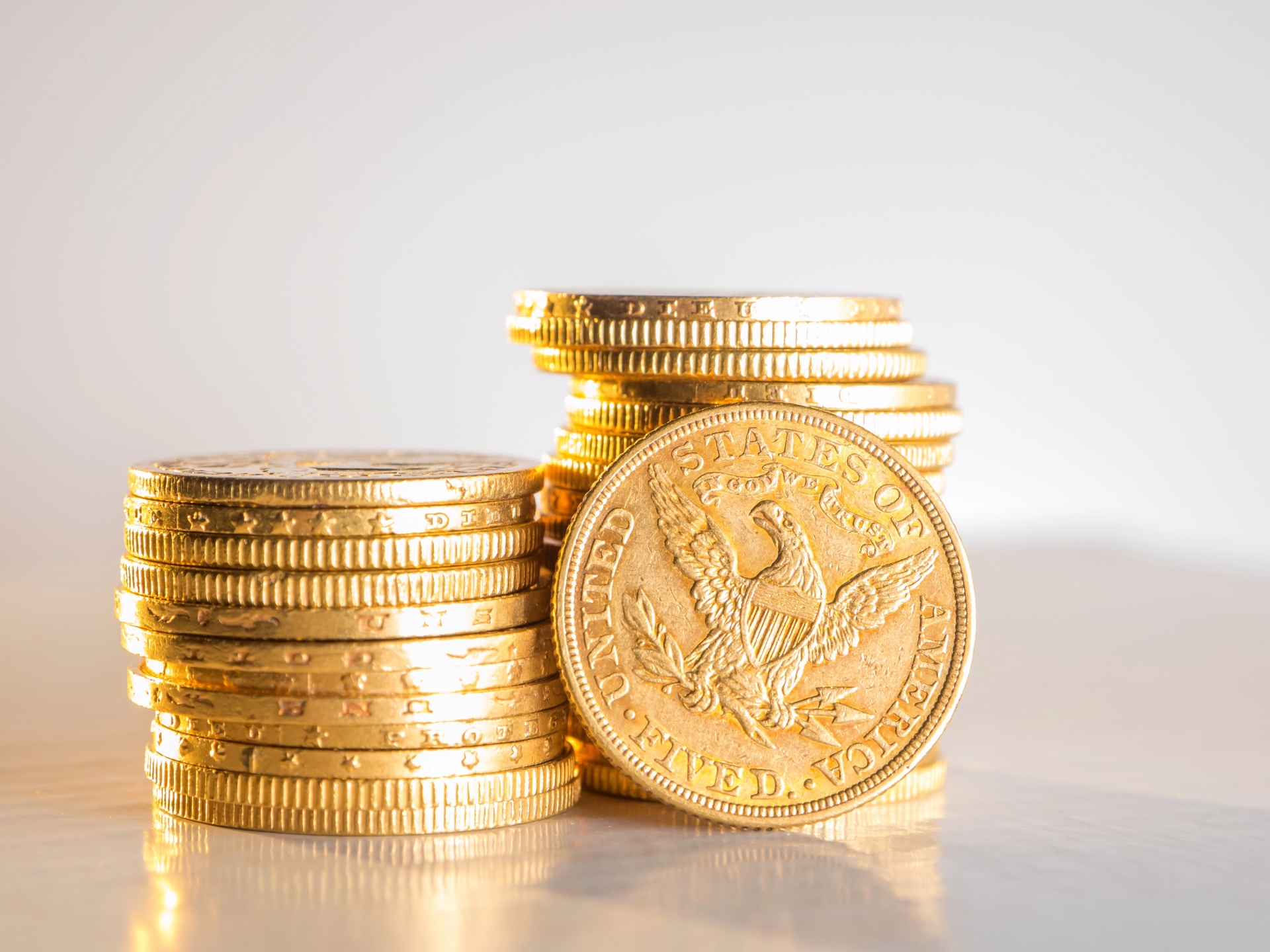
Our selection includes U.S. Gold Coins, 1-gram bars, 10-gram pieces, and full 1-ounce options. Each item is tested with XRF analysis and meets strict LBMA and COMEX standards. We want you to feel confident in every purchase.
If you want clarity and trusted products, we’re here for you. Visit Pacific Precious Metals to check today’s live prices and shop authenticated gold bars with complete transparency.
FAQs
What is today’s 1-gram gold price?
It changes throughout the day with the live market. You can see the current per-gram price on our website.
Why is my jeweler offering less than spot?
Most jewelry isn’t pure gold, and refining costs are included in the offer, so the payout comes in lower.
Is it better to buy by the gram or the ounce?
For smaller purchases, grams are optimal. However, ounces offer lower premiums while purchasing. It comes down to your budget and goals.
Buy Gold From Pacific Precious Metals
Knowing gold at the per-gram level helps us make clearer, more confident decisions. From spot price math to purity checks and premiums, each piece of the process shows us the true value of what we’re buying or selling.
If you’re ready to check today’s numbers or explore verified gold bars and coins, visit Pacific Precious Metals and shop with complete transparency.