

PLATINUM BULLION FAQ
What is platinum bullion?
Platinum bullion is investment-grade platinum in bars, coins, or rounds with .9995 purity (99.95% pure). Unlike gold's primarily monetary role, platinum serves dual purposes as both precious metal and critical industrial material. Major forms include American Platinum Eagles, Canadian Maple Leafs, and refiner bars. Production concentrates heavily in South Africa and Russia, creating unique supply dynamics compared to widely-mined gold and silver.
Is platinum bullion a good investment?
Platinum suits investors seeking exposure beyond traditional gold and silver. Its price correlates with automotive manufacturing (catalytic converters consume 40% of supply), making it a proxy for industrial health. The metal is 15 times rarer than gold by annual production yet often trades cheaper, creating potential value plays. However, expect higher volatility than gold. Best for diversification-focused portfolios comfortable with industrial commodity exposure.
How much is platinum bullion worth?
Platinum trades between $900-$1,100 per ounce typically, with 5-15% premiums added for coins and bars. At $1,000 spot, expect to pay $1,050-$1,150 depending on product type. Interestingly, platinum often trades below gold despite being far rarer, driven by industrial demand cycles rather than monetary demand. Prices swing wider than gold, responding to auto industry health and mining supply from concentrated sources.
What is the difference between platinum and gold bullion?
Think of gold as money and platinum as machinery. Gold serves primarily as wealth storage with minimal industrial use, providing stability. Platinum functions as an industrial workhorse (catalytic converters, chemical processing, medical devices), creating economic sensitivity. Gold has millennia of monetary history; platinum entered investment markets relatively recently. Platinum is 15 times rarer but often cheaper, reflecting different demand drivers. Gold offers superior liquidity globally.
What sizes does platinum bullion come in?
One-ounce products dominate for good reason: they're liquid, standardized, and accessible. Coins include 1 oz, 1/2 oz, 1/4 oz, and 1/10 oz, though fractionals are scarce. Bars range from 1 oz to 10 oz for retail investors. Larger institutional bars exist but rarely appear in retail markets. Stick with one-ounce formats for best resale options and pricing.
How to buy platinum bullion?
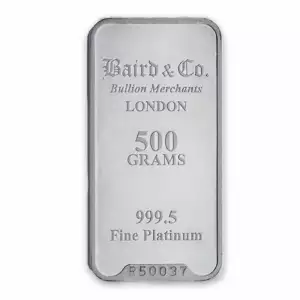
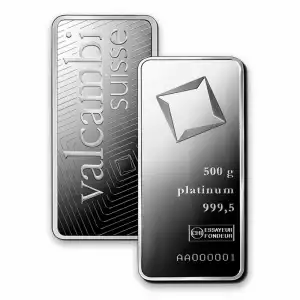
Source from online precious metals dealers with platinum specialization, as not all dealers stock it heavily. American Platinum Eagles or Canadian Platinum Maple Leafs offer easiest recognition. Bars from PAMP Suisse or Valcambi provide lower-premium alternatives. Check multiple dealers since platinum pricing varies more than gold. At Pacific Precious Metals, we maintain platinum inventory with transparent pricing. Verify authenticity guarantees as platinum's industrial value makes counterfeiting economically attractive.
Where to store platinum bullion?
Platinum's density advantage shines here. One ounce of platinum is smaller and heavier than gold, allowing significant value in compact space. Home safes work well for moderate holdings. Unlike silver (bulky) or gold (theft target), platinum flies under the radar. Professional storage makes sense for larger positions. Bonus: platinum resists tarnishing completely, requiring no special environmental controls unlike silver.
Can you sell platinum bullion?
Selling platinum requires slightly more effort than gold due to smaller buyer pools. American Platinum Eagles move fastest. Bars from recognized refiners sell readily but shop multiple dealers for competitive bids. Expect 3-8% under spot depending on market conditions. The platinum market isn't as deep as gold, so larger positions may need patience or accept wider spreads. Time sales when possible rather than forced liquidation.
What purity is platinum bullion?
The standard is .9995 fine (99.95% pure), higher than gold or silver norms. This reflects platinum's industrial requirements where purity matters for catalytic and chemical applications. American Platinum Eagles, Canadian Maple Leafs, and major refiner bars all maintain this standard. The consistency simplifies authentication and value assessment.
Why invest in platinum bullion?
Three words: scarcity, utility, and opportunity. Platinum is 30 times rarer than gold with concentrated supply chains vulnerable to disruption. Over half goes into industrial consumption rather than storage, creating real demand destruction. When platinum trades below gold (the current anomaly), historical precedent suggests mean reversion potential. It's the contrarian precious metal play for investors seeing beyond gold's crowded trade.
What are the most popular platinum bullion coins?
American Platinum Eagles dominate US markets with government backing and consistent designs (though reverse artwork changes). Canadian Platinum Maple Leafs follow with .9995 purity and security features. Austrian Philharmonics and British Britannias provide alternatives. Unlike gold and silver where multiple coins compete equally, platinum heavily favors Eagles domestically. The limited options actually simplify decision-making.
How is platinum bullion priced?
Spot price plus 5-15% premiums, but here's the interesting part: platinum pricing reflects global auto production forecasts, emissions regulations, and South African mining politics more than investment sentiment. Diesel vehicle bans increase demand (diesel uses more platinum). Electric vehicle growth decreases it. You're essentially trading industrial commodity futures in physical form. This creates different price patterns than gold's fear-driven rallies.
Is platinum bullion taxable?
Yes, same 28% maximum long-term capital gains rate as gold and silver (collectibles classification). Short-term gains face ordinary income rates. Dealers report large transactions via Form 1099-B. The tax treatment is identical to other precious metals, so platinum offers no advantage or disadvantage here. Consult tax professionals for loss harvesting strategies if platinum underperforms. When purchasing platinum, some states will impose a sales tax even when they do not on gold and silver.
What is the premium on platinum bullion?
Expect 5-15% over spot, with coins at the higher end. Platinum premiums swing more dramatically than gold during supply crunches because the smaller market amplifies scarcity. American Platinum Eagles saw 30-40% premiums during recent mint production pauses. This volatility cuts both ways: buy when premiums compress, avoid when they spike. Track premium trends, not just spot prices.
Is platinum rarer than gold?
Dramatically so. Annual production is 15 times smaller, deposits concentrate in just two countries (South Africa 70%, Russia 15%), and industrial consumption permanently removes supply from circulation. Yet platinum often costs less than gold. This paradox creates the investment thesis: extreme rarity meeting temporary demand weakness. If you believe in scarcity value, platinum's fundamentals are compelling despite current pricing suggesting otherwise.