Have you ever looked at gold and silver prices and thought, “Which one should I be buying right now?” This is exactly where the gold-to-silver ratio helps. It shows how many ounces of silver it takes to equal one ounce of gold, and that simple comparison can tell us a lot about which metal may currently offer better value.
Many investors closely monitor this ratio because it helps cut through uncertainty and guesswork. It gives us perspective instead of speculation.
In this blog, we break down what the gold-to-silver ratio really means. We look at what the gold-silver ratio chart shows from history. And how it can help you feel more confident when deciding when to buy silver vs gold.
What is the Gold-to-Silver Ratio?
The simple measure that shows how much silver matches the value of one ounce of gold. It's an easy concept that puts both metals into proper perspective. Let's talk with an example ratio of 80:1. This basically means 80 ounces of silver equate to the price of one ounce of gold. The shifts in the ratio usually show one metal moving in price faster than the other.
Investors pay attention to this because it can hint at which metal may be undervalued. It is not a price predictor, but it offers clear context and makes it easier to judge whether gold or silver may currently present a better opportunity. bjk
Historical Gold-to-Silver Ratio: What the Chart Tells Us
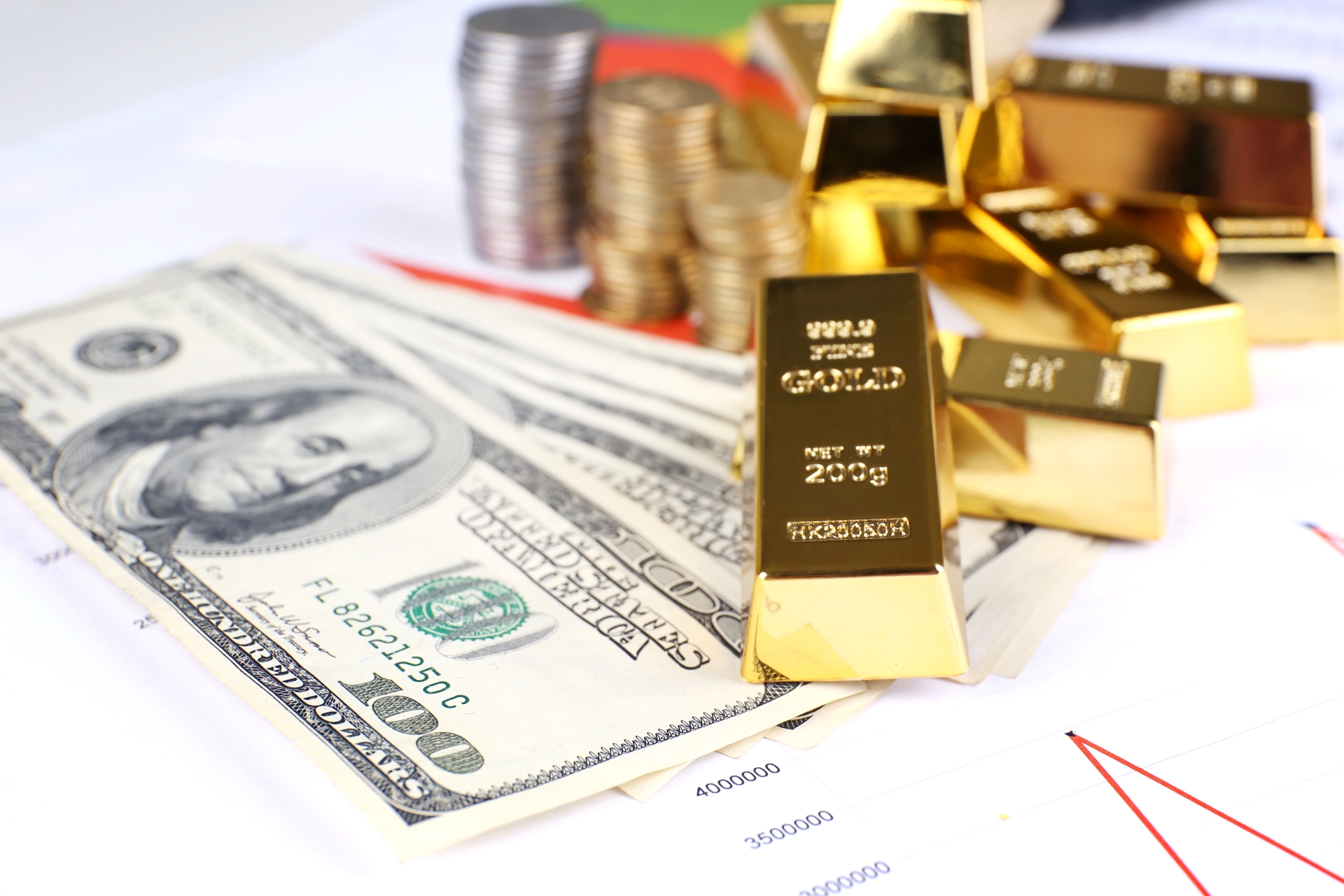
This relationship has drastically shifted over time, and the gold-silver ratio chart shows exactly that. In earlier history, it was more stable, but modern markets, economic swings, and investor behavior have made it far more volatile.
Spikes on the chart usually appear during financial stress, inflation, or uncertainty, when gold tends to lead. Lower ratio periods often reflect times when silver has surged or closed the gap.
It is not a prediction tool, but the historical chart helps set expectations. It shows how the ratio has reacted in past market conditions and what “high” and “low” levels have typically meant for investors.
How Investors Use the Gold-to-Silver Ratio Strategically
The gold-to-silver ratio is not about guessing short-term price moves. Investors use it as a relative-value guide to determine which metal may offer a better opportunity at any given time. It helps bring structure and logic to buying decisions instead of relying on emotion.
Many long-term investors use the ratio to rebalance. When it gets extremely high, they tend to lean more toward silver. When it drops low, they often shift more toward gold.
Used this way, the ratio works best as a strategy tool, not a trading signal. It supports disciplined decisions rather than quick reaction moves.
When to Buy Silver vs Gold Using the Ratio
A high gold-to-silver ratio often signals that silver is undervalued compared to gold. That is why many investors see high-ratio environments as opportunities to lean more toward silver. It can be a way to capture value while silver plays “catch-up.”
When the ratio drops, the situation usually flips. A lower ratio can suggest that gold is the better relative value. During these periods, investors often focus more on building gold positions or locking in gains from silver.
In simple terms, higher ratio conditions tend to favor silver, while lower ratio conditions tend to favor gold.
Practical Example
Let's say the ratio favors gold. Many investors see silver as relatively undervalued, so they start adding more silver rather than stacking only gold. The goal is positioning, not chasing quick moves.
Now imagine the ratio drops to around 60:1.
That shift often signals that silver has gained ground, prompting some investors to rebalance and allocate part of their silver holdings to gold. It is a simple, patient approach that focuses on discipline rather than perfect timing.
Gold-to-Silver Ratio vs Market Timing Myths
The gold-to-silver ratio is incredibly useful, but it is not a magic timing button. It does not call exact tops or bottoms, and it will not guarantee perfect trades. Treating it like a shortcut to instant profit is where many investors go wrong.
The biggest mistakes come from overtrading and reacting to every small move in the ratio. Ignoring premiums, liquidity, and real buying conditions can quickly turn strategy into emotional decision-making. The ratio works best when it supports a long-term strategy, steady accumulation, and thoughtful rebalancing rather than constant switching.
Physical Gold & Silver: What to Buy When the Ratio Signals

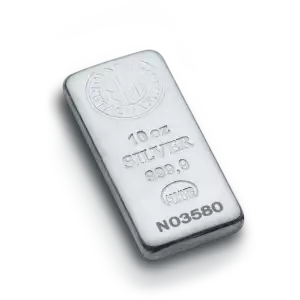
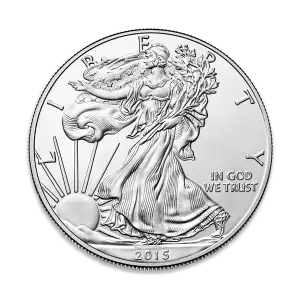
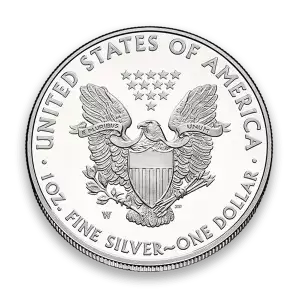
When the ratio favors silver, many investors look toward silver coins and bars with reasonable premiums and good liquidity. Silver bars work well for efficient stacking, while widely recognized coins can make resale easier.
When the ratio leans toward gold, focus often shifts to trusted gold coins and bars that are simple to store and straightforward to sell. Gold also allows a higher value in a smaller space.
In any case, premiums, liquidity, and ease of buyback matter just as much as price. The goal is to own metals that are easy to buy, hold, and eventually sell.
Reporting Requirements: What Investors Should Understand
Switching between gold and silver can have tax consequences. When metals are sold, gains may be taxable, so it helps to know how those profits could be treated.
Some transactions may also require IRS reporting based on the type and quantity of metal involved. This is why working with a clear, transparent dealer who uses security measures like transaction monitoring tools is important.
Good paperwork and straightforward guidance make the process easier. They also help avoid unwelcome surprises later.
How Pacific Precious Metals Helps Investors Use the Ratio Effectively
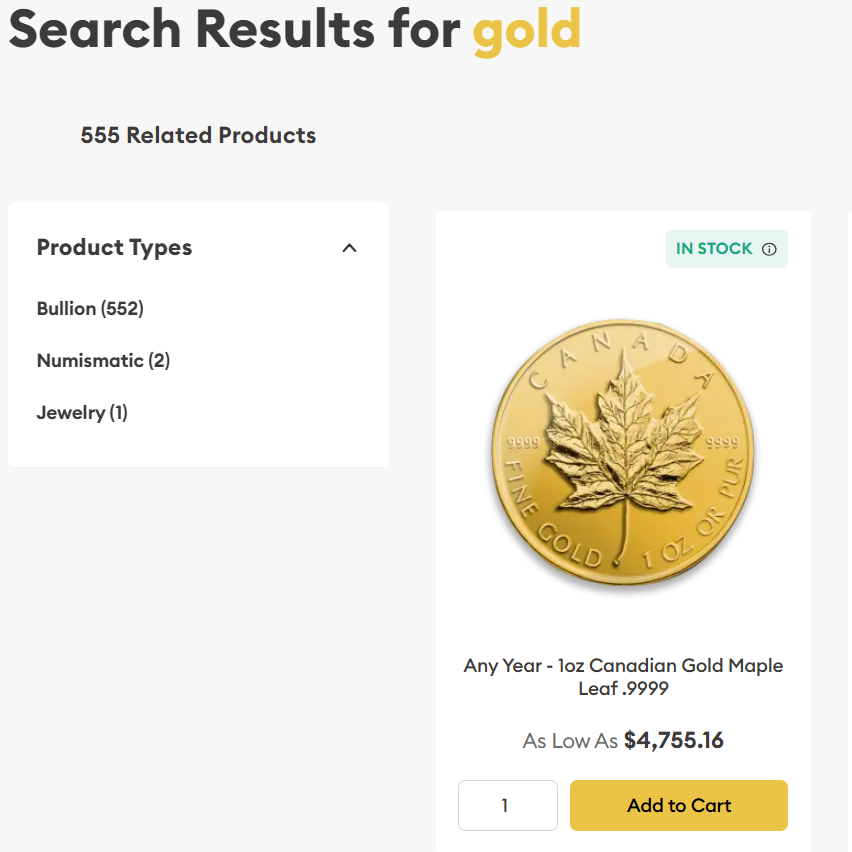
Using the gold-to-silver ratio feels much easier when real-time information is accessible. With our live pricing, clear product details, and transparent buy-and-sell spreads, investors can evaluate the ratio alongside real marketplace opportunities rather than guessing.
It also helps to have a choice. From gold coins and bars to a wide range of silver options, investors can align their strategy with actual products that fit their goals, budget, and storage preferences.
Guidance matters too. Support in-store and online, clear documentation, and honest communication help give confidence when using the ratio to make real decisions, not just theoretical ones.

FAQs
What is a good gold-to-silver ratio?
There is no fixed “perfect” level, but historically, higher ratios have leaned toward better silver value, while lower ratios have favored gold.
Is the gold-silver ratio reliable?
It is a helpful guide, not a prediction tool. It adds perspective and supports strategy rather than guaranteeing outcomes.
When should I opt for silver over gold?
Many investors consider silver when the ratio is high, because it often suggests silver is relatively undervalued.
Does the ratio work for physical metals, too?
Yes, many physical buyers use it to guide switching and rebalancing decisions over time.
How often should I check the gold-silver ratio chart?
Most long-term investors review it periodically. Helps in focusing on major shifts rather than daily movements.
Using the Gold-to-Silver Ratio Wisely
The gold-to-silver ratio is incredibly useful, but it works best when it supports thoughtful, long-term decision-making. It gives context, highlights potential value opportunities, and helps make buying and rebalancing feel more intentional rather than emotional.
It should guide, not guarantee. When it is combined with patience, steady accumulation, and trusted market insight, it becomes a practical tool rather than just another chart to watch.
Keep an eye on the gold-to-silver ratio, use it alongside real-time pricing, and let it help you make more confident precious metals decisions with Pacific Precious Metals.