What matters more when you buy a gold bar, owning it or being able to sell it easily later? Most people focus on the purchase and overlook the exit. That is where liquidity makes all the difference.
It is a common misconception that all gold bars are equally liquid. In reality, resale value depends on format, size, and market recognition. Smart buyers think beyond today’s price and plan for how their gold will move tomorrow.
This blog breaks down how to purchase gold bars with liquidity in mind. We cover which formats resell best, how gold ingot price and sizing affect demand, and where real liquidity comes from when you decide to sell.
What Does “Liquidity” Mean in Physical Gold?
Liquidity simply means how easily you can sell your gold for cash without sacrificing value. With physical gold, liquidity depends on more than just gold content. It comes down to demand, recognition, and how smoothly a buyer can verify and price the bar.
Physical goldbar liquidity is different from paper gold. Paper trades instantly, while physical gold requires inspection and a willing buyer. Bar size, condition, and how familiar dealers are with the product all affect how quickly it sells and at what price.
What matters most is actual demand from U.S. dealers. Global gold pricing theories do not always reflect local resale reality. Bars that dealers actively buy every day move faster and closer to spot.


Gold Bar Basics: Understanding Gold Bars and Gold Ingots
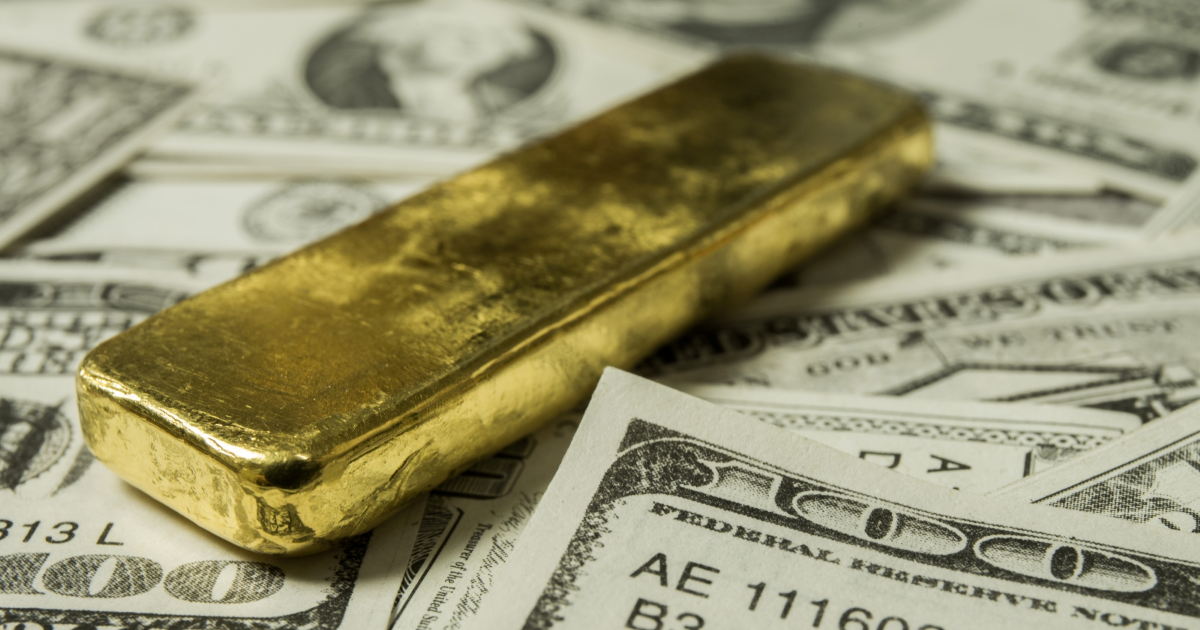
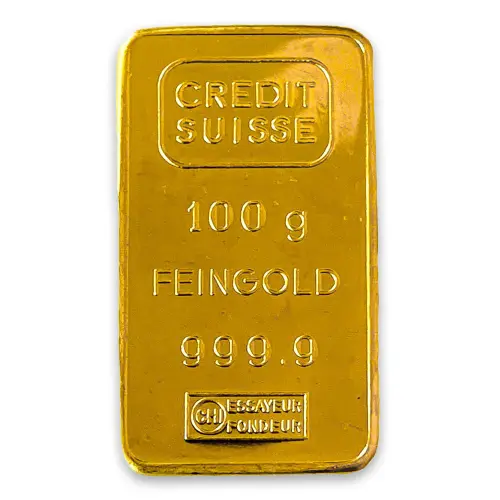
A gold bar, also known as a gold bar or gold ingot, is a refined piece of gold made specifically for investment. Its value comes from weight and purity. This makes pricing and resale straightforward compared to jewelry or collectibles.
Gold bars generally fall into two categories. Cast bars are poured and have a rougher look, while minted bars are stamped with clean edges and detailed markings. Minted bars often cost more, while cast bars are typically chosen for larger, efficiency-focused purchases.
When people mention the “gold ingot price,” they are usually referring to the spot value of the gold itself. Retail prices include added costs for production and distribution. Bars with .9999 fine gold purity are easier to verify and resell, which is why they remain the standard for liquidity.
Best Gold Bar Sizes for Maximum Liquidity
Size matters more than many buyers realize when it comes to selling gold. While the gold content stays the same, liquidity depends on how many buyers want that size and how often dealers trade it.
In the U.S. market, 1 oz gold bars are highly liquid because they are affordable and easy to resell. 10 oz bars also move well and offer better price efficiency for buyers willing to spend more. 100-gram bars strike a balance, providing flexibility with slightly lower premiums than smaller bars.
Very large bars may look attractive on paper, but they limit the buyer pool. Fewer buyers can afford them, and resale can take longer. That is why many investors focus on smaller, widely traded sizes when purchasing gold bars for liquidity.
Premiums and Pricing: How Gold Ingot Price Affects Liquidity
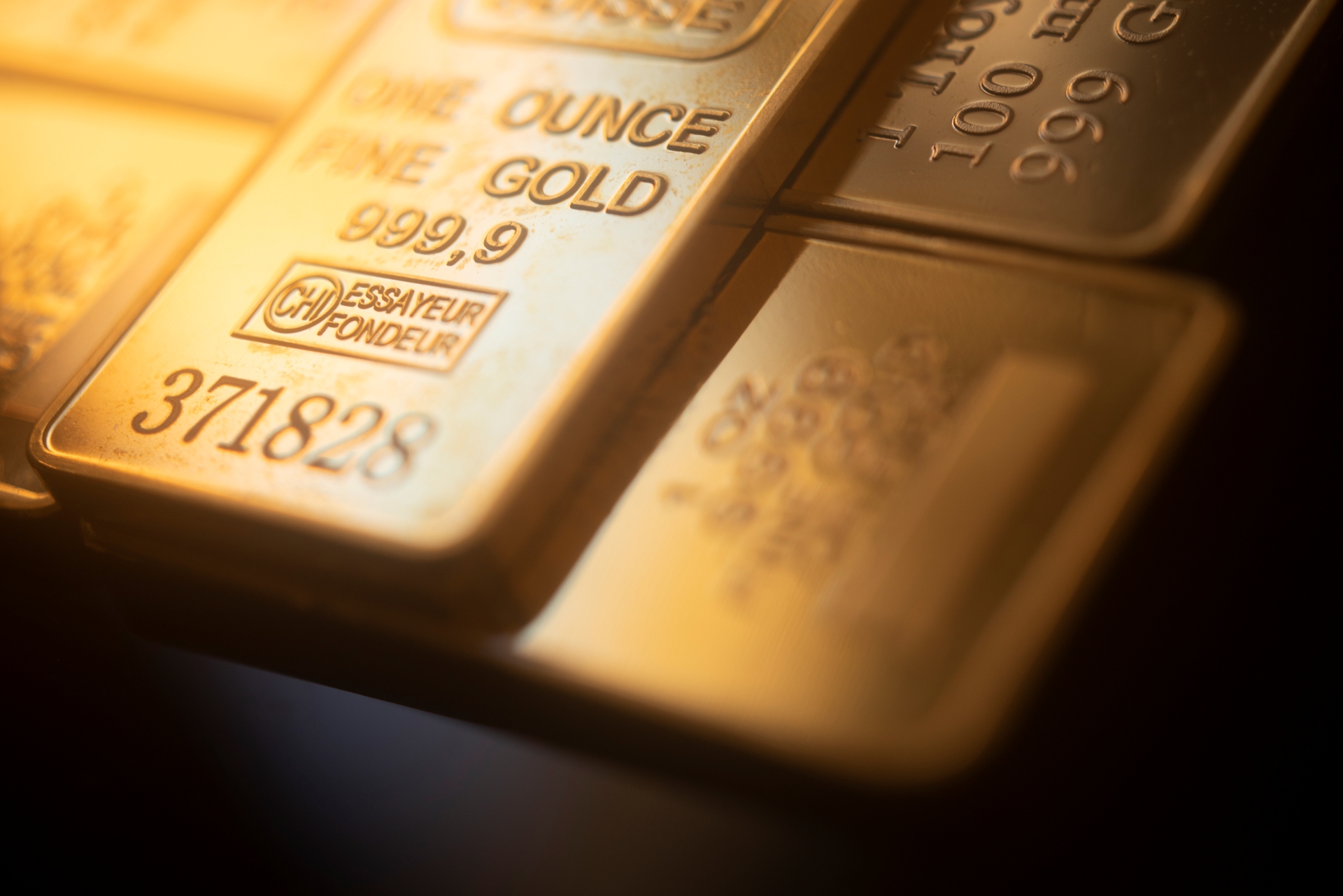
When buying gold bars, it helps to separate the spot price from the premium. The spot price reflects the current market value of gold. The premium covers fabrication, distribution, and dealer costs. Together, they form the final price you pay.
Lower premiums usually make resale easier. Bars priced closer to spot tend to attract more buyers and move faster, especially in normal market conditions. When demand spikes, premiums often rise, but buyers still gravitate toward bars that were purchased efficiently.
Overpaying upfront can limit flexibility later. It also gives you more options when it is time to sell.
Recognized Brands vs Generic Gold Bars
Brand recognition matters when it is time to sell. Bars from well-known refiners are easier for dealers to verify, which speeds up resale and often results in pricing closer to spot. Familiar markings reduce friction on both sides of the transaction.
Generic bars can still be a good option when premiums are lower, but they are not all treated the same. Some resell smoothly, while others face more scrutiny. At Pacific Precious Metals, brand acceptance is carefully evaluated during buybacks to ensure liquidity stays strong and consistent.
Cast vs Minted Bars: Which Resells Better?
Cast bars have a rougher, poured finish, while minted bars are stamped with clean lines and clear markings. The gold is the same, but the presentation is different.
Minted bars usually resell faster because they are easier for buyers to recognize and verify. That familiarity helps speed up transactions.
Cast bars often appeal to buyers focused on lower premiums. They work well in larger sizes, but minted bars tend to offer stronger liquidity when resale speed matters.
Buy Gold Bars Online or In Person: What’s Better for Liquidity?
Online or buying in person, liquidity depends on verification and transparency. Clear documentation, testing, and serial numbers make resale easier down the line.
Established dealers provide that structure from the start. It helps protect value and speeds up future selling.
Private purchases often lack records, which can complicate resale. Buying through a trusted dealer keeps liquidity simple and predictable.
Storage, Condition, and Packaging: Hidden Liquidity Factors
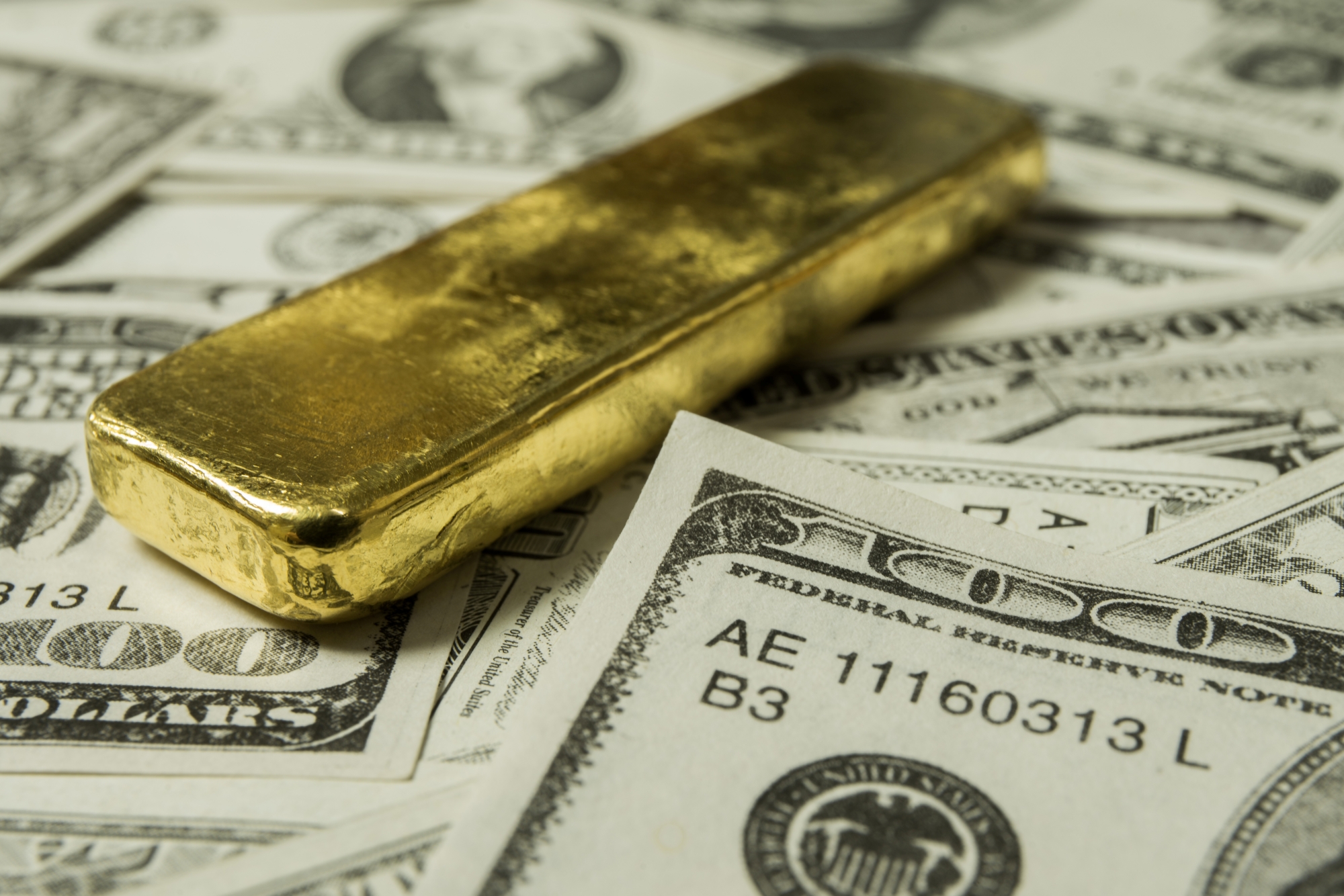
Condition and packaging play a quiet but important role in liquidity. Gold bars kept sealed in their original assay cards are easier to verify and usually resell faster.
Damaged bars or missing packaging can lower buyback offers because they raise extra questions. Proper storage helps protect value and avoids unnecessary handling.
Keeping bars secure, dry, and well-preserved makes future selling simpler. Good storage habits help maintain both confidence and liquidity.
How Pacific Precious Metals Helps Maximize Liquidity
Liquidity starts with buying from the right dealer. At Pacific Precious Metals, pricing is tied to real-time market data with clearly displayed premiums, so buyers always know where they stand. That transparency helps protect value both at purchase and resale.
We maintain a strong two-way market, actively buying and selling gold bars. In-house XRF testing and authentication streamline verification, which speeds up transactions and builds confidence when it is time to sell.
We also offer flexibility through online and California in-store selling options. When liquidity matters, choosing a dealer that supports both sides of the transaction makes all the difference.
Common Mistakes That Reduce Gold Bar Liquidity
Liquidity suffers when resale is not considered upfront. Buying obscure sizes or unfamiliar brands can limit demand and slow future selling. Overpaying during hype cycles reduces flexibility, and removing bars from their assay packaging can hurt resale confidence.
The biggest mistake is ignoring an exit plan. Gold bars are most liquid when resale is part of the buying decision.
FAQs: Purchasing Gold Bars for Liquidity
What is the most liquid gold bar size?
One-ounce bars are among the easiest to resell due to strong demand and recognition.
Are gold bars easy to sell in the U.S.?
Yes, when they meet purity standards and come from recognized sources.
Does the gold ingot price differ from the gold bar price?
Gold ingot prices refer to spot values, while retail bar prices include premiums.
Is it better to buy gold bars online or locally?
Both work if the dealer offers clear pricing, verification, and documentation.
The Smart Way to Purchase Gold Bars
Liquidity does not happen by accident. It comes from choosing gold bars that are easy to verify, easy to price, and easy to sell. Planning protects flexibility when it matters most.
Buying the right gold bar often matters more than buying more gold. Size, premiums, condition, and recognition all influence how smoothly a bar moves in the market.
If liquidity is part of your goal, make informed choices from the start. Explore liquid gold bar options with Pacific Precious Metals and purchase with confidence.